Proper tire inflation is a critical aspect of vehicle maintenance that significantly impacts safety, fuel efficiency, and overall performance. Tires that are inflated to the manufacturer’s recommended pressure ensure optimal contact with the road surface, enhancing traction and stability. Under-inflated tires can lead to increased rolling resistance, resulting in higher fuel consumption and reduced mileage. Conversely, over-inflated tires may cause uneven wear and a harsher ride, compromising comfort and safety.
Moreover, maintaining correct tire pressure is essential for prolonging tire lifespan. Tires that are consistently under-inflated can experience excessive heat buildup, leading to premature wear or even catastrophic failure. According to the National Highway Traffic Safety Administration (NHTSA), approximately 11,000 accidents annually are attributed to tire-related issues, underscoring the importance of regular tire maintenance. By ensuring proper inflation, drivers can mitigate risks and enhance their vehicle’s performance.
If you’re looking to maintain your vehicle’s performance, knowing how to put air in your tires at a gas station is essential. Proper tire inflation not only enhances fuel efficiency but also ensures a smoother ride. For those interested in tackling household tasks while keeping their car in top shape, you might find this article on deep cleaning your home helpful. Check it out here: 10 Easy Steps to Deep Clean Your House When Feeling Overwhelmed.
Preparing Your Vehicle for Tire Inflation
Before embarking on the tire inflation process, it is crucial to prepare your vehicle adequately. Start by gathering the necessary tools: a reliable tire pressure gauge and an air pump, which can typically be found at gas stations or automotive service centers. Familiarize yourself with your vehicle’s recommended tire pressure, usually indicated on a sticker located on the driver’s side door jamb or in the owner’s manual. This information is vital for achieving optimal inflation levels.
Next, ensure that your vehicle is parked on a level surface. This step is essential because uneven ground can lead to inaccurate pressure readings. Additionally, it is advisable to check tire pressure when the tires are cold, as heat generated from driving can temporarily increase pressure readings. If you have driven recently, allow your tires to cool down for at least three hours before proceeding with inflation.
Locating the Air Pump at the Gas Station

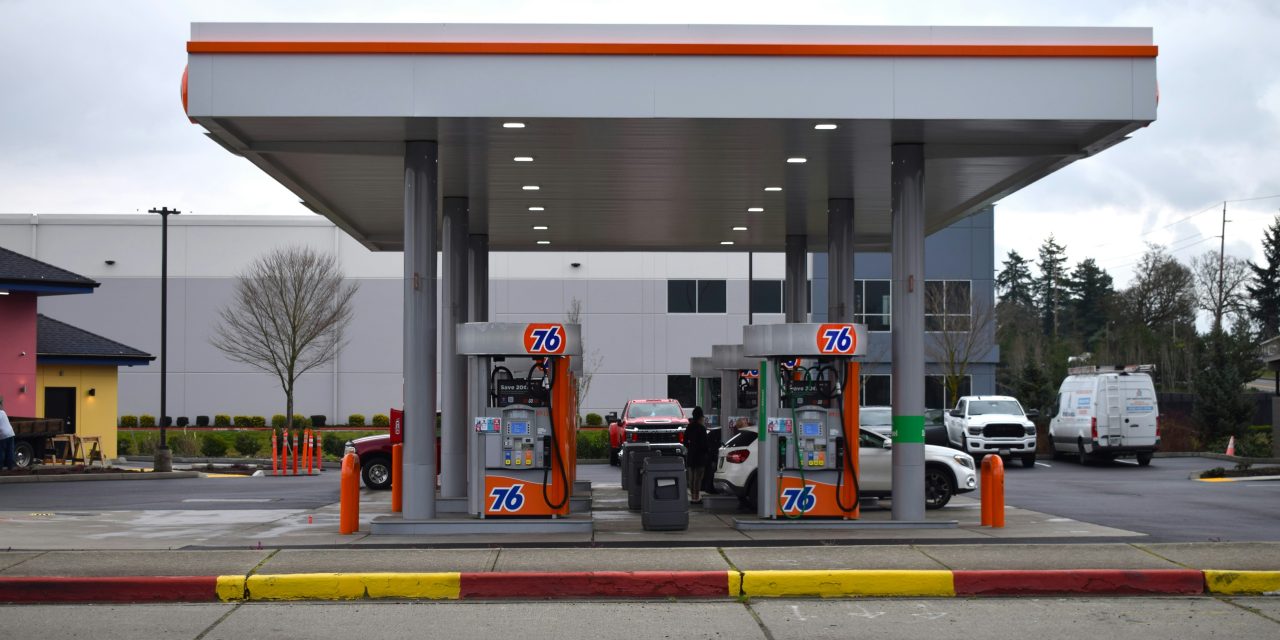
Once you have prepared your vehicle, the next step involves locating an air pump at a nearby gas station. Most gas stations are equipped with air pumps, often situated near the fuel dispensers or in designated service areas. Look for signage indicating air service availability; some stations may offer free air while others may charge a nominal fee.
Upon finding an air pump, take note of its features. Many modern air pumps come equipped with digital displays that provide real-time pressure readings, making it easier to monitor your tire inflation process. Familiarize yourself with the pump’s controls and ensure that it is functioning correctly before proceeding to inflate your tires.
Checking Your Tire Pressure with a Gauge

Before adding air to your tires, it is imperative to check their current pressure using a tire pressure gauge. Begin by removing the valve cap from one tire and firmly pressing the gauge onto the valve stem. A hissing sound may occur as air escapes; this is normal. The gauge will provide a reading of the current tire pressure in pounds per square inch (PSI).
Compare this reading with the manufacturer’s recommended PSI. If the current pressure is below the recommended level, you will need to add air. Conversely, if it exceeds the recommended PSI, you may need to release some air before proceeding with inflation. Repeat this process for all four tires to ensure uniformity and safety.
When it comes to maintaining your vehicle, knowing how to put air in your tires at a gas station is essential for ensuring a smooth ride and optimal fuel efficiency. For those who are also settling into a new apartment and looking to keep everything in top shape, you might find it helpful to explore some essential cleaning supplies. You can check out this article on cleaning supplies that every first apartment needs for a sparkling start, which can help you create a tidy and welcoming living space.
Removing the Valve Cap and Inspecting the Valve Stem
After checking tire pressure, proceed by removing the valve cap from each tire’s valve stem. This small component plays a crucial role in maintaining tire integrity by preventing air loss and contamination. Inspect the valve stem for any signs of damage or wear, such as cracks or corrosion. A compromised valve stem can lead to slow leaks or sudden air loss, necessitating replacement.
If you notice any issues with the valve stem, consider replacing it before inflating your tires. Valve stems are relatively inexpensive and can be easily replaced by most automotive professionals or even by DIY enthusiasts with basic tools. Ensuring that your valve stems are in good condition is essential for maintaining proper tire pressure over time.
Connecting the Air Hose Securely to the Tire Valve
Once you have inspected the valve stem and confirmed its integrity, it is time to connect the air hose securely to the tire valve. Align the nozzle of the air hose with the valve stem and press down firmly until you hear a click or feel resistance. This indicates that a secure connection has been established, allowing for efficient air transfer.
It is crucial to ensure that the connection is tight to prevent any air leakage during inflation. If you notice any hissing sounds after connecting the hose, disconnect it and reattach it to ensure a proper seal. A secure connection not only facilitates effective inflation but also minimizes the risk of accidents caused by sudden air loss.
Adding Air in Short Bursts and Monitoring Pressure
When adding air to your tires, it is advisable to do so in short bursts rather than continuously inflating them. This method allows you to monitor pressure levels more accurately and prevents over-inflation. After each burst of air, pause briefly to check the tire pressure using your gauge.
Continue this process until you reach the recommended PSI for each tire. It is essential to remain vigilant during this stage; over-inflating tires can lead to reduced traction and increased risk of blowouts while driving. By adding air gradually and checking frequently, you can achieve optimal inflation levels without compromising safety.
Using the Gauge to Achieve the Recommended PSI
Achieving the manufacturer-recommended PSI is paramount for ensuring optimal vehicle performance and safety. After each burst of air, utilize your tire pressure gauge to check the current pressure level accurately. If you find that you have exceeded the recommended PSI, release some air by pressing down on the valve stem with a small tool or your finger until you reach the desired level.
Conversely, if your tires remain under-inflated after several bursts, continue adding air until you achieve the correct PSI reading. Remember that different tires may have varying recommended pressures; always refer to your vehicle’s specifications for guidance. Maintaining proper inflation not only enhances safety but also contributes to improved fuel efficiency and tire longevity.
Replacing the Valve Cap and Double-Checking All Tires
Once all tires have been inflated to their recommended PSI levels, it is time to replace each valve cap securely. These caps serve as protective barriers against dirt and moisture that could compromise valve integrity over time. Ensure that each cap is tightened properly to prevent any potential air loss.
After replacing all valve caps, conduct a final inspection of each tire’s pressure using your gauge one last time. This step ensures that no discrepancies occurred during inflation and confirms that all tires are uniformly inflated. Regularly checking tire pressure can help identify potential issues early on, allowing for timely intervention and maintenance.
Tips for Avoiding Common Mistakes During Inflation
To ensure a successful tire inflation process, consider these tips for avoiding common mistakes:
1. **Check Pressure When Cold**: Always measure tire pressure when tires are cold for accurate readings.
2. **Use Quality Tools**: Invest in a reliable tire pressure gauge for consistent results.
3. **Avoid Over-Inflation**: Monitor pressure closely during inflation to prevent exceeding recommended levels.
4. **Inspect Regularly**: Make checking tire pressure a routine part of vehicle maintenance.
5. **Educate Yourself**: Familiarize yourself with your vehicle’s specifications regarding tire size and recommended PSI.
By adhering to these guidelines, drivers can enhance their understanding of proper tire maintenance and contribute to safer driving experiences.
When to Seek Professional Help for Tire Maintenance
While regular tire inflation is essential for vehicle safety and performance, certain situations warrant professional assistance. If you notice persistent air loss despite proper inflation practices or if your tires exhibit uneven wear patterns, it may indicate underlying issues such as alignment problems or damaged sidewalls.
Additionally, if you encounter difficulty inflating your tires or suspect damage to components like valve stems or rims, seeking professional help is advisable. Automotive technicians possess specialized knowledge and tools necessary for diagnosing complex issues that may not be apparent during routine checks.
In conclusion, maintaining proper tire inflation is vital for ensuring vehicle safety, enhancing fuel efficiency, and prolonging tire lifespan. By following systematic procedures for checking and inflating tires while remaining vigilant about potential issues, drivers can significantly reduce risks associated with tire-related accidents and improve overall driving experiences.
In summary, understanding proper tire inflation involves recognizing its importance for safety and performance while preparing adequately before engaging in inflation practices at gas stations or service centers. Regular checks using gauges and ensuring secure connections during inflation contribute significantly to achieving optimal PSI levels across all tires while avoiding common pitfalls associated with improper maintenance practices.
FAQs
What tools do I need to put air in my tires at a gas station?
To put air in your tires at a gas station, you typically need a tire pressure gauge to check the current pressure and a coin or card to operate the air pump, as many stations require payment for air services. Some gas stations may offer free air, but it’s always good to have a method of payment just in case.
How do I find the correct tire pressure for my vehicle?
The correct tire pressure for your vehicle can usually be found on a sticker located on the driver’s side door jamb or in the owner’s manual. It is important to check this information before inflating your tires, as the recommended pressure can vary by vehicle model.
What steps should I follow to inflate my tires at a gas station?
To inflate your tires at a gas station, first, park your vehicle close to the air pump. Remove the valve cap from the tire you want to inflate, then use the tire pressure gauge to check the current pressure. If the pressure is low, insert the air hose into the valve stem and press down to fill the tire with air. Periodically check the pressure with the gauge until you reach the recommended level, then replace the valve cap.
Can I overinflate my tires at a gas station?
Yes, it is possible to overinflate your tires if you do not monitor the pressure while adding air. Overinflation can lead to reduced traction, uneven tire wear, and an increased risk of tire blowouts. Always check the pressure with a gauge after adding air to ensure it matches the recommended level.
What should I do if the air pump is not working?
If the air pump at the gas station is not working, you can try another nearby gas station that offers air services. Alternatively, you can check if there are any nearby tire shops or service stations that provide air for tires. If you are unable to find a working pump, consider using a portable air compressor if you have one available.