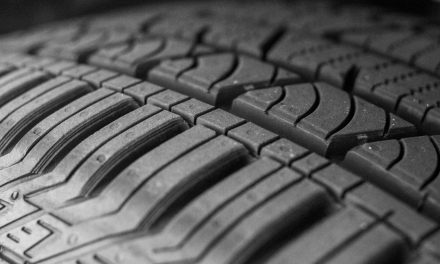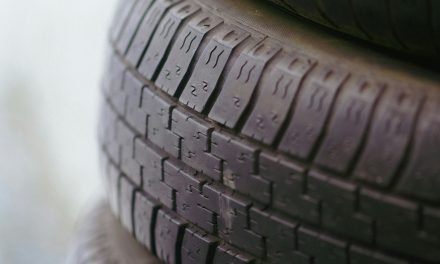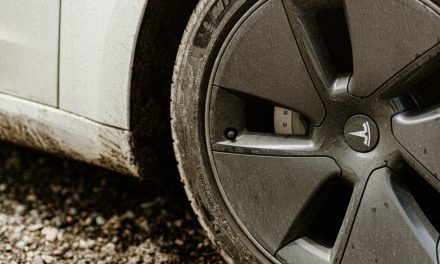
Donut spare tires, also known as temporary or compact spares, are designed to provide a short-term solution for drivers who experience a flat tire. Unlike full-size spare tires, which are identical to the vehicle’s regular tires, donut spares are smaller and lighter, making them easier to store in the trunk. Typically, these tires have a narrower width and a smaller diameter, which allows for more efficient packaging and weight reduction in vehicles. The primary purpose of a donut spare is to enable drivers to reach a service station or tire repair shop after experiencing a tire failure.
The construction of donut spares often involves a different tread pattern and rubber composition compared to standard tires. This design is intentional, as it prioritizes lightweight characteristics over durability and longevity. While they serve their purpose effectively in emergencies, it is crucial for drivers to understand the limitations associated with these temporary solutions. Familiarity with the specifications and operational guidelines of donut spares can significantly enhance road safety and vehicle performance.
When considering how far you can drive on a donut spare tire, it’s essential to understand the limitations and safety precautions associated with these temporary solutions. For more tips on maintaining your vehicle and ensuring a safe driving experience, you might find this article on pest prevention helpful, as it emphasizes the importance of keeping your environment in check, which can also extend to your vehicle. Check it out here: Tips to Prevent Pests Before They Move In.
The Typical Distance Limit for Donut Spare Tires
When utilizing a donut spare tire, it is essential to recognize the distance limitations imposed by its design. Most manufacturers recommend that drivers limit their travel to approximately 50 to 70 miles when using a donut spare. This distance is contingent upon various factors, including the tire’s condition, vehicle weight, and driving conditions. Exceeding this recommended range can lead to increased wear on the spare tire and potential safety hazards.
The rationale behind this distance limitation stems from the construction of donut spares, which are not engineered for prolonged use. The reduced tread depth and narrower profile can compromise traction and stability, particularly at higher speeds or on uneven surfaces. Therefore, it is advisable for drivers to plan their routes carefully and seek professional assistance as soon as possible after installing a donut spare.
Recommended Speed Limits When Using a Donut Spare

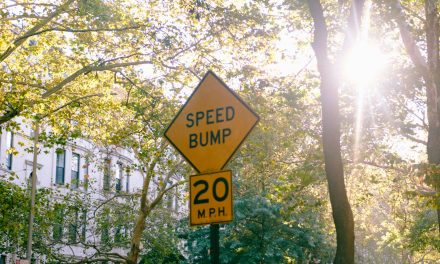
In addition to distance restrictions, speed limits play a critical role in ensuring safe operation while using a donut spare tire. Most manufacturers advise maintaining a maximum speed of 50 mph when driving on a donut spare. Exceeding this speed can lead to instability, reduced braking performance, and an increased risk of tire failure.
Driving at higher speeds can exacerbate the inherent limitations of donut spares, such as reduced grip and handling capabilities. It is essential for drivers to remain vigilant and adjust their driving habits accordingly when operating with a temporary tire. Adhering to the recommended speed limit not only enhances safety but also prolongs the lifespan of the donut spare until it can be replaced with a full-size tire.
Why Donut Spares Are Not Meant for Long-Term Use

Donut spare tires are explicitly designed for temporary use, and several factors contribute to their unsuitability for long-term application. Firstly, the construction materials used in donut spares are typically less robust than those found in standard tires. This difference results in diminished durability and an increased likelihood of wear over time. Additionally, the tread pattern on donut spares is optimized for short-distance travel rather than extended use.
Moreover, prolonged use of a donut spare can lead to uneven wear on the vehicle’s suspension components due to the altered dynamics caused by the smaller tire size. This misalignment can result in handling issues and may compromise overall vehicle safety. Therefore, it is imperative for drivers to prioritize timely replacement of donut spares with full-size tires to ensure optimal performance and safety.
When considering how far you can drive on a donut spare tire, it’s important to understand the limitations and safety precautions associated with using such a temporary solution. For those interested in maintaining the well-being of their vehicles, you might find it helpful to explore related topics, such as proper care for pets during travel. For instance, you can learn about how to bathe a ferret safely without drying out its skin by checking out this informative article. Understanding these various aspects can enhance your overall travel experience while ensuring both your vehicle and your furry friends remain in good condition. You can read more about it here.
How Driving Conditions Affect Donut Tire Performance
Driving conditions significantly influence the performance of donut spare tires. Factors such as road surface quality, weather conditions, and traffic patterns can all impact how effectively a donut spare operates. For instance, driving on wet or icy roads can exacerbate the limited traction capabilities of a donut spare, increasing the risk of skidding or loss of control.
Additionally, rough or uneven road surfaces can lead to increased wear on the donut spare due to its narrower profile and reduced shock absorption capabilities. Drivers should exercise caution when navigating through potholes or debris-laden roads while using a donut spare. Awareness of these driving conditions can help mitigate risks and enhance overall safety while operating with a temporary tire.
Signs That Your Donut Spare Tire Needs Immediate Replacement
Recognizing when a donut spare tire requires immediate replacement is crucial for maintaining safety on the road. Several indicators can signal that a spare tire is no longer fit for use. Firstly, visible signs of damage such as cracks, bulges, or punctures should prompt immediate action. These defects can compromise the structural integrity of the tire and increase the risk of failure during operation.
Additionally, if the tread depth appears significantly worn or uneven, it may indicate that the tire has reached its limit of usability. Drivers should also be aware of any unusual vibrations or handling issues while driving on a donut spare, as these symptoms may suggest underlying problems that necessitate replacement. Regular inspections and maintenance checks can help identify these signs early on and ensure safe driving conditions.
How to Properly Install a Donut Spare Tire
Proper installation of a donut spare tire is essential for ensuring optimal performance and safety during use. The first step involves locating the necessary tools, including a jack and lug wrench, typically found in the vehicle’s trunk. Once these tools are gathered, the driver should park the vehicle on a flat surface and engage the parking brake to prevent any movement.
Next, remove the hubcap if applicable and loosen the lug nuts slightly before lifting the vehicle with the jack. Once elevated, fully remove the lug nuts and take off the flat tire. Align the donut spare with the wheel hub and hand-tighten the lug nuts onto the bolts before lowering the vehicle back to the ground. Finally, use the lug wrench to securely tighten each lug nut in a crisscross pattern to ensure even distribution of pressure.
Essential Safety Checks Before Driving on a Donut Spare
Before embarking on any journey with a donut spare tire installed, conducting essential safety checks is paramount. Firstly, verify that the spare tire is properly inflated according to manufacturer specifications; under-inflation can lead to poor handling and increased wear. Additionally, inspect the tire for any visible signs of damage or excessive wear that may compromise its performance.
It is also advisable to check that all lug nuts are securely tightened to prevent any loosening during transit. Furthermore, ensure that all other tires on the vehicle are in good condition and adequately inflated to maintain balanced handling characteristics while driving with a donut spare. These precautionary measures can significantly enhance safety and performance during temporary use.
Tips for Driving Smoothly and Safely on a Donut Tire
Driving with a donut spare requires adjustments in driving behavior to ensure safety and comfort on the road. Firstly, maintaining a steady speed below 50 mph is crucial; sudden acceleration or hard braking can destabilize the vehicle due to the limited capabilities of the donut spare. Additionally, avoiding sharp turns can help maintain traction and prevent loss of control.
Drivers should also increase their following distance from other vehicles to allow ample time for braking maneuvers. Being mindful of road conditions is equally important; avoiding potholes or debris can help preserve the integrity of the donut spare while enhancing overall safety. Lastly, staying alert for any signs of instability or unusual noises while driving can help identify potential issues early on.
When to Replace Your Donut Spare with a Full-Size Tire
The transition from using a donut spare back to a full-size tire should occur as soon as possible after experiencing a flat tire. Ideally, drivers should replace their donut spare once they reach their destination or within 50-70 miles of travel as recommended by manufacturers. If any signs of wear or damage are observed on the donut spare during use, it is imperative to replace it immediately with a full-size tire.
Additionally, if you find yourself frequently relying on your donut spare due to recurring flat tires, it may be prudent to assess your regular tires’ condition and consider replacing them altogether. Regular maintenance checks can help identify potential issues before they necessitate emergency repairs.
Emergency Preparedness: What to Do If You Get a Flat Tire on the Road
Experiencing a flat tire while driving can be stressful; however, being prepared can alleviate some anxiety associated with such situations. First and foremost, remain calm and steer your vehicle safely off the road onto a flat surface away from traffic if possible. Activate your hazard lights to alert other drivers of your situation.
Once safely parked, assess whether you have access to tools necessary for changing your tire or if you require roadside assistance services. If you choose to change your tire yourself, follow proper installation procedures for your donut spare as outlined previously. If you feel uncomfortable performing this task or lack necessary tools, contacting roadside assistance is advisable for professional help.
In summary, understanding donut spare tires involves recognizing their limitations regarding distance and speed while appreciating their role as temporary solutions during emergencies. Proper installation techniques and safety checks are vital for ensuring safe operation while using these spares. Awareness of driving conditions and signs indicating replacement needs can further enhance safety on the road. Ultimately, timely replacement with full-size tires is essential for maintaining optimal vehicle performance and safety standards.
FAQs
What is a donut spare tire?
A donut spare tire, also known as a temporary spare tire, is a smaller, lighter tire designed for short-term use in case of a flat tire. It is typically narrower and has a lower profile than a standard tire, allowing for easier storage in vehicles.
How far can you typically drive on a donut spare tire?
Most manufacturers recommend that you do not drive more than 50 to 70 miles on a donut spare tire. This limitation is due to the tire’s design, which is not intended for long-distance travel and may wear out quickly if used for extended periods.
What is the maximum speed limit when driving on a donut spare tire?
The maximum speed limit when driving on a donut spare tire is generally around 50 mph. Exceeding this speed can increase the risk of tire failure and compromise your safety on the road.
Can you drive on a donut spare tire in all weather conditions?
While you can drive on a donut spare tire in various weather conditions, it is not recommended for use in severe weather, such as heavy rain or snow. The smaller size and tread design may not provide adequate traction compared to regular tires.
What should you do after using a donut spare tire?
After using a donut spare tire, it is important to replace it with a full-size tire as soon as possible. Check the condition of your regular tire and have it repaired or replaced, and ensure that the donut spare is properly stored in your vehicle for future emergencies.