Tire tread depth is a critical factor in vehicle safety and performance. The tread on a tire is designed to provide traction, channel water away from the contact patch, and enhance overall handling. As tires wear down, their ability to grip the road diminishes, leading to increased stopping distances and a higher risk of hydroplaning. Understanding the significance of maintaining adequate tread depth is essential for every vehicle owner, as it directly correlates with safety on the road.
The tread depth of a tire is measured in 32nds of an inch, and it plays a pivotal role in ensuring optimal performance under various driving conditions. Tires with sufficient tread depth can effectively disperse water, reducing the likelihood of skidding on wet surfaces. Conversely, tires with inadequate tread depth can compromise vehicle control, especially during adverse weather conditions. Therefore, regular monitoring of tire tread depth is not just a maintenance task; it is a fundamental aspect of responsible vehicle ownership.
When considering the optimal time to replace your tires based on tread depth, it’s essential to stay informed about various maintenance tips for your vehicle. A related article that might interest you is about creating a low-maintenance front yard garden, which emphasizes the importance of regular upkeep in different aspects of life. You can read more about it here: 10 Easy Steps to Create a Low-Maintenance Front Yard Garden. Just as maintaining your garden can enhance your home’s curb appeal, ensuring your tires are in good condition is crucial for your safety on the road.
How Tread Depth Affects Driving Safety
The relationship between tread depth and driving safety cannot be overstated. Adequate tread depth enhances traction, which is crucial for effective braking and cornering. When tires are worn down, their ability to grip the road surface diminishes significantly. This reduction in traction can lead to longer stopping distances, particularly in emergency situations where quick reflexes are necessary. Studies have shown that tires with less than 4/32 inches of tread can increase stopping distances by up to 30% on wet roads.
Moreover, tread depth affects a vehicle’s stability during cornering maneuvers. Insufficient tread can lead to loss of control, especially when navigating sharp turns or sudden lane changes. This is particularly concerning for high-performance vehicles or those driven in challenging conditions. Therefore, maintaining optimal tread depth is not merely a recommendation; it is a necessity for ensuring the safety of both the driver and passengers.
Legal Minimum Tread Depth Requirements

Most jurisdictions have established legal minimum tread depth requirements to ensure road safety. In the United States, the legal limit is typically set at 2/32 inches. However, many safety experts recommend replacing tires when they reach 4/32 inches to maintain optimal performance in wet conditions. It is essential for drivers to be aware of local regulations regarding tire tread depth, as non-compliance can result in fines and increased risk of accidents.
In addition to legal implications, understanding these requirements can help drivers make informed decisions about tire maintenance and replacement. Regularly checking tread depth not only ensures compliance with the law but also promotes safer driving practices. By adhering to these guidelines, drivers can significantly reduce their chances of encountering dangerous situations on the road.
Tools for Measuring Tire Tread Depth

Measuring tire tread depth accurately is crucial for assessing tire health. Several tools are available for this purpose, ranging from simple manual gauges to more advanced digital devices. The most common tool is the tread depth gauge, which typically features a metal probe that can be inserted into the grooves of the tire tread. These gauges are inexpensive and easy to use, making them accessible for all vehicle owners.
Digital tread depth gauges offer enhanced accuracy and ease of use. These devices often feature LCD displays that provide precise measurements at the push of a button. Some models even include memory functions that allow users to track tread wear over time. Regardless of the tool chosen, regular measurements should be taken to monitor tire health effectively and ensure timely replacements when necessary.
When considering the safety and performance of your vehicle, knowing when to replace tires based on tread depth is crucial. A related article discusses the importance of maintaining proper tire health and offers insights on how to assess tread wear effectively. For more information on this topic, you can read the article here: top 10 animal daycare near me for your beloved pets in 2024. Regularly checking your tires can help ensure a smoother and safer driving experience.
Signs Your Tires Need Replacement Beyond Tread Wear
While tread wear is a primary indicator of tire health, several other signs may indicate that tires need replacement. One significant factor is age; tires should generally be replaced every six years, regardless of tread depth, due to rubber degradation over time. Cracks or bulges in the sidewall are also warning signs that a tire may be compromised and should be replaced immediately.
Additionally, uneven wear patterns can indicate alignment issues or suspension problems that may require attention. If a driver notices vibrations or noise while driving, it could signal internal damage or imbalance within the tire structure. Regular inspections by a qualified technician can help identify these issues early on, ensuring that tires are replaced before they pose a safety risk.
When considering the right time to replace your tires based on tread depth, it’s essential to understand how tread wear affects your vehicle’s performance and safety. A related article that provides valuable insights on maintaining food safety is available at this link. Just as you would monitor the freshness of your food, keeping an eye on your tire tread can help you avoid potential hazards on the road. Regular checks and understanding the indicators of tread wear can ensure a safer driving experience.
The 2/32-Inch Rule: When to Replace Tires
The 2/32-inch rule serves as a guideline for determining when tires should be replaced based on tread depth alone. When the tread wears down to this minimum threshold, it becomes increasingly difficult for tires to maintain traction on wet surfaces, significantly increasing the risk of hydroplaning and loss of control. While this rule provides a basic standard for replacement, many experts advocate for replacing tires sooner—ideally at 4/32 inches—to ensure optimal performance in various driving conditions.
It is important for drivers to recognize that waiting until tires reach the legal minimum may compromise safety. Investing in new tires before reaching this threshold can enhance overall driving experience and reduce the likelihood of accidents caused by inadequate traction.
Impact of Weather Conditions on Tire Tread Performance
Weather conditions play a significant role in how tire tread performs on the road. In wet conditions, adequate tread depth is essential for channeling water away from the contact patch and preventing hydroplaning. Tires with insufficient tread depth struggle to maintain grip on slick surfaces, leading to longer stopping distances and increased risk of skidding.
Conversely, in snowy or icy conditions, deeper treads are necessary for effective traction. Tires designed for winter use often feature specialized tread patterns that enhance grip on snow and ice. Drivers should consider their local climate when assessing tire health and replacement needs, as different weather conditions demand varying levels of tread performance.
How Driving Habits Influence Tire Wear
Driving habits significantly influence tire wear and longevity. Aggressive driving behaviors such as rapid acceleration, hard braking, and sharp cornering can lead to uneven wear patterns and premature tire degradation. Additionally, frequent short trips may prevent tires from reaching optimal operating temperatures, leading to increased wear over time.
Conversely, adopting smoother driving techniques can extend tire life considerably. Maintaining proper tire pressure is also crucial; under-inflated tires can cause excessive wear on the outer edges while over-inflated tires may lead to center wear. By being mindful of driving habits and regularly checking tire pressure, drivers can maximize the lifespan of their tires.
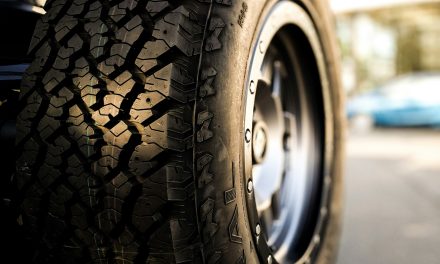
The differences between new and worn tire tread patterns are stark and have significant implications for performance and safety. New tires typically feature deep grooves designed to enhance traction and water dispersion. These grooves allow for optimal contact with the road surface, providing superior grip during acceleration and braking.
In contrast, worn tires exhibit shallower grooves and less defined patterns, which compromise their ability to channel water effectively and maintain traction. As tires wear down, they may also develop uneven patterns that indicate alignment issues or other mechanical problems within the vehicle. Regularly comparing tire tread patterns can help drivers identify when replacement is necessary and ensure that their vehicles remain safe on the road.
When to Replace Tires for Optimal Fuel Efficiency
Tire condition directly impacts fuel efficiency; worn tires can lead to increased rolling resistance, causing engines to work harder and consume more fuel. Studies have shown that maintaining proper tire pressure and replacing worn tires can improve fuel efficiency by up to 3%. Therefore, monitoring tire health not only enhances safety but also contributes to cost savings at the pump.
Replacing tires before they reach critical wear levels ensures that vehicles operate efficiently and economically. Drivers should consider investing in fuel-efficient tires designed specifically for low rolling resistance if they frequently drive long distances or commute regularly.
Regular Tire Maintenance Tips to Extend Tread Life
To maximize tire lifespan and performance, regular maintenance is essential. Here are several key tips:
1. **Regular Inspections**: Conduct visual inspections monthly for signs of wear or damage.
2. **Proper Inflation**: Maintain recommended tire pressure; check at least once a month.
3. **Rotation**: Rotate tires every 5,000 to 7,500 miles to promote even wear.
4. **Alignment**: Ensure proper wheel alignment; misalignment can lead to uneven wear.
5. **Balancing**: Have tires balanced regularly to prevent vibrations and uneven wear.
6. **Avoid Overloading**: Adhere to vehicle load limits; excessive weight can accelerate wear.
7. **Driving Habits**: Adopt smooth driving techniques; avoid aggressive acceleration and braking.
By implementing these maintenance practices, drivers can significantly extend the life of their tires while enhancing safety and performance on the road.
In summary, understanding tire tread depth is crucial for ensuring vehicle safety and performance. Regular monitoring of tread depth not only complies with legal requirements but also enhances driving safety under various conditions. Utilizing appropriate tools for measurement and recognizing signs that indicate tire replacement beyond mere tread wear are essential practices for responsible vehicle ownership. By adopting good driving habits and implementing regular maintenance routines, drivers can maximize tire lifespan while optimizing fuel efficiency and overall vehicle performance.
FAQs
What is the minimum tread depth for safe tire performance?
The minimum tread depth for safe tire performance is typically 2/32 of an inch. At this depth, tires may not provide adequate traction, especially in wet conditions, increasing the risk of hydroplaning and accidents.
How can I measure the tread depth of my tires?
You can measure the tread depth using a tread depth gauge, which is a simple tool that provides an accurate reading. Alternatively, you can use the penny test: insert a penny into the tread with Lincoln’s head facing down; if you can see the top of his head, it’s time to replace your tires.
How often should I check my tire tread depth?
It is recommended to check your tire tread depth at least once a month and before long trips. Regular inspections can help ensure that your tires are safe and performing optimally.
What are the signs that my tires need to be replaced besides tread depth?
In addition to tread depth, signs that your tires may need to be replaced include visible cracks or bulges in the sidewalls, uneven wear patterns, vibrations while driving, and a decrease in traction or handling performance.
Can I rotate my tires to extend their lifespan?
Yes, regularly rotating your tires can help extend their lifespan by promoting even wear. It is generally recommended to rotate your tires every 5,000 to 7,500 miles, but you should consult your vehicle’s owner manual for specific recommendations.