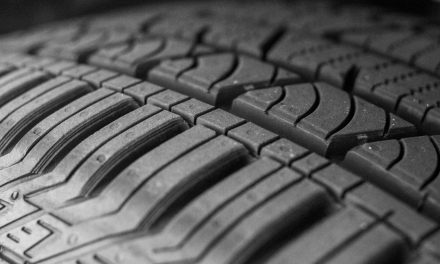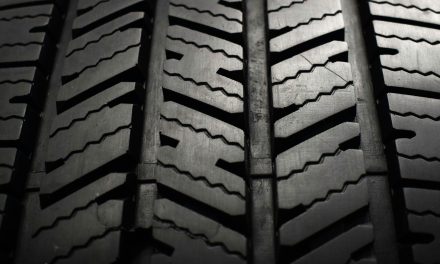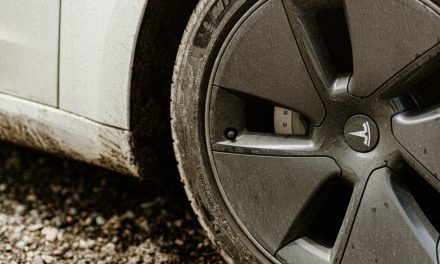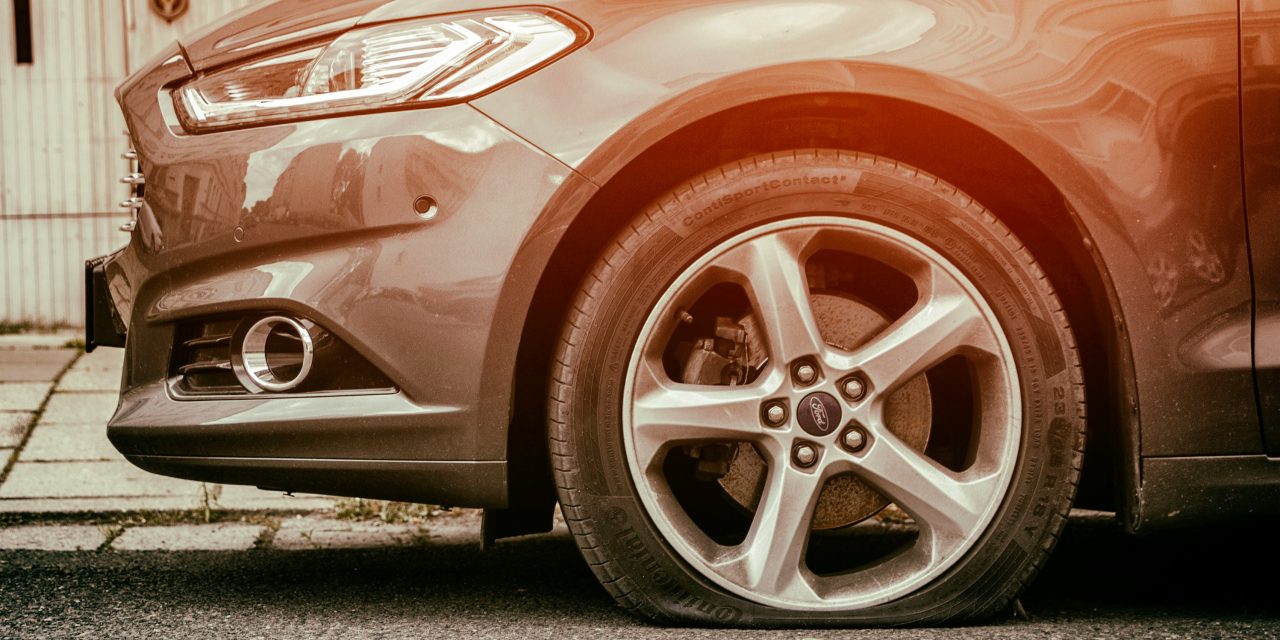
Uneven front tire wear is a prevalent issue that can significantly impact vehicle performance, safety, and longevity. This phenomenon occurs when the tread on the front tires wears down at different rates, leading to compromised traction, handling, and overall driving experience. Understanding the underlying causes of uneven tire wear is crucial for vehicle owners, as it can help prevent further damage and ensure optimal performance. The front tires are particularly susceptible to uneven wear due to their role in steering and weight distribution during driving maneuvers.
The implications of uneven tire wear extend beyond mere aesthetics; they can lead to increased fuel consumption, reduced safety, and costly replacements. Identifying the root causes of this issue is essential for effective prevention and treatment. By addressing factors such as wheel alignment, tire pressure, and driving habits, vehicle owners can mitigate the risks associated with uneven tire wear and enhance their vehicle’s overall performance.
Uneven tire wear on front tires can be a significant issue for vehicle owners, often leading to decreased performance and safety concerns. Factors such as misalignment, improper inflation, and worn suspension components can contribute to this problem. For further insights into maintaining your vehicle and understanding related costs, you might find this article on dog boarding and training expenses interesting, as it highlights the importance of budgeting for various pet care needs while also emphasizing the significance of regular vehicle maintenance. You can read more about it here: Top 10 Dog Boarding & Training Costs You Need to Know in 2024.
Improper Wheel Alignment
One of the primary contributors to uneven front tire wear is improper wheel alignment. Wheel alignment refers to the adjustment of the angles of the wheels so that they are perpendicular to the ground and parallel to each other. When alignment is off, it can cause tires to wear unevenly, leading to premature replacement and compromised safety. Misalignment can occur due to various factors, including hitting potholes, curbs, or other road hazards.
Symptoms of misalignment often manifest as uneven tread wear patterns, steering wheel vibration, or the vehicle pulling to one side while driving. Regular alignment checks are essential for maintaining optimal tire performance and extending tire life. Most manufacturers recommend having wheel alignment checked every 6,000 miles or whenever new tires are installed. If misalignment is detected, a professional technician can perform a four-wheel alignment to restore proper angles and ensure even tire wear.
Incorrect Tire Pressure

Tire pressure plays a pivotal role in determining how evenly tires wear over time. Both under-inflation and over-inflation can lead to uneven wear patterns. Under-inflated tires tend to wear more on the outer edges, while over-inflated tires may exhibit excessive wear in the center of the tread. Maintaining the correct tire pressure is crucial for optimal contact with the road surface, which directly affects handling, fuel efficiency, and safety.
To prevent issues related to incorrect tire pressure, vehicle owners should regularly check their tire pressure using a reliable gauge. The recommended pressure levels can typically be found on a sticker located on the driver’s side door jamb or in the owner’s manual. It is advisable to check tire pressure at least once a month and before long trips. Additionally, fluctuations in temperature can affect tire pressure; thus, adjustments may be necessary during seasonal changes.
Worn Suspension Components

Worn suspension components can also contribute significantly to uneven front tire wear. The suspension system is responsible for absorbing shocks from the road and maintaining tire contact with the surface. Components such as struts, shocks, control arms, and bushings can wear out over time due to regular use or exposure to harsh driving conditions. When these components fail, they can alter the vehicle’s alignment and weight distribution, leading to uneven tire wear.
Signs of worn suspension components may include a bumpy ride, excessive body roll during turns, or uneven tire wear patterns. Regular inspections of the suspension system are essential for identifying potential issues before they escalate. If worn components are detected, timely replacement is crucial for restoring proper handling and preventing further tire damage.
Uneven tire wear on front tires can often be attributed to several factors, including improper alignment, tire pressure issues, and even driving habits. For a deeper understanding of how these elements contribute to tire wear, you might find it helpful to read a related article that discusses common maintenance tips for vehicles. By ensuring your tires are properly aligned and inflated, you can extend their lifespan and improve your vehicle’s performance. To explore more about effective vehicle maintenance, check out this insightful piece on growing healthy tomatoes, which, while focused on gardening, shares valuable tips on nurturing and maintaining your investments.
Faulty Wheel Bearings
Faulty wheel bearings can also lead to uneven front tire wear by affecting wheel rotation and alignment. Wheel bearings are critical components that allow wheels to rotate smoothly while supporting the vehicle’s weight. When bearings become worn or damaged, they can cause excessive play in the wheel assembly, leading to misalignment and uneven tire wear.
Symptoms of faulty wheel bearings may include grinding noises while driving, vibrations in the steering wheel, or uneven tire wear patterns. If these signs are present, it is essential to have the wheel bearings inspected by a qualified technician. Replacement of worn bearings is necessary to restore proper wheel function and prevent further damage to tires and suspension components.
Uneven tire wear on front tires can be a frustrating issue for many drivers, often caused by factors such as improper alignment, tire pressure discrepancies, or even worn suspension components. Understanding these causes is essential for maintaining vehicle safety and performance. For a deeper insight into vehicle maintenance, you might find this article on caring for your tires particularly helpful, as it discusses various tips to prolong tire life and ensure a smoother ride.
Unbalanced Tires
Tire imbalance is another factor that can contribute to uneven front tire wear. When tires are not balanced correctly, it can lead to vibrations during driving that cause uneven tread wear over time. Tire balancing involves adjusting the weight distribution around the tire and wheel assembly to ensure smooth rotation.
Signs of unbalanced tires include vibrations felt through the steering wheel or seat while driving at certain speeds. Regular balancing should be performed whenever new tires are installed or if a tire has been repaired. A professional technician can use specialized equipment to balance tires accurately, ensuring even wear and improved ride quality.
Driving Habits and Their Impact
Driving habits play a significant role in determining how evenly tires wear over time. Aggressive driving behaviors such as rapid acceleration, hard braking, and sharp cornering can lead to increased stress on tires and contribute to uneven wear patterns. Additionally, frequent short trips may not allow tires to reach optimal operating temperature, leading to premature wear.
To promote even tire wear, drivers should adopt smoother driving techniques that minimize abrupt changes in speed and direction. Maintaining a consistent speed on highways and avoiding sudden stops can help extend tire life. Furthermore, being mindful of road conditions and adjusting driving behavior accordingly can also mitigate the risk of uneven wear.
Overloading the Vehicle
Overloading a vehicle beyond its recommended weight capacity can have detrimental effects on tire wear. Excess weight places additional stress on tires, leading to increased heat generation and accelerated tread wear. This is particularly concerning for front tires, which bear a significant portion of the vehicle’s weight during braking and cornering.
To prevent issues related to overloading, vehicle owners should familiarize themselves with their vehicle’s load capacity as specified in the owner’s manual or on a label inside the driver’s door jamb. Regularly checking cargo weight before embarking on trips can help ensure that the vehicle remains within safe limits and that tires experience even wear.
Damaged or Bent Rims
Damaged or bent rims can also contribute to uneven front tire wear by affecting how tires make contact with the road surface. Rims may become bent due to impacts from potholes or curbs, leading to misalignment and uneven tread wear patterns. Additionally, damaged rims may cause air leaks that result in incorrect tire pressure.
Signs of rim damage may include visible bends or cracks on the rim surface or vibrations while driving. If rim damage is suspected, it is crucial to have them inspected by a professional technician who can assess their condition and recommend repairs or replacements as necessary.
Tire Quality and Manufacturing Defects
The quality of tires plays a significant role in their longevity and performance. Inferior-quality tires may be more prone to uneven wear due to subpar materials or manufacturing defects. It is essential for vehicle owners to invest in high-quality tires from reputable manufacturers that adhere to industry standards.
When purchasing new tires, consumers should consider factors such as tread design, rubber composition, and warranty coverage. Additionally, regular inspections for signs of defects such as bulges or cracks can help identify potential issues early on. If manufacturing defects are suspected, contacting the manufacturer for warranty claims may be necessary.
Importance of Regular Tire Maintenance and Inspection
Regular tire maintenance and inspection are paramount for ensuring even tire wear and prolonging tire life. Vehicle owners should establish a routine that includes checking tire pressure monthly, rotating tires every 5,000 to 7,500 miles, and having alignment checked regularly. These practices help distribute tread wear evenly across all tires and maintain optimal performance.
In addition to routine maintenance, professional inspections should be conducted at least twice a year or whenever noticeable issues arise. Technicians can assess tread depth, inspect for damage or irregularities, and provide recommendations for necessary repairs or replacements. By prioritizing regular maintenance and inspections, vehicle owners can significantly reduce the risk of uneven front tire wear and enhance overall safety on the road.
In summary, uneven front tire wear is a multifaceted issue influenced by various factors including improper wheel alignment, incorrect tire pressure, worn suspension components, faulty wheel bearings, unbalanced tires, driving habits, overloading vehicles, damaged rims, and tire quality. Addressing these issues through regular maintenance and inspections is crucial for promoting even tire wear and ensuring optimal vehicle performance. By adopting proactive measures such as monitoring driving habits and adhering to manufacturer recommendations for load capacity and maintenance schedules, vehicle owners can mitigate risks associated with uneven tire wear effectively.
FAQs
What are the common causes of uneven tire wear on front tires?
Common causes of uneven tire wear on front tires include improper wheel alignment, unbalanced tires, worn suspension components, incorrect tire pressure, and driving habits such as aggressive cornering or hard braking.
How does improper wheel alignment affect tire wear?
Improper wheel alignment can cause the tires to make uneven contact with the road surface, leading to excessive wear on one side of the tire. This misalignment can result from hitting potholes, curbs, or general wear and tear over time.
Can tire pressure influence uneven tire wear?
Yes, incorrect tire pressure can significantly influence uneven tire wear. Overinflated tires can wear more in the center, while underinflated tires can wear on the edges. Maintaining the recommended tire pressure is crucial for even wear.
How do driving habits contribute to uneven tire wear?
Aggressive driving habits, such as rapid acceleration, hard braking, and sharp turns, can lead to uneven tire wear. These actions put additional stress on the tires, causing them to wear out more quickly and unevenly.
What role do suspension components play in tire wear?
Worn or damaged suspension components, such as shocks, struts, and bushings, can affect how the tires make contact with the road. If the suspension is not functioning properly, it can lead to uneven tire wear due to improper weight distribution and handling.