Wheel alignment refers to the adjustment of a vehicle’s suspension system, which connects the vehicle to its wheels. This process ensures that the wheels are positioned correctly relative to each other and the road. Proper alignment is crucial for optimal vehicle performance, safety, and tire longevity. Misalignment can lead to a host of issues, including uneven tire wear, compromised handling, and decreased fuel efficiency. Understanding the intricacies of wheel alignment is essential for any vehicle owner, as it directly impacts driving experience and overall vehicle health.
The alignment process involves adjusting three primary angles: camber, caster, and toe. Camber refers to the tilt of the wheels when viewed from the front of the vehicle; positive camber means the top of the wheel tilts outward, while negative camber means it tilts inward. Caster is the angle of the steering axis when viewed from the side, influencing steering stability and cornering. Toe describes the direction the tires point relative to the centerline of the vehicle; toe-in means the front of the tires points inward, while toe-out means they point outward. Each of these angles must be meticulously calibrated to ensure optimal performance.
When considering the purchase of new tires, many drivers often wonder if they need an alignment afterward to ensure optimal performance and safety. A related article that delves into this topic can provide valuable insights into the importance of wheel alignment and its impact on tire longevity and vehicle handling. For more information, you can read the article here: Do You Need an Alignment After Getting New Tires?.
The Connection Between New Tires and Vehicle Alignment
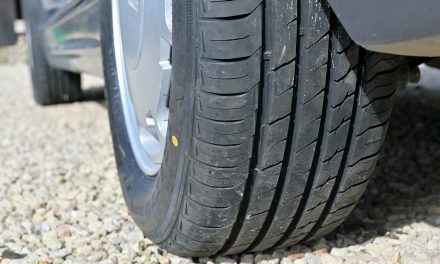
When new tires are installed, it is imperative to consider their relationship with wheel alignment. New tires are designed to provide enhanced traction, improved handling, and increased safety. However, if the vehicle’s alignment is off, these benefits can be significantly diminished. Misalignment can cause new tires to wear unevenly, leading to premature replacement and increased costs. Therefore, ensuring proper alignment during tire installation is not just a recommendation; it is a necessity for maximizing the performance of your investment.
Moreover, new tires often come with specific tread patterns and rubber compounds that are engineered for optimal performance under ideal conditions. If the alignment is incorrect, these features may not function as intended. For instance, tires that are misaligned may experience excessive scrubbing against the road surface, leading to rapid degradation of tread life. Consequently, maintaining proper alignment is essential for preserving the integrity of new tires and ensuring they perform at their best.
Reason 1: Ensuring Even Tire Wear for Longevity

One of the primary reasons for maintaining proper wheel alignment is to ensure even tire wear. When tires are aligned correctly, they make uniform contact with the road surface, distributing weight evenly across the tread. This balanced contact minimizes localized wear patterns that can lead to premature tire degradation. In contrast, misalignment can cause certain areas of the tire tread to wear down faster than others, resulting in a condition known as “cupping” or “scalloping.”
Even tire wear not only extends the lifespan of your tires but also enhances overall driving comfort. Tires that wear evenly provide a smoother ride and reduce vibrations that can be felt in the steering wheel or throughout the vehicle. By investing in regular alignment checks, drivers can significantly prolong tire life and avoid costly replacements.
Reason 2: Maintaining Optimal Handling and Safety

Proper wheel alignment plays a critical role in maintaining optimal handling and safety while driving. When wheels are misaligned, it can lead to unpredictable steering responses and compromised vehicle stability. For instance, a vehicle with misaligned wheels may pull to one side or require constant correction from the driver to maintain a straight path. This not only increases driver fatigue but also poses a significant safety risk, especially at high speeds or during adverse weather conditions.
Furthermore, misalignment can affect braking performance. When tires are not aligned correctly, they may not grip the road effectively during braking maneuvers, increasing stopping distances and reducing overall control. Ensuring that your vehicle’s wheels are properly aligned is essential for maintaining safe driving conditions and enhancing overall vehicle performance.
When you invest in new tires for your vehicle, it’s important to consider whether you need an alignment afterward. Many drivers wonder about the necessity of this step, as proper alignment can significantly impact tire longevity and vehicle handling. For a deeper understanding of tire maintenance and related topics, you might find this article on growing vibrant zinnias from seed quite interesting, as it emphasizes the importance of proper care in achieving the best results. You can read more about it here.
Reason 3: Improving Fuel Efficiency with Proper Alignment
Another significant benefit of proper wheel alignment is improved fuel efficiency. When tires are aligned correctly, they roll more freely and require less energy to maintain motion. Conversely, misaligned wheels create additional friction against the road surface, forcing the engine to work harder and consume more fuel. Studies have shown that improper alignment can reduce fuel efficiency by as much as 10%, leading to increased fuel costs over time.
By investing in regular alignment checks and adjustments, drivers can optimize their vehicle’s fuel economy. This not only saves money at the pump but also contributes to a reduced carbon footprint by lowering overall emissions. In an era where environmental consciousness is paramount, maintaining proper alignment is an effective way to promote sustainability while enjoying cost savings.
Reason 4: Preventing Suspension and Steering Issues
Misalignment can lead to more than just uneven tire wear; it can also contribute to significant suspension and steering issues over time. The suspension system is designed to absorb shocks from road irregularities while maintaining tire contact with the road surface. When wheels are misaligned, it places undue stress on suspension components such as struts, shocks, and control arms. This stress can lead to premature wear and potential failure of these critical components.
Additionally, steering components such as tie rods and steering racks may also suffer from misalignment-related stress. Over time, this can result in costly repairs and diminished driving performance. Regular alignment checks can help identify potential issues before they escalate into major problems, ensuring that both suspension and steering systems remain in optimal condition.
Reason 5: Maximizing the Performance of Your New Tires
New tires are engineered with advanced technology designed to enhance performance characteristics such as grip, handling, and ride comfort. However, these benefits can only be fully realized if the tires are installed on a properly aligned vehicle. Misalignment can negate many of the advantages offered by new tires, leading to subpar performance and diminished safety.
For example, high-performance tires designed for cornering stability may not deliver their intended benefits if they are subjected to uneven wear due to misalignment. Similarly, all-season tires optimized for traction may struggle to perform effectively if they are not aligned correctly. To maximize the performance potential of new tires, it is essential to ensure that wheel alignment is performed during installation.
Signs You Need an Alignment After Installing New Tires
After installing new tires, several signs may indicate that an alignment is necessary. One of the most common indicators is uneven tire wear; if you notice that one side of your tire tread appears more worn than the other, it may be time for an alignment check. Additionally, if your vehicle pulls to one side while driving on a straight road or if you experience a crooked steering wheel when driving straight, these are clear signs of misalignment.
Other symptoms include vibrations felt through the steering wheel or seat while driving at higher speeds or difficulty in steering responsiveness. If you encounter any of these issues shortly after installing new tires, it is advisable to seek professional assistance for an alignment check.
How Often Should You Get an Alignment?
The frequency of alignment checks can vary based on several factors including driving habits, road conditions, and vehicle type. As a general guideline, it is recommended that drivers have their wheel alignment checked every 6,000 miles or at least once a year. However, if you frequently drive on rough roads or encounter potholes regularly, more frequent checks may be warranted.
Additionally, any time you install new tires or replace suspension components such as shocks or struts, an alignment should be performed to ensure optimal performance and longevity of both tires and suspension systems.
The Alignment Process: What to Expect
The wheel alignment process typically begins with a thorough inspection of your vehicle’s suspension components and tire condition. Technicians will assess camber, caster, and toe angles using specialized equipment such as laser alignment systems or computerized alignment machines. Once measurements are taken, adjustments will be made as necessary to bring all angles within manufacturer specifications.
The entire process usually takes about an hour but may vary depending on the complexity of adjustments needed or any underlying issues discovered during inspection. After completing adjustments, technicians will provide a printout showing before-and-after measurements for transparency.
Final Thoughts: Protecting Your Investment in New Tires
Investing in new tires represents a significant financial commitment for any vehicle owner. To protect this investment and ensure optimal performance throughout their lifespan, regular wheel alignment checks are essential. Proper alignment not only enhances tire longevity but also improves handling, safety, fuel efficiency, and overall driving experience.
By understanding the importance of wheel alignment in relation to new tires and recognizing signs that indicate misalignment issues, drivers can take proactive steps toward maintaining their vehicles’ health. Regular maintenance practices such as timely alignments will ultimately lead to safer driving conditions and greater satisfaction with your investment in new tires.
In summary, wheel alignment is a critical aspect of vehicle maintenance that directly impacts tire longevity, handling safety, fuel efficiency, suspension integrity, and overall performance. By prioritizing regular alignments—especially after installing new tires—drivers can maximize their investment while ensuring a safer driving experience on the road ahead.
FAQs
Do I need an alignment after getting new tires?
It is generally recommended to have an alignment performed after getting new tires. This ensures that the wheels are properly aligned, which can help prevent uneven tire wear and improve handling and fuel efficiency.
What are the signs that I need an alignment?
Signs that you may need an alignment include uneven tire wear, the vehicle pulling to one side while driving, a crooked steering wheel when driving straight, or vibrations in the steering wheel.
How often should I get an alignment?
It is advisable to get an alignment at least once a year or every 12,000 miles, but you should also consider getting one after any significant suspension work, hitting a large pothole, or after installing new tires.
Can I skip the alignment if my old tires were wearing evenly?
Even if your old tires were wearing evenly, it is still a good practice to have an alignment done when installing new tires. This helps ensure that the new tires will wear evenly as well and that your vehicle handles properly.
How much does an alignment typically cost?
The cost of an alignment can vary depending on the location and type of vehicle, but it typically ranges from $50 to $100. Some tire shops may offer free alignments with the purchase of new tires.