Begonias are a diverse genus of flowering plants that belong to the family Begoniaceae, comprising over 1,800 species and numerous hybrids. Their adaptability and aesthetic appeal make them an ideal choice for indoor gardening enthusiasts. With their vibrant foliage and stunning blooms, begonias can enhance any indoor space, providing a splash of color and a touch of nature. These plants thrive in various conditions, making them suitable for both novice and experienced gardeners.
The allure of begonias lies not only in their beauty but also in their relatively low maintenance requirements. They prefer indirect sunlight and moderate humidity, which makes them perfect for indoor environments. Additionally, begonias are known for their air-purifying qualities, contributing to improved indoor air quality. This article will explore various types of begonias, highlighting their unique characteristics and care requirements, ensuring that you can choose the perfect variety for your home.
If you’re looking to enhance your indoor gardening experience, you might find it interesting to explore the benefits of houseplants like begonias. These vibrant plants not only add beauty to your space but also improve air quality and boost your mood. For more insights on how to create a happy environment for your pets while incorporating houseplants, check out this related article on dog daycare benefits at Top 10 Benefits of Using Rover Dog Daycare for Your Pup’s Happiness.
Rex Begonia: Vibrant Colors and Unique Patterns
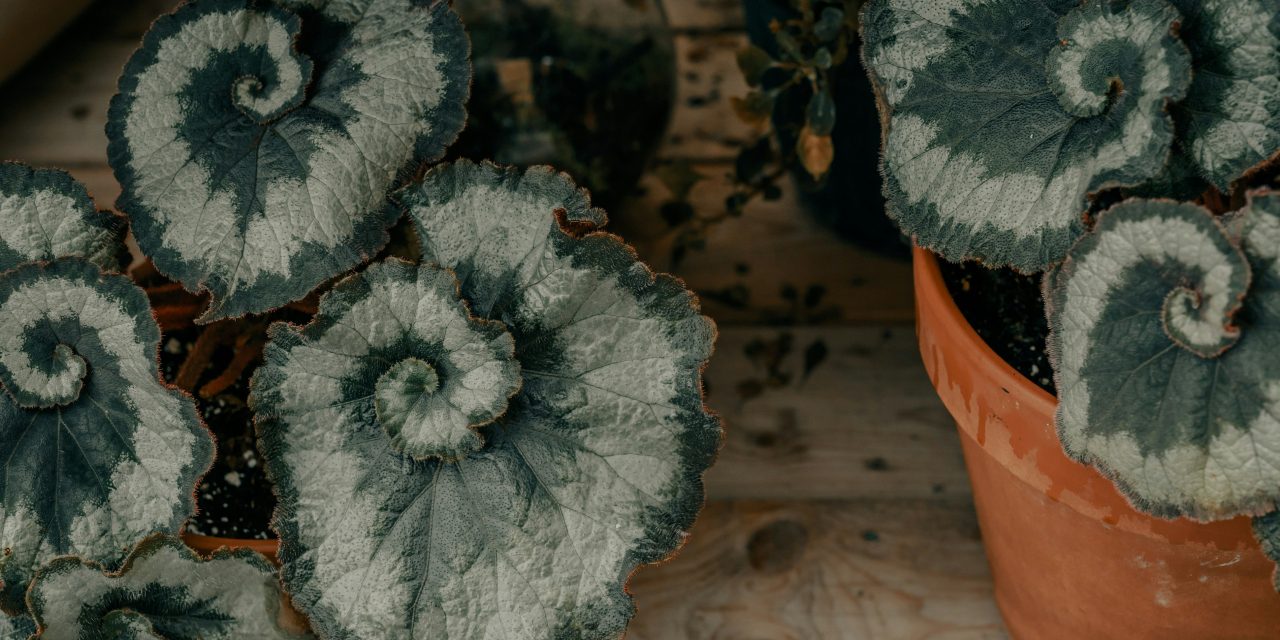
Rex begonias (Begonia rex) are renowned for their striking foliage, which features an array of colors and intricate patterns. The leaves often display shades of green, silver, purple, and red, creating a visually stunning contrast that can brighten any room. These plants are native to tropical regions of Asia and thrive in warm, humid environments. Their unique leaf shapes and textures make them a favorite among collectors and interior decorators alike.
To cultivate Rex begonias successfully, it is essential to provide them with the right conditions. They prefer well-draining soil enriched with organic matter and require indirect light to prevent leaf scorch. Regular watering is crucial; however, overwatering can lead to root rot. Fertilizing every four to six weeks during the growing season will promote healthy growth and vibrant foliage. With proper care, Rex begonias can flourish indoors, adding a touch of elegance to your living space.
Angel Wing Begonia: Elegant Wings for Your Windowsill

Angel Wing begonias (Begonia coccinea) are characterized by their distinctive wing-shaped leaves and delicate clusters of flowers. These plants are native to tropical regions of South America and are known for their ability to thrive in various indoor conditions. The leaves are typically dark green with silver spots, while the flowers bloom in shades of pink or white, creating a beautiful contrast against the foliage.
To ensure the health of Angel Wing begonias, it is vital to provide them with bright, indirect light and maintain consistent moisture in the soil. These plants prefer slightly humid environments, so misting the leaves or placing a humidity tray nearby can be beneficial. Pruning spent flowers will encourage new blooms and promote bushier growth. With their elegant appearance and relatively easy care requirements, Angel Wing begonias make an excellent addition to any indoor garden.
Rhizomatous Begonia: Textured Leaves and Compact Growth

Rhizomatous begonias (Begonia rhizomatosa) are known for their unique growth habit and textured leaves. These plants feature thick, fleshy rhizomes that store nutrients and water, allowing them to thrive in various conditions. The leaves often exhibit interesting shapes and colors, ranging from deep green to burgundy, with some varieties showcasing striking patterns.
When caring for rhizomatous begonias, it is essential to provide well-draining soil and moderate humidity levels. These plants prefer bright, indirect light but can tolerate lower light conditions. Watering should be done when the top inch of soil feels dry to the touch, as overwatering can lead to root rot. Fertilizing every four to six weeks during the growing season will support healthy growth and vibrant foliage. With their compact growth habit and unique appearance, rhizomatous begonias are perfect for small spaces or as part of a mixed indoor garden.
If you’re looking to enhance your indoor gardening experience, you might find it interesting to explore the vibrant world of begonias as houseplants. These stunning plants not only add a splash of color to your home but also come in various varieties that can thrive in different conditions. For those who appreciate the beauty of flowering plants, a related article discusses the top reasons why Miss Huff loves lantana flowers in her garden, which can inspire you to create a diverse indoor plant collection. You can read more about it here.
Tuberous Begonia: Bright Blooms All Year Round
Tuberous begonias (Begonia tuberhybrida) are celebrated for their stunning blooms that come in various colors, including red, pink, yellow, and white. These plants produce large, showy flowers that can last for months, making them a popular choice for indoor displays. Tuberous begonias are native to South America and thrive in warm climates with moderate humidity.
To cultivate tuberous begonias successfully indoors, it is crucial to provide them with well-draining soil and bright, indirect light. Watering should be done carefully; allowing the soil to dry slightly between waterings will help prevent root rot. Fertilizing every two weeks during the growing season will encourage abundant blooms and healthy foliage. With proper care, tuberous begonias can provide vibrant color throughout the year, making them an excellent choice for indoor gardening enthusiasts.
If you’re considering adding a begonia houseplant to your indoor garden, you might find it helpful to explore care tips that can help you maintain its vibrant foliage. A related article that offers valuable insights is available at this link, where you can discover how to create a stress-free environment for your plants while you’re away. Understanding the needs of your begonia can ensure it thrives and brings beauty to your home.
Cane Begonia: Tall and Graceful Indoor Accent
Cane begonias (Begonia cane) are known for their tall, upright growth habit and striking foliage. These plants can reach heights of up to three feet or more, making them an impressive addition to any indoor space. The leaves are typically large and glossy, often featuring interesting patterns or variegation that adds visual interest.
To care for cane begonias effectively, it is essential to provide them with bright, indirect light and well-draining soil. Regular watering is crucial; however, it is important to avoid letting the soil become waterlogged. Fertilizing every four to six weeks during the growing season will support healthy growth and vibrant foliage. Pruning can help maintain the desired shape and encourage bushier growth. With their tall stature and elegant appearance, cane begonias serve as stunning focal points in any indoor garden.
Begonia Maculata: The Polka Dot Wonder
Begonia maculata, commonly known as the Polka Dot Begonia, is a striking plant characterized by its unique leaf pattern resembling polka dots. The leaves are dark green with silver spots on the upper surface and a deep red underside, creating a visually captivating contrast. This plant is native to Brazil and thrives in warm, humid environments.
To ensure the health of your Polka Dot Begonia, provide it with bright but indirect light and well-draining soil rich in organic matter. Regular watering is essential; allow the top inch of soil to dry out before watering again to prevent root rot. Fertilizing every four weeks during the growing season will promote healthy growth and vibrant foliage. With its eye-catching appearance and relatively easy care requirements, Begonia maculata is an excellent choice for indoor gardening enthusiasts looking to add a unique touch to their collection.
Begonia Conchifolia: Glossy Leaves with a Tropical Flair
Begonia conchifolia is known for its glossy leaves that resemble shells or conchs, giving it a distinctive tropical flair. This species features thick, fleshy leaves that can vary in color from deep green to bronze hues. Native to Central America, this begonia thrives in warm environments with high humidity levels.
To cultivate Begonia conchifolia successfully indoors, it is essential to provide bright but indirect light and well-draining soil enriched with organic matter. Regular watering is crucial; allow the top inch of soil to dry out before watering again to prevent overwatering issues. Fertilizing every four weeks during the growing season will support healthy growth and vibrant foliage. With its unique leaf shape and glossy appearance, Begonia conchifolia adds a tropical touch to any indoor garden.
Begonia Masoniana: The Iron Cross Begonia’s Bold Look
Begonia masoniana, commonly referred to as the Iron Cross Begonia due to its distinctive leaf pattern resembling an iron cross symbol, is a striking addition to any indoor plant collection. The leaves are thick and textured with dark green coloration accented by lighter green markings that create a bold visual impact.
To care for Iron Cross Begonias effectively, provide them with bright but indirect light and well-draining soil rich in organic matter. Regular watering is essential; allow the top inch of soil to dry out before watering again to prevent root rot. Fertilizing every four weeks during the growing season will promote healthy growth and vibrant foliage. With its unique leaf pattern and bold appearance, Begonia masoniana serves as an eye-catching focal point in any indoor garden.
Begonia ‘Fireworks’: Explosive Color Displays
Begonia ‘Fireworks’ is a hybrid variety known for its explosive color displays that can brighten any indoor space. This plant features vibrant blooms in shades of red, orange, yellow, or pink that create a stunning visual impact when in full bloom. The foliage is equally impressive, often displaying interesting patterns or variegation that adds depth to its appearance.
To cultivate Begonia ‘Fireworks’ successfully indoors, provide it with bright but indirect light and well-draining soil enriched with organic matter. Regular watering is crucial; allow the top inch of soil to dry out before watering again to prevent overwatering issues. Fertilizing every two weeks during the growing season will support abundant blooms and healthy foliage. With its vibrant colors and eye-catching appearance, Begonia ‘Fireworks’ is an excellent choice for those looking to add a burst of color to their indoor garden.
Begonia Rex Cultivars: Diverse Varieties for Every Taste
The Rex begonia family boasts numerous cultivars that cater to various aesthetic preferences among plant enthusiasts. From those with strikingly patterned leaves to those showcasing unique colors or textures, there is a Rex begonia cultivar for everyone’s taste. Some popular cultivars include ‘Escargot,’ known for its spiral-shaped leaves; ‘Silver Jewel,’ featuring silvery foliage; and ‘Black Fang,’ which showcases dark purple leaves with contrasting green edges.
When caring for Rex begonia cultivars indoors, it is essential to provide bright but indirect light and well-draining soil rich in organic matter. Regular watering is crucial; allow the top inch of soil to dry out before watering again to prevent root rot. Fertilizing every four weeks during the growing season will promote healthy growth and vibrant foliage across all cultivars within this diverse family.
Care Tips to Keep Your Begonias Thriving Indoors
To ensure your begonias thrive indoors, consider implementing several key care tips:
1. **Lighting**: Most begonias prefer bright but indirect light; placing them near east or north-facing windows can provide optimal conditions.
2. **Watering**: Allow the top inch of soil to dry out between waterings; overwatering can lead to root rot.
3. **Humidity**: Maintaining moderate humidity levels (around 50-60%) can benefit most begonia varieties; consider using a humidity tray or misting regularly.
4. **Soil**: Use well-draining potting mix enriched with organic matter; this promotes healthy root development.
5. **Fertilization**: Feed your begonias every four weeks during the growing season with a balanced liquid fertilizer diluted according to package instructions.
6. **Pruning**: Regularly prune spent flowers or damaged leaves; this encourages new growth and maintains plant health.
7. **Pest Management**: Monitor for common pests such as aphids or spider mites; treat infestations promptly using insecticidal soap or neem oil.
By following these care tips tailored specifically for begonias, you can create an environment where these beautiful plants flourish indoors.
In summary, begonias offer an array of stunning varieties suitable for indoor gardening enthusiasts seeking vibrant colors and unique textures in their plant collection. From Rex begonias with their intricate patterns to Angel Wing begonias showcasing elegant blooms, each type brings its charm into your home environment while requiring relatively low maintenance care practices tailored specifically for optimal growth indoors.
FAQs
What are the ideal growing conditions for a begonia houseplant?
Begonias thrive in bright, indirect light and prefer temperatures between 60°F to 75°F (15°C to 24°C). They enjoy high humidity levels, so it’s beneficial to keep them in a humid environment or use a humidity tray. Well-draining soil is essential to prevent root rot.
How often should I water my begonia houseplant?
Water your begonia when the top inch of soil feels dry to the touch. Typically, this means watering once a week, but it can vary based on humidity and temperature. Ensure that excess water drains out to avoid soggy soil.
What types of begonias are commonly grown as houseplants?
Common types of begonias grown as houseplants include the Rex begonia, known for its colorful foliage; the Wax begonia, which has waxy leaves and flowers; and the Angel Wing begonia, recognized for its unique leaf shape and patterns.
Are begonias toxic to pets?
Yes, begonias are considered toxic to pets, particularly cats and dogs. Ingestion can lead to symptoms such as drooling, vomiting, and diarrhea. It’s important to keep these plants out of reach of pets to prevent any health issues.
How can I propagate my begonia houseplant?
Begonias can be propagated through leaf cuttings or stem cuttings. For leaf cuttings, cut a healthy leaf and place it in water or soil until roots develop. For stem cuttings, cut a healthy stem and place it in soil, ensuring it stays moist until new growth appears.