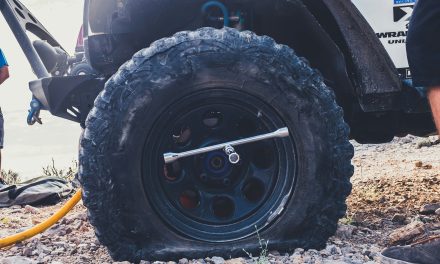
Tire age is a critical factor in vehicle safety and performance, often overlooked by many drivers. The rubber compounds used in tire manufacturing degrade over time, regardless of tread wear. This degradation can lead to catastrophic failures, such as blowouts, which pose significant risks to both the driver and other road users. Understanding the implications of tire age is essential for maintaining optimal vehicle safety and ensuring a smooth driving experience.
The importance of tire age extends beyond mere aesthetics; it encompasses the structural integrity of the tire. As tires age, they lose their elasticity and flexibility, which can compromise their ability to grip the road effectively. This deterioration can lead to decreased traction, especially in adverse weather conditions. Therefore, being aware of your tires’ age is paramount for making informed decisions about maintenance and replacement.
When considering the lifespan of car tires, it’s essential to understand that age plays a significant role in their performance and safety. Many experts recommend replacing tires that are over six years old, regardless of tread wear, due to the degradation of rubber compounds over time. For more information on maintaining your vehicle and ensuring its longevity, you might find this article on how to remove pine sap and sticky tree resin from household surfaces helpful. You can read it here: How to Remove Pine Sap and Sticky Tree Resin.
The Typical Lifespan of Car Tires
The average lifespan of car tires varies based on several factors, including tire type, driving conditions, and maintenance practices. Generally, most tires are designed to last between 40,000 to 60,000 miles. However, this mileage can be significantly affected by driving habits, road conditions, and environmental factors. For instance, tires subjected to frequent stop-and-go traffic or harsh weather conditions may wear out more quickly than those used primarily on highways.
Moreover, tire manufacturers often recommend replacing tires every six years, regardless of tread depth. This recommendation stems from the understanding that rubber compounds deteriorate over time due to exposure to UV rays, ozone, and temperature fluctuations. Therefore, even if the tread appears adequate, the internal structure may be compromised after several years of use.
How to Check the Manufacture Date on Your Tires

To ascertain the age of your tires, you must locate the DOT (Department of Transportation) code imprinted on the sidewall. This code provides essential information about the tire’s manufacturing date. The last four digits of the DOT code indicate the week and year of production. For example, a code ending in “2319” signifies that the tire was manufactured in the 23rd week of 2019.
Understanding how to read this code is crucial for assessing whether your tires are still safe for use. If your tires are older than six years or show signs of deterioration, it is advisable to consider replacement options. Regularly checking the manufacture date can help prevent unexpected tire failures and enhance overall vehicle safety.
Sign 1: Visible Cracks and Dry Rot

One of the most apparent indicators that your tires may need replacement is the presence of visible cracks or dry rot on the sidewalls. These fissures occur due to prolonged exposure to sunlight and environmental elements that degrade rubber compounds over time. When you notice these cracks, it is essential to take immediate action, as they can lead to air leaks or even blowouts while driving.
Dry rot can also compromise the structural integrity of the tire, making it more susceptible to punctures and other forms of damage. Regularly inspecting your tires for signs of cracking or dry rot can help you identify potential issues before they escalate into serious safety hazards.
When considering the lifespan of car tires, many drivers often wonder how old is too old for their tires to remain safe and effective. It’s essential to be aware that tires can degrade over time, even if they appear to have sufficient tread. For a deeper understanding of maintenance and safety in relation to age, you might find this article on washing machines helpful, as it discusses how wear and tear can affect performance in a different context. Check it out here for some insightful tips on keeping your appliances in top shape, which can parallel the importance of maintaining your vehicle’s tires.
Sign 2: Excessive Tread Wear
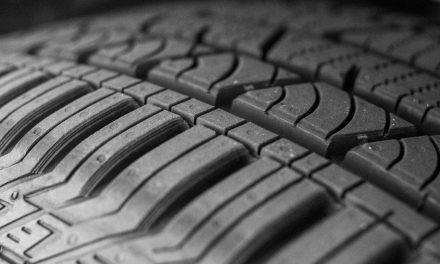
Tread wear is another critical factor in determining tire health. Tires are designed with specific tread patterns that provide traction and grip on various surfaces. Over time, these patterns wear down due to friction with the road. A simple method for checking tread depth is the penny test: insert a penny into the tread with Lincoln’s head facing down. If you can see all of Lincoln’s head, it’s time to replace your tires.
Excessive tread wear not only affects traction but also increases stopping distances, particularly in wet conditions. Tires with worn tread are more prone to hydroplaning, which can lead to loss of control while driving. Regularly monitoring tread depth and replacing tires when necessary is vital for maintaining vehicle safety.
Sign 3: Bulges and Blisters on the Tire Sidewall
Bulges and blisters on a tire’s sidewall are alarming signs that indicate internal damage or structural weakness. These deformities often result from impacts with potholes or curbs, which can cause air pockets to form within the tire’s layers. If left unaddressed, bulges can lead to blowouts while driving at high speeds.
It is crucial to inspect your tires regularly for any signs of bulging or blistering. If you notice these issues, it is advisable to replace the affected tire immediately to ensure your safety on the road. Ignoring these warning signs can have dire consequences.
Sign 4: Frequent Loss of Tire Pressure
If you find yourself frequently needing to inflate your tires, it may indicate an underlying issue that requires attention. Regular loss of tire pressure can stem from punctures, leaks in the valve stem, or deterioration of the tire itself. Maintaining proper tire pressure is essential for optimal performance and fuel efficiency.
Under-inflated tires can lead to increased rolling resistance, resulting in higher fuel consumption and reduced handling capabilities. Additionally, low tire pressure can accelerate tread wear and increase the risk of blowouts. Regularly checking tire pressure and addressing any leaks promptly can help prolong tire life and enhance safety.
Sign 5: Vibrations While Driving
Experiencing vibrations while driving can be indicative of several issues related to your tires or vehicle alignment. If your tires are unbalanced or misaligned, it can lead to uneven wear and vibrations that become noticeable at certain speeds. These vibrations not only compromise comfort but can also signal potential safety hazards.
If you notice persistent vibrations while driving, it is essential to have your tires inspected by a professional mechanic. They can assess whether balancing or alignment adjustments are necessary or if tire replacement is warranted due to excessive wear or damage.
Sign 6: Tires Older Than Six Years Regardless of Appearance
Even if your tires appear visually sound and have adequate tread depth, they should be replaced if they are older than six years. The aging process affects rubber compounds internally, leading to a decline in performance characteristics such as grip and flexibility. Many manufacturers recommend adhering strictly to this guideline for safety reasons.
Regularly checking the manufacture date on your tires can help you stay informed about their age and condition. If your tires exceed this age threshold, it is prudent to consider replacement options regardless of their external appearance.
Sign 7: Exposure to Harsh Conditions or Poor Maintenance
Tires subjected to harsh environmental conditions—such as extreme temperatures, heavy rain, or snow—are more likely to deteriorate faster than those used in milder climates. Additionally, poor maintenance practices such as neglecting regular rotations or failing to align wheels can exacerbate wear and tear on tires.
To mitigate these risks, it is essential to adopt a proactive approach to tire maintenance. Regularly inspect your tires for signs of damage or wear and adhere to recommended maintenance schedules for rotations and alignments. By doing so, you can extend the lifespan of your tires and enhance overall vehicle safety.
When to Replace Your Tires: Safety First Guidelines
Replacing tires should be approached with caution and diligence. Safety should always be the primary concern when determining whether it’s time for new tires. As a general rule of thumb:
1. Replace tires every six years regardless of tread depth.
2. Replace tires showing visible cracks or dry rot.
3. Replace tires with excessive tread wear (less than 2/32 inches).
4. Replace tires exhibiting bulges or blisters.
5. Replace tires that frequently lose pressure.
6. Replace tires older than ten years regardless of appearance.
7. Replace tires exposed to harsh conditions or poor maintenance practices.
By adhering to these guidelines and regularly inspecting your tires for signs of wear or damage, you can ensure a safer driving experience for yourself and others on the road.
In summary, understanding tire age and its implications is crucial for maintaining vehicle safety and performance. Regular inspections for visible damage, tread wear, and adherence to recommended replacement guidelines will help ensure that your tires remain in optimal condition throughout their lifespan. Prioritizing tire maintenance not only enhances safety but also contributes to better fuel efficiency and overall driving comfort.
FAQs
What is the general lifespan of car tires?
The general lifespan of car tires is typically around 6 to 10 years, depending on factors such as tire type, usage, and maintenance. Most manufacturers recommend replacing tires after 6 years, while others suggest a maximum of 10 years regardless of tread wear.
How can I determine the age of my tires?
You can determine the age of your tires by checking the DOT (Department of Transportation) code printed on the sidewall. The last four digits of the code indicate the week and year the tire was manufactured. For example, a code ending in “2319” means the tire was made in the 23rd week of 2019.
What are the signs that my tires are too old?
Signs that your tires may be too old include visible cracks or dry rot on the sidewalls, reduced tread depth, bulges or blisters on the tire surface, and poor handling or traction. If any of these signs are present, it may be time to replace your tires, even if they appear to have tread left.
Can old tires be dangerous even if they have good tread?
Yes, old tires can be dangerous even if they have good tread. As tires age, the rubber compounds can degrade, leading to a higher risk of blowouts, reduced traction, and compromised handling. It’s essential to consider both age and tread condition when assessing tire safety.
What should I do if my tires are older than the recommended age?
If your tires are older than the recommended age, it is advisable to replace them regardless of their appearance or tread depth. Consult with a tire professional to evaluate your options and ensure your vehicle remains safe and roadworthy.