Wheel alignment is a critical aspect of vehicle maintenance that involves adjusting the angles of the wheels to ensure they are perpendicular to the ground and parallel to each other. Proper alignment is essential for optimal vehicle performance, safety, and tire longevity. When wheels are misaligned, it can lead to a host of issues, including uneven tire wear, compromised handling, and decreased fuel efficiency. The alignment process typically involves adjusting the camber, caster, and toe angles of the wheels, which are crucial for maintaining stability and control while driving.
The significance of wheel alignment extends beyond mere comfort; it directly impacts the vehicle’s safety and operational efficiency. Misalignment can cause the vehicle to drift or pull to one side, making it difficult for drivers to maintain control. Additionally, improper alignment can lead to premature tire wear, necessitating costly replacements. Regular checks and adjustments can prevent these issues, ensuring that the vehicle operates smoothly and safely over its lifespan.
When considering how often you should get a wheel alignment, it’s essential to understand the factors that can affect your vehicle’s alignment, such as driving habits and road conditions. For a deeper insight into maintaining your vehicle’s performance, you might find this article on sautéing mushrooms interesting, as it highlights the importance of precision in cooking, much like the precision needed in vehicle maintenance. You can read more about it here: How to Sauté Mushrooms Without Making Them Watery.
Recommended Frequency for Wheel Alignment Checks
The frequency of wheel alignment checks can vary based on several factors, including driving habits, road conditions, and vehicle type. Generally, it is advisable to have a wheel alignment inspection performed every 6,000 to 10,000 miles or at least once a year. However, if you frequently drive on rough terrain or encounter potholes and other road hazards, more frequent checks may be warranted. Additionally, any significant changes in driving behavior or vehicle handling should prompt an immediate alignment assessment.
It is also prudent to have the alignment checked after any major suspension work or following an accident that may have impacted the vehicle’s structural integrity. Regular maintenance not only prolongs the life of tires but also enhances overall vehicle performance. By adhering to a proactive alignment schedule, drivers can mitigate potential issues before they escalate into more significant problems.
Sign 1: Uneven or Rapid Tire Wear

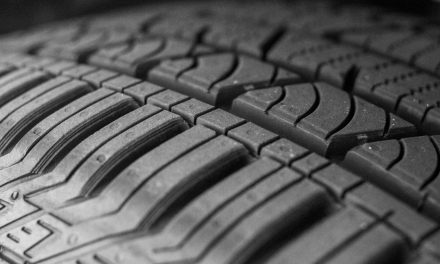
One of the most telling indicators of misalignment is uneven or rapid tire wear. When wheels are not aligned correctly, certain areas of the tire tread may experience excessive friction against the road surface, leading to premature degradation. For instance, if the toe angle is off, the inner or outer edges of the tires may wear down faster than the center tread. This uneven wear pattern can significantly reduce tire lifespan and compromise safety.
To assess tire wear, drivers should regularly inspect their tires for signs of unevenness. A visual inspection can reveal bald spots or excessive wear on one side of the tire compared to the other. If such patterns are observed, it is crucial to seek professional alignment services promptly. Addressing this issue early can save money on tire replacements and enhance overall driving safety.
Sign 2: Vehicle Pulling to One Side

Another prominent sign of misalignment is when a vehicle consistently pulls to one side while driving on a straight road. This phenomenon occurs due to uneven angles in the wheels, causing one side to exert more force than the other. As a result, drivers may find themselves constantly correcting their steering to maintain a straight path, which can lead to fatigue and decreased control over time.
If you notice your vehicle pulling to one side, it is essential to have it inspected by a qualified technician. Ignoring this symptom can lead to further complications, including increased tire wear and potential accidents. A professional alignment service will assess the wheel angles and make necessary adjustments to restore proper handling characteristics.
When considering how often you should get a wheel alignment, it’s important to understand the factors that can affect your vehicle’s performance and safety. Regular maintenance can help prevent uneven tire wear and improve fuel efficiency. For more insights on maintaining your vehicle, you might find this article on planning a fun day out with your furry friend interesting, as it highlights the importance of keeping everything in top shape for a smooth journey. Check it out here for some great tips.
Sign 3: Steering Wheel Off-Center While Driving Straight
A steering wheel that is off-center while driving straight is another clear indication of misalignment. Ideally, when a vehicle is traveling in a straight line, the steering wheel should be perfectly aligned with the vehicle’s direction of travel. If the steering wheel appears tilted or requires constant adjustment to maintain a straight path, it suggests that the wheels are not aligned correctly.
This issue can be particularly concerning as it may affect driver confidence and overall safety. An off-center steering wheel can also lead to increased strain on the steering components over time. If you experience this symptom, it is advisable to consult with an automotive professional who can diagnose and rectify any alignment issues effectively.
Sign 4: Vibrations in the Steering Wheel
Experiencing vibrations in the steering wheel while driving can be indicative of several underlying issues, including misalignment. When wheels are not aligned properly, they may create an imbalance that translates into vibrations felt through the steering system. These vibrations can become more pronounced at higher speeds and may be accompanied by other symptoms such as pulling or drifting.
It is essential to address vibrations promptly as they can lead to further complications if left unchecked. A thorough inspection by a qualified technician will help determine whether misalignment is the root cause or if other factors such as tire balance or suspension issues are contributing to the problem. Timely intervention can enhance driving comfort and safety.
Sign 5: Squealing Tires During Turns
Squealing tires during turns can be another sign of misalignment that should not be overlooked. When wheels are misaligned, they may not track properly during cornering maneuvers, leading to excessive friction between the tires and the road surface. This friction often manifests as a squealing noise when turning, indicating that the tires are struggling to maintain grip.
If you notice this symptom while navigating turns, it is crucial to have your vehicle inspected for alignment issues as well as other potential problems such as worn-out tires or suspension components. Addressing these concerns promptly can prevent further damage and ensure a safer driving experience.
How Driving Habits Affect Wheel Alignment Needs
Driving habits play a significant role in determining how often wheel alignment checks are necessary. Aggressive driving behaviors such as rapid acceleration, hard braking, and sharp cornering can contribute to misalignment over time. Additionally, frequent encounters with potholes or rough terrain can exacerbate alignment issues and necessitate more frequent inspections.
To mitigate these effects, adopting smoother driving habits can help maintain proper wheel alignment for longer periods. Gentle acceleration and braking, along with cautious navigation around obstacles, can reduce stress on suspension components and prolong tire life. By being mindful of driving behaviors, drivers can minimize the need for frequent alignment adjustments.
The Impact of Road Conditions on Alignment Frequency
Road conditions significantly influence wheel alignment frequency requirements. Poorly maintained roads with potholes, debris, and uneven surfaces can lead to increased instances of misalignment. Vehicles that frequently traverse such conditions are at a higher risk of experiencing alignment issues compared to those driven primarily on well-maintained highways.
To counteract these effects, drivers should remain vigilant about their surroundings and adjust their routes when possible to avoid hazardous road conditions. Additionally, regular inspections after encountering rough terrain can help identify any potential alignment problems early on. By being proactive about road conditions and their impact on alignment needs, drivers can enhance their vehicle’s longevity and performance.
Consequences of Ignoring Wheel Alignment Issues
Neglecting wheel alignment issues can have severe consequences for both vehicle performance and safety. One of the most immediate effects is accelerated tire wear, which can lead to costly replacements far sooner than expected. Additionally, misalignment can compromise handling characteristics, making it difficult for drivers to maintain control during critical driving situations.
Furthermore, ignoring alignment problems can result in increased fuel consumption due to inefficient tire contact with the road surface. Over time, this inefficiency can add up significantly in terms of fuel costs. Ultimately, failing to address wheel alignment issues not only jeopardizes safety but also leads to unnecessary expenses related to tire replacements and fuel consumption.
Tips for Maintaining Proper Wheel Alignment Between Services
Maintaining proper wheel alignment between professional services requires proactive measures from drivers. Regularly inspecting tires for signs of uneven wear is crucial; if any irregularities are detected, seeking immediate professional assistance is advisable. Additionally, rotating tires every 5,000 to 7,500 miles helps ensure even wear across all tires.
Another effective strategy is monitoring suspension components for signs of wear or damage. Components such as shocks and struts play a vital role in maintaining proper alignment; therefore, ensuring they are in good condition is essential for overall vehicle performance. Lastly, adopting smooth driving habits can significantly reduce stress on suspension systems and prolong proper alignment.
In summary, understanding wheel alignment is vital for maintaining vehicle safety and performance. Regular checks are recommended based on mileage and driving conditions; signs such as uneven tire wear or pulling indicate potential issues that require attention. By adopting proactive maintenance strategies and being mindful of driving habits and road conditions, drivers can ensure optimal wheel alignment and enhance their overall driving experience.
FAQs
How often should I get a wheel alignment?
It is generally recommended to get a wheel alignment every 6,000 to 10,000 miles, or at least once a year. However, this can vary based on driving habits, road conditions, and vehicle type.
What are the signs that my vehicle needs a wheel alignment?
Common signs that indicate a need for wheel alignment include uneven tire wear, the vehicle pulling to one side while driving, a crooked steering wheel when driving straight, and vibrations in the steering wheel.
Can I perform a wheel alignment myself?
While some basic checks can be done at home, a proper wheel alignment requires specialized equipment and expertise. It is best to have a professional perform the alignment to ensure accuracy and safety.
Does getting a wheel alignment improve fuel efficiency?
Yes, proper wheel alignment can improve fuel efficiency. Misaligned wheels can cause increased rolling resistance, leading to higher fuel consumption. Keeping your wheels aligned helps optimize fuel economy.
How much does a wheel alignment typically cost?
The cost of a wheel alignment can vary widely depending on the vehicle and location, but it typically ranges from $50 to $100. Some auto shops may offer discounts or package deals that include alignment with other services.