Tire wear patterns are critical indicators of a vehicle’s overall health and performance. They provide insights into various mechanical issues, driving habits, and environmental factors that may affect tire longevity. Understanding these patterns is essential for vehicle owners, as they can help diagnose problems before they escalate into costly repairs. Common tire wear patterns include uneven wear, cupping, and bald spots, each of which can signify different underlying issues.
Uneven tire wear often manifests as excessive wear on one side of the tire compared to the other. This condition can arise from misalignment, improper inflation, or suspension problems. Cupping, characterized by a wavy or scalloped appearance on the tread surface, typically results from worn-out suspension components or improper balancing. Bald spots indicate severe wear and can lead to dangerous blowouts if not addressed promptly. Recognizing these patterns allows drivers to take proactive measures to maintain their tires and ensure safe driving conditions.
If you’re noticing that the center of your tire is wearing out more quickly than the edges, it could be a sign of over-inflation or improper alignment. Understanding the causes of tire wear is crucial for maintaining your vehicle’s performance and safety. For more insights on how to care for your vehicle and ensure it runs smoothly, you might find this article on puppy training and daycare tips interesting, as it highlights the importance of proper care and attention in different contexts. Check it out here: Puppy Training Daycare Tips.
The Role of Over-Inflation in Center Tire Wear
Over-inflation is a prevalent issue that significantly contributes to center tire wear. When tires are inflated beyond the manufacturer’s recommended pressure, the center of the tread bears the brunt of the vehicle’s weight. This leads to accelerated wear in that specific area, resulting in a reduced lifespan for the tire. Over-inflated tires also compromise traction and handling, increasing the risk of accidents.
Moreover, over-inflation can adversely affect ride comfort. The increased pressure reduces the tire’s ability to absorb road imperfections, leading to a harsher driving experience. To mitigate these risks, it is crucial for vehicle owners to regularly check tire pressure using a reliable gauge and adjust it according to the specifications outlined in the owner’s manual. Maintaining proper inflation not only extends tire life but also enhances overall vehicle performance.
How Incorrect Tire Pressure Affects Tire Longevity

Incorrect tire pressure—whether too high or too low—has a profound impact on tire longevity. Under-inflated tires create excessive rolling resistance, causing them to flex more than intended. This increased flexing generates heat, which can lead to premature wear and even catastrophic failure. In fact, studies have shown that tires can lose up to 1% of their lifespan for every 1 PSI drop in pressure below the recommended level.
Conversely, over-inflated tires experience uneven wear patterns, primarily in the center of the tread. This not only shortens their lifespan but also compromises safety by reducing traction and increasing stopping distances. Regularly monitoring tire pressure is essential for maximizing tire longevity and ensuring optimal performance. Utilizing a digital tire pressure gauge can provide accurate readings and help maintain the ideal pressure for each tire.
Impact of Driving Habits on Tire Center Wear

Driving habits play a pivotal role in determining tire wear patterns, particularly center wear. Aggressive driving behaviors such as rapid acceleration, hard braking, and sharp cornering can lead to uneven wear across the tread surface. These actions generate excessive heat and stress on the tires, resulting in accelerated degradation of the rubber compounds.
Additionally, frequent highway driving at high speeds can exacerbate center tire wear due to increased centrifugal forces acting on the tires. To mitigate these effects, adopting smoother driving techniques can significantly extend tire life. Gradual acceleration and deceleration, along with maintaining a steady speed during highway travel, can help distribute wear more evenly across the tread surface.
If you’ve noticed that the center of your tire is wearing out more quickly than the edges, it could be a sign of over-inflation or improper alignment. These issues can lead to uneven tire wear, which not only affects your vehicle’s performance but also poses safety risks. For a deeper understanding of how various factors can impact the longevity of your tires, you might find this related article on tire maintenance helpful. It discusses common causes of tire wear and offers tips for ensuring your tires last longer. You can read more about it here.
The Influence of Vehicle Load on Tire Wear
The load carried by a vehicle has a direct correlation with tire wear patterns. Overloading a vehicle beyond its specified weight limit places excessive stress on the tires, leading to increased wear and potential blowouts. Each tire is designed to support a specific load capacity; exceeding this limit can result in uneven wear and compromised safety.
Properly distributing weight within the vehicle is equally important. Uneven weight distribution can cause certain tires to bear more load than others, leading to accelerated wear on those specific tires. Vehicle owners should familiarize themselves with their vehicle’s load capacity and ensure that they do not exceed it during travel. Regularly checking tire condition and adjusting load distribution can help maintain optimal tire performance.
If you’ve noticed that the center of your tire is wearing out more quickly than the edges, it could be a sign of over-inflation or improper alignment. This uneven wear can lead to decreased performance and safety concerns while driving. For a deeper understanding of tire maintenance and care, you might find this article on cleaning and maintaining your vehicle particularly helpful, as it covers various aspects of vehicle upkeep that can contribute to tire longevity.
Effects of Suspension and Alignment Issues
Suspension and alignment issues are significant contributors to uneven tire wear patterns. A misaligned vehicle can cause tires to tilt at an improper angle, leading to excessive wear on one side of the tread. This condition not only shortens tire life but also affects handling and stability while driving.
Worn suspension components such as shocks or struts can exacerbate these issues by failing to properly absorb road shocks and vibrations. As a result, tires may experience uneven contact with the road surface, leading to premature wear. Regular inspections of suspension systems and alignment checks are essential for maintaining optimal tire performance and extending their lifespan.
Importance of Regular Tire Rotation
Regular tire rotation is a crucial maintenance practice that helps ensure even wear across all four tires. Due to differences in weight distribution and driving dynamics, tires on different positions of a vehicle will wear at varying rates. By rotating tires every 5,000 to 8,000 miles or as recommended by the manufacturer, drivers can promote uniform tread wear and extend overall tire life.
Tire rotation involves moving tires from one position to another—typically front to back or side to side—depending on whether the vehicle is front-wheel drive or rear-wheel drive. This practice helps balance out wear patterns and allows for more consistent performance across all tires. Neglecting regular rotations can lead to premature replacement of tires that could otherwise have lasted longer.
How Tire Type and Quality Contribute to Wear
The type and quality of tires significantly influence their wear characteristics and longevity. Tires are designed for specific applications—such as all-season, winter, or performance—and selecting the appropriate type for your driving conditions is essential for optimal performance. High-quality tires often feature advanced rubber compounds and tread designs that enhance durability and resistance to wear.
Conversely, low-quality tires may lack these features, leading to faster degradation under normal driving conditions. Additionally, specialized tires may offer enhanced traction or handling but could also exhibit different wear patterns based on their design characteristics. It is crucial for consumers to invest in reputable brands that prioritize quality and performance when selecting new tires.
Environmental Factors Accelerating Tire Deterioration
Environmental factors play a significant role in accelerating tire deterioration. Exposure to extreme temperatures—both hot and cold—can adversely affect rubber compounds, leading to cracking or hardening over time. UV radiation from sunlight can also degrade tire materials, causing them to lose elasticity and strength.
Road conditions such as potholes, debris, and rough surfaces further contribute to accelerated wear by subjecting tires to additional stressors. To mitigate these effects, vehicle owners should regularly inspect their tires for signs of damage or deterioration and replace them as necessary. Parking in shaded areas or using protective covers can also help shield tires from harmful UV exposure.
Signs Your Tires Are Wearing Out Too Quickly
Recognizing signs of premature tire wear is essential for maintaining safety on the road. Common indicators include uneven tread depth across the surface, visible cracks or bulges in the sidewalls, and excessive vibration while driving. Additionally, if your vehicle pulls to one side while driving straight or if you notice a decrease in traction during wet conditions, these may be signs that your tires are wearing out too quickly.
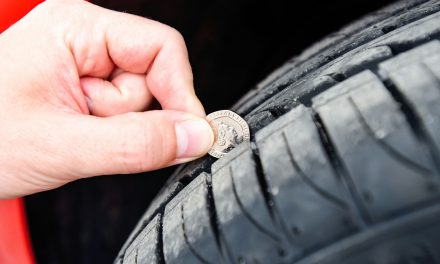
Regularly measuring tread depth using a tread depth gauge can help identify when tires need replacement. A general rule of thumb is that tires should be replaced when tread depth falls below 2/32 of an inch for optimal safety and performance.
Preventative Measures to Extend Tire Life
Implementing preventative measures is key to extending tire life and ensuring safe driving conditions. Regular maintenance practices such as checking tire pressure monthly, performing routine alignments, and rotating tires every 5,000 to 8,000 miles are essential steps in prolonging tire longevity.
Additionally, investing in high-quality tires suited for your driving conditions can significantly impact their lifespan. Avoiding aggressive driving behaviors and adhering to recommended load limits will further contribute to even wear patterns across all four tires. Lastly, keeping an eye on environmental factors—such as parking in shaded areas—can help protect your investment in quality tires.
In summary, understanding tire wear patterns is crucial for maintaining vehicle safety and performance. Factors such as over-inflation, incorrect pressure levels, driving habits, vehicle load, suspension issues, and environmental conditions all contribute significantly to tire longevity. Regular maintenance practices like rotations and inspections are vital for extending tire life while ensuring optimal performance on the road. By being proactive about tire care and addressing any signs of premature wear promptly, drivers can enhance their safety while maximizing their investment in quality tires.
FAQs
What causes the center of a tire to wear out faster than the edges?
The center of a tire wears out faster than the edges primarily due to over-inflation. When a tire is over-inflated, it causes the center of the tread to make more contact with the road, leading to increased wear in that area. Additionally, improper alignment or driving habits, such as aggressive acceleration and braking, can also contribute to uneven wear patterns.
How can I tell if my tire is over-inflated?
You can tell if your tire is over-inflated by checking the tire pressure with a gauge. The recommended pressure is usually found on a sticker inside the driver’s door or in the owner’s manual. If the pressure exceeds this recommendation, the tire may be over-inflated. Additionally, visual signs such as a bulging center tread or uneven wear patterns can indicate over-inflation.
What are the signs of uneven tire wear?
Signs of uneven tire wear include noticeable differences in tread depth across the tire, bald spots, or excessive wear on one side of the tire compared to the other. If the center is worn down significantly while the edges remain intact, it is a clear indication of over-inflation. Regularly inspecting your tires can help identify these issues early.
How can I prevent the center of my tires from wearing out?
To prevent the center of your tires from wearing out, ensure that your tires are inflated to the manufacturer’s recommended pressure. Regularly check tire pressure, especially before long trips. Additionally, have your vehicle’s alignment checked periodically and rotate your tires according to the manufacturer’s recommendations to promote even wear.
When should I replace tires that are wearing out in the center?
You should consider replacing tires that are wearing out in the center when the tread depth reaches 2/32 of an inch or less, as this is the minimum legal limit in many areas. Additionally, if you notice significant uneven wear or if the tire shows signs of damage, such as bulging or cracking, it is advisable to replace the tire sooner to ensure safety while driving.