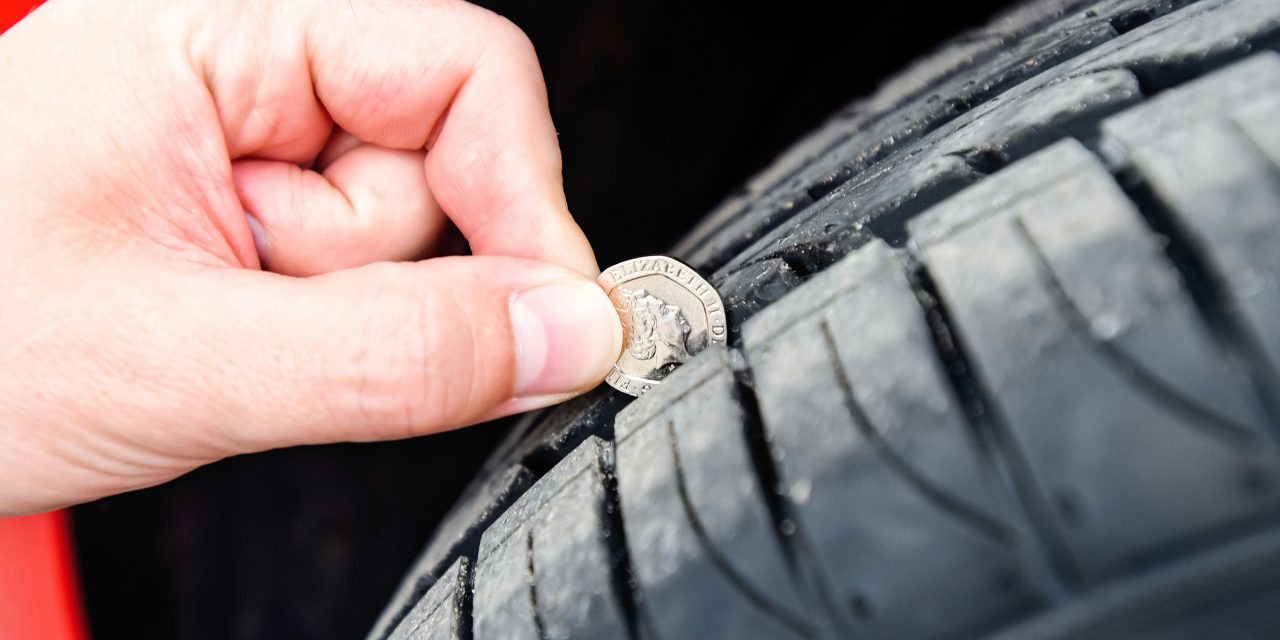
Tire pressure is a critical aspect of vehicle maintenance that directly influences safety, fuel efficiency, and overall driving performance. It refers to the amount of air within a tire, measured in pounds per square inch (PSI). Each vehicle has a recommended tire pressure, which can typically be found on a sticker located on the driver’s side door jamb or in the owner’s manual. Maintaining the correct tire pressure is essential for optimal tire performance, as under-inflated tires can lead to increased wear, reduced fuel efficiency, and compromised handling. Conversely, over-inflated tires can result in a harsher ride and increased risk of blowouts.
Understanding tire pressure also involves recognizing the relationship between pressure and temperature. As tires heat up during driving, the air inside expands, leading to an increase in pressure. This phenomenon underscores the importance of checking tire pressure under consistent conditions to ensure accurate readings. Regular monitoring of tire pressure not only enhances safety but also prolongs the lifespan of tires, ultimately saving money on replacements and improving fuel economy.
The terms “hot” and “cold” tire pressure refer to the state of the tire when the measurement is taken. Cold tire pressure is defined as the pressure measured when the tires have not been driven for at least three hours or have been driven less than a mile at low speeds. This condition allows the tires to cool down to ambient temperature, providing a baseline reading that reflects the true air volume within the tire.
In contrast, hot tire pressure is measured after the tires have been driven for a significant distance, causing them to heat up due to friction and flexing. This increase in temperature results in a rise in air pressure, which can lead to misleading readings if one attempts to adjust tire pressure based on these inflated values. Understanding this distinction is crucial for maintaining optimal tire performance and ensuring safety on the road.
When considering the best practices for maintaining tire pressure, many drivers often wonder whether it should be checked when the tires are hot or cold. A related article that provides valuable insights into the importance of proper tire maintenance can be found at this link: How Long Does Food Last in the Fridge?. While the article primarily discusses food storage, it emphasizes the significance of monitoring conditions, which can also be applied to tire care. Ensuring that tire pressure is checked under the right conditions can lead to improved safety and fuel efficiency.
Why Checking Tire Pressure When Cold Is Recommended
Checking tire pressure when cold is recommended because it provides the most accurate representation of the tire’s inflation level. When tires are cold, they have not yet experienced the heat generated from driving, which can artificially inflate pressure readings. By measuring when the tires are cool, drivers can ensure that they are adhering to the manufacturer’s specifications for optimal performance.
Moreover, cold tire pressure readings help prevent over-inflation, which can lead to reduced traction and increased wear on the center of the tread. Maintaining proper inflation levels contributes to better handling and stability while driving, enhancing overall safety. Therefore, it is advisable to check tire pressure first thing in the morning or after the vehicle has been parked for several hours.
Risks of Measuring Tire Pressure When Tires Are Hot

Measuring tire pressure when tires are hot poses several risks that can compromise vehicle safety and performance. One significant concern is that hot tires can exhibit inflated pressure readings that do not accurately reflect their true state. This discrepancy may lead drivers to mistakenly believe their tires are adequately inflated when they are actually under-inflated once they cool down.
Additionally, over-inflated tires can result in decreased traction, particularly in wet conditions, increasing the likelihood of hydroplaning or loss of control. The risk of blowouts also escalates with excessive pressure, as hot tires are more susceptible to damage from road hazards. Therefore, it is crucial for drivers to avoid checking tire pressure immediately after driving and instead wait until the tires have cooled down.
How Temperature Affects Tire Pressure Readings

Temperature plays a pivotal role in influencing tire pressure readings due to the ideal gas law, which states that gas expands when heated and contracts when cooled. For every 10 degrees Fahrenheit increase in temperature, tire pressure can rise by approximately 1 PSI. This means that fluctuations in ambient temperature can significantly affect tire inflation levels.
For instance, during colder months, drivers may find their tire pressure dropping as temperatures decrease. Conversely, during warmer months or after extended driving periods, tire pressure may rise due to heat buildup. Understanding this relationship allows drivers to anticipate changes in tire pressure and adjust accordingly to maintain optimal inflation levels throughout varying weather conditions.
When considering the best practices for maintaining your vehicle, understanding whether tire pressure should be checked hot or cold is crucial for safety and performance. Many drivers often overlook this aspect, leading to potential issues on the road. For those interested in enhancing their overall knowledge about vehicle maintenance, a related article on dog nutrition tips can provide valuable insights into caring for your furry friends, which is just as important as caring for your car. You can read more about it in this informative piece on dog nutrition tips.
Best Time of Day to Check Tire Pressure
The best time of day to check tire pressure is early in the morning or late in the evening when temperatures are cooler and more stable. During these times, tires are less likely to have been affected by heat from driving or environmental factors such as sunlight. Checking tire pressure during cooler hours ensures that readings reflect cold conditions, providing a more accurate assessment of inflation levels.
Additionally, it is advisable to avoid checking tire pressure during peak heat hours of the day when temperatures are at their highest. This practice helps prevent discrepancies caused by thermal expansion and ensures that drivers maintain proper inflation levels for optimal safety and performance.
Step-by-Step Guide to Checking Tire Pressure Correctly
To check tire pressure accurately, follow these steps:
1. **Gather Necessary Tools**: Ensure you have a reliable tire pressure gauge and access to an air compressor if adjustments are needed.
2. **Wait for Tires to Cool**: Allow your vehicle to sit for at least three hours after driving or check in the morning before starting your day.
3. **Remove Valve Stem Caps**: Unscrew the valve stem caps from each tire carefully and set them aside in a safe place.
4. **Insert Tire Pressure Gauge**: Firmly press the gauge onto the valve stem until you hear a hissing sound; this indicates air escaping momentarily.
5. **Read Pressure Measurement**: Observe the reading on the gauge and compare it with the recommended PSI listed on your vehicle’s door jamb or manual.
6. **Adjust Pressure if Necessary**: If your reading is below or above the recommended level, use an air compressor to inflate or release air until you reach the desired PSI.
7. **Replace Valve Stem Caps**: After adjustments are made, securely replace each valve stem cap to prevent dirt and moisture from entering.
8. **Repeat for All Tires**: Ensure all four tires are checked and adjusted as necessary for consistent performance.
Tools Needed for Accurate Tire Pressure Measurement
To ensure accurate tire pressure measurement, certain tools are essential:
– **Tire Pressure Gauge**: A reliable gauge is crucial for obtaining precise readings; options include digital gauges for ease of use or analog gauges for simplicity.
– **Air Compressor**: An air compressor allows for quick inflation of tires when adjustments are needed; portable models are convenient for on-the-go use.
– **Valve Stem Cap Remover**: While not always necessary, having a tool specifically designed for removing valve caps can make the process smoother.
– **Tire Repair Kit**: In case of punctures or leaks discovered during checks, having a repair kit on hand can facilitate immediate action.
How Often Should You Check Your Tire Pressure?
It is recommended that drivers check their tire pressure at least once a month and before long trips. Regular monitoring helps identify slow leaks or other issues that may arise over time. Additionally, seasonal changes can impact tire pressure; therefore, checking before winter and summer months is particularly important due to temperature fluctuations.
Furthermore, it is advisable to inspect tire pressure after significant changes in temperature or following any incidents that may affect tire integrity, such as hitting a pothole or curb. By maintaining a consistent schedule for checking tire pressure, drivers can enhance safety and prolong tire life.
Common Mistakes to Avoid When Checking Tire Pressure
Several common mistakes can lead to inaccurate tire pressure readings:
– **Checking When Tires Are Hot**: As previously discussed, measuring when tires are warm can yield misleading results; always wait until they cool down.
– **Neglecting Spare Tire**: Many drivers forget to check their spare tire; ensuring it is properly inflated is crucial for emergencies.
– **Using Inaccurate Gauges**: Relying on faulty or outdated gauges can lead to incorrect readings; invest in a quality gauge for reliable measurements.
– **Ignoring Manufacturer Recommendations**: Always adhere to manufacturer specifications rather than relying on general guidelines; each vehicle may have unique requirements.
Benefits of Maintaining Proper Tire Pressure for Safety and Efficiency
Maintaining proper tire pressure offers numerous benefits that enhance both safety and efficiency while driving:
– **Improved Fuel Efficiency**: Properly inflated tires reduce rolling resistance, leading to better fuel economy and lower operating costs.
– **Enhanced Handling and Stability**: Correct inflation levels contribute to improved traction and handling characteristics, particularly during adverse weather conditions.
– **Extended Tire Lifespan**: Consistent monitoring prevents uneven wear patterns that can shorten tire life, ultimately saving money on replacements.
– **Reduced Risk of Accidents**: Properly inflated tires minimize blowout risks and improve overall vehicle control, significantly enhancing driver safety.
In summary, understanding tire pressure basics is essential for vehicle maintenance and safety. Recognizing the differences between hot and cold tire pressures allows drivers to make informed decisions about their vehicle’s performance. Regular checks should be conducted under optimal conditions using appropriate tools while avoiding common mistakes that could compromise accuracy. By maintaining proper tire inflation levels, drivers can enjoy enhanced safety, improved fuel efficiency, and prolonged tire life—ultimately contributing to a safer driving experience overall.
FAQs
Should tire pressure be checked when the tires are cold or hot?
Tire pressure should ideally be checked when the tires are cold. This means checking them before the vehicle has been driven for at least three hours or after driving less than a mile at low speed. Checking when cold provides the most accurate reading, as heat generated from driving can increase tire pressure.
What is the recommended tire pressure for my vehicle?
The recommended tire pressure for your vehicle can typically be found in the owner’s manual or on a sticker located on the driver’s side door jamb. It is important to follow the manufacturer’s specifications for optimal performance and safety.
Why does tire pressure increase when tires are hot?
Tire pressure increases when tires are hot due to the air inside the tire expanding as it heats up from friction and road contact. This can lead to a higher pressure reading if checked immediately after driving, which may not reflect the true cold tire pressure needed for proper inflation.
What are the risks of driving with incorrect tire pressure?
Driving with incorrect tire pressure can lead to several risks, including reduced fuel efficiency, uneven tire wear, compromised handling and stability, and an increased likelihood of tire blowouts. Maintaining the correct tire pressure is crucial for safety and vehicle performance.
How often should I check my tire pressure?
It is recommended to check your tire pressure at least once a month and before long trips. Additionally, tire pressure should be checked whenever there is a significant change in temperature, as fluctuations can affect tire inflation levels.