Selecting an appropriate non-stick pan is paramount for achieving the perfect omelet. The material composition of the pan plays a crucial role in heat distribution and food release. High-quality non-stick pans are typically coated with polytetrafluoroethylene (PTFE) or ceramic, which prevents food from adhering to the surface. When choosing a pan, consider its size; a diameter of 8 to 10 inches is ideal for a single omelet, allowing ample space for the eggs to spread evenly without spilling over the edges.
Moreover, the construction of the pan should be robust, preferably made from aluminum or stainless steel with a non-stick coating. This ensures even heat conduction, which is essential for cooking eggs uniformly. A heavy-bottomed pan will also help prevent hot spots that can lead to uneven cooking or burning. Investing in a high-quality non-stick pan not only enhances your cooking experience but also contributes to healthier meals by requiring less fat for cooking.
If you’re looking to perfect your omelet-making skills without the frustration of sticking, you might find it helpful to read about proper food storage techniques as well. For instance, understanding how long cooked salmon is good in the fridge can enhance your meal prep, ensuring that you have fresh ingredients on hand for your omelets. Check out this informative article on food safety and storage: How Long Is Cooked Salmon Good in the Fridge?.
Use Fresh, High-Quality Eggs
The quality of eggs significantly influences the flavor and texture of your omelet. Fresh eggs, ideally sourced from local farms or organic suppliers, contain higher levels of nutrients and exhibit superior taste compared to older eggs. When selecting eggs, look for those with intact shells and a clean appearance. Fresh eggs will have a firm white and a bright yolk, indicating their quality and freshness.
Incorporating high-quality eggs into your omelet not only enhances its flavor but also contributes to a more appealing visual presentation. The vibrant color of fresh yolks can elevate the dish’s aesthetic, making it more appetizing. Additionally, fresh eggs are less likely to break apart during cooking, allowing for a smoother omelet-making process. Therefore, prioritizing the use of fresh, high-quality eggs is essential for achieving culinary excellence.
Preheat Your Pan Properly

Preheating your non-stick pan is a critical step that should not be overlooked. Proper preheating ensures that the eggs cook evenly and prevents them from sticking to the surface. To preheat effectively, place your pan on medium heat for approximately 2-3 minutes before adding any fat. You can test if the pan is ready by sprinkling a few drops of water onto the surface; if they sizzle and evaporate quickly, the pan is adequately heated.
Once preheated, it is essential to maintain the right temperature throughout the cooking process. If the pan is too hot, it can cause the eggs to cook too quickly on the outside while remaining undercooked on the inside. Conversely, if the heat is too low, the eggs may not set properly, resulting in a rubbery texture. Therefore, mastering the art of preheating your pan is crucial for achieving a perfectly cooked omelet.
Add the Perfect Amount of Butter or Oil

The choice and quantity of fat used in cooking an omelet can significantly impact its flavor and texture. Butter is often preferred for its rich taste and ability to create a beautifully browned exterior. However, olive oil or avocado oil can also be excellent alternatives for those seeking healthier options. The key is to use just enough fat to coat the bottom of the pan without overwhelming the dish.
Typically, one tablespoon of butter or oil is sufficient for an 8-inch pan. Allow the fat to melt completely and coat the surface evenly before adding the whisked eggs. This step not only prevents sticking but also contributes to a luscious mouthfeel and enhances flavor. Additionally, consider infusing your fat with herbs or spices for an extra layer of flavor that complements your omelet’s fillings.
If you’re looking to enhance your cooking skills, mastering the art of making an omelet without sticking is essential. A well-cooked omelet can be a delightful addition to any meal, and using the right techniques can make all the difference. For more tips on creating a perfect omelet, you might find this article on pet grooming interesting as it shares insights on precision and care, which can be applied to cooking as well. Check it out here for some valuable advice.
Whisk Eggs Thoroughly for a Fluffy Texture
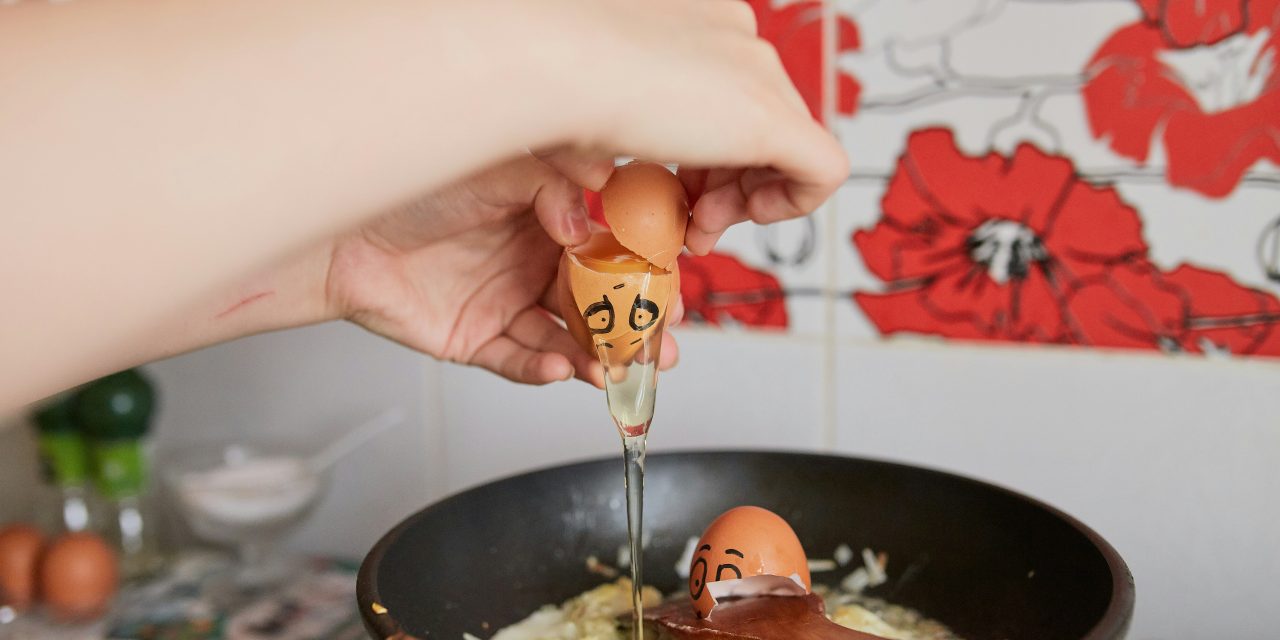
Achieving a fluffy omelet begins with proper whisking techniques. Whisking eggs thoroughly incorporates air into the mixture, resulting in a light and airy texture once cooked. Use a fork or whisk to beat the eggs vigorously until they are fully combined and slightly frothy. This process typically takes about 30 seconds to one minute.
For added creaminess and richness, consider incorporating a splash of milk or cream into your egg mixture. This addition not only enhances flavor but also contributes to a softer texture in the final product. Remember that over-whisking can lead to a rubbery omelet; therefore, aim for just enough aeration without compromising the integrity of the eggs.
Cook on Medium-Low Heat for Even Cooking
Cooking your omelet on medium-low heat is essential for achieving even cooking without burning or overcooking the eggs. High heat can cause the exterior to brown too quickly while leaving the interior undercooked and runny. By maintaining a moderate temperature, you allow the eggs to set gradually, resulting in a tender and fluffy omelet.
Monitor the cooking process closely; as soon as you notice the edges beginning to firm up, gently lift them with a spatula to allow uncooked egg to flow underneath. This technique promotes even cooking throughout the omelet while preventing it from becoming dry or tough. Patience is key; allowing sufficient time for cooking will yield a superior final product.
Use a Silicone or Non-Stick Spatula
Utilizing a silicone or non-stick spatula is crucial when handling your omelet during cooking and folding. These spatulas are designed to glide smoothly across non-stick surfaces without causing scratches or damage to the coating. A flexible spatula allows you to maneuver under the omelet easily, ensuring that it releases effortlessly from the pan.
When it comes time to fold your omelet, use gentle motions to avoid tearing or breaking it apart. A well-folded omelet should maintain its shape while encasing any fillings you choose to include. The right spatula not only enhances your cooking experience but also contributes to achieving an aesthetically pleasing presentation.
Avoid Overcrowding with Fillings
While fillings can elevate your omelet’s flavor profile, it’s essential to avoid overcrowding them within the egg mixture. Overloading an omelet with ingredients can lead to uneven cooking and difficulty in folding. Aim for a balanced approach by limiting fillings to about 1/4 cup per omelet.
Consider using finely chopped vegetables, cheeses, or cooked meats that complement each other without overwhelming the dish’s overall flavor. Pre-cooking certain fillings, such as mushrooms or spinach, can also enhance their taste and texture while reducing moisture content that could otherwise make your omelet soggy.
Fold the Omelet Gently and Precisely
Folding an omelet requires finesse and precision to achieve that classic half-moon shape while retaining its contents securely inside. Once your omelet has set sufficiently on one side, use your spatula to gently lift one edge and fold it over towards the center. The goal is to create a seamless fold without breaking apart any delicate sections.
If you prefer a more traditional presentation, consider flipping one side over completely rather than folding it in half. This technique allows for an elegant display while still keeping all fillings intact. Regardless of your folding method, practice will enhance your skills and lead to consistently impressive results.
Serve Immediately for Best Taste and Texture
Timing is crucial when it comes to serving your omelet. For optimal taste and texture, serve it immediately after cooking while it’s still warm and fluffy. As an omelet sits, it can lose its desirable texture and become rubbery or dry due to residual heat continuing to cook it further.
To enhance presentation, consider garnishing with fresh herbs such as chives or parsley before serving. Pairing your omelet with sides like toast or fresh fruit can create a well-rounded meal that appeals visually and gastronomically.
Clean Your Non-Stick Pan Carefully After Use
Proper maintenance of your non-stick pan is essential for prolonging its lifespan and ensuring optimal performance in future cooking endeavors. After allowing your pan to cool slightly post-cooking, wash it gently with warm soapy water using a soft sponge or cloth—avoid abrasive materials that could scratch or damage the non-stick coating.
For stubborn residues, consider soaking the pan in warm water before cleaning; this will help loosen any stuck-on food particles without harsh scrubbing. Additionally, avoid using metal utensils during cooking as they can compromise the integrity of the non-stick surface over time.
In summary, mastering the art of making an omelet involves several key steps: selecting an appropriate non-stick pan, using fresh eggs, preheating properly, adding just enough fat, whisking thoroughly for fluffiness, cooking on medium-low heat, utilizing suitable spatulas, avoiding overcrowding with fillings, folding gently, serving immediately, and cleaning carefully afterward. By following these guidelines diligently, you can create deliciously fluffy omelets that are both visually appealing and satisfying in taste—perfect for breakfast or any meal of the day!
FAQs
What type of pan is best for making an omelet without sticking?
A non-stick skillet is the best choice for making an omelet without sticking. Look for a high-quality non-stick surface that can withstand high heat. Alternatively, a well-seasoned cast iron skillet can also work effectively if used properly.
How should I prepare the pan before cooking the omelet?
Before cooking, preheat the pan over medium heat and add a small amount of oil or butter. Allow the fat to heat until it shimmers or melts completely, which helps create a barrier between the omelet and the pan, reducing the chances of sticking.
What ingredients can I add to my omelet without affecting its ability to cook evenly?
To maintain an even cooking process, use finely chopped vegetables, pre-cooked meats, and shredded cheese. Avoid adding too much moisture, as this can cause the omelet to become soggy and stick to the pan.
How do I know when to flip or fold the omelet?
When the edges of the omelet start to set and the center is still slightly runny, it’s time to flip or fold. You can gently lift the edges with a spatula to check if it’s releasing from the pan easily before attempting to fold.
What techniques can I use to prevent my omelet from sticking?
In addition to using a non-stick pan and sufficient fat, you can also avoid overcrowding the omelet with fillings and ensure that the heat is not too high. Cooking at a moderate temperature allows the omelet to cook evenly without sticking.