Over easy eggs are a culinary delight that epitomizes the balance between simplicity and sophistication in breakfast fare. This cooking technique involves frying an egg on one side until the white is set, followed by a gentle flip to lightly cook the yolk while maintaining its runny consistency. The result is a dish that offers a delightful contrast between the firm whites and the luscious, golden yolk, making it a favorite among egg enthusiasts. The term “over easy” refers to the method of cooking, where the egg is flipped over with minimal cooking time on the second side, ensuring that the yolk remains soft and intact.
The preparation of over easy eggs requires a delicate touch and an understanding of the cooking process. The ideal over easy egg should have a firm white that holds its shape while the yolk remains runny, allowing it to be enjoyed with toast or incorporated into various dishes. Mastering this technique not only enhances your culinary skills but also elevates your breakfast experience, providing a satisfying meal that can be enjoyed at any time of day.
If you’re looking to perfect your technique for cooking over easy eggs without breaking the yolks, you might find it helpful to explore related culinary tips and tricks. For instance, understanding the costs associated with hiring a dog sitter can provide insights into budgeting for your kitchen essentials, ensuring you have the right tools for cooking. You can read more about this in the article on dog sitter costs at Top 10 Dog Sitter Costs: What to Expect for Pet Care Services. This knowledge can help you allocate resources effectively, allowing you to focus on mastering your egg-cooking skills.
Choosing the Right Eggs for Cooking
Selecting the appropriate eggs is crucial for achieving the perfect over easy eggs. Freshness is paramount; eggs that are recently laid will yield better flavor and texture. When purchasing eggs, look for those with a clean, uncracked shell and check the sell-by date to ensure optimal freshness. Organic and free-range eggs are often preferred due to their superior taste and ethical farming practices. These eggs typically come from hens that are raised in more humane conditions, resulting in richer yolks and a more robust flavor profile.
In addition to freshness, consider the size of the eggs. Large eggs are commonly used in recipes, but medium or extra-large eggs can also be suitable depending on personal preference. The size can affect cooking time and the overall presentation of the dish. Furthermore, pay attention to the color of the eggshell; while it does not impact taste or nutritional value, it can influence aesthetic appeal. White and brown eggs are nutritionally similar, so choose based on your preference or availability.
Using Fresh Eggs for Better Results

Utilizing fresh eggs is essential for achieving optimal results when preparing over easy eggs. Freshness not only enhances flavor but also affects the structural integrity of the egg during cooking. Fresh eggs have firmer whites that hold their shape better, reducing the likelihood of spreading out in the pan. This characteristic is particularly important when flipping the egg, as it helps maintain a cohesive form and prevents breakage.
To test egg freshness at home, perform a simple water test: place the egg in a bowl of water; if it sinks and lays flat on the bottom, it is fresh. If it stands upright or floats, it is no longer fresh and should be discarded. Incorporating fresh eggs into your cooking routine will not only improve your over easy eggs but also enhance other dishes such as omelets, frittatas, and baked goods.
Preparing Your Pan Properly

The choice of pan plays a significant role in achieving perfectly cooked over easy eggs. A non-stick skillet is often recommended for this technique, as it allows for easy flipping without sticking. Before heating the pan, ensure it is clean and dry to prevent any unwanted flavors from affecting your dish. Preheating the pan over medium heat is essential; this ensures even cooking and prevents the egg from sticking.
Once the pan is heated, add a small amount of fat—such as butter or oil—to create a non-stick surface. Butter adds a rich flavor, while oil can provide a higher smoke point for those who prefer a more neutral taste. Allow the fat to melt and coat the bottom of the pan evenly before adding the egg. This preparation step is crucial for achieving that perfect golden-brown exterior while keeping the interior tender.
If you’re looking to master the art of cooking over easy eggs without breaking the yolks, you might find it helpful to explore some tips and techniques that can elevate your breakfast game. For a delightful twist on your morning routine, consider checking out this article on top dog retreat and spa destinations that can inspire you to create a relaxing atmosphere while you cook. With the right approach, you can enjoy perfectly cooked eggs that are both delicious and visually appealing.
Controlling the Heat for Even Cooking
Heat control is vital when cooking over easy eggs to ensure even cooking without burning or undercooking any part of the egg. Start with medium heat; this allows for gradual cooking without causing the whites to become rubbery or the yolk to cook too quickly. If you notice that the edges of the egg are browning too rapidly, reduce the heat slightly to maintain an even temperature throughout.
Monitoring the cooking process closely is essential; watch for signs that indicate when it’s time to flip. The whites should appear set and opaque, while the yolk remains glossy and slightly jiggly. Adjusting heat levels as needed will help you achieve that perfect balance between crispy edges and tender whites.
Cracking the Egg Gently
Cracking an egg may seem like a simple task, but doing so gently can significantly impact your success in preparing over easy eggs. To avoid breaking the yolk, tap the egg against a flat surface rather than an edge, which can create sharp cracks that compromise its integrity. Once cracked, open the shell slowly over your preheated pan, allowing the contents to slide in gently.
If you find yourself with an occasional broken yolk, don’t despair; practice makes perfect! With time and experience, you will develop a technique that minimizes breakage while maximizing your confidence in handling eggs.
Cooking the Egg Whites Before Flipping
Cooking the egg whites thoroughly before flipping is crucial for achieving that desired texture in over easy eggs. As you watch your egg cook, pay attention to how the whites transition from translucent to opaque; this indicates they are setting properly. Allow them to cook undisturbed for about two to three minutes until they are firm around the edges but still soft in the center.
This step is essential because flipping an egg with undercooked whites can lead to an undesirable texture and presentation. Once you observe that the whites are mostly set but still slightly wobbly in the center, it’s time to prepare for flipping.
The Art of Flipping Without Breaking the Yolk
Flipping an egg without breaking its yolk requires both skill and confidence. To achieve this feat successfully, use a spatula that is thin yet sturdy enough to support the weight of the egg without causing damage. Gently slide the spatula underneath one side of the egg, ensuring you have full support before lifting it off the pan.
With a swift yet controlled motion, flip the egg over onto its uncooked side. The goal is to minimize movement during this process; excessive jostling can lead to ruptured yolks or uneven cooking. Practice makes perfect—don’t be discouraged if your first attempts aren’t flawless!
Timing the Flip for Perfect Doneness
Timing is critical when flipping over easy eggs to achieve perfect doneness without compromising texture or flavor. As previously mentioned, wait until the whites are mostly set before attempting to flip; this typically takes about two to three minutes on medium heat. Once flipped, allow the egg to cook for an additional 30 seconds to one minute—just enough time for the yolk to warm slightly while remaining runny.
To gauge doneness accurately, consider using a timer or visual cues such as slight bubbling around the edges or a change in color of the whites. With practice, you will develop an intuitive sense of timing that will elevate your cooking skills.
Using a Spatula Correctly to Support the Egg
Utilizing a spatula effectively is essential for supporting your egg during both cooking and flipping processes. A thin spatula allows for easier maneuverability under delicate foods like eggs without causing breakage. When sliding it beneath your egg, ensure that you have full coverage under its base before lifting.
When flipping, maintain a steady grip on both sides of the spatula to prevent any sudden movements that could disrupt your egg’s structure. A gentle lift followed by a smooth motion will help ensure success every time you prepare over easy eggs.
Serving and Enjoying Your Perfect Over Easy Eggs
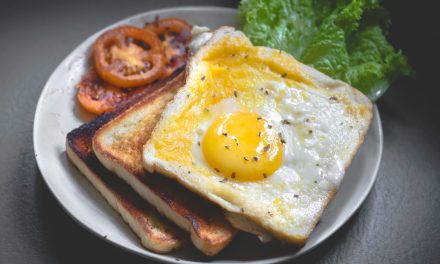
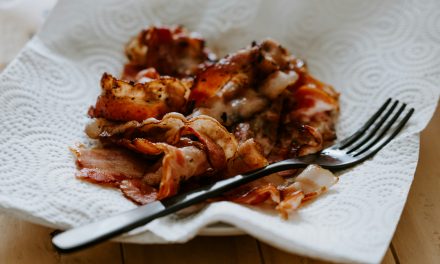
Once you have successfully cooked your over easy eggs, it’s time to serve them up! Presentation matters; consider placing them on a warm plate alongside complementary sides such as crispy bacon or sautéed vegetables for added flavor and nutrition. A sprinkle of salt and pepper enhances taste while fresh herbs like chives or parsley can elevate visual appeal.
Enjoying your perfectly cooked over easy eggs can be an experience in itself—consider pairing them with toasted bread for dipping into that luscious yolk or incorporating them into breakfast sandwiches for added indulgence. The versatility of this dish allows for endless possibilities; experiment with different toppings or accompaniments to discover new favorites!
In summary, mastering over easy eggs involves understanding key techniques such as selecting fresh ingredients, controlling heat levels, and executing precise flipping motions—all while maintaining confidence in your culinary abilities! With practice comes perfection; soon enough you’ll be serving up deliciously runny yolks that impress family and friends alike!
FAQs
What are over easy eggs?
Over easy eggs are fried eggs that are cooked on both sides, with the yolk remaining runny. The cooking technique involves flipping the egg gently to ensure the yolk does not break while achieving a slightly cooked white layer on both sides.
What equipment do I need to cook over easy eggs?
To cook over easy eggs, you will need a non-stick frying pan or skillet, a spatula, and a lid (optional). A non-stick surface helps prevent the eggs from sticking and breaking when you flip them.
How can I prevent the yolks from breaking when flipping the eggs?
To prevent yolks from breaking, use a gentle touch when flipping the eggs. You can also slide the spatula under the egg to lift it slightly before flipping, and consider using a lid to cover the pan, which helps cook the top without needing to flip it too aggressively.
What temperature should I use to cook over easy eggs?
Cooking over easy eggs is best done on medium-low heat. This allows the whites to cook thoroughly without overcooking the yolk, ensuring a tender and runny center.
How long should I cook over easy eggs?
Typically, over easy eggs should be cooked for about 2-3 minutes on one side until the whites are set, then flipped and cooked for an additional 30 seconds to 1 minute on the other side. The exact time may vary based on your stove and pan.