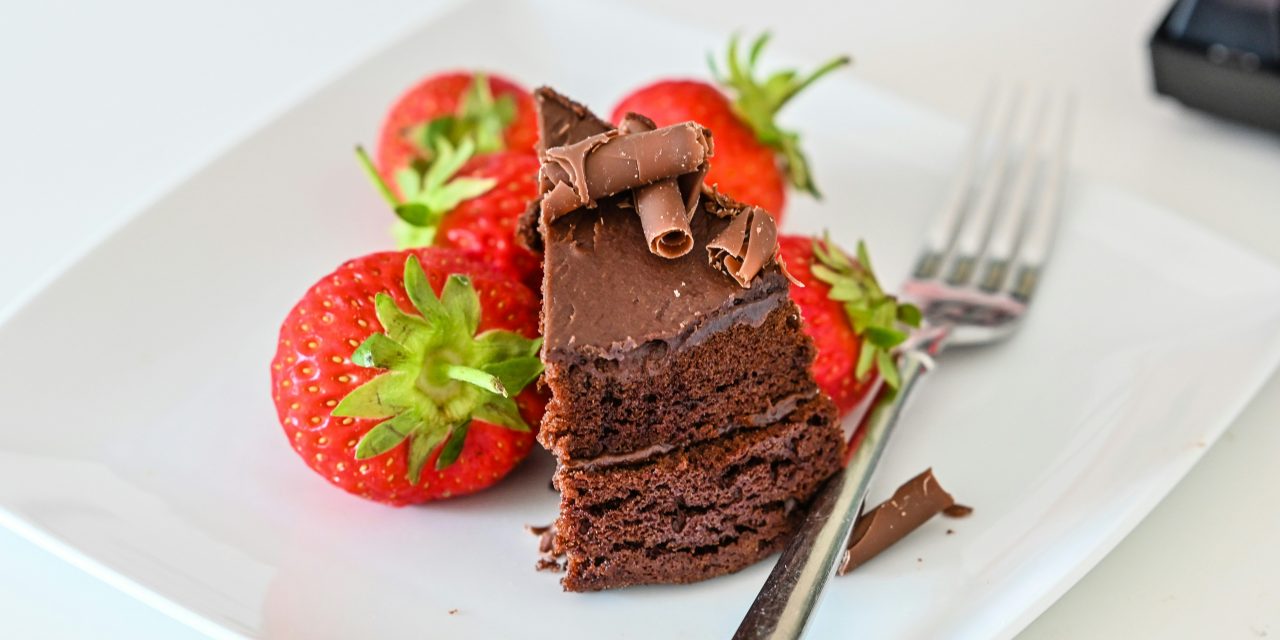
Chocolate ganache is a versatile and luxurious mixture that serves as a foundation for various confections, frostings, and fillings. At its core, ganache consists of two primary ingredients: chocolate and cream. The beauty of ganache lies in its ability to transform from a pourable liquid to a thick, spreadable frosting or even a truffle filling, depending on the ratio of chocolate to cream and the temperature at which it is used. This adaptability makes ganache a staple in both professional patisserie and home baking.
The science behind ganache is rooted in the emulsification process. When heated cream is combined with chocolate, the fat in the chocolate melts and integrates with the liquid cream, creating a smooth and glossy mixture. This emulsion is stable, allowing ganache to maintain its texture and flavor over time. The balance of fat and liquid is crucial; too much cream can lead to a runny consistency, while too little can result in a dry, crumbly texture. Understanding these principles is essential for achieving the perfect ganache.
If you’re looking to elevate your cake decorating skills, mastering chocolate ganache for frosting is a must. This rich and creamy mixture can transform any cake into a decadent dessert. For a detailed guide on how to make chocolate ganache, you can check out this helpful article. Additionally, if you’re interested in learning about different insects, you might find this article on how to tell bees apart from wasps and hornets intriguing: How to Tell Bees Apart from Wasps and Hornets.
Choosing the Right Chocolate for Your Ganache
Selecting the appropriate chocolate is paramount when crafting ganache. The type of chocolate you choose—dark, milk, or white—will significantly influence the flavor profile and texture of your final product. Dark chocolate, with its higher cocoa content, provides a rich and intense flavor that pairs beautifully with desserts requiring a bold taste. Milk chocolate offers a sweeter, creamier profile, making it ideal for those who prefer a milder flavor. White chocolate, while technically not chocolate due to its lack of cocoa solids, can create a luscious ganache that is sweet and buttery.
When choosing chocolate, consider the quality of the product. Opt for couverture chocolate or high-quality brands that contain a higher percentage of cocoa solids and cocoa butter. This ensures a smoother texture and richer flavor. Additionally, pay attention to the percentage of cocoa; for dark chocolate, a range of 60-70% cocoa solids is often recommended for ganache, as it strikes a balance between sweetness and bitterness.
Preparing Your Ingredients: Cream and Chocolate Ratios

The ratio of cream to chocolate is critical in determining the consistency and application of your ganache. A standard ratio for a pourable ganache is typically 1:1 (equal parts chocolate and cream), which works well for glazes or fillings. For a thicker frosting or truffle filling, a 2:1 ratio (two parts chocolate to one part cream) is often preferred. Conversely, if you desire a lighter whipped ganache, you may use a 1:2 ratio (one part chocolate to two parts cream) after whipping.
Before beginning your ganache preparation, ensure that your ingredients are at room temperature. This allows for better emulsification when combining the chocolate and cream. Additionally, using heavy cream with a fat content of at least 36% will yield the best results, as it contributes to the richness and stability of the ganache.
Melting the Chocolate: Techniques for a Smooth Base

Melting chocolate requires careful attention to avoid burning or seizing. There are several techniques to achieve a smooth base for your ganache. The most common method is the double boiler technique, where chocolate is placed in a heatproof bowl set over simmering water. This indirect heat gently melts the chocolate without direct contact with flames or hot surfaces.
Alternatively, you can use the microwave method for convenience. Place chopped chocolate in a microwave-safe bowl and heat in short bursts of 15-30 seconds, stirring in between until fully melted. This method requires vigilance to prevent overheating, as chocolate can quickly go from melted to burnt.
Regardless of the method chosen, ensure that the chocolate is finely chopped before melting. Smaller pieces melt more evenly and quickly, reducing the risk of overheating.
If you’re looking to elevate your cake with a rich and glossy finish, learning how to make chocolate ganache for cake frosting is essential. This versatile topping not only adds a decadent flavor but also enhances the overall presentation of your dessert. For those interested in creative ways to enhance their baking experience, you might find inspiration in a related article that discusses clever tips for organizing your kitchen space efficiently. Check it out here to discover how a well-organized kitchen can streamline your baking process and make it even more enjoyable.
Heating the Cream: Achieving the Perfect Temperature
Heating cream is another crucial step in preparing ganache. The goal is to bring the cream just to a simmer—around 190°F (88°C)—without boiling it. Boiling can cause the cream to separate or develop an undesirable texture when combined with chocolate.
To achieve this temperature, pour your measured cream into a saucepan and heat over medium-low heat. Stir occasionally to prevent scorching on the bottom of the pan. Once small bubbles begin to form around the edges, remove it from heat immediately. This careful heating ensures that when combined with melted chocolate, the emulsion forms smoothly without any graininess.
If you’re looking to elevate your cake decorating skills, mastering chocolate ganache is essential for creating a smooth and glossy frosting. This rich mixture of chocolate and cream can be used not only as a frosting but also as a filling or glaze, making it incredibly versatile. For those interested in further enhancing their culinary repertoire, you might find it helpful to explore related techniques and tips in this insightful article on advanced cooking methods. You can read more about it here.
Combining Chocolate and Cream: The Key to Silky Ganache
Once both components are prepared—melted chocolate and heated cream—the next step is combining them to create that silky ganache texture. Begin by pouring the hot cream over the melted chocolate in a mixing bowl. Allow it to sit undisturbed for about 30 seconds; this resting period allows the heat from the cream to further melt any remaining solid pieces of chocolate.
After resting, use a whisk or spatula to gently stir the mixture from the center outward in circular motions. This technique helps incorporate air into the mixture while ensuring that all chocolate is fully emulsified with the cream. Continue stirring until you achieve a smooth and glossy consistency without any lumps.
Stirring and Cooling: Getting the Ideal Ganache Consistency
Once combined, it’s essential to allow your ganache to cool properly to achieve your desired consistency. If you plan to use it as a glaze or pourable topping, let it cool at room temperature until it thickens slightly but remains pourable—typically around 90°F (32°C). For frosting or filling applications, refrigerate it for about 30 minutes until it reaches a spreadable consistency.
During this cooling phase, avoid stirring too vigorously as this can introduce air bubbles into your ganache, leading to an undesirable texture when applied to cakes or pastries.
Testing the Ganache: When Is It Ready for Frosting?
Determining when your ganache is ready for frosting requires careful observation of its texture. For frosting applications, you want your ganache to be thick enough to hold its shape but still spreadable. A good test is to dip a spatula into the ganache; if it coats the spatula without dripping off too quickly, it’s ready for use.
If your ganache appears too runny after cooling, you can return it to the refrigerator for additional chilling or reheat it gently over a double boiler while stirring until it reaches your desired consistency.
Applying Ganache to Your Cake: Tips for a Flawless Finish
Applying ganache requires precision for an aesthetically pleasing finish on cakes or pastries. Start by ensuring that your cake layers are completely cooled; warm layers can cause the ganache to melt and slide off. Place your cake on a wire rack over a baking sheet to catch any drips during application.
Using an offset spatula or bench scraper, pour or spread the ganache evenly over the top of your cake first, allowing it to drip down the sides naturally. For an even finish, use gentle strokes to smooth out any excess ganache on top before allowing it to set at room temperature or in the refrigerator.
Storing Ganache: How to Keep It Fresh and Spreadable
Proper storage of ganache is essential for maintaining its quality over time. If you have leftover ganache, store it in an airtight container at room temperature if you plan to use it within a few days; otherwise, refrigerate it for longer storage.
When refrigerating ganache, allow it to come back to room temperature before using it again; this will restore its spreadability. If it appears too thick after refrigeration, gently reheat it using a double boiler until it softens but does not become too hot.
Troubleshooting Common Ganache Problems and Solutions
Despite careful preparation, issues may arise during ganache creation. One common problem is graininess caused by improperly melted chocolate or seizing due to moisture exposure. To remedy this, ensure that all utensils are completely dry before use and consider adding a small amount of warm cream while stirring vigorously if graininess occurs.
Another issue could be separation between chocolate and cream; this often results from overheating either component during preparation. If separation occurs, try re-emulsifying by adding warm cream gradually while whisking vigorously until smooth again.
In conclusion, mastering chocolate ganache involves understanding its fundamental components and techniques—from selecting quality ingredients to perfecting ratios and temperatures. With practice and attention to detail, anyone can create deliciously smooth ganache suitable for various applications in baking and confectionery arts.
FAQs
What ingredients are needed to make chocolate ganache for cake frosting?
To make chocolate ganache for cake frosting, you will need two main ingredients: chocolate (either dark, milk, or white chocolate) and heavy cream. The typical ratio is 1 part chocolate to 1 part cream, but you can adjust this based on the desired thickness and consistency.
How do you prepare chocolate ganache?
To prepare chocolate ganache, start by chopping the chocolate into small pieces and placing it in a heatproof bowl. In a saucepan, heat the heavy cream over medium heat until it just begins to simmer. Pour the hot cream over the chopped chocolate and let it sit for a few minutes. Then, stir the mixture until the chocolate is fully melted and the ganache is smooth and glossy.
Can chocolate ganache be used for different types of cakes?
Yes, chocolate ganache can be used for various types of cakes, including chocolate, vanilla, and red velvet cakes. It can be used as a frosting, filling, or even a glaze, making it a versatile choice for many cake recipes.
How long does chocolate ganache take to set?
The time it takes for chocolate ganache to set can vary depending on the temperature of your kitchen and the thickness of the ganache. Generally, it will take about 1 to 2 hours at room temperature to set. For quicker setting, you can refrigerate it for about 30 minutes, but be sure to let it come back to room temperature before using it as frosting.
Can you flavor chocolate ganache?
Yes, you can flavor chocolate ganache by adding various ingredients such as vanilla extract, espresso powder, or liqueurs like Grand Marnier or Baileys. Simply mix in the flavoring after the chocolate has melted and before the ganache cools to ensure even distribution.