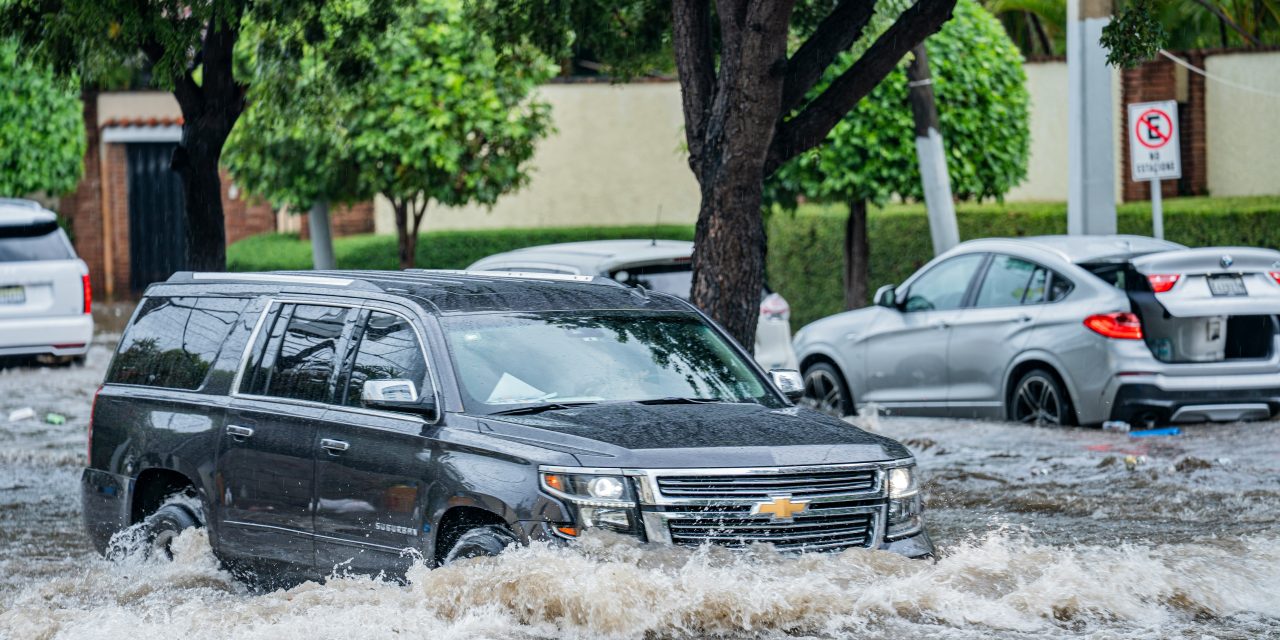
Flood-damaged vehicles pose significant risks to potential buyers, as they can harbor hidden issues that may not be immediately apparent. Water intrusion can compromise critical components, leading to long-term mechanical failures and safety hazards. The National Highway Traffic Safety Administration (NHTSA) estimates that thousands of vehicles are damaged by flooding each year, often resulting in them being sold without proper disclosure. Buyers must be vigilant, as these cars can appear deceptively normal on the surface.
The risks associated with flood-damaged cars extend beyond mere mechanical failures. Contaminated water can introduce harmful substances, including mud, chemicals, and bacteria, into the vehicle’s interior. This contamination can lead to health issues for occupants, particularly if mold develops in damp environments. Furthermore, insurance companies may refuse to cover repairs for vehicles with a history of flood damage, leaving owners with substantial out-of-pocket expenses. Understanding these risks is crucial for making informed purchasing decisions.
When considering the purchase of a used car, it’s crucial to check for any signs of flood damage, as this can significantly affect the vehicle’s performance and longevity. For a comprehensive guide on identifying potential issues, you can refer to this informative article on how to check a used car for flood damage. Additionally, if you’re interested in maintaining your home and ensuring it remains pest-free, you might find this article on common household pests and how to get rid of them fast helpful: Top 10 Common Household Pests and How to Get Rid of Them Fast.
Inspecting the Vehicle’s Exterior for Watermarks
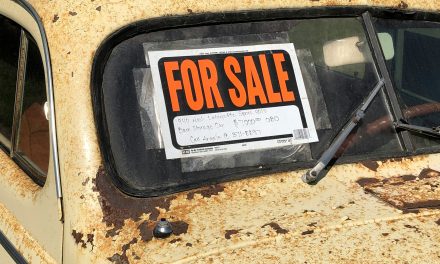
A thorough inspection of the vehicle’s exterior is essential in identifying potential flood damage. One of the first indicators to look for is watermarks or stains along the body panels and undercarriage. These marks often appear as streaks or discoloration, indicating that the vehicle has been submerged in water. Pay close attention to areas where water tends to accumulate, such as wheel wells and door sills.
Additionally, inspect the seals around windows and doors for signs of deterioration or improper sealing. Floodwaters can compromise these seals, leading to leaks and further water intrusion. Look for any signs of rust or corrosion on metal surfaces, as these can indicate prolonged exposure to moisture. A careful examination of the exterior can reveal critical information about the vehicle’s history and its potential risks.
Checking the Interior for Signs of Moisture and Mold

The interior of a flood-damaged vehicle often exhibits clear signs of moisture and mold growth. Begin by inspecting the carpets and upholstery for dampness or discoloration. If the carpets feel unusually wet or have a musty odor, this could indicate water retention from flooding. Mold spores thrive in damp environments, posing health risks to occupants, particularly those with respiratory conditions.
Furthermore, check beneath the floor mats and in hidden compartments for signs of water accumulation. Look for any visible mold growth on surfaces such as seats, headliners, and door panels. If you notice any unusual odors or visible mold, it is advisable to avoid purchasing the vehicle altogether. The presence of mold not only indicates water damage but also suggests that the vehicle may require extensive cleaning and remediation efforts.
Examining the Electrical Components and Dashboard

Electrical components are particularly vulnerable to water damage, making their inspection crucial when assessing a flood-damaged vehicle. Begin by examining the dashboard for any signs of corrosion or rust on metal parts. Water exposure can lead to short circuits and malfunctioning electronics, which may not be immediately apparent during a test drive.
Check all electronic features, including power windows, locks, and infotainment systems, to ensure they function correctly. Pay attention to warning lights on the dashboard; illuminated indicators may signal underlying electrical issues caused by water exposure. If possible, use diagnostic tools to assess the vehicle’s electronic systems comprehensively. A thorough examination of electrical components can help identify potential problems that may arise from flood damage.
When considering the purchase of a used car, it’s crucial to ensure that it hasn’t been compromised by flood damage, which can lead to significant long-term issues. A helpful resource on this topic can be found in an article that discusses various methods to inspect a vehicle for signs of water damage. You can read more about it in this informative piece on checking for flood damage. Taking the time to thoroughly examine a used car can save you from unexpected repairs and ensure a safer driving experience.
Looking Under the Hood for Rust and Corrosion
The engine compartment is another critical area to inspect when evaluating a flood-damaged vehicle. Open the hood and look for signs of rust or corrosion on metal components such as the engine block, battery terminals, and wiring harnesses. Floodwaters can introduce moisture into the engine bay, leading to accelerated deterioration of these parts.
Additionally, check fluid levels and their condition. Engine oil that appears milky or discolored may indicate water contamination, which can severely impact engine performance and longevity. Inspect other fluids such as transmission fluid and brake fluid for similar signs of contamination. A thorough examination under the hood can reveal critical information about the vehicle’s overall health and potential repair needs.
Assessing the Condition of the Tires and Wheel Wells
Tires are essential for safe driving, and their condition can be affected by flooding. Inspect each tire for signs of uneven wear or damage that may have resulted from submerged conditions. Look for cracks or bulges in the sidewalls that could compromise tire integrity. Additionally, check the tread depth to ensure adequate traction on wet surfaces.
Wheel wells should also be examined for signs of rust or corrosion caused by prolonged exposure to moisture. Accumulated debris or mud in these areas can indicate that the vehicle has been submerged in water. If you notice excessive rust or deterioration in the wheel wells, it may be a sign of significant underlying issues that could affect overall vehicle safety.
Testing the Car’s Electronics and Lights
A comprehensive assessment of a flood-damaged vehicle should include testing all electronic systems and lights. Begin by checking exterior lights such as headlights, taillights, and turn signals for proper functionality. Water exposure can lead to electrical malfunctions that may not be immediately apparent during a visual inspection.
Inside the vehicle, test all electronic features, including air conditioning, heating systems, and infotainment units. Pay attention to any unusual behavior or flickering displays that could indicate underlying electrical issues caused by water damage. If possible, use diagnostic equipment to assess error codes related to electronic systems. A thorough evaluation of electronics is essential for identifying potential problems that could arise from flood exposure.
Smelling for Musty or Moldy Odors Inside the Vehicle
One of the most telling signs of flood damage is an unpleasant odor emanating from within the vehicle’s interior. A musty or moldy smell often indicates prolonged exposure to moisture and potential mold growth. When inspecting a vehicle, take a moment to inhale deeply inside; if you detect any unusual odors, it may be a red flag.
Mold spores can pose serious health risks, particularly for individuals with allergies or respiratory conditions. If you notice persistent odors despite cleaning efforts, it is advisable to avoid purchasing the vehicle altogether. The presence of mold not only indicates water damage but also suggests that extensive remediation efforts may be necessary to restore a safe environment within the car.
Reviewing the Vehicle History Report for Flood Records
A comprehensive vehicle history report is an invaluable tool when assessing a potential purchase. These reports provide crucial information about a vehicle’s past, including any records of flood damage or insurance claims related to water exposure. Services such as Carfax or AutoCheck can provide detailed reports that highlight any incidents involving flooding.
When reviewing a history report, pay close attention to any discrepancies between reported incidents and what you observe during your inspection. If a vehicle has a history of flooding but appears clean upon inspection, it may still harbor hidden issues that could lead to future problems. Always cross-reference information from multiple sources to ensure you have a complete understanding of the vehicle’s history.
Consulting a Professional Mechanic for a Thorough Inspection
While conducting your own inspection is essential, consulting a professional mechanic can provide additional peace of mind when evaluating a flood-damaged vehicle. Experienced mechanics have specialized knowledge and tools to identify hidden issues that may not be apparent during a casual inspection. They can conduct comprehensive diagnostics on electrical systems and assess mechanical components for signs of water damage.
When seeking a mechanic’s opinion, choose someone with experience in dealing with flood-damaged vehicles specifically. They will be better equipped to identify potential problems related to corrosion, electrical malfunctions, and other issues stemming from water exposure. Investing in a professional inspection can save you from costly repairs down the line.
Trusting Your Instincts and Knowing When to Walk Away
Ultimately, trusting your instincts is crucial when considering a flood-damaged vehicle purchase. If something feels off during your inspection or if you encounter multiple red flags, it may be wise to walk away from the deal altogether. The risks associated with flood-damaged cars often outweigh any potential savings you might gain from purchasing one.
Remember that there are countless vehicles available on the market that have not been subjected to flooding or water damage. Prioritize your safety and peace of mind by choosing a reliable option instead of taking unnecessary risks with a potentially compromised vehicle.
In summary, assessing a flood-damaged car requires careful attention to detail across various aspects of its condition—from exterior inspections for watermarks to thorough evaluations of electrical components and interior odors. By understanding the risks associated with flood-damaged vehicles and employing diligent inspection techniques, buyers can make informed decisions that prioritize safety and reliability in their automotive choices.
FAQs
What are the signs of flood damage in a used car?
Signs of flood damage can include a musty odor inside the vehicle, water stains on upholstery, rust on metal components, and mud or debris in hard-to-reach areas like under the seats or in the trunk. Additionally, check for moisture in the headlights or taillights, as well as corrosion on electrical connections.
How can I check for water damage in the engine compartment?
To check for water damage in the engine compartment, look for signs of rust or corrosion on metal parts, especially around the battery terminals and engine components. You can also inspect the air filter; if it appears wet or has mud, it may indicate water exposure. Additionally, check for any signs of water in the oil, which can be identified by a milky appearance on the dipstick.
Is there a way to find out if a car has been reported as flooded?
Yes, you can find out if a car has been reported as flooded by obtaining a vehicle history report through services like Carfax or AutoCheck. These reports can provide information on previous accidents, flood damage, and other significant events in the car’s history.
What should I inspect in the interior of the car for flood damage?
When inspecting the interior for flood damage, check the carpets and floor mats for signs of water damage or mold. Look under the mats for dampness or mud. Additionally, inspect the dashboard and electronic components for corrosion or malfunctioning features, as water exposure can affect electrical systems.
Can flood damage be repaired, and should I consider buying a flooded car?
While some flood damage can be repaired, it often leads to long-term issues such as electrical problems, mold growth, and structural damage. It is generally advisable to avoid purchasing a flooded car, as the risks and potential costs of repairs can outweigh the benefits. Always conduct thorough inspections and consider professional assessments before making a decision.