Tire inspection is a critical aspect of vehicle maintenance that significantly impacts safety, performance, and fuel efficiency. Tires are the only contact point between a vehicle and the road, making their condition paramount for safe driving. Regular inspections can prevent accidents caused by tire blowouts or loss of traction, which can lead to severe injuries or fatalities. Moreover, maintaining optimal tire health contributes to better fuel economy, as properly inflated and well-maintained tires reduce rolling resistance.
In addition to safety and efficiency, tire inspections can extend the lifespan of your tires. By identifying issues early, such as uneven wear or low tread depth, drivers can take corrective actions that may delay the need for costly replacements. Regular checks also help in maintaining proper alignment and suspension settings, which can further enhance vehicle handling and comfort. Thus, understanding the importance of tire inspection is essential for every vehicle owner.
Before purchasing a used car, it’s essential to inspect the tires thoroughly, as they can indicate the overall condition of the vehicle and potentially save you from costly repairs down the line. For more detailed guidance on assessing tires, you might find this article helpful: How to Inspect Tires on a Used Car Before Buying. This resource provides practical tips on what to look for, including tread depth, uneven wear, and sidewall damage, ensuring you make an informed decision.
Check the Tire Tread Depth
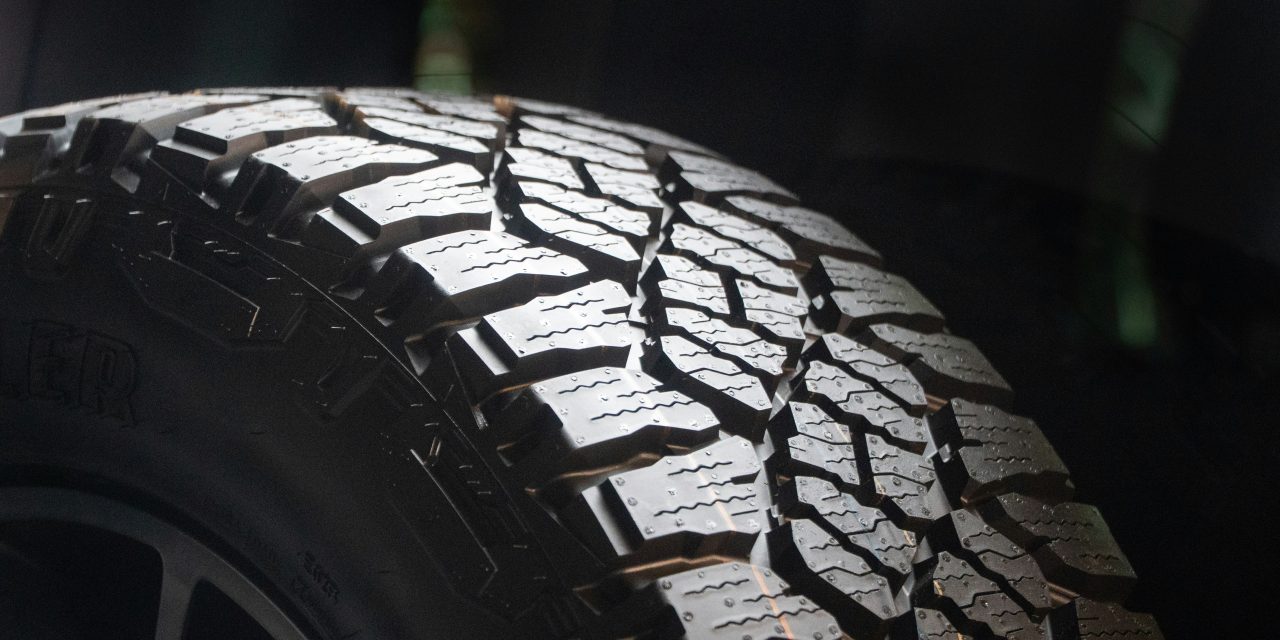
Tread depth is a crucial factor in determining tire performance, particularly in wet or slippery conditions. The tread pattern is designed to channel water away from the tire’s surface, providing traction and preventing hydroplaning. The legal minimum tread depth in many regions is 2/32 of an inch; however, for optimal safety, it is advisable to replace tires when tread depth reaches 4/32 of an inch or less.
To measure tread depth accurately, a tread depth gauge can be used, or the penny test can be performed. In the penny test, a penny is inserted into the tread with Lincoln’s head facing down; if the top of his head is visible, it indicates that the tread is too worn and replacement is necessary. Regularly checking tread depth not only ensures safety but also enhances driving comfort and fuel efficiency.
Look for Uneven Tire Wear Patterns

Uneven tire wear patterns can indicate underlying issues with a vehicle’s alignment, suspension, or inflation levels. Common patterns include cupping, which appears as scalloped edges on the tread, and feathering, where one side of the tread wears more than the other. These irregularities can compromise traction and handling, leading to a less stable driving experience.
Identifying these patterns early allows for timely interventions. For instance, if uneven wear is detected, it may be necessary to have the vehicle’s alignment checked or to adjust tire pressures accordingly. Regular rotation of tires can also help mitigate uneven wear by ensuring that all tires wear evenly over time. This proactive approach not only enhances safety but also prolongs tire life.
Inspect for Cracks and Bulges on the Sidewalls

The sidewalls of tires are susceptible to damage from road hazards, UV exposure, and general wear and tear. Cracks or bulges in the sidewall can indicate serious structural issues that may lead to tire failure. A bulge often signifies internal damage due to impact or a manufacturing defect, while cracks may result from age or environmental factors.
Regular visual inspections of the sidewalls are essential for identifying these problems early. If any cracks or bulges are observed, it is crucial to consult a professional immediately. Driving on compromised tires can lead to blowouts, posing significant risks to both the driver and other road users. Therefore, maintaining vigilance regarding sidewall integrity is vital for overall vehicle safety.
When considering the purchase of a used car, it’s essential to thoroughly inspect the tires, as they can reveal a lot about the vehicle’s overall condition and maintenance history. For a comprehensive guide on how to effectively assess tires before making a decision, you can refer to this helpful article. Understanding the signs of wear and tear can save you from unexpected expenses down the road. If you’re interested in learning more about this topic, check out the article on tire inspection tips to ensure you’re making an informed choice.
Verify the Tire Age and Manufacturing Date
Tires have a finite lifespan regardless of tread wear; thus, understanding their age is essential for safe driving. The manufacturing date is typically found on the tire’s sidewall in a four-digit code indicating the week and year of production. For example, a code of “2319” means the tire was manufactured in the 23rd week of 2019.
Most manufacturers recommend replacing tires every six years, even if they appear to have adequate tread depth. Over time, rubber compounds degrade due to environmental exposure, leading to reduced performance and increased risk of failure. Therefore, verifying tire age should be part of regular maintenance checks to ensure optimal safety.
When considering the purchase of a used car, one crucial aspect to evaluate is the condition of the tires, as they can significantly impact safety and performance. To ensure you make an informed decision, it’s essential to know how to inspect tires properly. For a comprehensive guide on this topic, you can refer to this informative article on how to inspect tires on a used car. By following the tips outlined in the article, you can identify potential issues and avoid costly repairs down the line.
Examine the Tire Pressure and Valve Condition
Maintaining proper tire pressure is crucial for optimal vehicle performance and safety. Under-inflated tires can lead to increased rolling resistance, reduced fuel efficiency, and heightened risk of blowouts due to overheating. Conversely, over-inflated tires may result in decreased traction and uneven wear patterns.
To ensure proper inflation levels, it is advisable to check tire pressure at least once a month using a reliable gauge. The recommended pressure levels can usually be found on a sticker inside the driver’s door or in the owner’s manual. Additionally, inspecting valve stems for cracks or leaks is essential; damaged valves can lead to slow leaks that compromise tire pressure over time.
Assess the Tire Brand and Model Consistency
Using consistent tire brands and models across all four wheels is vital for maintaining balanced handling and performance characteristics. Different brands may have varying tread designs and rubber compounds that affect traction and stability during cornering or braking maneuvers.
When replacing tires, it is advisable to choose tires that match those already on the vehicle in terms of size, load rating, and performance specifications. If replacing only two tires, it is generally recommended to install them on the rear axle to maintain stability during adverse conditions. Ensuring brand and model consistency contributes significantly to overall vehicle safety.
Look for Signs of Repairs or Patches
Tires that have been previously repaired may exhibit signs such as patches or plugs on their surfaces. While many repairs can restore functionality temporarily, they may not always guarantee long-term safety or performance. It is essential to assess whether repairs were conducted professionally and whether they comply with industry standards.
If a tire has multiple repairs or if damage extends beyond repairable limits (such as sidewall damage), replacement may be necessary. Regular inspections should include checking for signs of previous repairs to ensure that all tires are in optimal condition for safe driving.
Check for Alignment and Suspension Issues Affecting Tires
Misalignment or suspension problems can lead to uneven tire wear and compromised handling characteristics. Symptoms may include pulling to one side while driving or vibrations felt through the steering wheel. These issues not only affect tire longevity but also pose risks during operation.
Regular alignment checks are recommended as part of routine maintenance, especially after hitting potholes or curbs. Addressing alignment issues promptly can prevent premature tire wear and enhance overall vehicle performance. Additionally, ensuring that suspension components are in good condition will contribute to better handling and ride comfort.
Compare Tires on All Four Wheels for Uniformity
Uniformity among all four tires is essential for balanced handling and stability during driving maneuvers. Differences in tread depth or tire pressure can lead to unpredictable handling characteristics, particularly during emergency situations or adverse weather conditions.
When inspecting tires, it is crucial to compare their conditions side by side. If discrepancies are noted—such as varying tread depths or different brands—it may be necessary to rotate tires or replace them to achieve uniformity. Maintaining consistent conditions across all four wheels enhances overall safety and performance.
Consult a Professional if Unsure About Tire Condition
If there are any uncertainties regarding tire condition after conducting inspections, consulting a professional mechanic or tire specialist is advisable. Experts possess the knowledge and tools necessary to conduct thorough assessments and provide recommendations based on industry standards.
Professional evaluations can identify hidden issues that may not be apparent during casual inspections. Additionally, they can offer guidance on appropriate replacement options tailored to individual driving habits and vehicle specifications. Seeking expert advice ensures that drivers make informed decisions regarding their tire health.
In summary, regular tire inspections are vital for ensuring safety, performance, and longevity of tires. Key aspects include checking tread depth, looking for uneven wear patterns, inspecting sidewalls for damage, verifying tire age, examining pressure levels, assessing brand consistency, identifying repairs, checking alignment issues, ensuring uniformity among tires, and consulting professionals when needed. By prioritizing these practices, drivers can significantly enhance their vehicle’s safety and efficiency on the road.
FAQs
What should I look for when inspecting tire tread depth?
When inspecting tire tread depth, use a tread depth gauge or the penny test. Insert a penny into the tread grooves with Lincoln’s head facing down. If you can see the top of Lincoln’s head, the tread is too worn and the tires may need replacing. Ideally, tires should have at least 2/32 of an inch of tread depth for safe driving.
How can I check for uneven tire wear?
To check for uneven tire wear, visually inspect the tires for any bald spots, cupping, or excessive wear on one side. Uneven wear can indicate alignment issues, improper inflation, or suspension problems. It’s important to address these issues before purchasing the vehicle, as they can lead to costly repairs.
What signs indicate that a tire may be damaged or unsafe?
Signs of tire damage include visible cracks, bulges, or blisters on the sidewalls, as well as punctures or foreign objects embedded in the tread. Additionally, if you notice any vibrations or pulling while driving, it may indicate a problem with the tires. Damaged tires can compromise safety and should be replaced.
How do I check the age of the tires?
The age of a tire can be determined by looking at the DOT code printed on the sidewall. The last four digits of the code indicate the week and year the tire was manufactured. For example, a code ending in “2319” means the tire was made in the 23rd week of 2019. Tires older than six years may be more prone to failure, regardless of tread depth.
Should I consider the brand and type of tires when inspecting a used car?
Yes, the brand and type of tires can significantly affect the vehicle’s performance and safety. High-quality tires from reputable brands typically offer better durability and traction. Additionally, consider whether the tires are appropriate for the driving conditions you expect (e.g., all-season vs. winter tires). Replacing low-quality or unsuitable tires can add to your overall costs after purchase.