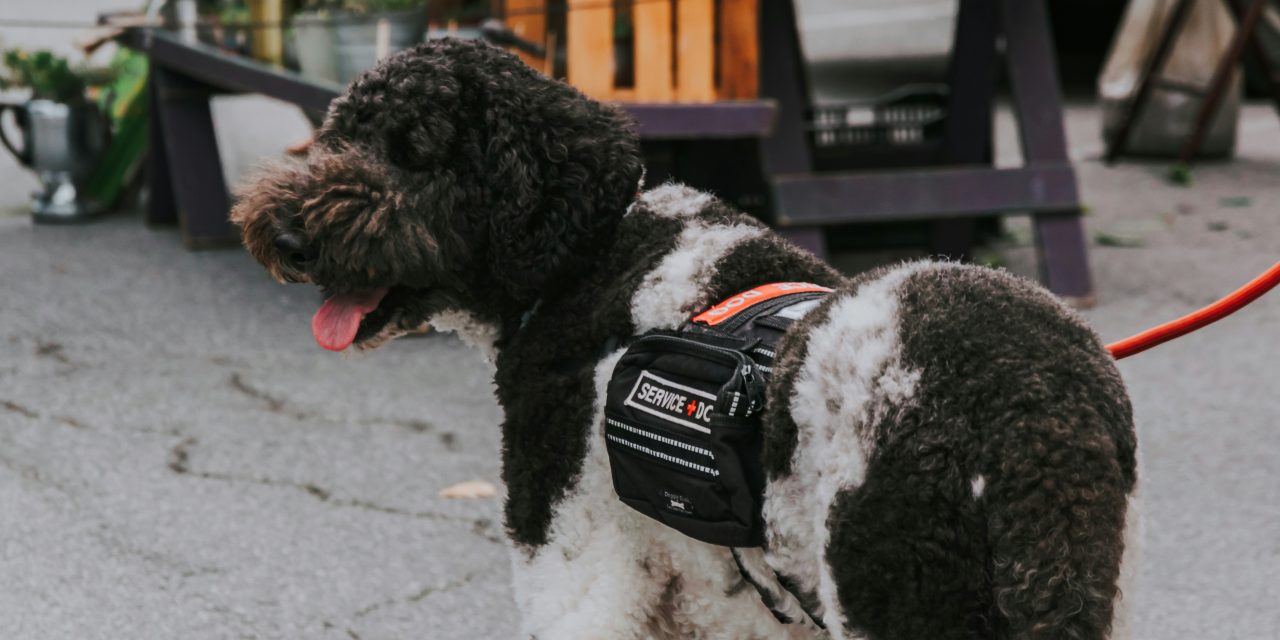
Service dogs have emerged as invaluable companions, providing essential support to individuals with various disabilities and medical conditions. These specially trained canines enhance the quality of life for their handlers, enabling them to navigate daily challenges with greater independence and confidence. The bond between a service dog and its handler transcends mere companionship; it embodies a partnership that fosters emotional well-being, physical assistance, and social integration. The presence of these remarkable animals can significantly reduce feelings of isolation and anxiety, allowing individuals to engage more fully in their communities.
The impact of service dogs extends beyond the individual; it resonates throughout families and society at large. By facilitating mobility, enhancing communication, and providing emotional support, these dogs play a crucial role in promoting inclusivity. Their training is rigorous and tailored to meet the specific needs of their handlers, ensuring that they can perform tasks that mitigate the effects of disabilities. As we delve into the various types of service dogs, it becomes evident that each breed and training regimen is uniquely suited to address specific challenges faced by individuals.
Guide Dogs for the Visually Impaired
Guide dogs are perhaps the most recognized type of service dog, specifically trained to assist individuals who are visually impaired or blind. These dogs undergo extensive training to navigate complex environments, helping their handlers avoid obstacles, cross streets safely, and locate specific destinations. The bond between a guide dog and its handler is built on trust; the dog must be able to interpret cues from its handler while also making independent decisions about navigation.
The training process for guide dogs typically spans several months and includes exposure to various environments, such as busy urban settings and quiet residential areas. These dogs learn to respond to commands like “forward,” “left,” and “right,” as well as to recognize specific landmarks and hazards. The benefits of having a guide dog extend beyond physical assistance; they also provide emotional support, fostering a sense of security and companionship that can alleviate feelings of loneliness often experienced by individuals with visual impairments.
Hearing Dogs for the Deaf and Hard of Hearing

Hearing dogs serve a critical role for individuals who are deaf or hard of hearing by alerting them to important sounds in their environment. These sounds may include doorbells, alarms, or even the cries of a child. Unlike guide dogs, hearing dogs are trained to respond to auditory cues rather than navigate physical spaces. Their training focuses on alerting their handlers through physical contact, such as nudging or pawing, when they detect specific sounds.
The training process for hearing dogs involves teaching them to recognize various sounds and associate them with specific actions. For instance, a hearing dog may be trained to alert its handler when a smoke alarm goes off by leading them to the source of the sound. This not only enhances safety but also promotes independence for individuals who may otherwise rely on others for assistance. The companionship provided by hearing dogs also contributes significantly to the emotional well-being of their handlers, fostering a sense of connection and reducing feelings of isolation.
Mobility Assistance Dogs

Mobility assistance dogs are trained to aid individuals with physical disabilities that affect their mobility. These dogs can perform a variety of tasks, including retrieving dropped items, opening doors, and providing stability during walking or standing. The training for mobility assistance dogs is tailored to the specific needs of their handlers, ensuring that they can effectively assist with daily activities.
The presence of a mobility assistance dog can dramatically improve the quality of life for individuals with conditions such as multiple sclerosis, arthritis, or spinal cord injuries. These dogs not only provide physical support but also serve as emotional anchors for their handlers. The bond formed between a mobility assistance dog and its owner can lead to increased confidence and a greater sense of autonomy, allowing individuals to engage more fully in social activities and community events.
Medical Alert Dogs for Diabetes
Medical alert dogs are trained to detect changes in their handler’s body chemistry related to medical conditions such as diabetes. These dogs can sense fluctuations in blood sugar levels through scent and alert their handlers before they experience symptoms of hypoglycemia or hyperglycemia. This early warning system can be life-saving, allowing individuals to take necessary actions before experiencing severe complications.
The training process for medical alert dogs involves teaching them to recognize specific scents associated with changes in blood sugar levels. Once trained, these dogs can alert their handlers by nudging or pawing at them when they detect an abnormality. The presence of a medical alert dog not only enhances safety but also provides emotional reassurance for individuals managing diabetes. This partnership fosters a sense of control over their condition, allowing individuals to lead more active and fulfilling lives.
Seizure Response Dogs
Seizure response dogs are specially trained to assist individuals with epilepsy or other seizure disorders. These dogs can be trained to recognize the onset of a seizure and respond in various ways, such as alerting others for help or providing comfort during the episode. Some seizure response dogs are even trained to activate emergency services or retrieve medication.
The training process for seizure response dogs involves exposing them to various scenarios that simulate seizure activity so they can learn how to respond appropriately. Their ability to provide immediate assistance during a seizure can significantly reduce the risk of injury and enhance the overall safety of individuals living with seizure disorders. Beyond their practical assistance, these dogs offer emotional support that can alleviate anxiety associated with unpredictable seizure episodes.
Psychiatric Service Dogs for PTSD
Psychiatric service dogs are trained to assist individuals suffering from mental health conditions such as post-traumatic stress disorder (PTSD). These dogs provide emotional support and can perform specific tasks that help mitigate symptoms associated with anxiety, depression, or panic attacks. Their presence can create a calming effect during stressful situations, allowing individuals to regain control over their emotions.
Training for psychiatric service dogs often includes teaching them to recognize signs of distress in their handlers and respond accordingly. This may involve providing deep pressure therapy by leaning against the handler or guiding them away from triggering situations. The bond formed between a psychiatric service dog and its handler is profound; it fosters trust and security that can significantly improve mental health outcomes.
Autism Support Dogs
Autism support dogs are trained to assist children and adults on the autism spectrum by providing companionship and promoting social interaction. These dogs can help reduce anxiety during social situations and serve as calming influences during moments of distress. Their presence can facilitate communication between individuals with autism and those around them, creating opportunities for social engagement.
The training process for autism support dogs focuses on developing skills that cater specifically to the needs of individuals with autism. This may include teaching the dog to stay close during outings or providing tactile stimulation during moments of sensory overload. The companionship offered by these dogs can enhance emotional regulation and foster a sense of security for individuals navigating the complexities of autism.
Allergy Detection Dogs
Allergy detection dogs are trained to identify specific allergens in their environment, providing crucial support for individuals with severe allergies or anaphylaxis risk. These dogs can detect allergens such as peanuts or shellfish through scent, alerting their handlers before they come into contact with harmful substances. This early warning system is vital for preventing allergic reactions that could lead to life-threatening situations.
Training for allergy detection dogs involves exposing them to various allergens in controlled environments so they can learn to recognize specific scents associated with those allergens. Once trained, these dogs can alert their handlers by signaling when they detect an allergen nearby. The presence of an allergy detection dog not only enhances safety but also provides peace of mind for individuals managing severe allergies.
Therapy Dogs in Hospitals and Schools
Therapy dogs play a unique role in providing emotional support in settings such as hospitals and schools. These specially trained animals offer comfort and companionship to patients undergoing medical treatments or students facing academic pressures. Their calming presence can alleviate stress and anxiety, promoting overall well-being.
In hospitals, therapy dogs visit patients to provide comfort during recovery processes or treatments. Their interactions can lead to improved mood and reduced feelings of pain or discomfort. In educational settings, therapy dogs help create a positive learning environment by reducing anxiety among students during exams or presentations. The benefits of therapy dogs extend beyond individual interactions; they foster a sense of community and connection within institutions.
Search and Rescue Dogs
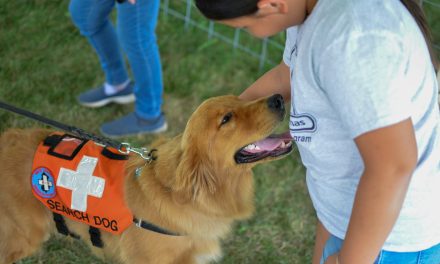
Search and rescue (SAR) dogs are trained to locate missing persons in various environments, including wilderness areas or disaster sites. These highly skilled animals utilize their keen sense of smell and tracking abilities to assist search teams in locating individuals who may be lost or trapped. Their training involves rigorous exercises that simulate real-life search scenarios.
The impact of search and rescue dogs is profound; they have been instrumental in saving lives during natural disasters or emergencies. Their ability to cover vast areas quickly makes them invaluable assets in search operations. Beyond their practical contributions, SAR dogs also provide emotional support to families awaiting news about missing loved ones, offering hope during distressing times.
Celebrating the Unseen Heroes
Service dogs represent an extraordinary intersection between human need and canine capability. Their contributions extend far beyond mere assistance; they embody resilience, companionship, and unwavering loyalty. Each type of service dog plays a unique role in enhancing the lives of individuals facing various challenges, from physical disabilities to mental health conditions.
As we celebrate these unseen heroes, it is essential to recognize the profound impact they have on society as a whole. By fostering awareness about the diverse roles service dogs play, we can promote understanding and acceptance within our communities. The partnership between humans and service dogs exemplifies the power of compassion and collaboration, reminding us all that together we can overcome obstacles and thrive in our daily lives.
In summary, service dogs are indispensable companions that enhance the quality of life for individuals facing various challenges through specialized training tailored to meet specific needs across different conditions—from visual impairments to mental health issues—these remarkable animals foster independence while providing emotional support that enriches both individual lives and society at large.
FAQs
What is a service dog?
A service dog is a specially trained canine that assists individuals with disabilities by performing specific tasks to mitigate their disability. These tasks can include guiding individuals who are visually impaired, alerting those who are deaf, pulling a wheelchair, or providing support during a medical emergency.
What are the legal requirements for service dogs in the United States?
Under the Americans with Disabilities Act (ADA), service dogs must be individually trained to perform tasks for a person with a disability. The ADA defines a service dog as a dog that is trained to perform tasks directly related to the person’s disability. Emotional support animals and therapy dogs do not qualify as service dogs under the ADA.
Can any dog be a service dog?
Not every dog can be a service dog. To qualify, a dog must be trained to perform specific tasks that assist a person with a disability. While there are no breed restrictions under the ADA, the dog must be well-behaved in public and able to perform the required tasks reliably.
What tasks can service dogs perform?
Service dogs can perform a variety of tasks depending on the needs of their handler. Common tasks include guiding individuals with visual impairments, alerting individuals with hearing impairments to sounds, retrieving items, providing stability for those with mobility issues, and alerting individuals with medical conditions, such as seizures or diabetes, to impending episodes.
Are service dogs allowed in public places?
Yes, service dogs are allowed in public places under the ADA. This includes restaurants, hotels, stores, and public transportation. However, businesses are permitted to ask only two questions: whether the dog is a service animal required because of a disability and what tasks the dog has been trained to perform.