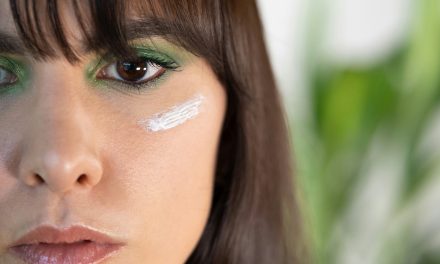
In the realm of skincare, the efficacy of products is not solely determined by their individual ingredients but also by how these components interact with one another. Ingredient compatibility plays a pivotal role in achieving optimal results while minimizing adverse reactions. As consumers become increasingly knowledgeable about skincare, understanding the science behind ingredient interactions is essential for crafting a regimen that promotes skin health and addresses specific concerns.
The skin, being the largest organ of the body, is a complex barrier that requires careful consideration when applying various substances. Each ingredient possesses unique properties that can either complement or counteract one another. For instance, combining potent actives without understanding their compatibility can lead to irritation, inflammation, or diminished effectiveness. Therefore, it is crucial to delve into the interactions between popular skincare ingredients to ensure a harmonious and beneficial skincare routine.
When considering the best practices for skincare, it’s crucial to understand which ingredients should not be mixed to avoid adverse reactions. For a deeper dive into skincare and related topics, you might find this article on the costs associated with acne repair insightful. It discusses common problems and price ranges, which can help you make informed decisions about your skincare investments. You can read more about it here: Acne Repair Costs.
Retinol and Vitamin C: Why These Potent Actives Clash
Retinol, a derivative of vitamin A, is renowned for its ability to accelerate cell turnover, reduce fine lines, and improve skin texture. Conversely, Vitamin C, or ascorbic acid, is celebrated for its antioxidant properties and its role in brightening the complexion. Despite their individual benefits, these two powerhouse ingredients are often considered incompatible when used simultaneously.
The primary reason for this incompatibility lies in their differing pH levels. Retinol functions optimally at a pH of around 5.5 to 6, while Vitamin C requires a more acidic environment, typically around 3.5. When applied together, the effectiveness of both ingredients can be compromised due to the alteration of their pH levels. This can lead to reduced efficacy and potential irritation, particularly for sensitive skin types. To harness the benefits of both ingredients without adverse effects, it is advisable to use them at different times of the day—Vitamin C in the morning and retinol at night.
Benzoyl Peroxide and Retinol: Avoiding Excessive Irritation

Benzoyl peroxide is a widely used topical treatment for acne due to its antibacterial properties and ability to reduce inflammation. However, when combined with retinol, there is a significant risk of excessive irritation. Both ingredients are potent in their own right; benzoyl peroxide can cause dryness and peeling, while retinol may lead to redness and flakiness, especially during initial use.
The interaction between these two actives can exacerbate skin sensitivity, leading to discomfort and compromised skin barrier function. To mitigate these effects, it is recommended to alternate their application—using benzoyl peroxide in the morning and retinol at night or on alternate days. Additionally, incorporating a gentle moisturizer can help soothe the skin and maintain hydration levels.
AHAs/BHAs and Retinol: The Risk of Over-Exfoliation

Alpha hydroxy acids (AHAs) and beta hydroxy acids (BHAs) are celebrated for their exfoliating properties, promoting smoother skin texture and unclogging pores. However, when combined with retinol, there exists a heightened risk of over-exfoliation. Both AHAs/BHAs and retinol accelerate cell turnover; thus, using them concurrently can lead to excessive dryness, irritation, and compromised skin barrier integrity.
To avoid these adverse effects, it is prudent to stagger the use of these ingredients. For instance, one might choose to apply AHAs or BHAs on days when retinol is not used. Alternatively, using AHAs/BHAs in the morning and retinol at night can help maintain a balanced approach to exfoliation while minimizing irritation. Furthermore, incorporating hydrating serums or moisturizers can provide additional support to the skin during this process.
When it comes to skincare, understanding which ingredients should not be mixed is crucial for maintaining healthy skin. For instance, combining retinol with vitamin C can lead to irritation and reduce the effectiveness of both ingredients. If you’re looking for more insights on this topic, you might find this article on skincare ingredients helpful. It provides a comprehensive overview of what to avoid mixing in your skincare routine. You can read it here.
Vitamin C and Niacinamide: Debunking the Myth and When to Be Cautious
The combination of Vitamin C and niacinamide has long been surrounded by controversy, with many believing that these two ingredients should never be used together due to potential adverse reactions. However, recent studies have debunked this myth, demonstrating that they can coexist harmoniously in a skincare routine. Both ingredients offer unique benefits—Vitamin C brightens the complexion while niacinamide enhances skin barrier function and reduces inflammation.
Despite this compatibility, caution should still be exercised when layering these actives. For individuals with sensitive skin or those prone to irritation, it may be wise to apply them at different times of day or on alternate days to prevent any potential discomfort. Additionally, ensuring that formulations are stable and free from irritants can further enhance compatibility.
Benzoyl Peroxide and Vitamin C: How Oxidation Affects Effectiveness
Benzoyl peroxide’s oxidative properties can significantly impact the stability of Vitamin C formulations. When these two ingredients are combined, benzoyl peroxide can oxidize Vitamin C, rendering it ineffective and diminishing its antioxidant benefits. This interaction underscores the importance of understanding ingredient compatibility in order to maximize the efficacy of skincare products.
To avoid this issue, it is advisable to apply benzoyl peroxide and Vitamin C at different times of day—using Vitamin C in the morning for its protective antioxidant benefits and benzoyl peroxide in the evening as an acne treatment. This strategic approach not only preserves the potency of both ingredients but also allows for optimal results in addressing acne and promoting overall skin health.
AHAs/BHAs and Benzoyl Peroxide: Combining Acids and Acne Treatments Safely
Combining AHAs/BHAs with benzoyl peroxide can be beneficial for acne-prone individuals seeking comprehensive treatment options. However, caution must be exercised due to the potential for increased irritation when these potent actives are used together. Both AHAs/BHAs and benzoyl peroxide can cause dryness and peeling; thus, layering them without proper consideration may lead to compromised skin barrier function.
To safely incorporate these ingredients into a skincare routine, it is recommended to alternate their use or apply them at different times of day. For example, one might use an AHA or BHA exfoliant in the morning while reserving benzoyl peroxide for nighttime application. Additionally, incorporating soothing agents such as aloe vera or hyaluronic acid can help mitigate irritation while enhancing overall skin hydration.
Copper Peptides and Vitamin C: Preserving Peptide Potency
Copper peptides are gaining recognition for their ability to promote collagen synthesis and enhance skin repair processes. However, when combined with Vitamin C, there is a risk that the potency of copper peptides may be compromised due to oxidation. Vitamin C’s acidic nature can destabilize copper peptides, potentially reducing their effectiveness in promoting skin health.
To preserve the integrity of both ingredients, it is advisable to apply them separately—using Vitamin C in the morning for its antioxidant benefits while reserving copper peptides for nighttime application. This strategic layering not only maximizes the efficacy of both ingredients but also supports overall skin rejuvenation.
Tips for Layering Skincare Products Correctly
Layering skincare products effectively requires an understanding of ingredient compatibility as well as proper application techniques. Here are some essential tips for achieving optimal results:
1. **Start with Clean Skin**: Always cleanse your face thoroughly before applying any products to ensure maximum absorption.
2. **Follow a Thinnest-to-Thickest Rule**: Apply products from thinnest to thickest consistency—starting with serums followed by creams or oils.
3. **Allow Time Between Layers**: Give each product time to absorb before applying the next one; typically 1-2 minutes is sufficient.
4. **Be Mindful of Active Ingredients**: Avoid layering potent actives that may cause irritation; instead, alternate their use or apply them at different times.
5. **Hydrate**: Incorporate hydrating products such as hyaluronic acid or glycerin-based serums to maintain moisture levels throughout your routine.
How to Patch Test for Ingredient Compatibility
Patch testing is an essential step in determining how your skin will react to new products or combinations of ingredients. Here’s how to conduct an effective patch test:
1. **Select a Small Area**: Choose an inconspicuous area of skin—such as behind your ear or on your inner forearm.
2. **Apply a Small Amount**: Use a small amount of the product or combination you wish to test.
3. **Observe for Reactions**: Monitor the area for 24-48 hours for any signs of redness, itching, or irritation.
4. **Evaluate Results**: If no adverse reactions occur after 48 hours, it is generally safe to incorporate the product into your routine.
5. **Repeat as Necessary**: If testing multiple products or combinations, repeat this process for each new addition.
Building a Safe and Effective Skincare Routine
In conclusion, understanding ingredient compatibility is paramount for developing a safe and effective skincare regimen that addresses individual concerns without causing irritation or adverse reactions. By recognizing which ingredients work harmoniously together and which do not, consumers can make informed decisions about their skincare choices.
Implementing strategies such as alternating product usage, patch testing new formulations, and layering correctly will enhance overall skin health while maximizing the benefits of active ingredients. Ultimately, a well-structured skincare routine tailored to individual needs will yield optimal results—promoting radiant skin that reflects health and vitality.
In summary, ingredient compatibility is crucial in skincare formulation; understanding interactions between actives like retinol, Vitamin C, benzoyl peroxide, AHAs/BHAs, niacinamide, copper peptides ensures effective results while minimizing irritation risks. Proper layering techniques and patch testing further enhance safety in building personalized routines tailored to individual skin concerns.
FAQs
What are some common skincare ingredients that should not be mixed?
Common skincare ingredients that should not be mixed include retinol and vitamin C, benzoyl peroxide and retinol, and alpha hydroxy acids (AHAs) with beta hydroxy acids (BHAs). Mixing these ingredients can lead to irritation, redness, and decreased effectiveness of the products.
Why is it important to avoid mixing certain skincare ingredients?
Avoiding the mixing of certain skincare ingredients is important because some combinations can cause skin irritation, inflammation, or reduce the efficacy of the products. Understanding how ingredients interact helps maintain skin health and achieve desired results.
Can I use vitamin C and retinol in my skincare routine?
While both vitamin C and retinol are beneficial for the skin, they should not be used at the same time. It is recommended to use vitamin C in the morning and retinol at night to avoid irritation and maximize their individual benefits.
What happens if I mix exfoliating acids?
Mixing exfoliating acids, such as AHAs and BHAs, can lead to over-exfoliation, resulting in skin irritation, redness, and sensitivity. It is best to use these acids separately or on alternate days to prevent adverse reactions.
How can I safely incorporate multiple active ingredients into my skincare routine?
To safely incorporate multiple active ingredients, introduce them gradually, use them at different times of the day (e.g., vitamin C in the morning and retinol at night), and allow your skin to adjust to each ingredient before adding another. Always patch test new products to monitor for adverse reactions.