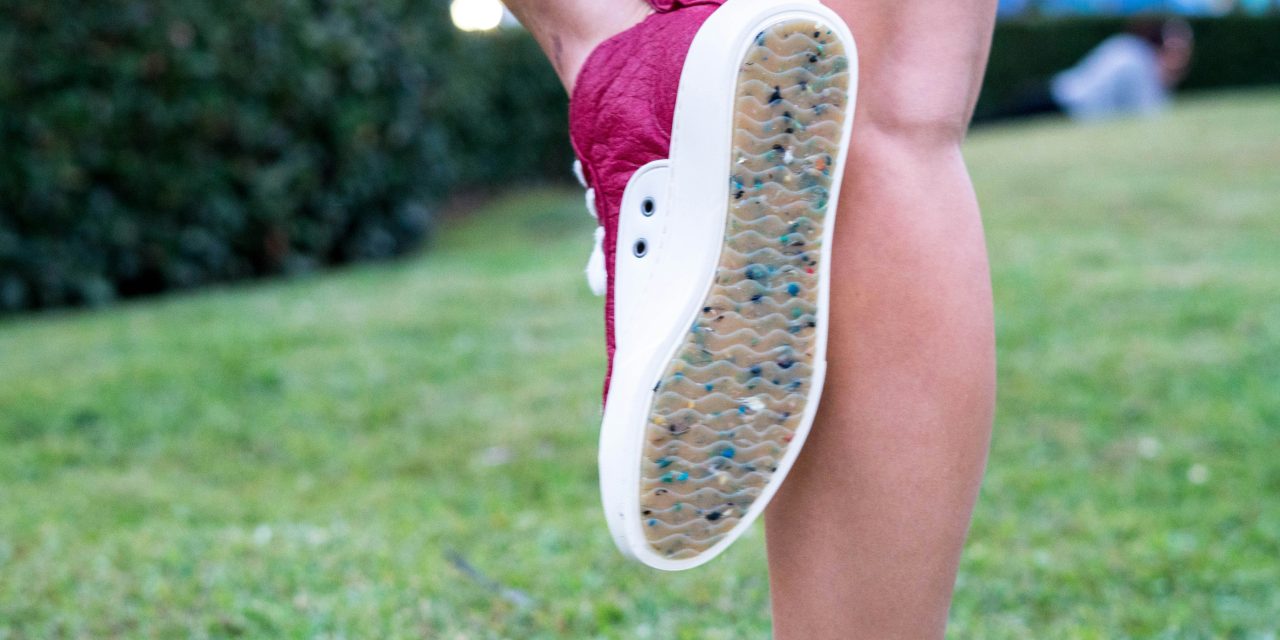
Excessive sweating of the feet, medically termed plantar hyperhidrosis, is a condition that affects a significant portion of the population. This phenomenon can be attributed to various factors, including genetic predisposition, environmental influences, and underlying medical conditions. The eccrine sweat glands, which are primarily responsible for thermoregulation, become overactive in individuals with this condition. This hyperactivity can lead to discomfort, social anxiety, and even skin complications such as fungal infections or dermatitis.
Several triggers can exacerbate sweaty feet. Stress and anxiety are common culprits, as they stimulate the sympathetic nervous system, leading to increased perspiration. Additionally, certain medical conditions such as hyperthyroidism, diabetes mellitus, and infections can contribute to excessive sweating. Hormonal fluctuations, particularly during puberty or menopause, may also play a role in the severity of symptoms. Understanding these causes is crucial for developing effective management strategies.
If you’re struggling with sweaty feet in your shoes, you might find it helpful to explore various remedies and tips to keep your feet dry and comfortable. One related article that offers a refreshing change of pace is about delicious vegetarian recipes that you can try today. You can check it out here: 10 Delicious Vegetarian Recipes You Need to Try Today. While it may not directly address foot sweat, enjoying a healthy diet can contribute to overall well-being, which might help alleviate some of the discomfort associated with sweaty feet.
Choosing Breathable Shoes and Socks
Selecting appropriate footwear is paramount in managing sweaty feet. Breathable shoes made from natural materials such as leather or canvas allow for better air circulation, reducing moisture accumulation. Synthetic materials often trap heat and humidity, exacerbating the problem. Opting for shoes with perforations or mesh panels can significantly enhance ventilation, promoting a drier environment for the feet.
Equally important is the choice of socks. Cotton socks are often favored for their absorbent properties; however, they can retain moisture once saturated. Instead, consider socks made from moisture-wicking materials that draw sweat away from the skin. These specialized fabrics help keep feet dry and comfortable throughout the day. Investing in high-quality footwear and socks can make a substantial difference in managing foot perspiration.
Using Antiperspirant on Your Feet

Antiperspirants are not solely for underarm use; they can also be effective in controlling foot sweat. Formulations containing aluminum chloride work by blocking sweat glands and reducing perspiration. Applying antiperspirant to clean, dry feet before bedtime allows the active ingredients to penetrate the skin effectively. This method can significantly decrease sweating during the day.
For optimal results, it is advisable to choose products specifically designed for foot use, as they often contain additional antifungal agents to combat odor and prevent infections. Regular application can lead to noticeable improvements in foot dryness and comfort levels. However, individuals with sensitive skin should perform a patch test to avoid potential irritation.
Keeping Your Feet Clean and Dry

Maintaining proper foot hygiene is essential in managing sweaty feet. Regular washing with antibacterial soap helps eliminate odor-causing bacteria and fungi that thrive in moist environments. It is crucial to thoroughly dry the feet after washing, paying special attention to areas between the toes where moisture can accumulate.
In addition to daily washing, consider using a foot soak with antiseptic properties once or twice a week. Ingredients such as Epsom salt or tea tree oil can provide additional antibacterial benefits while soothing the skin. Keeping feet clean and dry not only reduces sweating but also minimizes the risk of developing secondary infections.
If you’re struggling with sweaty feet in your shoes, you might find it helpful to explore some practical tips and tricks to keep your feet dry and comfortable throughout the day. One useful resource is an article that discusses effective methods for maintaining cleanliness in your home, which can also apply to your footwear routine. You can check it out for more insights on how to manage moisture and odors effectively by visiting this link.
Opting for Moisture-Wicking Socks
Moisture-wicking socks are specifically engineered to manage perspiration effectively. These socks are crafted from synthetic fibers such as polyester or nylon that draw moisture away from the skin’s surface and promote evaporation. This technology helps keep feet dry and comfortable throughout various activities, whether exercising or simply walking.
When selecting moisture-wicking socks, look for features such as cushioning and arch support for added comfort. Additionally, consider socks with antimicrobial properties to combat odor and maintain freshness throughout the day. Investing in quality moisture-wicking socks can significantly enhance overall foot health and comfort.
If you’re struggling with sweaty feet in your shoes, you might find it helpful to explore some effective strategies to keep your feet dry and comfortable throughout the day. One useful resource is an article that discusses various tips and tricks for managing foot moisture, which can greatly enhance your overall comfort. Additionally, if you’re planning a trip and need to board your dog, you can check out this informative piece on stress-free dog boarding during a long stay, ensuring that both you and your furry friend are well taken care of while you tackle your foot issues.
Applying Foot Powders or Absorbent Sprays
Foot powders and absorbent sprays serve as effective adjuncts in managing sweaty feet. These products typically contain ingredients such as talc or cornstarch that absorb excess moisture and reduce friction between the skin and footwear. Applying foot powder before putting on socks can create a barrier that keeps feet dry throughout the day.
In addition to moisture absorption, many foot powders contain antifungal agents that help prevent athlete’s foot and other fungal infections commonly associated with excessive sweating. Regular use of these products can lead to improved comfort levels and reduced odor, making them an essential component of a comprehensive foot care regimen.
Rotating Your Shoes Regularly
Rotating footwear is a simple yet effective strategy for managing sweaty feet. Wearing the same pair of shoes daily can lead to moisture buildup and an unpleasant odor due to insufficient drying time between uses. By alternating between different pairs of shoes, you allow each pair to air out and dry completely before wearing them again.
Consider incorporating shoes made from various materials into your rotation to maximize breathability and moisture control. Additionally, storing shoes in a well-ventilated area can further enhance drying capabilities. This practice not only prolongs the lifespan of your footwear but also contributes significantly to foot hygiene.
Using Insoles Designed to Control Moisture
Insoles specifically designed for moisture control can provide an additional layer of protection against sweaty feet. These insoles often feature absorbent materials that wick away moisture while providing cushioning and support. Some products even incorporate antimicrobial properties to combat odor-causing bacteria.
When selecting insoles, look for those that are breathable and designed for your specific footwear type. Custom orthotics may also be beneficial for individuals with specific foot conditions or structural issues. Utilizing moisture-controlling insoles can enhance overall comfort while effectively managing perspiration levels.
Practicing Proper Foot Hygiene Daily
Daily foot hygiene practices are crucial in preventing complications associated with sweaty feet. In addition to regular washing and drying, it is essential to inspect your feet for any signs of irritation or infection. Early detection of issues such as athlete’s foot or fungal nail infections allows for prompt treatment and prevents further complications.
Incorporating a moisturizing routine is also vital; however, it is essential to use non-comedogenic products that do not clog pores or exacerbate sweating. Maintaining healthy skin on the feet contributes significantly to overall comfort and reduces the likelihood of developing secondary infections related to excessive perspiration.
Avoiding Tight or Non-Ventilated Footwear
Footwear that is too tight or lacks ventilation can exacerbate sweating by trapping heat and moisture against the skin. It is crucial to choose shoes that fit properly without constricting blood flow or causing discomfort. Look for styles that provide ample room in the toe box and allow for natural movement of the foot.
Additionally, avoid wearing non-breathable materials such as rubber or plastic for extended periods, as these materials do not allow for adequate airflow. Instead, opt for shoes made from breathable fabrics that promote ventilation and moisture evaporation. Making informed choices about footwear can significantly alleviate symptoms associated with sweaty feet.
Trying Home Remedies and Natural Solutions
For those seeking alternative approaches to managing sweaty feet, several home remedies may provide relief. Soaking feet in a solution of vinegar and water can help balance pH levels on the skin’s surface while reducing odor-causing bacteria. Similarly, herbal remedies such as sage tea have been traditionally used for their astringent properties that may help reduce sweating.
Essential oils like lavender or peppermint can also be beneficial when diluted with a carrier oil and applied topically to the feet. These oils not only provide a pleasant scent but may also possess antimicrobial properties that contribute to overall foot health. Exploring these natural solutions can complement conventional treatments and enhance overall well-being.
In summary, managing sweaty feet involves understanding its causes and implementing effective strategies such as choosing breathable footwear, maintaining proper hygiene, utilizing specialized products like antiperspirants and moisture-wicking socks, and considering home remedies. By adopting these practices consistently, individuals can significantly improve their comfort levels while minimizing complications associated with excessive perspiration.
FAQs
What causes sweaty feet in shoes?
Sweaty feet, also known as plantar hyperhidrosis, can be caused by various factors including genetics, hormonal changes, stress, and certain medical conditions. Wearing non-breathable shoes and socks can exacerbate the problem by trapping moisture and heat, leading to increased sweating.
How can I choose the right shoes to prevent sweaty feet?
To prevent sweaty feet, opt for shoes made from breathable materials such as leather, canvas, or mesh. Look for styles that allow for airflow and avoid rubber or plastic shoes that can trap heat. Additionally, ensure that your shoes fit properly to avoid excessive friction and moisture buildup.
What types of socks are best for reducing foot sweat?
Choose socks made from moisture-wicking materials such as merino wool, bamboo, or synthetic blends designed to draw moisture away from the skin. Avoid cotton socks, as they tend to retain moisture and can contribute to sweaty feet and odor.
Are there any home remedies to help with sweaty feet?
Yes, several home remedies can help manage sweaty feet. Soaking your feet in a mixture of warm water and vinegar or Epsom salt can reduce sweating. Additionally, applying cornstarch or baking soda to your feet can help absorb moisture and keep them dry throughout the day.
When should I see a doctor about my sweaty feet?
If your sweaty feet are persistent, excessive, or accompanied by other symptoms such as pain, odor, or skin infections, it may be time to consult a doctor. They can help determine if there is an underlying medical condition and recommend appropriate treatments, such as prescription antiperspirants or other therapies.