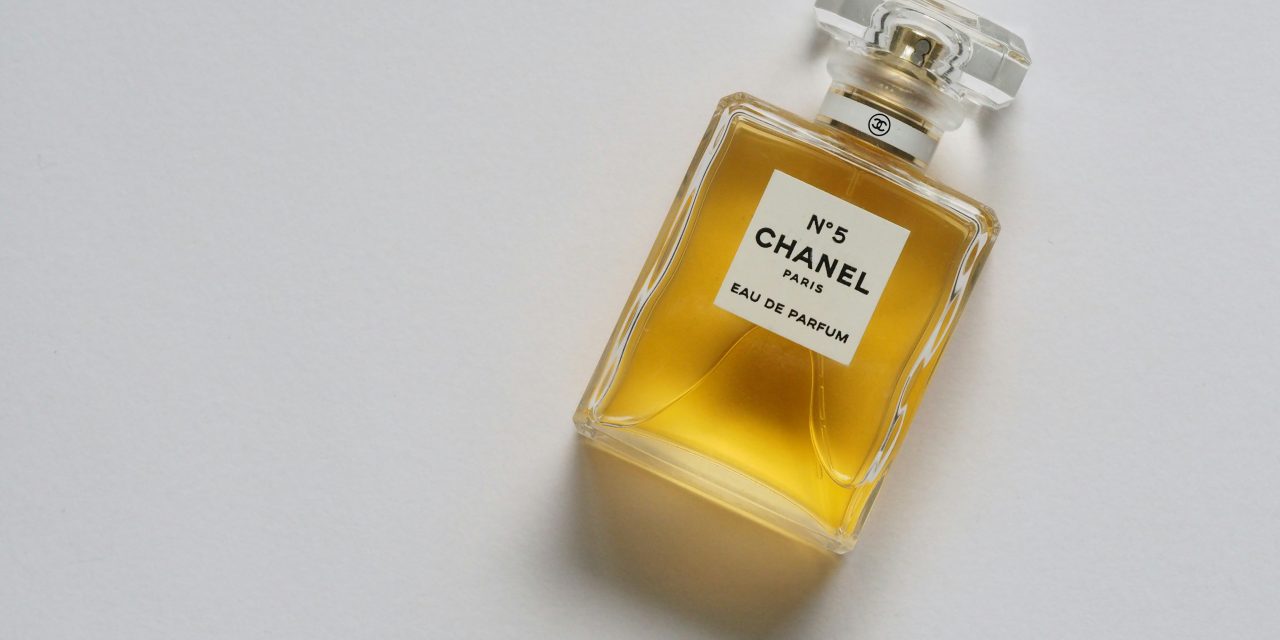
Perfume is an intricate blend of aromatic compounds that can evoke emotions, memories, and even influence perceptions. The art of fragrance application is not merely about dousing oneself in scent; it is a nuanced practice that requires an understanding of subtlety. A well-applied fragrance can enhance one’s presence without overwhelming those nearby. Subtlety in perfume application is essential for creating an inviting aura rather than an overpowering cloud of scent. This delicate balance can be achieved through mindful application techniques and an awareness of the environment.
The significance of subtlety extends beyond personal preference; it also reflects social etiquette. In professional settings, for instance, a strong fragrance can be distracting or even offensive to colleagues. Conversely, a light, well-placed scent can serve as a personal signature, leaving a lasting impression without dominating the atmosphere. Understanding the importance of subtlety in perfume application allows individuals to navigate various social contexts gracefully, ensuring that their fragrance complements rather than competes with their presence.
When it comes to applying perfume, it’s essential to strike the right balance to avoid overwhelming those around you. A thoughtful application can enhance your presence without being overpowering. For more tips on creating a pleasant environment, you might find this article on house cleaning services insightful, as a clean space can also contribute to a refreshing atmosphere. Check it out here: Top 10 House Cleaning Services to Transform Your Home Today.
Choosing the Right Concentration for Everyday Wear
When selecting a fragrance for daily use, concentration plays a pivotal role in determining how the scent will manifest throughout the day. Perfumes are categorized into several concentrations, including parfum (or extrait de parfum), eau de parfum, eau de toilette, and eau de cologne. Each type varies in the concentration of aromatic compounds, which directly influences longevity and intensity. For everyday wear, many individuals gravitate towards eau de toilette or eau de parfum due to their balanced nature—offering a pleasant scent without being overly potent.
Eau de toilette typically contains 5-15% fragrance oil, making it lighter and more suitable for casual settings. In contrast, eau de parfum contains 15-20% fragrance oil, providing a richer scent profile that can last longer on the skin. Choosing the right concentration involves considering personal preferences, lifestyle, and the occasions for which the fragrance will be worn. For instance, someone who works in a close-quarters environment may prefer an eau de toilette for its subtlety, while someone attending an evening event might opt for an eau de parfum to make a more pronounced statement.
Applying Perfume to Pulse Points for Lasting Scent

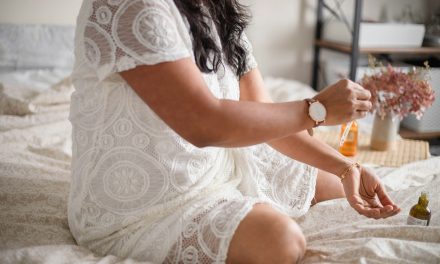
The strategic application of perfume to pulse points is a time-honored technique that enhances the longevity and projection of fragrance. Pulse points are areas on the body where blood vessels are closest to the skin’s surface, generating warmth that helps to diffuse and amplify scent. Common pulse points include the wrists, neck, behind the ears, and the inner elbows. By applying fragrance to these areas, individuals can ensure that their scent evolves throughout the day as body heat activates the aromatic compounds.
To maximize the effectiveness of this technique, it is advisable to apply perfume immediately after showering when skin is clean and hydrated. This practice allows for better absorption and retention of fragrance. Additionally, layering scents—using complementary products such as body lotion or shower gel—can further enhance the overall olfactory experience. By focusing on pulse points and employing layering techniques, individuals can create a harmonious scent profile that lasts longer and remains pleasantly subtle.
Using a Light Hand: How Much Perfume Is Enough?

Determining the appropriate amount of perfume to apply is crucial for achieving a balanced scent experience. A common misconception is that more is better; however, over-application can lead to an overwhelming olfactory presence that detracts from the intended effect. A light hand is essential for ensuring that fragrance remains subtle yet effective. Generally, two to four sprays or dabs are sufficient for most individuals, depending on the concentration of the perfume and personal preference.
When applying perfume, it is advisable to start with less and gradually build up if needed. This approach allows individuals to gauge how the scent interacts with their body chemistry and how it projects in different environments. Additionally, considering factors such as skin type—oily skin tends to hold fragrance longer than dry skin—can influence how much perfume should be applied. Ultimately, using a light hand ensures that fragrance enhances one’s presence without becoming overpowering.
When it comes to applying perfume, it’s important to strike the right balance to avoid overwhelming those around you. A subtle application can enhance your presence without being overpowering. For tips on how to achieve this, you might find it helpful to read an article that discusses the benefits of understanding scent layering and application techniques. You can find more information in this related article that offers insights into creating a pleasant olfactory experience.
Avoiding Common Over-Application Mistakes
Over-application of perfume is a frequent pitfall that many individuals encounter. One common mistake is applying fragrance directly onto clothing rather than skin; while this may seem convenient, it can lead to uneven scent distribution and potential staining. Additionally, applying perfume in confined spaces or during social gatherings can overwhelm others and create an uncomfortable atmosphere. To avoid these missteps, individuals should be mindful of their surroundings and consider how their fragrance may affect those nearby.
Another common error is reapplying perfume throughout the day without assessing its longevity on the skin. Instead of layering more fragrance, individuals should evaluate whether their scent has faded or if they simply have become desensitized to it. If reapplication is necessary, consider using a travel-sized version of the fragrance or opting for a scented body lotion that complements the original scent. By avoiding these common over-application mistakes, individuals can maintain a pleasant olfactory presence while respecting those around them.
The Role of Fragrance Layering and How to Do It Properly
Fragrance layering is an innovative technique that allows individuals to create a unique scent profile by combining different products with complementary notes. This method not only enhances the overall olfactory experience but also increases longevity by utilizing multiple layers of fragrance. To effectively layer scents, start with a scented body wash or scrub during bathing, followed by a matching body lotion or cream after drying off. Finally, apply your chosen perfume on top to create a cohesive scent experience.
When layering fragrances, it is essential to consider complementary notes that harmonize rather than clash. For example, pairing floral body lotion with a citrus-based perfume can create an intriguing contrast that enhances both scents. Additionally, individuals should be cautious not to over-layer; too many competing fragrances can lead to confusion rather than harmony. By mastering the art of fragrance layering, individuals can develop a signature scent that reflects their personality while remaining subtly alluring.
Timing Your Perfume Application for Optimal Effect
The timing of perfume application can significantly impact how a fragrance develops throughout the day. For optimal effect, it is advisable to apply perfume at specific times when skin is most receptive to absorbing scents. The best time to apply fragrance is immediately after showering when skin is clean and slightly damp; this allows for better absorption and retention of aromatic compounds.
Moreover, consider applying perfume before getting dressed to avoid potential staining on clothing and ensure that the scent interacts with your skin chemistry effectively. Additionally, timing can also relate to specific occasions; for instance, applying a more intense fragrance before an evening event can create a captivating aura as it evolves throughout the night. By being mindful of timing during application, individuals can enhance their overall fragrance experience.
Considering Your Environment and Audience
The environment in which one wears perfume plays a crucial role in determining which scents are appropriate and how they should be applied. In professional settings or crowded spaces, lighter fragrances are often more suitable as they are less likely to overwhelm colleagues or acquaintances. Conversely, more intense fragrances may be appropriate for social gatherings or evening events where individuals seek to make a statement.
Understanding your audience is equally important; different cultures and social groups may have varying sensitivities to scent. For example, some individuals may have allergies or sensitivities that make strong fragrances uncomfortable for them. Being considerate of those around you not only reflects good manners but also enhances your own experience by fostering positive interactions. By tailoring your fragrance choices to your environment and audience, you can ensure that your scent remains pleasant and appropriate.
Refreshing Your Scent Without Reapplying Excessively
Refreshing your scent throughout the day without excessive reapplication requires strategic planning and product selection. Instead of reaching for your perfume bottle multiple times during the day, consider using complementary scented products such as body mists or scented lotions that align with your chosen fragrance. These lighter alternatives can provide a refreshing boost without overwhelming those nearby.
Additionally, utilizing travel-sized versions of your favorite perfumes allows for convenient touch-ups without excessive application. When refreshing your scent, focus on pulse points or areas where you initially applied fragrance to maintain consistency throughout the day. By employing these strategies, you can enjoy a revitalized scent experience without compromising subtlety.
Storing Perfume to Maintain Its Integrity and Strength
Proper storage of perfume is essential for preserving its integrity and strength over time. Fragrance is sensitive to environmental factors such as light, heat, and humidity; therefore, storing perfumes in cool, dark places away from direct sunlight is crucial for maintaining their quality. Ideally, perfumes should be kept in their original boxes or opaque containers to shield them from light exposure.
Additionally, avoid storing perfumes in bathrooms where humidity levels fluctuate significantly; instead, opt for a stable environment such as a bedroom or closet shelf. By taking these precautions in storage practices, individuals can prolong the lifespan of their fragrances while ensuring they remain true to their original composition.
Tips for Selecting Scents That Are Pleasant Yet Subtle
Selecting scents that strike a balance between pleasantness and subtlety requires careful consideration of personal preferences and individual body chemistry. When exploring new fragrances, it is advisable to test them on your skin rather than relying solely on paper testers; this allows you to observe how the scent evolves over time as it interacts with your unique chemistry.
Opt for fragrances with lighter notes such as citrus, green tea, or soft florals for everyday wear; these scents tend to be more subtle yet refreshing. Additionally, consider seasonal variations; lighter fragrances are often more suitable for warmer months while deeper scents may be more appropriate during colder seasons. By thoughtfully selecting scents that align with personal preferences while remaining subtle in nature, individuals can cultivate an olfactory signature that enhances their presence without overwhelming others.
In summary, mastering the art of perfume application involves understanding subtlety and selecting appropriate concentrations while applying fragrances strategically to pulse points with a light hand. Avoiding common mistakes ensures an inviting aura while layering scents adds depth and complexity to one’s olfactory experience. Timing application appropriately based on environment and audience enhances overall enjoyment while refreshing scents thoughtfully maintains integrity over time. Ultimately, selecting pleasant yet subtle fragrances allows individuals to express themselves through scent while respecting those around them.
FAQs
What is the best way to apply perfume to avoid overwhelming others?
The best way to apply perfume without overwhelming others is to use a light hand. Apply the fragrance to pulse points such as the wrists, behind the ears, and the base of the throat, but limit the number of sprays to one or two. This allows the scent to be subtle and not overpowering.
How far away should I spray perfume from my body?
It is recommended to spray perfume from about 6 to 8 inches away from your skin. This distance helps to disperse the fragrance evenly and prevents it from being too concentrated in one area, which can be overwhelming.
Should I apply perfume on dry or moisturized skin?
Applying perfume on moisturized skin can help the scent last longer and project better. However, be cautious with heavily scented lotions, as they can mix with the perfume and create an overpowering combination. Opt for unscented or lightly scented moisturizers.
What types of fragrances are less likely to overwhelm others?
Light, fresh, and floral fragrances are generally less likely to overwhelm others compared to heavy, musky, or spicy scents. Citrus, green, and aquatic notes tend to be more subtle and can be more appropriate for environments where you want to avoid being overpowering.
How can I test a perfume’s strength before applying it?
To test a perfume’s strength, spray a small amount on a test strip or your wrist and wait for a few minutes to see how it develops. This allows you to gauge its intensity and longevity before applying it more liberally. If it feels too strong, consider using less or choosing a lighter fragrance.