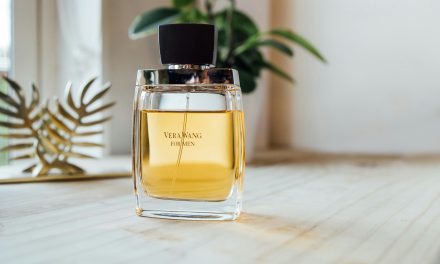
Fragrance notes are the individual components that create the overall scent profile of a perfume. These notes can be thought of as the building blocks of a fragrance, each contributing to the complexity and depth of the final product. The concept of fragrance notes is essential for anyone interested in perfumery, whether you are a novice or an experienced enthusiast. Understanding these notes allows individuals to appreciate the artistry behind scent creation and helps in selecting perfumes that resonate with personal preferences.
Fragrance notes are categorized into three primary layers: top, middle, and base notes. Each layer plays a distinct role in how a fragrance is perceived over time. Top notes are the initial scents that are detected upon application, often characterized by their light and volatile nature. Middle notes, also known as heart notes, emerge once the top notes dissipate and form the core of the fragrance. Finally, base notes provide depth and longevity, anchoring the scent and ensuring it lingers on the skin. This layered structure is crucial for understanding how fragrances evolve and interact with individual skin chemistry.
If you’re looking to enhance your understanding of fragrances, a great resource is an article that delves into the intricacies of identifying fragrance notes in a perfume. This guide provides valuable insights into the different layers of scents, helping you appreciate the complexity of your favorite fragrances. To explore more about this topic, you can read the article here: How to Identify Fragrance Notes in a Perfume.
Familiarize Yourself with the Three Layers: Top, Middle, and Base Notes
The three layers of fragrance notes—top, middle, and base—each serve a unique purpose in the olfactory experience. Top notes typically consist of fresh, citrusy, or herbal scents that create an immediate impression. Common examples include bergamot, lemon, and mint. These notes are fleeting, usually lasting only a few minutes to half an hour before they fade away, making way for the more complex middle notes.
Middle notes are often floral or fruity and serve as the heart of the fragrance. They emerge after the top notes evaporate and can last anywhere from 30 minutes to several hours. Examples include jasmine, rose, and peach. These scents provide balance and harmony to the overall composition, bridging the gap between the initial burst of freshness and the deeper, more enduring base notes.
Base notes are rich and heavy, often comprising woody, musky, or resinous elements that provide depth and longevity to a fragrance. Common base notes include sandalwood, vanilla, and amber. These scents can linger for hours or even days on the skin, creating a lasting impression long after the initial application. Understanding these three layers is essential for anyone looking to delve deeper into the world of perfumery.
Start with Simple Scents to Train Your Nose

To develop a refined sense of smell, it is beneficial to begin with simple scents that allow you to identify individual fragrance notes without overwhelming your olfactory senses. Start by selecting a few single-note fragrances or essential oils that represent distinct aromatic profiles. For instance, consider exploring lavender for its calming floral scent or peppermint for its invigorating freshness.
As you familiarize yourself with these basic scents, take note of their characteristics and how they make you feel. This practice will help you build a foundation for recognizing more complex fragrances in the future. By training your nose with simple scents, you will enhance your ability to discern subtle differences between various notes and develop a more nuanced understanding of fragrance compositions.
Use a Fragrance Wheel to Categorize Different Notes

A fragrance wheel is an invaluable tool for anyone interested in exploring the world of scents. This visual representation categorizes different fragrance families and their respective notes, making it easier to understand how various scents relate to one another. The wheel typically divides fragrances into categories such as floral, oriental, woody, and fresh, allowing users to navigate through different aromatic profiles with ease.
By utilizing a fragrance wheel, you can identify which families resonate with your personal preferences and explore related scents within those categories. For example, if you find yourself drawn to floral fragrances, you may want to explore subcategories like fruity florals or green florals. This systematic approach not only enhances your understanding of fragrance notes but also aids in selecting perfumes that align with your taste.
If you’re looking to enhance your understanding of fragrances, a great resource is an article that delves into the intricacies of identifying fragrance notes in a perfume. This guide will help you distinguish between top, middle, and base notes, allowing you to appreciate the complexity of your favorite scents. For more culinary inspiration, you might also enjoy learning how to create a delicious creamy pasta sauce without heavy cream, which can elevate your dining experience. Check out the article here for a delightful recipe that complements your newfound fragrance knowledge. You can find it at this link.
Practice Smelling Ingredients Individually
To deepen your understanding of fragrance notes, it is essential to practice smelling individual ingredients used in perfumery. This exercise allows you to isolate specific scents and recognize their unique characteristics without interference from other notes. Consider visiting a local perfumery or specialty store where you can sample various essential oils or raw materials.
When practicing this technique, take your time to inhale deeply and focus on each ingredient’s aroma. Pay attention to its intensity, texture, and emotional response it evokes. By developing this skill, you will enhance your ability to identify individual notes within complex fragrances and improve your overall scent recognition.
Understanding how to identify fragrance notes in a perfume can enhance your appreciation for scents and help you choose the perfect fragrance for any occasion. For a deeper dive into the world of perfumes and their complexities, you might find this insightful article on affordable dog boarding and training particularly interesting, as it touches on the importance of creating a pleasant atmosphere, much like selecting the right fragrance. By learning to recognize top, middle, and base notes, you can better navigate the diverse offerings in the perfume market and find scents that resonate with your personal style.
Take Your Time: Learn to Identify Notes at Different Stages
Fragrances evolve over time as they interact with skin chemistry and environmental factors. To fully appreciate this dynamic process, it is crucial to take your time when evaluating a perfume. Allow each fragrance to develop on your skin for several hours before forming a final opinion about its scent profile.
As you experience a fragrance at different stages—initial application (top notes), mid-development (middle notes), and dry-down (base notes)—take note of how the scent transforms over time. This practice will help you understand how various notes interact with one another and how they contribute to the overall olfactory experience.
Use a Scent Journal to Track Your Observations
Keeping a scent journal is an effective way to document your fragrance experiences and observations over time. In this journal, record details about each perfume you try, including its name, brand, scent profile, and your personal impressions. Additionally, note how long each note lasts on your skin and any emotional responses or memories evoked by specific scents.
By maintaining this journal, you will create a valuable resource that allows you to track your evolving preferences and refine your understanding of fragrance notes. Over time, you may notice patterns in your scent choices that can guide future selections and enhance your overall appreciation for perfumery.
Compare Similar Perfumes to Distinguish Subtle Differences
To sharpen your olfactory skills further, consider comparing similar perfumes side by side. Select fragrances that belong to the same family or share common notes but differ in composition or intensity. For example, compare two floral fragrances—one featuring rose as its primary note and another highlighting jasmine.
As you evaluate these perfumes simultaneously, pay attention to their nuances and how they differ in terms of scent strength, complexity, and emotional impact. This exercise will help you develop a more discerning palate and enhance your ability to identify subtle differences between fragrances.
Learn Common Aromatic Families and Their Characteristics
Familiarizing yourself with common aromatic families is essential for understanding fragrance composition. Each family possesses distinct characteristics that define its overall scent profile. For instance:
– Floral: Typically characterized by sweet and romantic scents derived from flowers such as rose or lily.
– Oriental: Rich and exotic fragrances often featuring spices like cinnamon or vanilla combined with warm resins.
– Woody: Earthy scents derived from trees such as cedarwood or sandalwood that evoke a sense of warmth.
– Fresh: Light and invigorating fragrances often incorporating citrus or green notes that provide an uplifting experience.
By learning about these families and their characteristics, you will gain insight into how different notes interact within each category and enhance your ability to select perfumes that align with your preferences.
Attend Perfume Workshops or Scent Classes for Hands-On Experience
Participating in perfume workshops or scent classes can provide invaluable hands-on experience in understanding fragrance notes. These educational opportunities often involve guided tastings where participants can explore various ingredients and learn about their roles in perfumery.
During these sessions, you may have the chance to create your own custom fragrances under the guidance of experienced perfumers. This practical experience not only enhances your understanding of scent composition but also fosters creativity in crafting unique olfactory experiences.
Trust Your Instincts and Develop Your Personal Fragrance Vocabulary
As you embark on your journey into the world of fragrances, it is essential to trust your instincts when evaluating scents. Everyone’s olfactory perception is unique; therefore, what resonates with one person may not necessarily appeal to another. Embrace your preferences and allow them to guide your fragrance choices.
Additionally, developing a personal fragrance vocabulary can enhance your ability to articulate your experiences with different scents. Consider using descriptive terms such as “crisp,” “warm,” “earthy,” or “spicy” when discussing fragrances with others or documenting your observations in your scent journal.
In summary, understanding fragrance notes is fundamental for anyone interested in perfumery. By familiarizing yourself with the three layers—top, middle, and base—you can appreciate how fragrances evolve over time. Practicing with simple scents, utilizing tools like fragrance wheels, and maintaining a scent journal will further enhance your olfactory skills. Engaging in workshops provides hands-on experience while trusting your instincts allows for personal expression in fragrance selection. Ultimately, this journey into the world of scents offers endless opportunities for exploration and discovery.
FAQs
What are fragrance notes in a perfume?
Fragrance notes are the individual components that make up a perfume’s scent profile. They are typically categorized into three layers: top notes, middle (or heart) notes, and base notes. Top notes are the initial scents perceived upon application, middle notes develop after the top notes evaporate, and base notes provide depth and longevity to the fragrance.
How can I identify the top notes in a perfume?
To identify the top notes in a perfume, apply a small amount to your skin or a testing strip and take a moment to smell it immediately after application. Top notes are usually light and fresh, often consisting of citrus, herbs, or light fruits, and they typically evaporate within the first 15 minutes.
What are some common middle notes found in perfumes?
Common middle notes include floral scents like rose and jasmine, as well as spices such as cinnamon and nutmeg. These notes emerge after the top notes fade and can last for several hours, providing the main character of the fragrance.
How do I recognize base notes in a fragrance?
Base notes are identified after the perfume has settled, usually a few hours after application. They are richer and deeper scents, often including ingredients like vanilla, musk, amber, or woods. To recognize them, allow the perfume to develop on your skin and return to it after some time to detect these lingering scents.
Can the same perfume smell different on different people?
Yes, the same perfume can smell different on different individuals due to factors such as skin chemistry, body temperature, and personal hygiene products. These factors can alter how the fragrance notes interact with the skin, leading to variations in scent perception.