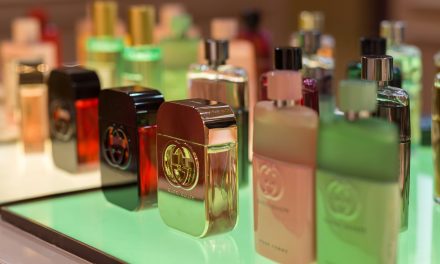
Perfumes are intricate blends of aromatic compounds, essential oils, and solvents that create a unique olfactory experience. The composition of a fragrance typically consists of three layers: top notes, middle notes, and base notes. Top notes are the initial scents perceived upon application, often citrusy or fruity, which evaporate quickly. Middle notes, or heart notes, emerge after the top notes dissipate and provide the fragrance’s core character, often floral or spicy. Finally, base notes are the lingering scents that provide depth and longevity, usually derived from heavier materials like woods or resins.
Sensitivity to perfumes varies significantly among individuals due to genetic factors, environmental influences, and personal experiences. Some people may experience allergic reactions or heightened sensitivity to specific fragrance components, leading to headaches, skin irritations, or respiratory issues. Understanding the composition of perfumes can help individuals make informed choices about which fragrances to wear and how to store them effectively to maintain their integrity.
When considering the best practices for storing perfume, many people wonder whether refrigeration is a suitable option. While some argue that keeping perfume in the fridge can help preserve its fragrance, others suggest that it may not be necessary. For those interested in maintaining the quality of their belongings, you might find it helpful to read about effective stain removal techniques, such as in this article on removing red wine stains from carpet. Understanding how to care for various items can enhance your overall home maintenance routine.
The Science Behind Perfume Storage
Proper storage of perfumes is crucial for preserving their aromatic qualities and extending their shelf life. Fragrance stability is influenced by various factors, including light exposure, temperature fluctuations, and humidity levels. Ultraviolet (UV) light can degrade essential oils and alter the chemical structure of fragrance compounds, leading to a diminished scent profile. Therefore, storing perfumes in dark containers or opaque boxes can help shield them from harmful light exposure.
Temperature plays a pivotal role in the preservation of perfumes. High temperatures can accelerate the evaporation of volatile compounds, while extreme cold can cause the separation of ingredients. Additionally, humidity can affect the integrity of the fragrance by promoting mold growth or altering the chemical balance. Understanding these factors is essential for maintaining the quality of perfumes over time.
Pros of Storing Perfume in the Refrigerator

Refrigerating perfumes can offer several advantages that contribute to their longevity and overall quality. One significant benefit is temperature stability; a refrigerator maintains a consistent cool environment that minimizes fluctuations that can lead to degradation. This controlled climate helps preserve the delicate balance of aromatic compounds, ensuring that the fragrance remains true to its original formulation.
Another advantage of refrigeration is the refreshing sensation it provides upon application. Cold fragrances can evoke a sense of invigoration, particularly during hot weather or after physical activity. Additionally, certain ingredients in perfumes may benefit from cooler temperatures, as they can enhance the scent’s complexity and depth. For individuals who live in warmer climates or experience high humidity levels, refrigeration may be an effective solution for maintaining fragrance integrity.
Cons of Refrigerating Your Fragrance

Despite its benefits, refrigerating perfumes also has potential drawbacks that should be considered. One primary concern is the risk of condensation forming inside the bottle when it is removed from the cold environment. This moisture can lead to dilution or alteration of the fragrance’s composition, ultimately affecting its scent profile. Furthermore, frequent temperature changes can cause expansion and contraction of the liquid within the bottle, potentially leading to leakage or damage.
Additionally, not all fragrances are suitable for refrigeration. Perfumes with high oil content may become overly viscous in cold temperatures, altering their application and scent release. Moreover, certain ingredients may not respond well to cold storage, resulting in an undesirable olfactory experience. It is essential for fragrance enthusiasts to evaluate their specific perfumes before deciding on refrigeration as a storage method.
When considering the best practices for storing your perfume, you might find it interesting to explore how long cooked turkey lasts after Thanksgiving, as proper storage can significantly impact the longevity of both food and fragrance. For more insights on food preservation, check out this article on how long cooked turkey lasts. Just as with perfume, understanding the right conditions for storage can help maintain quality and freshness over time.
Ideal Temperature and Humidity Conditions for Perfume
The ideal storage conditions for perfumes typically involve a cool, dark environment with stable temperatures ranging between 15°C to 20°C (59°F to 68°F). This temperature range helps preserve the integrity of aromatic compounds while preventing evaporation and degradation. Humidity levels should ideally be kept low, around 40% to 50%, to minimize the risk of mold growth and maintain the fragrance’s chemical balance.
Storing perfumes in a dedicated area away from direct sunlight and heat sources is crucial for maintaining optimal conditions. A closet or drawer that remains consistently cool and dark is often an ideal choice for perfume storage. By adhering to these guidelines, individuals can significantly extend the lifespan of their fragrances while ensuring they remain true to their original scent profiles.
When considering the best way to preserve your favorite fragrances, you might wonder if storing perfume in the refrigerator is a good idea. This topic is explored in detail in a related article that discusses various home organization tips, including how to create stylish drop zones for your essentials. For more insights on organizing your space effectively, you can check out this article on stylish drop zones that can help you keep your items in order while also enhancing your home’s aesthetic.
How Refrigeration Affects Different Types of Perfumes
The impact of refrigeration on various types of perfumes can vary significantly based on their composition and formulation. For instance, citrus-based fragrances may benefit from cooler temperatures as they tend to be more volatile and susceptible to degradation in warmer environments. The refreshing nature of these scents can be enhanced by refrigeration, making them more enjoyable during hot weather.
Conversely, heavier fragrances such as orientals or gourmand scents may not respond well to cold storage. The richness and complexity of these perfumes often rely on warmth for optimal scent release. Refrigeration could potentially mute their character and alter their intended olfactory experience. Therefore, it is essential for consumers to consider the specific characteristics of their fragrances before deciding whether refrigeration is appropriate.
Alternative Storage Solutions for Maintaining Freshness
For those who prefer not to refrigerate their perfumes but still wish to maintain freshness, several alternative storage solutions exist. One effective method is using a dark glass container or box that shields the fragrance from light exposure while providing insulation against temperature fluctuations. Additionally, keeping perfumes away from heat sources such as radiators or direct sunlight can help preserve their integrity.
Another option is utilizing silica gel packets or other desiccants within the storage area to control humidity levels effectively. These materials absorb excess moisture and help maintain a stable environment for perfumes. Furthermore, avoiding frequent opening and closing of perfume bottles can minimize air exposure and oxidation, which can lead to degradation over time.
Tips for Extending the Life of Your Perfume
To maximize the lifespan of your perfume collection, consider implementing several best practices for storage and usage. First and foremost, always store fragrances in their original packaging whenever possible; this helps protect them from light exposure and environmental factors that could compromise their quality. Additionally, avoid storing perfumes in bathrooms where humidity levels fluctuate significantly due to showers and baths.
When applying perfume, consider using pulse points such as wrists or behind the ears rather than rubbing them together after application; this preserves the integrity of the fragrance molecules and allows for better scent diffusion throughout the day. Lastly, be mindful of expiration dates; while many perfumes can last several years if stored correctly, some may have a limited shelf life due to their composition.
Signs Your Perfume Has Gone Bad
Recognizing when a perfume has gone bad is essential for ensuring an enjoyable olfactory experience. One common indicator is a change in color; if a fragrance appears darker or cloudier than when first purchased, it may have deteriorated due to exposure to light or air. Additionally, an off-putting odor or a scent that deviates significantly from its original profile can signal degradation.
Another sign of spoilage is changes in texture; if a perfume becomes thick or viscous when it was previously fluid, this could indicate separation of ingredients or contamination. Lastly, if you notice any sediment at the bottom of the bottle or if it has developed an unusual film on its surface, it is advisable to discontinue use as these are clear signs that the fragrance has gone bad.
Best Practices for Daily Perfume Use and Storage
To ensure optimal enjoyment and longevity of your favorite fragrances during daily use, adhere to several best practices for application and storage. When applying perfume, consider layering with unscented moisturizers or lotions; this can help enhance longevity by providing a base for the fragrance to cling to throughout the day. Additionally, avoid applying perfume directly onto clothing as this may lead to staining or alteration of fabric colors over time.
For storage purposes, designate a specific area away from direct sunlight and heat sources where your perfume collection can reside undisturbed. Consider using decorative boxes or trays that not only protect your fragrances but also add an aesthetic touch to your space. Lastly, keep track of your perfume collection by noting purchase dates; this will help you monitor expiration dates and ensure you use your favorites before they go bad.
Final Verdict: Should You Store Perfume in the Refrigerator?
In conclusion, whether or not to store perfume in the refrigerator ultimately depends on individual preferences and specific fragrance compositions. While refrigeration offers benefits such as temperature stability and enhanced freshness for certain scents—particularly lighter citrus-based fragrances—it may not be suitable for heavier compositions that thrive in warmer environments.
Ultimately, understanding your perfume’s unique characteristics and adhering to best practices for storage will yield optimal results in maintaining its integrity over time. By considering factors such as temperature stability, humidity control, and light exposure—along with alternative storage solutions—you can ensure your fragrances remain vibrant and enjoyable for years to come.
FAQs
Is it beneficial to store perfume in the refrigerator?
Storing perfume in the refrigerator can help maintain its freshness and longevity by keeping it at a stable, cool temperature. Heat and light can degrade the fragrance over time, so a refrigerator can provide a protective environment.
What types of perfumes should be stored in the refrigerator?
Generally, perfumes with natural ingredients or those that are more delicate, such as citrus or floral scents, benefit from refrigeration. However, most commercial perfumes can be stored at room temperature if kept away from direct sunlight and heat.
Can refrigeration alter the scent of perfume?
Refrigeration can sometimes alter the scent of a perfume, particularly if it contains volatile compounds that may react to temperature changes. However, for most perfumes, the effect is minimal, and they often retain their intended fragrance when stored properly.
How should perfume be stored in the refrigerator?
Perfume should be stored upright in a cool, dark place within the refrigerator, ideally in its original box to protect it from light and temperature fluctuations. Avoid placing it in the door, where temperatures can vary more significantly.
Are there any downsides to storing perfume in the refrigerator?
One downside to storing perfume in the refrigerator is the potential for condensation, which can occur when the bottle is taken in and out of the fridge. This moisture can affect the perfume’s quality. Additionally, frequent temperature changes can also impact the fragrance over time.