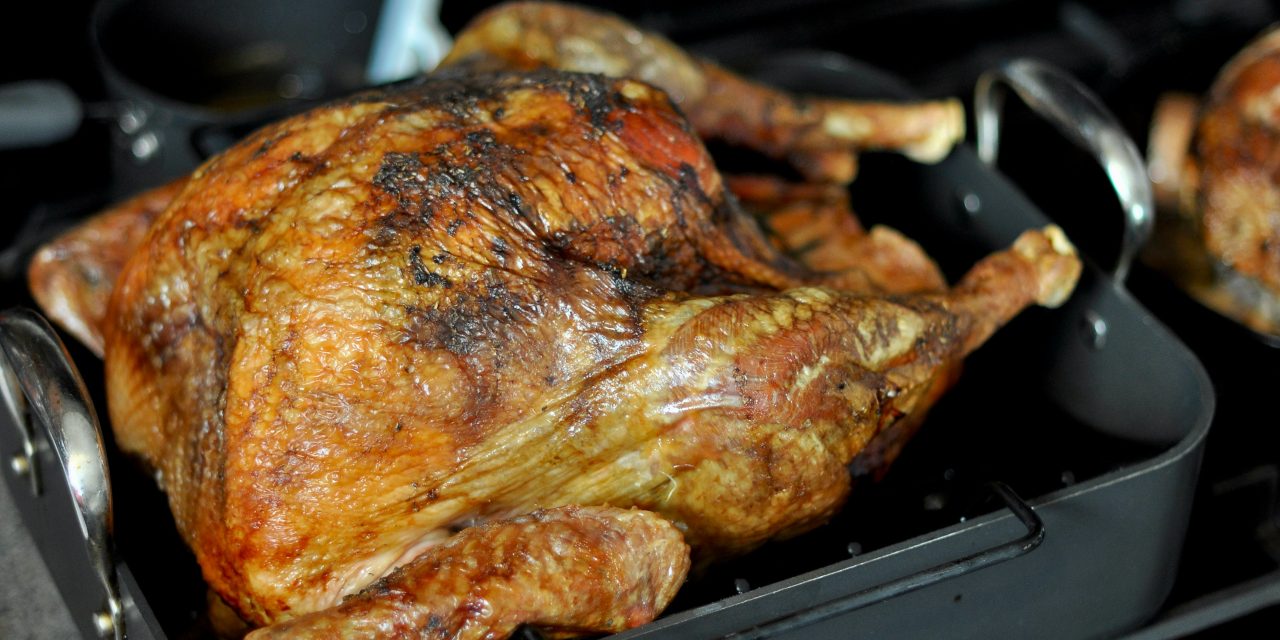
The shelf life of cooked turkey is a critical consideration for both food safety and culinary enjoyment. Cooked turkey, whether it’s from a holiday feast or a weeknight dinner, can provide delicious leftovers that are both nutritious and versatile. However, understanding how long these leftovers can be safely consumed is essential to prevent foodborne illnesses. Generally, cooked turkey can last for about 3 to 4 days in the refrigerator when stored properly. Beyond this timeframe, the risk of spoilage increases significantly, leading to potential health hazards.
The concept of shelf life encompasses not only the duration that food remains safe to eat but also its quality over time. Factors such as moisture content, temperature, and exposure to air can all influence how long cooked turkey retains its flavor and texture. For optimal safety and quality, it is advisable to consume cooked turkey within the recommended timeframe and to utilize proper storage techniques.
Factors Affecting Turkey’s Freshness After Cooking
Several factors play a pivotal role in determining the freshness of cooked turkey after it has been prepared. One of the primary influences is temperature. Cooked turkey should be cooled to room temperature before being placed in the refrigerator; however, it should not be left out for more than two hours to minimize bacterial growth. The USDA recommends that cooked turkey be refrigerated at temperatures below 40°F (4°C) to inhibit the proliferation of pathogens.
Another significant factor is the method of cooking. Turkey that has been roasted, grilled, or smoked may have different moisture levels compared to turkey that has been boiled or steamed. The moisture content can affect how quickly bacteria multiply. Additionally, cross-contamination during preparation or serving can introduce harmful bacteria, further compromising the freshness of the turkey. Proper hygiene practices, such as washing hands and utensils, are crucial in maintaining food safety.
Proper Storage Techniques for Cooked Turkey

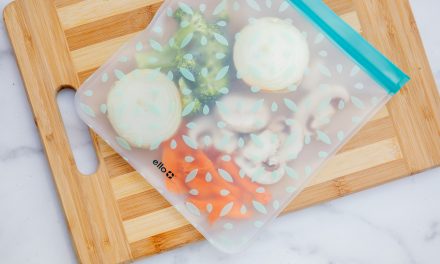
To maximize the shelf life of cooked turkey, employing proper storage techniques is essential. First and foremost, it is advisable to store turkey in airtight containers or tightly wrapped in aluminum foil or plastic wrap. This prevents exposure to air, which can lead to oxidation and spoilage. Labeling containers with the date of cooking can also help keep track of how long the turkey has been stored.
When refrigerating cooked turkey, it is important to place it in the coldest part of the refrigerator, typically at the back of the middle shelf. Avoid storing it in the door, as this area experiences temperature fluctuations due to frequent opening and closing. For longer-term storage, freezing cooked turkey is an excellent option. When freezing, ensure that the turkey is cut into smaller portions for quicker freezing and easier thawing later on.
How Long Can Cooked Turkey Stay in the Refrigerator?

Cooked turkey can safely remain in the refrigerator for approximately 3 to 4 days. This timeframe applies to all forms of cooked turkey, including slices, whole birds, and turkey dishes such as casseroles or soups. It is crucial to monitor the storage conditions closely; if the refrigerator temperature fluctuates or if there are signs of spoilage, it may be prudent to discard the turkey sooner.
To ensure that cooked turkey remains safe for consumption throughout its shelf life, it is advisable to check for any unusual odors or changes in texture before eating. If there are any doubts about its freshness, it is better to err on the side of caution and dispose of the turkey rather than risk foodborne illness.
Signs That Cooked Turkey Has Gone Bad
Identifying signs of spoilage in cooked turkey is vital for ensuring food safety. One of the most common indicators is an off-putting odor; fresh cooked turkey should have a mild aroma. If there is a sour or rancid smell, it is a clear sign that the meat has spoiled and should not be consumed.
Visual cues are also important in assessing freshness. Cooked turkey that has developed a slimy texture or discoloration—such as gray or green patches—should be discarded immediately. Additionally, if mold appears on any part of the turkey, it is imperative to throw it away without hesitation. Consuming spoiled meat can lead to serious health issues such as food poisoning.
Freezing Cooked Turkey: Guidelines and Duration
Freezing cooked turkey is an effective method for extending its shelf life beyond what refrigeration allows. When properly frozen, cooked turkey can last for up to 4 months without significant loss of quality. To freeze cooked turkey effectively, ensure that it is cooled completely before placing it in airtight containers or heavy-duty freezer bags.
It is advisable to label each container with the date of freezing to keep track of storage time. For optimal results, consider portioning the turkey into meal-sized servings before freezing; this not only facilitates quicker freezing but also makes thawing more manageable when ready to use. When reheating frozen turkey, it is best to thaw it in the refrigerator overnight rather than at room temperature to minimize bacterial growth.
Best Practices for Reheating Leftover Turkey Safely
Reheating leftover turkey requires careful attention to ensure that it reaches a safe internal temperature while retaining its flavor and moisture. The USDA recommends reheating poultry to an internal temperature of 165°F (74°C) before consumption. This can be achieved using various methods such as oven baking, stovetop heating, or microwave reheating.
When using an oven, preheat it to 325°F (163°C) and cover the turkey with foil to prevent drying out during reheating. For stovetop reheating, adding a small amount of broth or water can help maintain moisture levels. If using a microwave, ensure even heating by stirring or rotating the turkey halfway through the reheating process. Always use a food thermometer to verify that the meat has reached the appropriate temperature before serving.
Can You Eat Cooked Turkey Left Out Overnight?
Leaving cooked turkey out overnight poses significant risks for food safety. The USDA advises against consuming any perishable food that has been left at room temperature for more than two hours; this includes cooked turkey. Bacteria can multiply rapidly at temperatures between 40°F (4°C) and 140°F (60°C), leading to potential foodborne illnesses.
If cooked turkey has been left out overnight, it is best to discard it rather than risk consuming contaminated meat. Even if there are no visible signs of spoilage, harmful bacteria may still be present and could lead to serious health complications if ingested.
Using Leftover Turkey in Recipes: Safety Tips
Incorporating leftover turkey into new recipes can be a delightful way to reduce waste while enjoying delicious meals. However, safety should always be a priority when repurposing leftovers. Ensure that any leftover turkey used in recipes has been stored properly and consumed within the recommended timeframe.
When preparing dishes such as soups, casseroles, or salads with leftover turkey, make sure that all ingredients are fresh and safe for consumption. Additionally, when reheating these dishes, ensure they reach an internal temperature of 165°F (74°C) before serving. This practice not only enhances flavor but also ensures that any potential bacteria are eliminated.
Preventing Foodborne Illness from Leftover Turkey
Preventing foodborne illness from leftover turkey involves implementing safe food handling practices throughout preparation, storage, and reheating processes. Begin by washing hands thoroughly before handling any food items and ensuring that all utensils and surfaces are clean.
Proper cooling techniques are essential; allow cooked turkey to cool at room temperature for no more than two hours before refrigerating or freezing it. When reheating leftovers, always use a food thermometer to confirm that they have reached a safe internal temperature of 165°F (74°C). By adhering to these guidelines, individuals can significantly reduce their risk of foodborne illnesses associated with leftover turkey.
Summary: Maximizing the Shelf Life of Your Cooked Turkey
In conclusion, understanding how to maximize the shelf life of cooked turkey involves recognizing its safe storage duration and employing effective techniques for preservation and reheating. Cooked turkey can last up to 4 days in the refrigerator and up to 4 months in the freezer when stored properly in airtight containers. Monitoring signs of spoilage—such as odor changes or texture alterations—is crucial for ensuring food safety.
By following best practices for storage and reheating while being mindful of foodborne illness prevention strategies, individuals can enjoy their leftover turkey safely and deliciously. Ultimately, proper handling not only enhances culinary experiences but also safeguards health and well-being.
FAQs
How long can cooked turkey be stored in the refrigerator?
Cooked turkey can be safely stored in the refrigerator for 3 to 4 days. It should be placed in an airtight container or tightly wrapped to maintain its quality and prevent contamination.
Can cooked turkey be frozen, and if so, how long does it last in the freezer?
Yes, cooked turkey can be frozen. When properly stored in an airtight container or heavy-duty freezer bag, it can last for up to 2 to 6 months in the freezer while maintaining its best quality.
What is the best way to reheat leftover cooked turkey?
The best way to reheat leftover cooked turkey is to use the oven. Preheat the oven to 325°F (165°C), place the turkey in a baking dish, cover it with foil, and heat until it reaches an internal temperature of 165°F (74°C).
How can you tell if cooked turkey has gone bad?
Signs that cooked turkey has gone bad include an off smell, a slimy texture, or discoloration. If the turkey has been stored for longer than the recommended time, it is best to discard it to avoid foodborne illness.
Is it safe to eat cooked turkey after the 4-day refrigerator limit?
While it may still be safe to eat cooked turkey after the 4-day limit if it has been stored properly, it is not recommended. To ensure food safety, it is best to consume or freeze leftovers within the recommended time frame.