In the quest for smooth, hair-free skin, individuals are presented with a myriad of hair removal options. From traditional methods like shaving to modern solutions such as depilatory creams, the choices can be overwhelming. Each method has its unique advantages and disadvantages, making it essential to understand how they work, their effectiveness, and their impact on skin health. This article delves into various hair removal techniques, focusing on the mechanics of hair removal creams and shaving, while also considering factors such as skin sensitivity, duration of results, convenience, cost, safety precautions, and environmental implications.
As society increasingly emphasizes aesthetics and personal grooming, the demand for effective hair removal solutions continues to rise. The choice between creams and razors often hinges on individual preferences, skin types, and lifestyle considerations. By examining these factors in detail, individuals can make informed decisions that align with their personal grooming goals.
When considering the best method for hair removal, many people often debate between using hair removal cream and shaving. Each option has its own set of advantages and disadvantages, making it essential to understand which method suits your needs best. For a deeper dive into personal grooming choices, you might find this article on growing vibrant zinnias from seed interesting, as it highlights the importance of nurturing and care in both gardening and personal grooming. Check it out here: 10 Easy Steps to Grow Vibrant Zinnias from Seed Successfully.
How Hair Removal Creams Work
Hair removal creams, also known as depilatories, utilize chemical agents to dissolve the protein structure of hair. The primary active ingredients in these formulations typically include calcium thioglycolate or potassium thioglycolate. These compounds break down keratin, the protein that makes up hair, allowing it to be easily wiped away from the skin’s surface. The application process is straightforward: users apply the cream to the desired area, leave it on for a specified duration, and then remove it with a spatula or cloth.
The effectiveness of hair removal creams can vary based on hair thickness and skin type. For individuals with coarse hair, multiple applications may be necessary to achieve desired results. Additionally, the formulation of the cream can influence its efficacy; some products are designed specifically for sensitive skin, while others may contain stronger chemicals for more robust hair types. It is crucial to follow the manufacturer’s instructions meticulously to avoid adverse reactions.
The Shaving Process Explained

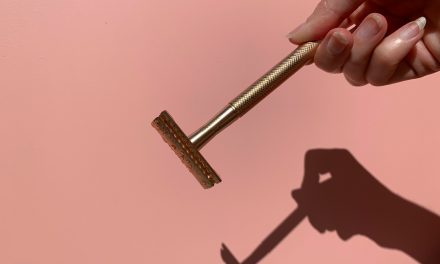
Shaving is one of the most common methods of hair removal and involves using a razor blade to cut hair at the skin’s surface. The process begins with preparing the skin by cleansing it thoroughly and applying a lubricant such as shaving cream or gel. This step is vital as it helps reduce friction between the razor and the skin, minimizing the risk of irritation or cuts.
Once the skin is prepped, users glide the razor over the area in the direction of hair growth. This technique helps prevent ingrown hairs and reduces irritation. After shaving, it is essential to rinse the area with cool water to close pores and apply a soothing aftershave product to hydrate and calm the skin. Regular maintenance is necessary to keep skin smooth, as shaving typically requires frequent repetition due to its superficial nature.
When evaluating the effectiveness of hair removal creams versus razors, several factors come into play. Hair removal creams generally provide a smoother finish since they dissolve hair just below the surface of the skin. This method can result in a longer-lasting effect compared to shaving, which only cuts hair at the surface level.
However, shaving offers immediate results and can be performed quickly without waiting for a cream to take effect. For individuals with sensitive skin or those prone to allergic reactions, shaving may be a safer option as it does not involve chemical exposure. Ultimately, effectiveness can be subjective and varies based on individual preferences and hair types.
Skin Sensitivity and Irritation Risks

Skin sensitivity is a critical consideration when choosing a hair removal method. Hair removal creams contain potent chemicals that can cause irritation or allergic reactions in some individuals. Symptoms may include redness, itching, or burning sensations. It is advisable to conduct a patch test on a small area of skin before full application to assess tolerance.
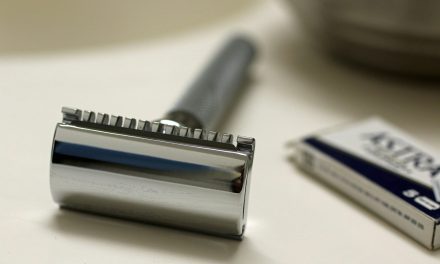
On the other hand, shaving can also lead to irritation, particularly if proper techniques are not employed. Razor burn, nicks, and cuts are common issues associated with shaving. Individuals with sensitive skin may benefit from using electric razors or safety razors designed to minimize irritation. Ultimately, understanding one’s skin type and its reactions to various products is essential for selecting an appropriate hair removal method.
When considering the best method for hair removal, many people find themselves debating between hair removal cream and shaving. Each option has its own set of advantages and drawbacks, making it essential to evaluate personal preferences and skin types. For those interested in exploring this topic further, a related article discusses various hair removal techniques and their effectiveness, which can be found here. Understanding these differences can help you make an informed decision that suits your needs.
Duration of Results: Which Lasts Longer?
The longevity of results from hair removal methods varies significantly between creams and shaving. Hair removal creams typically provide smoother results that can last anywhere from three to seven days, depending on individual hair growth rates and thickness. This duration is often longer than that achieved through shaving.
Conversely, shaving results usually last only one to three days before regrowth becomes noticeable. This discrepancy arises because shaving cuts hair at the surface level rather than removing it from the follicle. For individuals seeking longer-lasting results without resorting to more permanent methods like waxing or laser treatments, depilatory creams may be more appealing.
When considering the best method for hair removal, many people often debate between using hair removal cream and shaving. Each option has its own set of advantages and disadvantages, making it essential to understand which one suits your needs better. For a deeper insight into this topic, you might find this article on hair removal techniques particularly helpful, as it compares various methods and their effectiveness. Ultimately, the choice between hair removal cream and shaving depends on personal preferences, skin sensitivity, and desired results.
Convenience and Time Considerations
Convenience plays a significant role in choosing a hair removal method. Hair removal creams require a bit more time for application and processing compared to shaving. Users must apply the cream evenly and wait for several minutes before rinsing it off. This waiting period can be inconvenient for those with busy schedules.
In contrast, shaving is often quicker and can be done in as little as five minutes, making it an attractive option for individuals seeking efficiency in their grooming routine. However, this speed comes at the cost of needing more frequent maintenance due to faster regrowth rates. Ultimately, personal schedules and preferences will dictate which method is more convenient for each individual.
Cost Analysis: Creams Compared to Shaving
When considering cost-effectiveness, both hair removal creams and razors have their financial implications. Hair removal creams typically range from $5 to $15 per tube, depending on brand and formulation. A single tube can last several applications, making it relatively economical for those who use it regularly.
On the other hand, razors can vary widely in price based on quality and type—disposable razors may cost as little as $1 each, while high-end safety razors can exceed $50. Additionally, users must factor in the ongoing costs of replacement blades or cartridges for multi-blade systems. Over time, these expenses can accumulate significantly.
Safety Precautions and Allergic Reactions
Safety precautions are paramount when using any hair removal method. For depilatory creams, users should always perform a patch test 24 hours before full application to check for allergic reactions or sensitivities. If any adverse effects occur during this test—such as redness or swelling—individuals should refrain from using that product.
For shaving, employing proper techniques is crucial to minimize risks associated with cuts or razor burn. Using a clean razor blade and ensuring adequate lubrication with shaving cream or gel can significantly reduce irritation. Individuals prone to sensitive skin should consider using electric razors or safety razors designed specifically for delicate areas.
Environmental Impact of Hair Removal Methods
The environmental implications of hair removal methods are increasingly coming under scrutiny as consumers become more eco-conscious. Hair removal creams often come in plastic packaging that contributes to waste accumulation in landfills. Additionally, some chemical ingredients may pose environmental hazards if washed down drains.
Conversely, traditional razors generate waste through disposable blades and plastic handles that are not biodegradable. However, safety razors made from stainless steel offer a more sustainable alternative since they produce less waste over time and can last for years with proper care. Individuals concerned about their ecological footprint should consider these factors when selecting their preferred hair removal method.
Making the Right Choice for Your Skin Type and Lifestyle
Ultimately, choosing between hair removal creams and shaving hinges on individual skin types and lifestyle preferences. Those with sensitive skin may find that shaving offers fewer risks of irritation compared to chemical depilatories. Conversely, individuals seeking longer-lasting results might prefer hair removal creams despite potential sensitivities.
Lifestyle factors also play a significant role; busy individuals may favor quick shaving sessions over waiting for creams to take effect. Conversely, those who prioritize smoothness may opt for depilatory creams despite their longer application time.
In conclusion, understanding various hair removal options allows individuals to make informed decisions tailored to their unique needs and preferences. By weighing factors such as effectiveness, duration of results, convenience, cost analysis, safety precautions, environmental impact, and personal lifestyle considerations, individuals can select the most suitable method for achieving their desired grooming outcomes while maintaining skin health.
In summary, both hair removal creams and shaving have distinct advantages and disadvantages that cater to different needs and preferences. By considering individual factors such as skin sensitivity and lifestyle demands alongside cost implications and environmental concerns, one can make an informed choice that aligns with personal grooming goals while ensuring optimal skin health.
FAQs
What are the main differences between hair removal cream and shaving?
Hair removal cream, also known as depilatory cream, works by chemically dissolving the hair at the skin’s surface, while shaving involves cutting the hair off at the skin level using a razor. Hair removal creams can provide smoother results for a longer duration, whereas shaving is quicker and can be done more frequently.
Which method is generally considered safer for sensitive skin?
Shaving is often considered safer for sensitive skin, as hair removal creams contain chemicals that can cause irritation or allergic reactions in some individuals. However, using a sharp razor and proper shaving techniques can minimize the risk of cuts and irritation.
How long do the results of hair removal cream last compared to shaving?
The results of hair removal cream typically last longer than shaving, usually around 3 to 7 days, depending on individual hair growth rates. In contrast, shaving usually results in regrowth within 1 to 3 days, as it only cuts the hair at the surface level.
Are there any risks associated with using hair removal cream?
Yes, there are risks associated with hair removal creams, including skin irritation, allergic reactions, and chemical burns if left on the skin for too long. It is essential to perform a patch test before full application and follow the instructions carefully.
Which method is more cost-effective in the long run?
Shaving is generally more cost-effective in the long run, as razors and shaving cream are relatively inexpensive and can be used multiple times. Hair removal creams can be more costly over time, especially if used frequently, as they need to be repurchased regularly.