Razor bumps, medically known as pseudofolliculitis barbae, are a common dermatological condition that arises primarily after shaving. This phenomenon occurs when hair follicles become inflamed due to ingrown hairs, which can happen when hair is cut too short or curls back into the skin. The condition is particularly prevalent among individuals with curly or coarse hair types, as the natural curl can lead to hairs re-entering the skin rather than growing outward. The resultant inflammation manifests as red, raised bumps that can be itchy and painful, often leading to secondary infections if not managed properly.
The underlying causes of razor bumps can be multifaceted. Factors such as improper shaving techniques, the use of dull blades, and inadequate skin preparation can exacerbate the likelihood of developing this condition. Additionally, individuals with sensitive skin may experience heightened reactions to shaving products, further contributing to irritation and inflammation. Understanding these causative factors is crucial for effective prevention and management strategies.
If you’re struggling with razor bumps after shaving, it’s important to explore effective solutions to soothe your skin and prevent irritation. One helpful resource is an article that discusses various skincare tips and remedies that can aid in achieving a smoother shave. You can read more about it in this article on skincare: 7 Reasons Why Your Monstera Leaves Are Turning Brown and How to Fix It. This guide not only addresses the issue of razor bumps but also provides insights into maintaining healthy skin overall.
Pre-Shaving Preparation: How to Prevent Razor Bumps
Effective pre-shaving preparation is essential in mitigating the risk of razor bumps. One of the most critical steps is to ensure that the skin is adequately hydrated. This can be achieved by taking a warm shower or applying a warm towel to the face for several minutes before shaving. The warmth opens up the pores and softens the hair follicles, making them easier to cut and reducing the chances of hair curling back into the skin.
Moreover, utilizing a high-quality shaving cream or gel can significantly enhance the shaving experience. Products containing moisturizing agents such as glycerin or aloe vera can provide a protective barrier between the razor and the skin, minimizing friction and irritation. It is also advisable to avoid products with alcohol or strong fragrances, as these can exacerbate sensitivity and lead to adverse reactions.
Use a Warm Compress to Soothe Irritated Skin

After shaving, applying a warm compress can be an effective method for soothing irritated skin. The warmth helps to increase blood circulation in the affected area, promoting healing and reducing inflammation. To create a warm compress, simply soak a clean cloth in warm water, wring it out, and gently press it against the skin for several minutes. This technique not only alleviates discomfort but also aids in opening up clogged pores, which can help prevent future occurrences of razor bumps.
In addition to providing immediate relief, warm compresses can also facilitate the extraction of ingrown hairs. By softening the skin and hair follicles, this method allows for easier removal of trapped hairs without causing further irritation. Regular application of warm compresses post-shaving can be an integral part of a comprehensive skincare routine aimed at preventing razor bumps.
Apply Aloe Vera Gel for Quick Relief

Aloe vera gel is renowned for its soothing properties and can be particularly beneficial for individuals suffering from razor bumps. This natural remedy contains anti-inflammatory compounds that help reduce redness and swelling associated with irritated skin. Applying pure aloe vera gel directly onto the affected areas can provide immediate relief from discomfort and promote healing.
In addition to its anti-inflammatory effects, aloe vera also possesses antibacterial properties that can help prevent secondary infections in inflamed hair follicles. For optimal results, it is advisable to apply aloe vera gel immediately after shaving or whenever irritation occurs. Regular use can significantly improve skin texture and reduce the frequency of razor bumps over time.
If you’re struggling with razor bumps after shaving, it’s essential to explore effective methods for prevention and treatment. One helpful resource can be found in this article, which provides valuable insights on how to get rid of razor bumps after shaving. Additionally, incorporating soothing ingredients into your skincare routine can significantly improve your skin’s condition. For more tips on delicious and healthy recipes that can complement your skincare journey, check out this article on air fryer baked sweet potatoes with loaded toppings.
Try Over-the-Counter Hydrocortisone Cream
For individuals experiencing persistent irritation from razor bumps, over-the-counter hydrocortisone cream may offer effective relief. This topical corticosteroid works by reducing inflammation and alleviating itching associated with irritated skin. Typically available in 0.5% to 1% concentrations, hydrocortisone cream should be applied sparingly to the affected areas as directed on the packaging.
While hydrocortisone cream can provide quick relief from symptoms, it is essential to use it judiciously. Prolonged use may lead to skin thinning or other adverse effects; therefore, it is advisable to consult with a healthcare professional if symptoms persist beyond a few days. Incorporating hydrocortisone cream into a broader skincare regimen can help manage flare-ups effectively while minimizing potential side effects.
If you’re struggling with razor bumps after shaving, it’s essential to adopt the right techniques and aftercare to soothe your skin. One effective method is to ensure that you use a sharp razor and shave in the direction of hair growth to minimize irritation. Additionally, applying a soothing aftershave balm can help reduce inflammation. For more tips on maintaining a healthy environment, you might find this article on pest infestations insightful, as it highlights the importance of cleanliness in preventing skin irritations. You can read it here: pest infestations.
Exfoliate Gently to Remove Dead Skin Cells
Gentle exfoliation is a crucial component in preventing razor bumps by removing dead skin cells that can clog hair follicles. Regular exfoliation helps to keep the skin smooth and allows for easier hair growth without obstruction. It is recommended to use a mild exfoliating scrub or chemical exfoliant containing alpha-hydroxy acids (AHAs) or beta-hydroxy acids (BHAs) to promote cellular turnover without causing irritation.
Exfoliating two to three times per week can significantly improve skin texture and reduce the likelihood of ingrown hairs. However, it is essential to avoid aggressive scrubbing or using harsh products that may exacerbate sensitivity. Following exfoliation with a soothing moisturizer can further enhance results by keeping the skin hydrated and balanced.
Use Witch Hazel as a Natural Astringent
Witch hazel is a natural astringent that has been used for centuries for its soothing properties. It contains tannins that help tighten the skin and reduce inflammation, making it an excellent choice for individuals prone to razor bumps. Applying witch hazel after shaving can help minimize redness and irritation while providing a cooling sensation that calms the skin.
To use witch hazel effectively, simply apply it with a cotton ball or pad directly onto the affected areas post-shaving. Its antiseptic properties also aid in preventing infections in inflamed hair follicles. Regular application can contribute to healthier skin and reduce the recurrence of razor bumps over time.
Avoid Tight Clothing to Reduce Friction
Wearing tight clothing after shaving can exacerbate irritation and increase friction on sensitive skin areas, leading to an increased risk of developing razor bumps. Loose-fitting clothing allows for better airflow and reduces friction against freshly shaved skin, promoting healing and comfort. It is advisable to opt for breathable fabrics such as cotton that minimize irritation during recovery.
Additionally, individuals should be mindful of their clothing choices when engaging in physical activities post-shaving. Activities that involve excessive sweating or friction can further irritate already sensitive areas, increasing the likelihood of developing razor bumps. Choosing appropriate attire can play a significant role in maintaining skin health.
Switch to a Single-Blade Razor for a Closer Shave
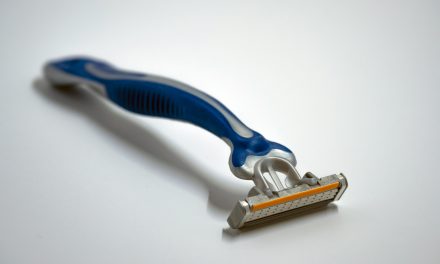
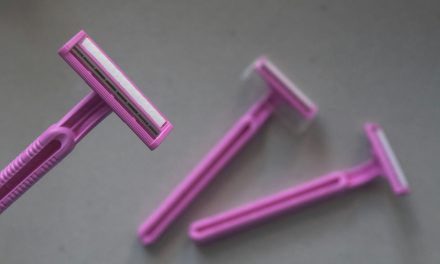
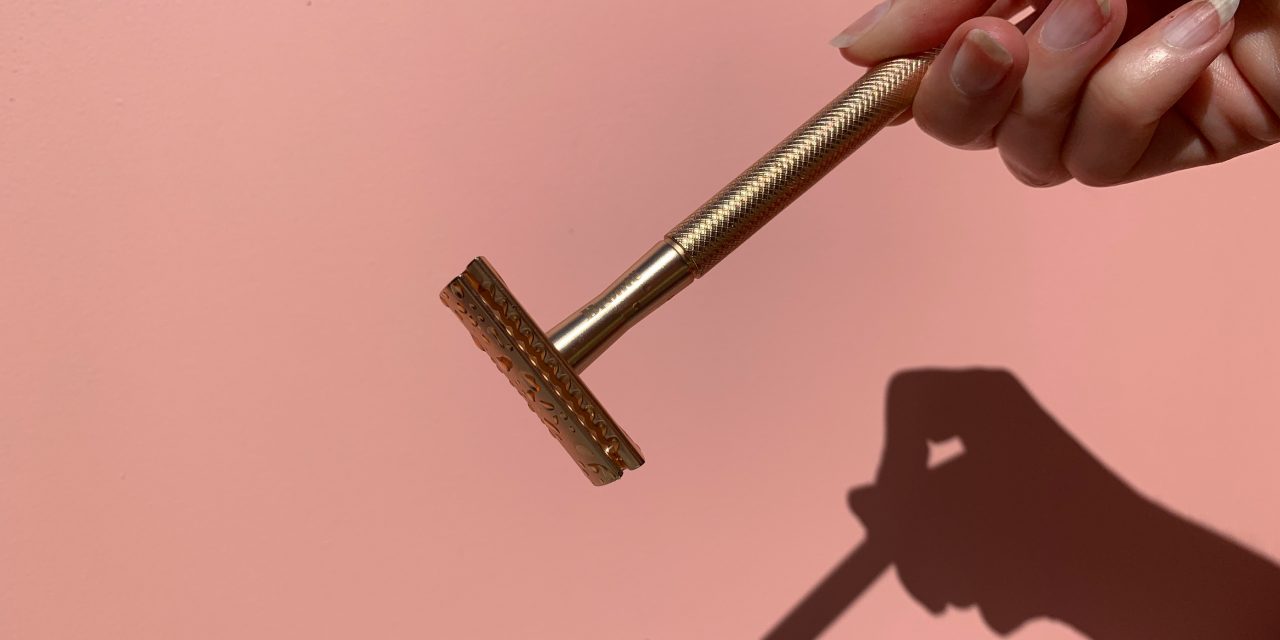
Switching to a single-blade razor may seem counterintuitive for those seeking a closer shave; however, it can significantly reduce the risk of razor bumps. Multi-blade razors often lift hair follicles before cutting them, which can lead to ingrown hairs as they curl back into the skin post-shave. A single-blade razor cuts hair at its base without lifting it, minimizing trauma to the follicle.
When using a single-blade razor, it is essential to employ proper shaving techniques such as shaving in the direction of hair growth and using light pressure. Regularly replacing blades ensures optimal sharpness and reduces irritation caused by dull blades. This approach not only enhances shaving comfort but also contributes to healthier skin overall.
Moisturize Daily to Keep Skin Hydrated
Maintaining adequate hydration is vital for overall skin health and plays a crucial role in preventing razor bumps. Daily moisturizing helps restore moisture lost during shaving while creating a protective barrier against environmental irritants. Opting for non-comedogenic moisturizers that contain ingredients such as hyaluronic acid or ceramides can provide lasting hydration without clogging pores.
Incorporating moisturizing products into your skincare routine should occur immediately after shaving and throughout the day as needed. Consistent hydration helps maintain skin elasticity and resilience, reducing susceptibility to irritation and inflammation associated with razor bumps.
When to See a Dermatologist for Persistent Razor Bumps
While many individuals may experience occasional razor bumps that resolve with home remedies, persistent cases warrant professional evaluation by a dermatologist. If symptoms persist despite implementing preventive measures or if there are signs of infection—such as increased redness, swelling, or pus—it is crucial to seek medical advice promptly.
A dermatologist can provide tailored treatment options based on individual needs, which may include prescription-strength topical treatments or oral medications if necessary. Additionally, they may recommend alternative hair removal methods such as laser hair removal or electrolysis for individuals who frequently suffer from razor bumps due to their hair type or growth patterns.
In summary, understanding razor bumps involves recognizing their causes and implementing effective prevention strategies through proper pre-shaving preparation and post-shave care techniques. Utilizing natural remedies like aloe vera gel and witch hazel alongside over-the-counter treatments such as hydrocortisone cream can provide relief from symptoms while promoting healing. Gentle exfoliation and appropriate clothing choices further contribute to maintaining healthy skin post-shave. For persistent cases, consulting with a dermatologist ensures comprehensive care tailored to individual needs.
FAQs
What are razor bumps?
Razor bumps, also known as pseudofolliculitis barbae, are small, inflamed bumps that occur after shaving. They are caused when hair curls back into the skin, leading to irritation and inflammation. This condition is common in individuals with curly or coarse hair.
How can I prevent razor bumps?
To prevent razor bumps, you can follow several practices: use a sharp razor, shave in the direction of hair growth, avoid shaving too closely, and use a moisturizing shaving cream or gel. Additionally, exfoliating the skin before shaving can help remove dead skin cells and reduce the risk of ingrown hairs.
What treatments are effective for razor bumps?
Effective treatments for razor bumps include applying over-the-counter creams containing hydrocortisone or salicylic acid to reduce inflammation and promote healing. Other options include using warm compresses, aloe vera gel, or tea tree oil to soothe the skin. In severe cases, a dermatologist may recommend prescription treatments.
How long do razor bumps typically last?
Razor bumps usually resolve within a few days to a week, depending on the severity of the irritation and the individual’s skin type. Proper care and treatment can help speed up the healing process and reduce discomfort.
Can I shave if I have razor bumps?
It is generally advisable to avoid shaving over razor bumps until they have healed to prevent further irritation and potential infection. If you must shave, consider using an electric razor or a single-blade razor to minimize trauma to the skin.