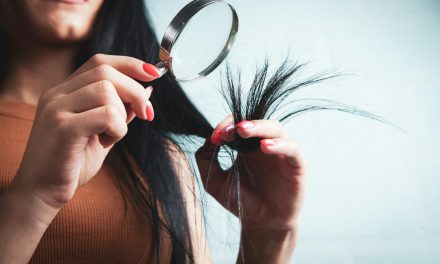
Proper hair washing is a fundamental aspect of personal hygiene and hair care that significantly impacts the health and appearance of your locks. The scalp, much like the skin, produces sebum, a natural oil that protects hair follicles and maintains moisture. However, excessive oil buildup, dirt, and environmental pollutants can lead to various scalp conditions, including dandruff, irritation, and even hair loss. Therefore, understanding the significance of an effective hair washing routine is crucial for maintaining optimal scalp health and promoting hair vitality.
Moreover, improper washing techniques can exacerbate existing hair issues or create new ones. For instance, using harsh shampoos or neglecting to rinse thoroughly can lead to product buildup, which may weigh down hair and diminish its natural shine. Conversely, washing too infrequently can result in an oily scalp and dull strands. Thus, mastering the art of hair washing is essential for achieving luscious, healthy hair.
If you’re looking to enhance your hair care routine, it’s essential to know the proper steps for washing your hair effectively. For a detailed guide on how to wash your hair properly step by step, you can refer to this informative article. Additionally, while you’re at it, you might also enjoy exploring healthy breakfast options, such as this recipe for easy overnight oats with chia seeds and berries, which you can find here: easy overnight oats with chia seeds and berries.
Choosing the Right Shampoo for Your Hair Type
Selecting an appropriate shampoo tailored to your specific hair type is paramount for achieving desired results. Hair types can be broadly categorized into straight, wavy, curly, and coily, each requiring different formulations to address unique needs. For instance, individuals with oily hair may benefit from clarifying shampoos that effectively remove excess sebum without stripping essential moisture. Conversely, those with dry or damaged hair should opt for hydrating shampoos enriched with nourishing ingredients such as argan oil or shea butter.
Additionally, it is vital to consider any scalp conditions when choosing a shampoo. For example, individuals suffering from dandruff may require specialized anti-dandruff shampoos containing active ingredients like zinc pyrithione or ketoconazole to combat fungal growth and alleviate flaking. Furthermore, color-treated hair necessitates the use of sulfate-free shampoos to prevent fading and maintain vibrancy. By understanding your hair type and specific needs, you can select a shampoo that enhances your overall hair health.
Preparing Your Hair Before Washing

Preparation is key to ensuring an effective hair washing experience. Before stepping into the shower, it is advisable to detangle your hair using a wide-tooth comb or a brush designed for wet hair. This step minimizes breakage and allows for a more thorough cleansing process. Additionally, pre-washing treatments such as oiling or applying a leave-in conditioner can provide added moisture and protection against potential damage during washing.
Another preparatory step involves assessing the condition of your scalp. If you notice excessive buildup or irritation, consider incorporating a scalp scrub or exfoliating treatment into your routine. These products help remove dead skin cells and promote healthy circulation, ultimately enhancing the efficacy of your shampoo. By taking these preparatory measures, you set the stage for a successful hair washing session.
How to Wet Your Hair Thoroughly

Thoroughly wetting your hair is a crucial step that lays the foundation for effective cleansing. Begin by using lukewarm water to saturate your strands completely; this temperature helps open up the cuticles, allowing for better product penetration. It is essential to ensure that every section of your hair is adequately soaked, as this facilitates even distribution of shampoo and enhances its cleansing properties.
When wetting your hair, focus on the scalp area first, as this is where most oil and dirt accumulate. Use your fingers to gently massage the scalp while rinsing; this not only helps remove impurities but also stimulates blood circulation to the hair follicles. A well-wetted scalp ensures that the subsequent application of shampoo will be more effective in removing buildup and promoting overall scalp health.
If you’re looking to enhance your hair care routine, it’s essential to understand the proper technique for washing your hair. A detailed guide can help you achieve the best results, ensuring your hair remains healthy and vibrant. For a comprehensive step-by-step approach, you might find this article on how to wash your hair properly very useful. It covers everything from choosing the right shampoo to the best rinsing methods. You can check it out here for more insights.
Applying Shampoo Correctly and Scalp Massage Techniques
The application of shampoo should be approached with care and precision to maximize its benefits. Begin by dispensing an appropriate amount of shampoo into your palm—typically a quarter-sized amount is sufficient for medium-length hair. Rub your hands together to emulsify the product before applying it directly to your scalp. Focus on massaging the shampoo into the roots using your fingertips in circular motions; this technique not only cleanses but also promotes relaxation and stimulates blood flow.
Avoid using your nails during this process, as they can cause micro-tears in the scalp that may lead to irritation or inflammation. Instead, use gentle pressure with your fingertips to ensure a thorough cleanse without causing damage. Allow the shampoo to sit for a minute or two before rinsing; this gives it time to break down oils and impurities effectively.
When it comes to maintaining healthy hair, understanding the proper technique for washing is essential. For a comprehensive guide on how to wash your hair properly step by step, you can refer to this informative article. It covers everything from choosing the right shampoo to the ideal water temperature, ensuring your hair remains vibrant and clean. Additionally, if you’re interested in understanding more about product expiration dates and their significance, you might find this article on best by vs sell by vs use by dates quite enlightening.
Rinsing Your Hair Properly to Remove All Product
Rinsing is a critical step that should not be overlooked in the hair washing process. After massaging the shampoo into your scalp and allowing it to sit briefly, it is essential to rinse thoroughly with lukewarm water until all traces of product are removed. Inadequate rinsing can lead to buildup that weighs down hair and causes it to appear dull.
To ensure complete removal of shampoo, tilt your head forward while rinsing; this allows water to flow through your hair from roots to ends, effectively washing away any residual product. Pay special attention to the nape of your neck and behind your ears—areas where product buildup often accumulates unnoticed. A thorough rinse not only enhances the cleanliness of your hair but also prepares it for subsequent conditioning.
When and How to Use Conditioner for Best Results
Conditioner plays a vital role in maintaining hair health by replenishing moisture and enhancing manageability. It is essential to apply conditioner after rinsing out shampoo; this ensures that the cuticles remain open and receptive to nourishing ingredients. When selecting a conditioner, consider your hair type—lightweight formulas are ideal for fine hair, while richer creams are better suited for thick or curly textures.
To apply conditioner effectively, dispense an appropriate amount into your palms and rub them together before distributing it evenly through the mid-lengths and ends of your hair. Avoid applying conditioner directly to the scalp, as this can lead to greasiness and weigh down fine strands. Allow the conditioner to sit for several minutes before rinsing with cool water; this helps seal the cuticles and lock in moisture.
Tips for Avoiding Hair Damage During Washing
Minimizing damage during the washing process is crucial for maintaining healthy locks. One effective strategy is to limit the use of hot water; excessively hot temperatures can strip natural oils from both the scalp and hair strands, leading to dryness and brittleness. Instead, opt for lukewarm water during washing and finish with a cool rinse to help close the cuticles.
Additionally, avoid vigorous towel-drying after washing; instead, gently squeeze excess water from your hair using a microfiber towel or an old cotton t-shirt. This method reduces friction and minimizes breakage compared to traditional towels. Furthermore, refrain from using heat styling tools immediately after washing; allow your hair to air dry whenever possible to prevent thermal damage.
The Role of Water Temperature in Hair Health
Water temperature plays a significant role in maintaining optimal hair health during washing. While hot water may feel soothing, it can have detrimental effects on both the scalp and hair structure. High temperatures can strip away essential oils, leading to dryness and increased susceptibility to damage. Conversely, cold water can help seal cuticles after conditioning, resulting in smoother strands with enhanced shine.
For best results, use lukewarm water during the washing phase to effectively cleanse without causing harm. Reserve cooler temperatures for rinsing out conditioner; this practice helps lock in moisture while promoting overall shine and manageability.
How Often Should You Wash Your Hair?
The frequency of hair washing varies based on individual factors such as hair type, lifestyle, and personal preference. Generally speaking, individuals with oily scalps may benefit from washing their hair every day or every other day to prevent excess buildup. In contrast, those with dry or curly hair may find that washing once or twice a week suffices to maintain moisture levels without stripping natural oils.
It is essential to listen to your hair’s needs; if you notice increased oiliness or product buildup between washes, consider adjusting your routine accordingly. Additionally, incorporating dry shampoo on non-wash days can help absorb excess oil while extending the time between washes.
Post-Wash Hair Care for Maintaining Healthy Locks
Post-wash care is crucial for preserving the health and vitality of your hair after cleansing. Begin by gently detangling damp strands using a wide-tooth comb; this minimizes breakage while ensuring even distribution of any leave-in products you may choose to apply. Consider incorporating serums or oils enriched with nourishing ingredients such as argan oil or jojoba oil; these products help seal moisture while providing added protection against environmental stressors.
Furthermore, avoid tight hairstyles immediately after washing; allow your hair to dry naturally whenever possible to prevent unnecessary tension on the strands. Regular trims every six to eight weeks can also help eliminate split ends and promote overall hair health.
In summary, mastering proper hair washing techniques is essential for maintaining healthy locks and promoting scalp vitality. By selecting appropriate products tailored to individual needs and following effective washing practices, individuals can achieve beautiful, vibrant hair while minimizing damage over time.
FAQs
What is the first step in washing your hair properly?
The first step in washing your hair properly is to thoroughly wet your hair with warm water. This helps to open up the hair cuticles, making it easier for the shampoo to cleanse your scalp and hair effectively.
How much shampoo should I use?
The amount of shampoo you should use depends on the length and thickness of your hair. Generally, a quarter-sized amount is sufficient for short to medium hair, while longer or thicker hair may require a bit more. It’s important to apply the shampoo evenly throughout your scalp and hair.
Should I condition my hair every time I wash it?
Yes, conditioning your hair every time you wash it is recommended, especially if you have dry or damaged hair. Conditioner helps to replenish moisture, detangle hair, and reduce frizz. However, if you have very fine hair, you may choose to condition every other wash to avoid weighing it down.
How should I rinse my hair after shampooing and conditioning?
After applying shampoo, rinse your hair thoroughly with warm water to remove all product. When rinsing out conditioner, it’s best to use cooler water, as this helps to close the hair cuticles and lock in moisture, resulting in shinier and healthier-looking hair.
How often should I wash my hair?
The frequency of washing your hair depends on your hair type and lifestyle. Generally, people with oily hair may need to wash it every day, while those with dry or curly hair may benefit from washing it only 2-3 times a week. It’s important to listen to your hair’s needs and adjust your washing routine accordingly.