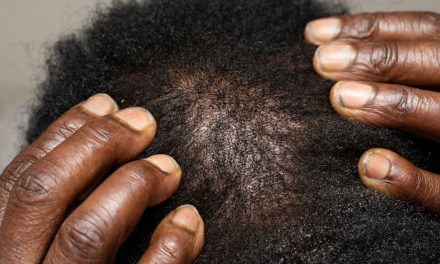
Hard water is defined by its elevated mineral content, primarily calcium and magnesium ions. These minerals are naturally occurring and can significantly impact various aspects of daily life, including hair health. When hard water is used for washing hair, it can lead to a myriad of issues, such as dryness, brittleness, and an overall lackluster appearance. The minerals in hard water can create a film on the hair shaft, making it difficult for moisture and nutrients to penetrate effectively. This results in hair that feels rough to the touch and appears dull.
Moreover, hard water can interfere with the efficacy of shampoos and conditioners. The minerals present can bind with the ingredients in these products, rendering them less effective. Consequently, individuals may find themselves using more product in an attempt to achieve the desired cleanliness and softness, leading to further buildup and potential damage. Understanding the implications of hard water is crucial for anyone seeking to maintain healthy hair.
If you’re looking for effective ways to protect your hair from the damaging effects of hard water, you might find it helpful to explore related topics on hair care. For instance, an interesting article discusses the best cat daycare options, which can be a great resource for pet owners who want to ensure their furry friends are well taken care of while they focus on their hair care routine. You can check it out here: Top 10 Cat Daycare Near Me: Best Spots for Your Feline Friend.
Identifying Signs of Hard Water Damage on Your Hair
Recognizing the signs of hard water damage is essential for timely intervention. One of the most common indicators is the presence of dryness and frizz. Hair may become increasingly difficult to manage, leading to tangles and breakage. Additionally, individuals may notice that their hair lacks shine and vibrancy, appearing dull and lifeless. Another telltale sign is the buildup of residue on the scalp and hair, which can manifest as an itchy or irritated scalp.
Furthermore, hard water can exacerbate existing hair conditions such as dandruff or seborrheic dermatitis. The mineral deposits can irritate the scalp, leading to inflammation and increased flakiness. If you find that your hair is not responding well to your usual products or routines, it may be time to assess the quality of your water supply. Identifying these signs early can help mitigate further damage and restore your hair’s health.
Installing a Water Softener for Your Home
One of the most effective solutions for combating hard water is the installation of a water softener system in your home. These systems work by exchanging calcium and magnesium ions with sodium or potassium ions, effectively reducing the hardness of the water. By softening the water supply, you can significantly improve not only your hair care routine but also other aspects of daily living, such as skin health and appliance longevity.
When selecting a water softener, consider factors such as the size of your household and your specific water usage needs. There are various types of systems available, including salt-based softeners and salt-free alternatives. Salt-based systems are typically more effective at removing hardness but require regular maintenance and replenishment of salt. On the other hand, salt-free systems may be easier to maintain but may not provide the same level of hardness reduction. Consulting with a professional can help you determine the best option for your home.
Using Chelating or Clarifying Shampoos Regularly
Incorporating chelating or clarifying shampoos into your hair care regimen can be a game-changer for those dealing with hard water damage. These specialized shampoos are formulated to bind with mineral deposits and remove them from the hair shaft effectively. Regular use can help eliminate buildup that may be weighing down your hair and contributing to its dull appearance.
When selecting a chelating shampoo, look for ingredients such as EDTA (ethylenediaminetetraacetic acid) or citric acid, which are known for their ability to chelate minerals. It is advisable to use these shampoos once every one to two weeks, depending on the severity of buildup and individual hair type. However, it is essential to follow up with a moisturizing conditioner to replenish lost moisture after using a clarifying product.
If you’re looking for effective ways to protect your hair from hard water damage, you might find it helpful to explore some home organization tips that can create a more serene environment for your hair care routine. A clutter-free space can make it easier to focus on maintaining healthy hair, and you can read more about this in a related article on keeping your home organized. For more insights, check out this helpful guide that offers practical tips for decluttering your living space.
Applying Deep Conditioning Treatments Weekly
To combat the drying effects of hard water, incorporating deep conditioning treatments into your weekly routine is vital. These treatments penetrate the hair shaft more deeply than regular conditioners, providing intense hydration and nourishment. Look for products containing ingredients such as shea butter, argan oil, or keratin, which can help restore moisture balance and improve overall hair texture.
Applying a deep conditioning treatment once a week can significantly enhance your hair’s resilience against environmental stressors and hard water damage. For optimal results, consider using a heat cap or wrapping your hair in a warm towel after applying the treatment. The added heat helps open up the hair cuticles, allowing for better absorption of the conditioning agents.
If you’re struggling with hard water damage to your hair, it’s essential to explore effective solutions to protect your locks. One helpful resource is an article that discusses various methods to maintain healthy hair despite the challenges posed by hard water. You can find valuable tips and tricks in this informative piece, which can guide you in your hair care routine. For more insights on preserving the freshness of your food, you might also find this article on how to store sweet potatoes so they last longer quite interesting. Check it out here.
Rinsing Hair with Filtered or Distilled Water
Another effective strategy for mitigating hard water damage is rinsing your hair with filtered or distilled water after washing. This practice helps remove any residual minerals that may remain on the hair after shampooing and conditioning. By using purified water for rinsing, you can significantly reduce mineral buildup and enhance your hair’s overall appearance.
Filtered water can be obtained through various methods, including pitcher filters or faucet-mounted systems. Distilled water is another excellent option, as it undergoes a purification process that removes impurities and minerals entirely. Incorporating this step into your hair care routine can lead to noticeable improvements in softness and shine.
Avoiding Excessive Heat Styling and Chemical Treatments
Excessive heat styling and chemical treatments can exacerbate the damaging effects of hard water on hair. High temperatures from styling tools such as flat irons and curling wands can strip moisture from already compromised strands, leading to increased brittleness and breakage. Similarly, chemical treatments like coloring or perming can weaken hair structure further when combined with hard water exposure.
To protect your hair from additional damage, consider limiting heat styling to special occasions rather than daily use. When you do style your hair with heat tools, always apply a heat protectant spray beforehand to create a barrier against thermal damage. Additionally, if you regularly undergo chemical treatments, consult with a professional stylist about adjusting your routine or using gentler alternatives that are less likely to exacerbate existing issues.
Incorporating Natural Oils to Restore Moisture
Natural oils can be incredibly beneficial for restoring moisture to dry and damaged hair caused by hard water exposure. Oils such as coconut oil, olive oil, and jojoba oil are rich in fatty acids that help nourish and hydrate the hair shaft while providing essential nutrients for overall health. These oils can also create a protective barrier against environmental stressors.
To incorporate natural oils into your routine, consider applying them as a pre-shampoo treatment or leave-in conditioner. For a pre-shampoo treatment, apply oil generously to dry hair before washing it with shampoo; this will help lock in moisture during cleansing. Alternatively, you can use a small amount of oil on damp hair after washing to seal in hydration and enhance shine.
Protecting Hair with Leave-In Conditioners or Serums
Leave-in conditioners or serums are excellent additions to any hair care regimen aimed at combating hard water damage. These products provide ongoing hydration throughout the day while also offering protection against environmental factors such as UV rays and pollution. Look for formulations that contain hydrating ingredients like glycerin or panthenol for optimal results.
When applying leave-in products, focus on mid-lengths to ends where damage is often most pronounced. A small amount goes a long way; too much product can weigh down fine hair types. Regular use of leave-in conditioners or serums can help maintain moisture levels in your hair while improving manageability and reducing frizz.
Maintaining a Healthy Hair Care Routine Consistently
Consistency is key when it comes to maintaining healthy hair in the face of hard water challenges. Establishing a comprehensive hair care routine that incorporates all the aforementioned strategies will yield the best results over time. This includes regular cleansing with chelating shampoos, deep conditioning treatments, rinsing with filtered water, and protecting against heat damage.
Additionally, pay attention to your diet as it plays a crucial role in overall hair health. Consuming foods rich in vitamins A, C, D, E, biotin, zinc, iron, and omega-3 fatty acids can promote stronger hair growth from within. Staying hydrated by drinking plenty of water also supports healthy scalp conditions.
Consulting a Professional for Personalized Hair Care Advice
For individuals struggling with persistent issues related to hard water damage despite implementing various strategies, consulting a professional hairstylist or trichologist may be beneficial. These experts can assess your specific situation and provide tailored recommendations based on your unique hair type and condition.
A professional consultation may include an analysis of your current products, techniques used during styling or washing routines, and potential underlying issues contributing to damage. They may also suggest specialized treatments or products that are best suited for addressing hard water-related concerns effectively.
In summary, understanding hard water’s impact on hair health is crucial for maintaining vibrant locks. Identifying signs of damage early allows for timely intervention through methods such as installing a water softener or using chelating shampoos regularly. Deep conditioning treatments and rinsing with filtered water further enhance moisture retention while avoiding excessive heat styling protects against additional harm. Incorporating natural oils and leave-in conditioners aids in restoring hydration levels consistently over time. For those facing persistent challenges despite these efforts, seeking professional advice ensures personalized solutions tailored specifically to individual needs.
FAQs
What is hard water and how does it affect hair?
Hard water contains high levels of minerals, primarily calcium and magnesium. When used for washing hair, these minerals can build up on the hair shaft, leading to dryness, brittleness, and dullness. This buildup can also make it difficult for hair products to penetrate, resulting in less effective conditioning and styling.
What are some signs that my hair is damaged by hard water?
Signs of hard water damage include dry and brittle hair, increased tangling, lack of shine, and difficulty in styling. You may also notice a film or residue on your hair after washing, as well as an itchy or irritated scalp.
How can I test if my water is hard?
You can test your water hardness using a water hardness test kit, which is available at home improvement stores or online. Alternatively, you can fill a clear bottle with water, add a few drops of liquid soap, and shake it. If the water does not produce suds and remains cloudy, it is likely hard water.
What are some effective methods to protect hair from hard water damage?
To protect hair from hard water damage, consider using a chelating shampoo that removes mineral buildup, installing a water softener to reduce mineral content, and using leave-in conditioners or hair oils to provide moisture. Additionally, rinsing hair with distilled water after washing can help remove residual minerals.
Are there specific hair products designed for hard water issues?
Yes, there are specialized hair products formulated to combat hard water damage. Look for chelating shampoos, clarifying shampoos, and conditioners that contain ingredients like citric acid or EDTA, which help to bind and remove mineral deposits from the hair.