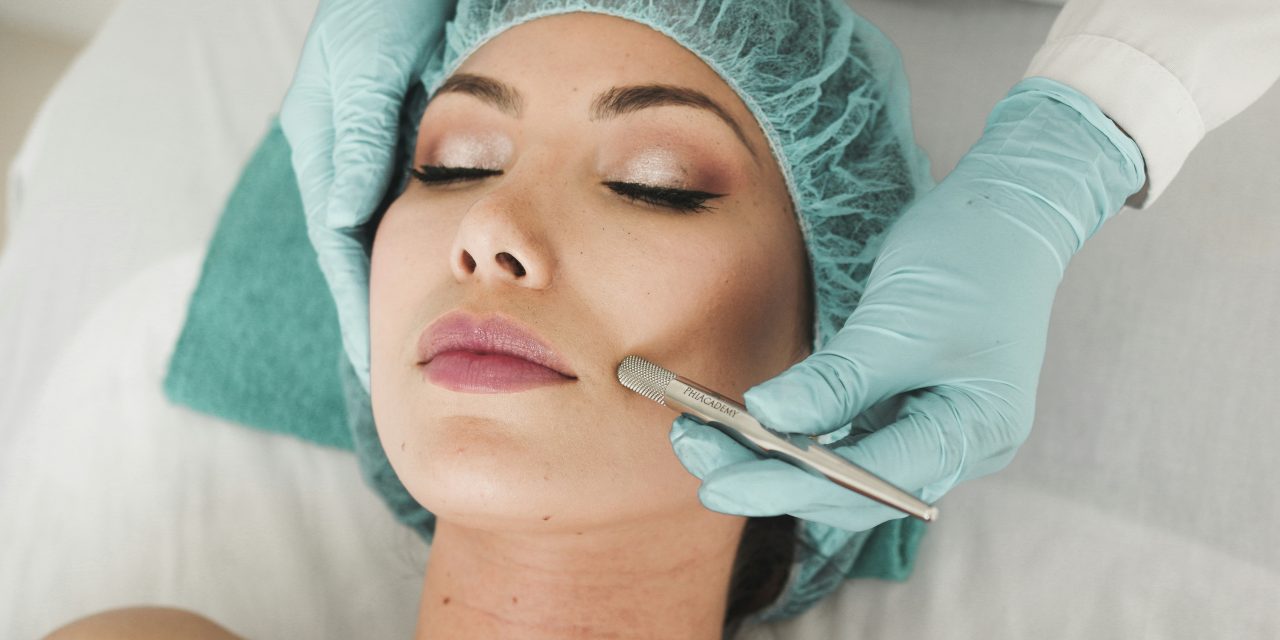
Dermaplaning is a non-invasive cosmetic procedure that involves the careful exfoliation of the skin’s surface using a sterile surgical scalpel. This technique effectively removes dead skin cells and vellus hair, commonly referred to as “peach fuzz.” By utilizing a precise angle and gentle strokes, practitioners can achieve a smoother, more radiant complexion. The process not only enhances the skin’s texture but also promotes better absorption of skincare products, allowing them to penetrate deeper and work more effectively.
The mechanism behind dermaplaning lies in its ability to stimulate cellular turnover. As the outermost layer of dead skin cells is removed, the body responds by accelerating the production of new skin cells. This rejuvenation process can lead to a more youthful appearance, reducing the visibility of fine lines, acne scars, and uneven pigmentation. Dermaplaning is suitable for various skin types and can be performed in a clinical setting or at home with proper tools and techniques.
If you’re considering incorporating dermaplaning into your skincare routine, you might also be interested in how to enhance your living space with some greenery. A related article discusses the top ten easy-care indoor house plants that can brighten your home, which can create a soothing environment for your skincare rituals. You can read more about these plants and how they can improve your home atmosphere by visiting this link: Top 10 Easy-Care Indoor House Plants to Brighten Your Home.
Benefits of Regular Dermaplaning for Your Skin
Regular dermaplaning offers a multitude of benefits that contribute to overall skin health and aesthetics. One of the primary advantages is the immediate improvement in skin texture. By eliminating dead skin cells and fine hair, dermaplaning reveals a smoother surface that enhances makeup application and creates a flawless canvas. Additionally, this procedure can help diminish the appearance of acne scars and hyperpigmentation, leading to a more even skin tone.
Another significant benefit is the increased efficacy of skincare products. With the removal of barriers such as dead skin and vellus hair, serums, moisturizers, and treatments can penetrate more deeply into the skin. This enhanced absorption allows active ingredients to work more effectively, maximizing their benefits. Furthermore, regular dermaplaning can stimulate collagen production, promoting skin elasticity and firmness over time.
How Often Should You Dermaplane? Expert Recommendations

The frequency of dermaplaning sessions can vary based on individual skin types and concerns. Generally, dermatologists recommend undergoing this treatment every 3 to 4 weeks. This timeframe allows for optimal cellular turnover while minimizing the risk of irritation or over-exfoliation. However, individuals with sensitive skin may benefit from extending the interval to every 6 weeks to ensure their skin has adequate time to recover.
It is essential to consult with a skincare professional to determine the most suitable schedule for your specific needs. Factors such as skin type, sensitivity, and overall health can influence how often one should dermaplane. For those with oily or acne-prone skin, more frequent sessions may be beneficial, while individuals with dry or sensitive skin may require longer intervals between treatments.
Factors That Influence Dermaplaning Frequency

Several factors can influence how often one should undergo dermaplaning. Skin type plays a crucial role; for instance, oily skin may benefit from more frequent treatments due to increased sebum production and buildup of dead skin cells. Conversely, dry or sensitive skin types may require longer intervals to avoid irritation or inflammation.
Environmental factors also contribute to dermaplaning frequency. Individuals living in areas with high pollution levels or extreme weather conditions may experience accelerated skin cell turnover and buildup of impurities, necessitating more regular treatments. Additionally, lifestyle choices such as diet, hydration levels, and stress can impact skin health and may warrant adjustments in dermaplaning schedules.
If you’re considering incorporating dermaplaning into your skincare routine, it’s essential to understand how often you should perform this treatment for optimal results. Many experts recommend dermaplaning every three to four weeks to allow your skin to regenerate properly. For more insights on maintaining healthy skin, you might find this article on skincare routines particularly helpful, as it discusses various techniques and tips to enhance your overall complexion.
Signs Your Skin Is Ready for Another Dermaplaning Session
Recognizing when your skin is ready for another dermaplaning session is crucial for maintaining optimal results. One clear indicator is the presence of dullness or rough texture on the skin’s surface. If your complexion appears lackluster or feels uneven to the touch, it may be time for another treatment. Additionally, if you notice an increase in the visibility of fine hairs or peach fuzz, this can signal that your skin is due for exfoliation.
Another sign that your skin is ready for dermaplaning is the effectiveness of your skincare products. If you find that serums and moisturizers are not absorbing as well as they used to or if makeup application becomes challenging due to uneven texture, it may indicate that dead skin buildup is hindering product efficacy. Listening to your skin’s needs and observing these signs can help you determine the appropriate timing for your next session.
If you’re considering incorporating dermaplaning into your skincare routine, it’s essential to understand how often you should perform this treatment for optimal results. Many experts recommend dermaplaning every three to four weeks, as this allows your skin to regenerate while effectively removing dead skin cells and peach fuzz. For more tips on maintaining a clean and healthy environment, you might find this article on how to clean a greasy oven without using harsh oven cleaners particularly useful. You can read it here.
Risks of Over-Dermaplaning and How to Avoid Them
While dermaplaning is generally considered safe when performed correctly, over-exfoliation can lead to several adverse effects. One significant risk is irritation or inflammation of the skin, which may manifest as redness, sensitivity, or even breakouts. Over-dermaplaning can compromise the skin barrier, making it more susceptible to environmental aggressors and leading to increased dryness or irritation.
To avoid these risks, it is essential to adhere to recommended guidelines regarding frequency and technique. Consulting with a licensed professional can provide valuable insights into your specific needs and help establish an appropriate treatment plan. Additionally, using high-quality tools and products designed for dermaplaning can minimize the risk of injury or irritation during at-home sessions.
Preparing Your Skin Before Dermaplaning
Proper preparation is key to achieving optimal results from dermaplaning. Begin by cleansing your face thoroughly with a gentle cleanser to remove makeup, dirt, and impurities. This step ensures that the skin is clean and free from any barriers that could interfere with the exfoliation process. Following cleansing, it is advisable to avoid using any harsh exfoliants or active ingredients such as retinoids or acids for at least 24 hours prior to treatment.
Hydration is also crucial in preparing your skin for dermaplaning. Applying a hydrating serum or moisturizer can help plump the skin and create a smoother surface for exfoliation. Additionally, consider using a soothing toner or essence to calm any potential redness or sensitivity before proceeding with the treatment.
Post-Dermaplaning Care: What to Do After Treatment
Post-treatment care is vital for maintaining the benefits of dermaplaning and ensuring optimal healing. Immediately after the procedure, it is common for the skin to appear slightly red or sensitive; however, this typically subsides within a few hours. To promote healing and minimize irritation, it is essential to avoid sun exposure for at least 24 hours following treatment. Wearing broad-spectrum sunscreen with an SPF of 30 or higher is crucial to protect the newly exposed skin from UV damage.
In addition to sun protection, incorporating soothing products into your post-dermaplaning routine can enhance recovery. Look for gentle moisturizers containing ingredients like hyaluronic acid or aloe vera to hydrate and calm the skin. Avoid using harsh exfoliants or active ingredients such as retinoids for several days post-treatment to prevent irritation.
Common Mistakes to Avoid When Dermaplaning at Home
While at-home dermaplaning can be effective when done correctly, several common mistakes can lead to suboptimal results or even adverse effects. One prevalent error is using improper tools; utilizing a standard razor instead of a sterile surgical scalpel can increase the risk of cuts or irritation. It is crucial to invest in high-quality dermaplaning tools specifically designed for this purpose.
Another mistake is failing to prepare the skin adequately before treatment. Skipping cleansing or neglecting hydration can hinder the effectiveness of exfoliation and increase the likelihood of irritation. Additionally, over-exfoliating by performing dermaplaning too frequently can compromise the skin barrier and lead to sensitivity or breakouts.
When to Seek Professional Dermaplaning Services
While at-home dermaplaning can be beneficial for some individuals, there are instances when seeking professional services is advisable. If you have specific skin concerns such as active acne, rosacea, or eczema, consulting with a licensed dermatologist or esthetician is essential before undergoing any exfoliation treatment. Professionals possess the expertise necessary to assess your unique needs and tailor treatments accordingly.
Additionally, if you are unsure about proper techniques or tools for at-home dermaplaning, seeking professional guidance can provide valuable insights and ensure safe practices. Regular visits to a skincare professional can also help monitor your skin’s progress and make necessary adjustments to your skincare routine.
Incorporating Dermaplaning into Your Skincare Routine for Best Results
To maximize the benefits of dermaplaning, it is essential to incorporate this treatment into a comprehensive skincare routine tailored to your individual needs. Begin by establishing a consistent cleansing regimen that includes gentle exfoliation on non-dermaplaning days to maintain optimal skin health without overdoing it.
Following each dermaplaning session, prioritize hydration by applying serums rich in antioxidants and hyaluronic acid to replenish moisture levels and promote healing. Additionally, consider incorporating targeted treatments such as vitamin C serums or peptides that support collagen production and enhance overall skin texture.
In summary, dermaplaning is an effective exfoliation technique that offers numerous benefits for achieving smoother, healthier skin. By understanding its mechanisms, adhering to expert recommendations regarding frequency, preparing adequately before treatment, and practicing proper post-care routines, individuals can enjoy optimal results while minimizing risks associated with over-exfoliation. Regular consultations with skincare professionals can further enhance outcomes and ensure personalized care tailored to individual needs.
In conclusion, dermaplaning serves as an invaluable addition to any skincare regimen when performed correctly and consistently. By recognizing signs that indicate readiness for treatment and avoiding common pitfalls associated with at-home procedures, individuals can achieve radiant results while maintaining healthy skin integrity over time.
FAQs
How often should I dermaplane my face?
It is generally recommended to dermaplane your face every 3 to 4 weeks. This allows enough time for the skin to regenerate and ensures that you are not over-exfoliating, which can lead to irritation or sensitivity.
Can I dermaplane at home?
Yes, you can dermaplane at home using a dermaplaning tool or a facial razor. However, it is important to follow proper techniques and hygiene practices to avoid cuts or infections. If you are unsure, consider seeking a professional treatment.
What are the benefits of dermaplaning?
Dermaplaning offers several benefits, including the removal of dead skin cells and peach fuzz, which can result in smoother skin texture, improved product absorption, and a brighter complexion. It can also help reduce the appearance of fine lines and acne scars.
Are there any side effects of dermaplaning?
While dermaplaning is generally safe, some potential side effects include redness, irritation, or sensitivity, especially if done too frequently or improperly. It is important to follow aftercare instructions and avoid sun exposure immediately after the treatment.
Who should avoid dermaplaning?
Individuals with active acne, rosacea, or other skin conditions should avoid dermaplaning, as it can exacerbate these issues. It is advisable to consult with a dermatologist before undergoing the treatment if you have any skin concerns.