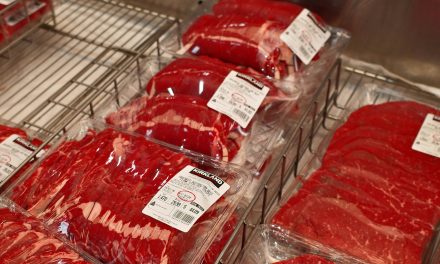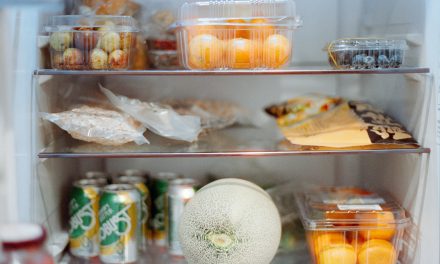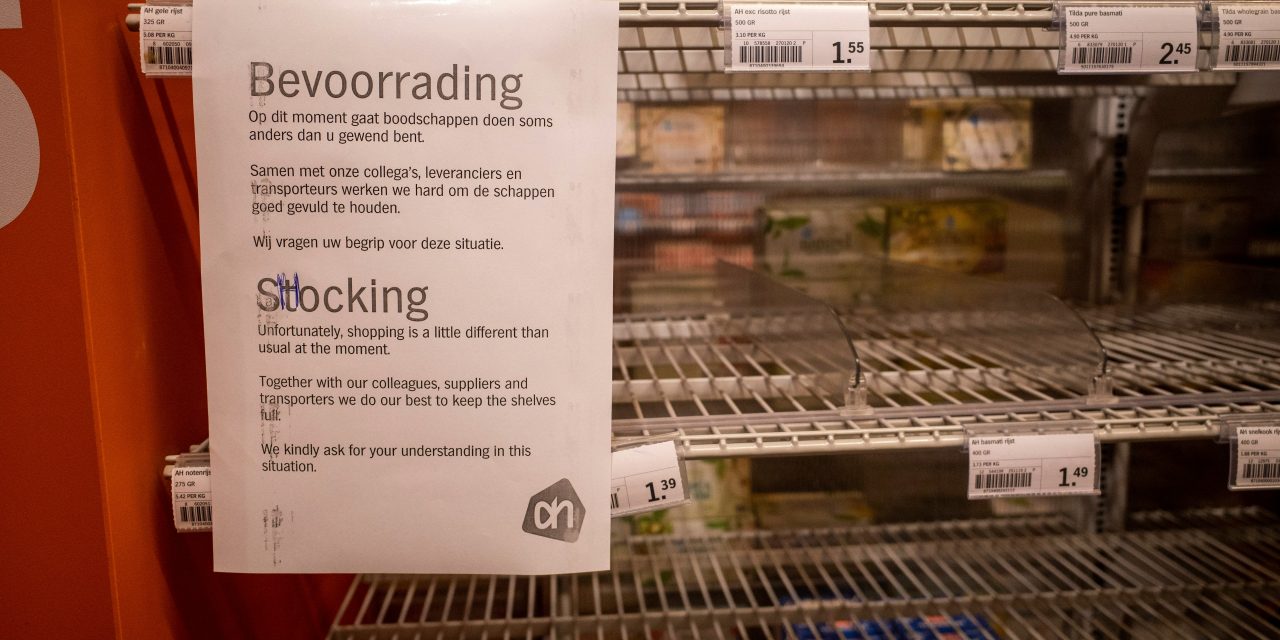
In the realm of food preservation, the concept of shelf life plays a pivotal role in determining how long a product remains safe and palatable for consumption. Shelf life refers to the length of time that food maintains its quality, flavor, and nutritional value when stored under appropriate conditions. Understanding this concept is essential for both consumers and food industry professionals, as it directly impacts food safety, waste reduction, and economic efficiency. Various factors influence shelf life, including temperature, humidity, light exposure, and packaging methods.
Proper food storage techniques can significantly extend the longevity of various items, ensuring that they remain safe to eat while retaining their nutritional benefits. For instance, storing foods in airtight containers can prevent moisture and pests from compromising their integrity. Additionally, understanding the differences between “best by,” “sell by,” and “use by” dates can help consumers make informed decisions about food consumption. This article will delve into several food items renowned for their impressive shelf lives, exploring their unique properties and storage requirements.
Understanding the shelf life of food is crucial for maintaining both safety and quality in your kitchen. For instance, if you’re looking to prepare delicious meals like air fryer garlic parmesan chicken wings, it’s important to know how long ingredients such as chicken and cheese can be stored. To learn more about this tasty recipe, you can check out the related article here: Air Fryer Garlic Parmesan Chicken Wings Recipe. This will not only enhance your culinary skills but also ensure that you use fresh ingredients for the best results.
Honey: The Eternal Sweetener
Honey is often heralded as nature’s eternal sweetener, boasting an almost indefinite shelf life when stored correctly. Its remarkable longevity can be attributed to its low moisture content and acidic pH, which create an inhospitable environment for bacteria and mold. Archaeological findings have even uncovered pots of honey in ancient Egyptian tombs that remain perfectly edible after thousands of years.
To maximize honey’s shelf life, it should be stored in a cool, dry place away from direct sunlight. Airtight containers are ideal for preventing moisture absorption and maintaining its unique flavor profile. Over time, honey may crystallize; however, this process does not indicate spoilage. Gently warming the container in a warm water bath can restore its liquid state without compromising its quality.
White Rice: A Pantry Staple That Lasts

White rice is a staple in many households worldwide, not only for its versatility but also for its impressive shelf life. When stored in a cool, dry environment, white rice can last indefinitely. This longevity is primarily due to its low moisture content and the removal of the bran and germ during processing, which are the components that typically lead to spoilage in whole grains.
For optimal storage, white rice should be kept in airtight containers to protect it from pests and humidity. Vacuum-sealing is an excellent option for long-term storage, as it removes air that can lead to oxidation. Additionally, storing rice in a dark location can prevent light exposure that may degrade its quality over time. When properly stored, white rice remains a reliable source of carbohydrates and energy for years.
Dried Beans: Nutrient-Rich and Long-Lasting

Dried beans are not only a nutrient-dense food option but also possess an impressive shelf life when stored correctly. These legumes are rich in protein, fiber, vitamins, and minerals, making them an essential component of a balanced diet. When kept in a cool, dark place in airtight containers, dried beans can last for several years without significant loss of quality.
To ensure maximum longevity, it is crucial to keep dried beans away from moisture and pests. Vacuum-sealing or using Mylar bags with oxygen absorbers can further enhance their shelf life by minimizing exposure to air. While older beans may take longer to cook and may not rehydrate as effectively as fresher ones, they remain safe to consume indefinitely if stored properly.
Understanding the shelf life of food is crucial for maintaining both safety and quality in our diets. For those interested in learning more about how to properly store food and extend its freshness, an insightful article can be found here. This resource provides valuable tips and guidelines that can help you make informed decisions about food preservation. By following these recommendations, you can reduce waste and ensure that your meals remain delicious and safe to consume. If you’re curious about the best local options for pet care, you might also find this article on dog boarding with training helpful, as it touches on the importance of keeping your furry friends well-fed and healthy.
Hard Cheeses: Aging Gracefully in Your Fridge
Hard cheeses such as Parmesan, Pecorino Romano, and aged Gouda are celebrated not only for their rich flavors but also for their extended shelf lives compared to softer varieties. When stored correctly in the refrigerator, hard cheeses can last for several months or even years without significant deterioration in taste or texture. The low moisture content and high salt concentration contribute to their ability to resist spoilage.
To maximize the shelf life of hard cheeses, they should be wrapped in parchment paper or cheese paper rather than plastic wrap, which can trap moisture and promote mold growth. Additionally, storing cheese in the vegetable crisper drawer helps maintain optimal humidity levels. If mold does develop on hard cheese, it can be safely cut away, as the remaining cheese is still edible.
Understanding the shelf life of food is crucial for maintaining both safety and quality in your pantry. For those interested in learning more about how to properly store food and extend its freshness, you might find this article on dog boarding and training centers quite insightful, as it highlights the importance of proper care and management in various contexts. You can read more about it here.
Canned Tomatoes: Preserved Freshness in a Can
Canned tomatoes are a pantry essential that offers convenience and versatility while boasting an impressive shelf life of several years when stored properly. The canning process involves sealing tomatoes in airtight containers and heating them to destroy bacteria and enzymes that could lead to spoilage. This preservation method locks in flavor and nutrients while providing a long-lasting product.
To ensure the longevity of canned tomatoes, they should be stored in a cool, dark place away from direct sunlight and extreme temperatures. It is essential to check for any signs of damage or bulging on the cans before use, as these may indicate spoilage or contamination. Once opened, canned tomatoes should be transferred to an airtight container and refrigerated for up to five days.
Dark Chocolate: A Sweet Treat That Endures
Dark chocolate is not only a delightful indulgence but also possesses an impressive shelf life due to its low moisture content and high cocoa solids concentration. When stored correctly in a cool, dry environment away from strong odors and light exposure, dark chocolate can last for several years without significant degradation in flavor or texture.
To preserve the quality of dark chocolate, it should be kept in an airtight container or wrapped tightly in foil or wax paper. Avoiding temperature fluctuations is crucial; therefore, storing chocolate in the refrigerator is generally not recommended unless necessary. If properly cared for, dark chocolate remains a delectable treat that can be enjoyed long after its purchase date.
Vinegar: The Acidic Preserver
Vinegar is a versatile ingredient known for its culinary applications as well as its remarkable shelf life. Due to its high acidity levels, vinegar acts as a natural preservative that inhibits the growth of harmful bacteria and molds. Most types of vinegar—such as white vinegar, apple cider vinegar, and balsamic vinegar—can last indefinitely when stored correctly.
To maintain vinegar’s quality over time, it should be kept in a cool place away from direct sunlight and tightly sealed to prevent contamination. While vinegar may develop sediment over time or change color slightly, these changes do not indicate spoilage; rather, they reflect the natural aging process. Vinegar’s long shelf life makes it an invaluable addition to any pantry.
Salt: The Timeless Seasoning
Salt has been used for centuries not only as a seasoning but also as a preservative due to its ability to inhibit microbial growth. When stored properly in a cool, dry environment away from moisture, salt can last indefinitely without spoiling. Its effectiveness as a preservative has made it an essential ingredient in various food preservation methods throughout history.
Different types of salt—such as table salt, sea salt, and kosher salt—may have varying textures and flavors but share similar longevity when stored correctly. To prevent clumping or contamination, salt should be kept in airtight containers with desiccants if necessary. Its timeless nature ensures that salt remains a staple seasoning in kitchens around the world.
Soy Sauce: Fermented and Flavorful for Years
Soy sauce is a fermented condiment that not only enhances the flavor of dishes but also boasts an impressive shelf life due to its high sodium content and fermentation process. When stored properly in a cool place away from direct sunlight, soy sauce can last for several years without significant loss of flavor or quality.
To maximize soy sauce’s longevity, it should be kept tightly sealed after opening and refrigerated if possible. While some brands may recommend refrigeration after opening to maintain optimal flavor, others may remain stable at room temperature due to their high salt content. Regardless of storage method, soy sauce remains a flavorful addition to various cuisines worldwide.
Powdered Milk: Dairy’s Long-Lasting Alternative
Powdered milk serves as an excellent alternative to liquid milk with an impressive shelf life that can extend up to 25 years when stored correctly in airtight containers away from moisture and light exposure. This dehydrated form of milk retains essential nutrients while providing convenience for those seeking long-lasting dairy options.
To ensure maximum longevity of powdered milk, it should be kept in a cool environment with minimal temperature fluctuations. Vacuum-sealing or using Mylar bags with oxygen absorbers can further enhance its shelf life by minimizing exposure to air. When reconstituted with water, powdered milk provides a nutritious beverage option that can be enjoyed long after its purchase date.
Maximizing Your Food’s Shelf Life
Understanding the principles of food storage and shelf life is crucial for maximizing the longevity of various items while minimizing waste. By employing proper storage techniques—such as using airtight containers, maintaining optimal temperatures, and avoiding moisture—consumers can ensure that their food remains safe and nutritious for extended periods.
The items discussed in this article—honey, white rice, dried beans, hard cheeses, canned tomatoes, dark chocolate, vinegar, salt, soy sauce, and powdered milk—are just a few examples of foods that offer remarkable shelf lives when cared for appropriately. By incorporating these staples into your pantry and following best practices for storage, you can enjoy peace of mind knowing that your food supply will endure over time while providing essential nutrients and flavors.
In summary, understanding shelf life is vital for effective food storage practices that promote safety and reduce waste while ensuring access to nutritious options over extended periods.
FAQs
What is shelf life in relation to food?
Shelf life refers to the length of time that food products remain safe to consume and retain their desired quality when stored under appropriate conditions. It is influenced by factors such as the type of food, packaging, and storage environment.
How can I determine the shelf life of a food product?
The shelf life of a food product can typically be found on the packaging as a “best by,” “use by,” or “sell by” date. Additionally, factors such as the food’s ingredients, processing methods, and storage conditions can also help determine its shelf life.
Do all foods have the same shelf life?
No, different foods have varying shelf lives. Perishable items like dairy, meat, and fresh produce generally have shorter shelf lives compared to non-perishable items like canned goods, dried grains, and pasta, which can last much longer when stored properly.
What are some common signs that food has gone bad?
Common signs that food has gone bad include changes in color, texture, or smell, the presence of mold, and an off-taste. It’s important to inspect food carefully before consumption, especially if it is past its shelf life.
Can I extend the shelf life of my food?
Yes, you can extend the shelf life of food by using proper storage techniques such as refrigeration, freezing, vacuum sealing, and keeping food in airtight containers. Additionally, maintaining a clean storage environment can help prevent spoilage.