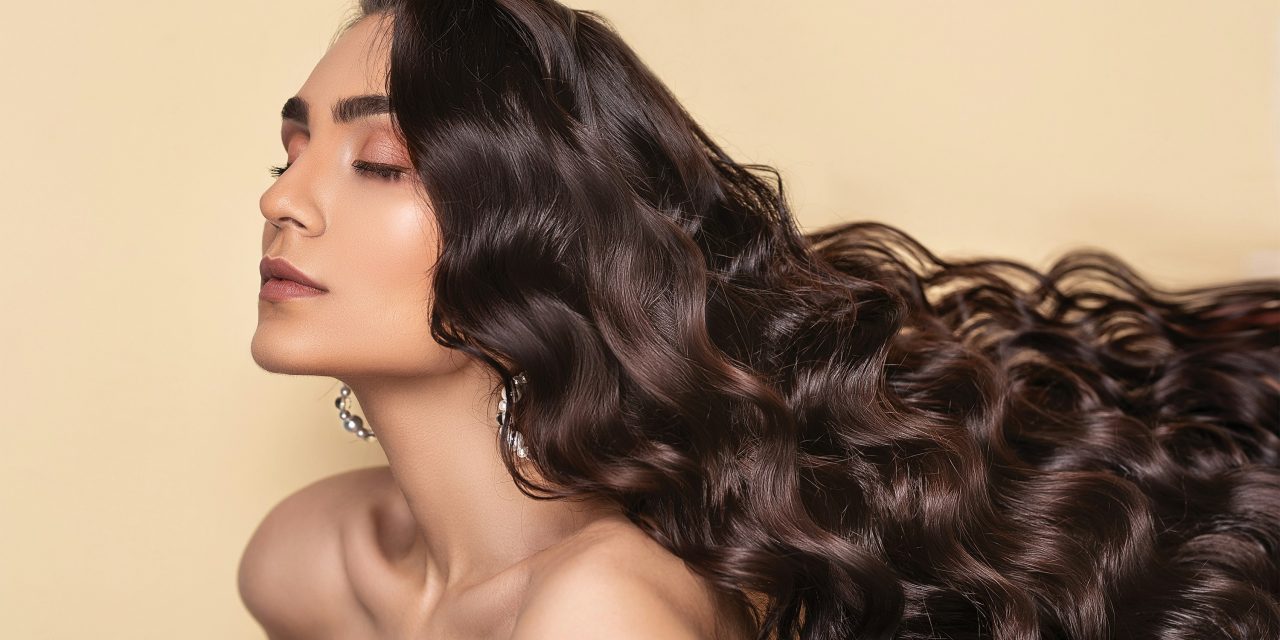
Conditioner plays a pivotal role in the realm of hair care, serving as a crucial adjunct to shampooing. Its primary function is to enhance the manageability, texture, and overall appearance of hair. Conditioners are formulated with a blend of emollients, humectants, and proteins that work synergistically to restore moisture, reduce friction, and fortify the hair shaft. This is particularly important for individuals with dry, damaged, or chemically treated hair, as these conditions can lead to increased porosity and brittleness.
Moreover, conditioners help to seal the cuticle layer of the hair, which can become lifted during the washing process. By smoothing down these cuticles, conditioners not only improve shine but also protect against environmental aggressors such as UV rays and pollution. The result is a more resilient hair structure that is less prone to breakage and split ends. Understanding the multifaceted role of conditioner is essential for anyone seeking to maintain healthy hair.
When considering whether to apply conditioner to your scalp, it’s essential to understand the different approaches to hair care and maintenance. For insights into how various treatments can impact your overall hair health, you might find it helpful to read a related article on the cost and results of DIY pest control versus professional extermination. This article, which can be found here, discusses the importance of choosing the right methods for effective results, much like selecting the appropriate hair care products for your specific needs.
The Anatomy of Your Scalp and Hair Follicles
To appreciate the impact of conditioner on hair health, it is vital to understand the anatomy of the scalp and hair follicles. The scalp is a complex structure composed of skin, sebaceous glands, hair follicles, and blood vessels. The skin on the scalp is thicker than that on other parts of the body, providing a robust barrier against external irritants. Hair follicles are embedded within the dermis and are responsible for producing hair strands through a cyclical growth process.
Each hair follicle is surrounded by a sebaceous gland that secretes sebum, an oily substance that naturally moisturizes both the scalp and hair. This sebum plays a critical role in maintaining the health of hair by providing essential lipids that prevent dryness. However, factors such as hormonal changes, environmental stressors, and improper hair care practices can disrupt this balance, leading to issues like dandruff or excessive oiliness. Understanding this anatomy allows individuals to make informed decisions regarding their hair care regimen.
Common Myths About Applying Conditioner to the Scalp

Despite the widespread use of conditioners, several myths persist regarding their application to the scalp. One prevalent misconception is that applying conditioner directly to the scalp will lead to greasy hair. While it is true that excessive application can result in an oily appearance, using the right type of conditioner in moderation can actually benefit scalp health. Conditioners designed for scalp use often contain lightweight formulations that hydrate without weighing down the hair.
Another myth suggests that conditioner should only be applied to the lengths and ends of the hair. While this is a common practice, neglecting the scalp can lead to dryness and irritation. In fact, certain conditioners contain ingredients that can soothe an irritated scalp or provide relief from conditions such as seborrheic dermatitis. Debunking these myths is essential for optimizing hair care routines and ensuring that both scalp and hair receive adequate nourishment.
The benefits of applying conditioner can vary significantly depending on whether it is used on the ends or the scalp. When applied to the ends of the hair, conditioners primarily serve to hydrate and protect against damage caused by heat styling or environmental factors. The ends are often more susceptible to dryness due to their distance from the scalp’s natural oils. Regular conditioning can help prevent split ends and maintain overall hair integrity.
Conversely, applying conditioner to the scalp can provide targeted benefits for individuals experiencing dryness or irritation. Scalp-specific conditioners often contain soothing agents such as aloe vera or tea tree oil that can alleviate itchiness and promote a healthier environment for hair growth. Additionally, conditioning the scalp can help balance sebum production, preventing both excessive oiliness and dryness. Understanding these distinct benefits allows individuals to tailor their conditioning practices according to their specific needs.
When and How to Apply Conditioner to Your Scalp

Timing and technique are crucial when it comes to applying conditioner to the scalp effectively. Ideally, conditioner should be applied after shampooing when the hair is clean and free from product buildup. This allows for optimal absorption of beneficial ingredients. To apply conditioner to the scalp, it is advisable to section the hair into manageable parts, ensuring even distribution.
Using your fingertips, gently massage a small amount of conditioner into the scalp using circular motions. This not only helps distribute the product but also stimulates blood circulation in the area, promoting healthier hair growth. It is essential to avoid using excessive amounts of product; a quarter-sized amount is typically sufficient for most individuals. Allowing the conditioner to sit for a few minutes before rinsing can enhance its effectiveness.
When considering whether to apply conditioner to your scalp, it’s important to understand the role of scalp health in overall hair care. Many people overlook the scalp, focusing solely on the hair strands, but a well-nourished scalp can lead to healthier hair growth. For more insights on maintaining your home, which can also impact your well-being, you might find this article on how often to clean your gutters helpful. You can read it here.
Choosing the Right Conditioner for Your Scalp Type
Selecting an appropriate conditioner tailored to your specific scalp type is paramount for achieving optimal results. For individuals with oily scalps, lightweight conditioners containing ingredients like witch hazel or citrus extracts can help regulate sebum production without adding excess moisture. Conversely, those with dry or sensitive scalps may benefit from richer formulations containing nourishing oils such as argan or jojoba oil.
Individuals with dandruff or other scalp conditions should seek out specialized conditioners formulated with antifungal agents like ketoconazole or zinc pyrithione. These ingredients can help combat fungal overgrowth while providing hydration. It is also advisable to consider fragrance-free options for those with sensitive skin to minimize irritation. By understanding your unique scalp needs, you can make informed choices that promote overall scalp health.
When considering whether to apply conditioner to your scalp, it’s essential to understand the potential benefits and drawbacks of doing so. Some experts suggest that applying conditioner directly to the scalp can help with dryness and flakiness, while others recommend focusing on the hair strands to avoid weighing down the roots. For a deeper dive into hair care practices, you might find this article on how to tell when chicken is fully cooked interesting, as it emphasizes the importance of proper techniques in achieving the best results, much like the careful consideration needed in your hair care routine.
Potential Risks of Conditioner on the Scalp
While conditioners offer numerous benefits, there are potential risks associated with their application on the scalp that should not be overlooked. One significant concern is product buildup, which can occur when conditioners are not adequately rinsed out. This buildup can lead to clogged pores and exacerbate conditions such as acne or folliculitis.
Additionally, some individuals may experience allergic reactions or sensitivities to certain ingredients commonly found in conditioners, such as sulfates or artificial fragrances. Symptoms may include redness, itching, or flaking of the scalp. It is crucial for individuals with known sensitivities to carefully read ingredient labels and conduct patch tests before widespread application. Being aware of these risks allows individuals to take proactive measures in their hair care routines.
How to Properly Rinse Conditioner to Avoid Build-Up
Proper rinsing techniques are essential for preventing conditioner buildup on the scalp and hair. After allowing the conditioner to sit for a few minutes, it is important to thoroughly rinse with lukewarm water rather than hot water, which can strip natural oils and lead to dryness. Begin by rinsing at the roots and working your way down towards the ends of your hair.
Using your fingers or a wide-tooth comb can help ensure even distribution of water throughout your hair while aiding in removing any residual product. It may be beneficial to follow up with a final rinse using cool water; this helps seal the cuticle layer and enhances shine while further preventing buildup. Adopting these rinsing techniques will contribute significantly to maintaining a healthy scalp environment.
Alternative Scalp Treatments to Complement Conditioner Use
In addition to traditional conditioners, various alternative treatments can complement your scalp care regimen effectively. Scalp exfoliation treatments containing salicylic acid or sugar scrubs can help remove dead skin cells and product buildup while promoting circulation. These treatments should be used sparingly—typically once every few weeks—to avoid over-exfoliation.
Essential oils such as peppermint or lavender can also be beneficial when diluted with carrier oils like coconut or olive oil. These oils not only provide nourishment but also possess antimicrobial properties that can help maintain a healthy scalp environment. Incorporating these alternative treatments into your routine can enhance overall scalp health while maximizing the benefits of traditional conditioning.
Signs Your Scalp Needs Conditioner Application
Recognizing when your scalp requires conditioning is crucial for maintaining optimal health. Common signs include dryness or flakiness on the scalp surface, which may indicate a lack of moisture or an imbalance in sebum production. Additionally, if you experience itchiness or irritation, it may be time to introduce a hydrating conditioner into your routine.
Another indicator is if your hair feels brittle or lacks elasticity; this often signifies damage that could be mitigated through proper conditioning practices. Observing these signs allows individuals to respond proactively by adjusting their hair care regimen accordingly.
Expert Tips for Maintaining a Healthy Scalp and Hair Balance
To achieve a harmonious balance between scalp health and hair vitality, consider implementing expert-recommended practices into your routine:
1. **Regular Cleansing**: Shampoo your hair regularly based on your scalp type—oily scalps may require more frequent washing than dry ones.
2. **Hydration**: Drink plenty of water daily; hydration from within contributes significantly to overall skin and scalp health.
3. **Balanced Diet**: Incorporate foods rich in vitamins A, C, D, E, zinc, iron, and omega-3 fatty acids into your diet for optimal hair growth.
4. **Limit Heat Styling**: Reduce reliance on heat styling tools; excessive heat can damage both hair and scalp.
5. **Scalp Massages**: Regularly massage your scalp during conditioning; this promotes circulation and enhances nutrient absorption.
6. **Avoid Overuse**: Use products sparingly; excessive application can lead to buildup and irritation.
7. **Consult Professionals**: If persistent issues arise, consult a dermatologist or trichologist for personalized advice tailored to your specific needs.
In summary, understanding how conditioners function within a comprehensive hair care regimen is essential for achieving optimal results. By recognizing the anatomy of your scalp and making informed choices regarding product application and selection, you can enhance both scalp health and overall hair vitality effectively.
FAQs
Should I apply conditioner to my scalp?
Generally, it is not recommended to apply conditioner directly to the scalp, especially if you have oily hair or scalp. Conditioners are designed to moisturize and soften hair, and applying them to the scalp can lead to buildup and greasiness. However, if you have a dry scalp or specific scalp conditions, a lightweight conditioner may be beneficial.
What are the benefits of applying conditioner to the hair rather than the scalp?
Applying conditioner primarily to the hair helps to detangle, moisturize, and protect the hair strands from damage. It can improve hair texture, reduce frizz, and enhance shine without weighing down the scalp or causing excess oiliness.
Can conditioner help with scalp issues?
Some conditioners contain ingredients that can soothe scalp issues, such as dryness or irritation. Look for conditioners with soothing ingredients like aloe vera or tea tree oil. However, for specific scalp conditions like dandruff or psoriasis, it is best to use specialized treatments rather than regular conditioner.
How often should I use conditioner on my hair?
The frequency of conditioner use depends on your hair type and condition. Generally, it is recommended to use conditioner every time you wash your hair, which could be daily or a few times a week. For dry or damaged hair, using a deep conditioner once a week can provide additional moisture and repair.
Are there any alternatives to traditional conditioner for the scalp?
Yes, there are alternatives to traditional conditioners for the scalp, such as scalp oils, serums, or treatments specifically formulated for scalp health. These products can provide hydration and nourishment without the heaviness of regular conditioner, making them suitable for direct application to the scalp.