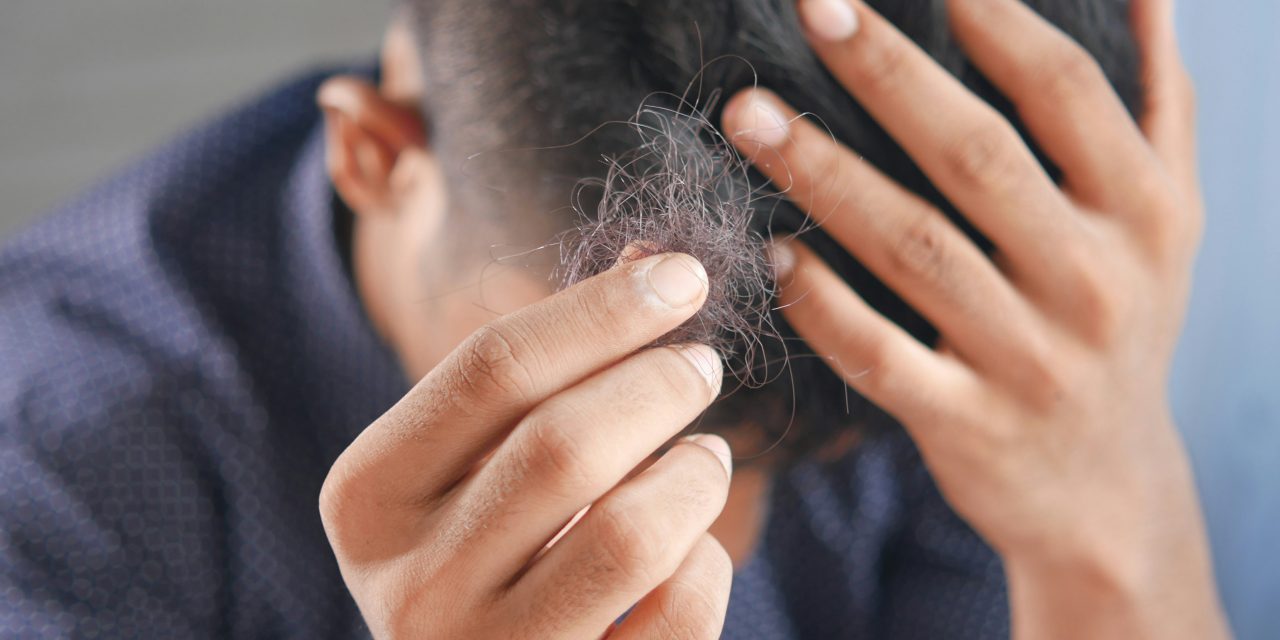
Dandruff is a common scalp condition characterized by the shedding of dead skin cells, often accompanied by itching and irritation. While many individuals associate dandruff with inadequate hygiene, it can also manifest after washing hair, leading to confusion and frustration. Post-wash dandruff can be particularly perplexing, as it may appear immediately after cleansing the scalp, despite the intention of achieving cleanliness and health. Understanding the underlying causes of this phenomenon is crucial for effective management and prevention.
The appearance of flakes post-wash can be attributed to various factors, including the use of inappropriate hair care products, scalp sensitivity, and environmental influences. This article delves into the multifaceted reasons behind post-wash dandruff, offering insights into prevention and treatment options. By identifying the root causes, individuals can take proactive measures to maintain a healthy scalp and minimize the occurrence of dandruff.
If you’re wondering why you still have dandruff after washing your hair, you might find it helpful to explore related topics that discuss hair and scalp health. For instance, an interesting article on gardening tips can provide insights into how natural ingredients, like tomatoes, can be beneficial for your hair care routine. You can read more about it in this article: 10 Tomato Pruning Tips for Bigger, Juicier Harvests This Season. While it may not directly address dandruff, understanding the benefits of natural products can lead you to discover effective home remedies for scalp issues.
Overwashing Strips Natural Oils
One of the primary culprits behind post-wash dandruff is overwashing the hair. Frequent shampooing can lead to the depletion of natural oils produced by the sebaceous glands in the scalp. These oils play a vital role in maintaining scalp hydration and overall health. When stripped away, the scalp may become dry and irritated, resulting in increased flaking and itchiness.
The frequency of washing varies among individuals, but experts generally recommend shampooing every two to three days for those with normal to oily hair types. For individuals with dry or curly hair, extending the time between washes can help preserve natural moisture levels. It is essential to listen to one’s scalp and adjust washing routines accordingly to prevent exacerbating dandruff symptoms.
Using Harsh Shampoos and Chemicals

The choice of shampoo can significantly impact scalp health. Many commercial shampoos contain sulfates, parabens, and other harsh chemicals that can irritate the scalp and disrupt its natural balance. These ingredients may strip away essential oils, leading to dryness and flakiness. Furthermore, individuals with sensitive skin may experience allergic reactions or heightened irritation from these formulations.
To mitigate the risk of post-wash dandruff, it is advisable to opt for gentle, sulfate-free shampoos that are specifically formulated for sensitive scalps. Ingredients such as tea tree oil, aloe vera, and chamomile can provide soothing properties while effectively cleansing the hair without causing irritation. Reading product labels and choosing formulations that prioritize scalp health can make a significant difference in preventing dandruff.
Inadequate Rinsing Leaves Residue

Another factor contributing to post-wash dandruff is inadequate rinsing during the hair washing process. Residual shampoo or conditioner left on the scalp can lead to buildup, which may manifest as flakes or irritation. This residue can create an environment conducive to fungal growth, further exacerbating dandruff symptoms.
To ensure thorough rinsing, individuals should take their time during the washing process. It is recommended to rinse hair for at least 30 seconds after applying shampoo and conditioner to ensure all products are completely washed away. Additionally, using lukewarm water rather than hot water can help maintain scalp hydration while effectively removing any product buildup.
If you’ve ever wondered why you still experience dandruff after washing your hair, you might find it helpful to explore some common causes and solutions. Many people are surprised to learn that factors such as dry skin, sensitivity to hair products, or even a yeast-like fungus can contribute to this issue. For a deeper understanding of how to manage dandruff effectively, you can read more in this informative article on hair care. Understanding these elements can help you take better care of your scalp and reduce flakiness. Check out the article here for more insights.
Dry Scalp Triggered by Hot Water
Hot water can be particularly detrimental to scalp health, as it tends to strip away natural oils more aggressively than lukewarm or cool water. The use of hot water during hair washing can lead to a dry scalp, which may trigger increased flaking and irritation post-wash. Individuals who frequently wash their hair with hot water may find themselves caught in a cycle of dryness and dandruff.
To combat this issue, it is advisable to adjust water temperature during hair washing. Opting for lukewarm water helps cleanse the scalp without causing excessive dryness. Additionally, incorporating a cool rinse at the end of the washing process can help seal moisture into the hair and scalp, promoting overall hydration.
Fungal Overgrowth Reactivation
Malassezia yeast is a naturally occurring fungus on the scalp that can contribute to dandruff when it overgrows. Factors such as hormonal changes, stress, and environmental conditions can trigger this overgrowth, leading to increased flaking and irritation. Washing hair too frequently or using harsh products can disrupt the delicate balance of microorganisms on the scalp, allowing Malassezia to thrive.
To address fungal overgrowth, individuals may benefit from using antifungal shampoos containing active ingredients such as ketoconazole or zinc pyrithione. These formulations target Malassezia and help restore balance to the scalp’s microbiome. Regular use of antifungal treatments can significantly reduce dandruff symptoms and promote a healthier scalp environment.
Allergic Reactions to Hair Products
Allergic reactions to hair care products can manifest as redness, itching, and flaking on the scalp. Ingredients such as fragrances, preservatives, and certain botanical extracts may trigger sensitivities in some individuals. These reactions can occur immediately after washing or develop over time with repeated exposure.
To minimize the risk of allergic reactions, individuals should conduct patch tests before using new products. Applying a small amount of product to a discreet area of skin allows for monitoring any adverse reactions before widespread application. Additionally, opting for hypoallergenic or fragrance-free formulations can help reduce the likelihood of irritation and subsequent dandruff.
Scalp Sensitivity and Irritation
Individuals with sensitive scalps may experience heightened reactions to various stimuli, including temperature changes, product ingredients, and environmental factors. This sensitivity can lead to inflammation and increased flaking after washing hair. Identifying triggers is essential for managing sensitivity effectively.
To soothe a sensitive scalp, individuals should consider incorporating calming ingredients into their hair care routine. Products containing chamomile extract or calendula oil can provide anti-inflammatory benefits while promoting hydration. Additionally, avoiding excessive heat styling and minimizing exposure to harsh environmental conditions can help maintain scalp comfort.
Improper Hair Drying Techniques
The method used for drying hair post-wash can also contribute to post-wash dandruff. Rubbing wet hair vigorously with a towel can cause friction and irritation on the scalp, leading to increased flaking. Furthermore, using high heat settings on blow dryers can exacerbate dryness and sensitivity.
To prevent irritation during drying, individuals should gently pat their hair with a soft towel rather than rubbing it vigorously. Allowing hair to air dry whenever possible is also beneficial for maintaining moisture levels in both hair and scalp. If blow drying is necessary, using a low heat setting and maintaining distance from the scalp can help minimize damage.
Underlying Skin Conditions Flare Up
Certain underlying skin conditions such as psoriasis or eczema can contribute to dandruff-like symptoms on the scalp. These conditions may flare up due to stress, environmental changes, or hormonal fluctuations, leading to increased scaling and irritation after washing hair.
Individuals with known skin conditions should consult with a dermatologist for tailored treatment options that address both their skin condition and associated dandruff symptoms. Topical corticosteroids or medicated shampoos may be recommended to manage flare-ups effectively while promoting overall scalp health.
Tips to Prevent Dandruff After Washing
Preventing post-wash dandruff requires a multifaceted approach that addresses various contributing factors. Here are several actionable tips:
1. **Adjust Washing Frequency**: Tailor your washing routine based on your hair type and scalp condition.
2. **Choose Gentle Products**: Opt for sulfate-free shampoos that prioritize scalp health.
3. **Thorough Rinsing**: Ensure all product residues are completely rinsed from your hair.
4. **Temperature Control**: Use lukewarm water for washing and rinsing.
5. **Incorporate Antifungal Treatments**: Consider antifungal shampoos if fungal overgrowth is suspected.
6. **Conduct Patch Tests**: Test new products on a small area before full application.
7. **Soothe Sensitivity**: Use calming ingredients in your hair care routine.
8. **Gentle Drying Techniques**: Pat dry instead of rubbing wet hair vigorously.
9. **Consult Professionals**: Seek advice from dermatologists for underlying skin conditions.
By implementing these strategies, individuals can significantly reduce the likelihood of experiencing post-wash dandruff while promoting overall scalp health.
In summary, post-wash dandruff is a multifactorial issue that requires careful consideration of various contributing factors such as overwashing, product choice, rinsing techniques, and underlying skin conditions. By understanding these elements and adopting preventive measures, individuals can effectively manage their scalp health and minimize discomfort associated with dandruff after washing their hair.
FAQs
What causes dandruff after washing hair?
Dandruff after washing hair can be caused by several factors, including dry scalp, sensitivity to hair products, or an overgrowth of yeast on the scalp. When the scalp is dry, it can lead to flaking, while certain shampoos or conditioners may irritate the scalp, causing dandruff. Additionally, conditions like seborrheic dermatitis can also contribute to dandruff.
Can using the wrong shampoo lead to dandruff?
Yes, using the wrong shampoo can lead to dandruff. Shampoos that contain harsh chemicals or sulfates can strip the scalp of its natural oils, leading to dryness and flaking. It’s important to choose a gentle, moisturizing shampoo or one specifically formulated to combat dandruff.
Is it normal to have dandruff after every wash?
While occasional dandruff can be normal, consistently experiencing dandruff after every wash may indicate an underlying issue. This could be due to an unsuitable hair care routine, a scalp condition, or an allergic reaction to hair products. If it persists, consulting a dermatologist is advisable.
How can I prevent dandruff after washing my hair?
To prevent dandruff after washing your hair, consider using a mild, sulfate-free shampoo, and ensure you are moisturizing your scalp adequately. Additionally, avoid washing your hair too frequently, as this can strip natural oils. Incorporating a scalp treatment or anti-dandruff shampoo may also help.
When should I see a doctor about my dandruff?
If your dandruff persists despite trying over-the-counter treatments, worsens, or is accompanied by redness, itching, or inflammation, it is advisable to see a doctor or dermatologist. They can help diagnose any underlying conditions and recommend appropriate treatments.