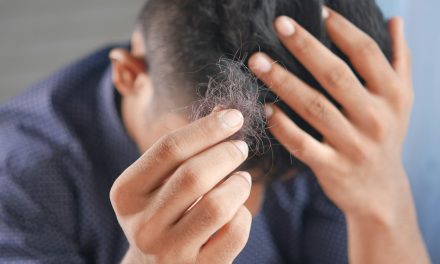
Dandruff, clinically known as seborrheic dermatitis, is a common scalp condition characterized by the shedding of dead skin cells. This phenomenon can manifest as white or yellowish flakes that may be visible on the scalp, hair, and shoulders. The condition is often accompanied by itching and irritation, which can lead to discomfort and self-consciousness. The etiology of dandruff is multifactorial, involving a combination of genetic predisposition, environmental factors, and microbial influences.
One of the primary culprits behind dandruff is the overgrowth of Malassezia yeast, a fungus that naturally resides on the scalp. In individuals predisposed to dandruff, this yeast can proliferate excessively, leading to an inflammatory response that accelerates skin cell turnover. Other contributing factors include dry skin, sensitivity to hair care products, hormonal fluctuations, and stress. Understanding these underlying causes is crucial for effective management and treatment.
If you’re looking to maintain a healthy scalp while managing dandruff, you might find it helpful to read about the frequency of using dandruff shampoo. Understanding how often to use these specialized shampoos can significantly impact their effectiveness. For more insights on home maintenance, you can also check out this article on fixing common household issues, such as a running toilet that won’t stop filling, which can be found here.
What Is Dandruff Shampoo?
Dandruff shampoo is a specialized formulation designed to combat the symptoms of dandruff and seborrheic dermatitis. These shampoos contain active ingredients that target the underlying causes of flaking and itching. Common active components include zinc pyrithione, ketoconazole, selenium sulfide, coal tar, and salicylic acid. Each ingredient works through different mechanisms to reduce fungal growth, alleviate inflammation, and promote healthy scalp conditions.
For instance, zinc pyrithione exhibits antifungal properties that inhibit the growth of Malassezia yeast, while salicylic acid helps to exfoliate the scalp by breaking down the bonds between dead skin cells. Coal tar, on the other hand, slows down skin cell turnover and reduces inflammation. The selection of an appropriate dandruff shampoo is essential for achieving optimal results in managing this condition.
Factors Influencing How Often to Use Dandruff Shampoo

The frequency of using dandruff shampoo can vary significantly based on several factors. One primary consideration is the severity of the dandruff itself. Individuals with mild symptoms may find that using dandruff shampoo once or twice a week suffices to maintain scalp health. Conversely, those experiencing more severe symptoms may require more frequent applications to effectively manage their condition.
Another influencing factor is the type of dandruff shampoo being used. Some formulations are designed for daily use, while others are more potent and intended for less frequent application. Additionally, individual responses to treatment can vary; some may experience rapid improvement with regular use, while others may need to experiment with different products or frequencies to find what works best for them.
Recommended Frequency for Mild Dandruff

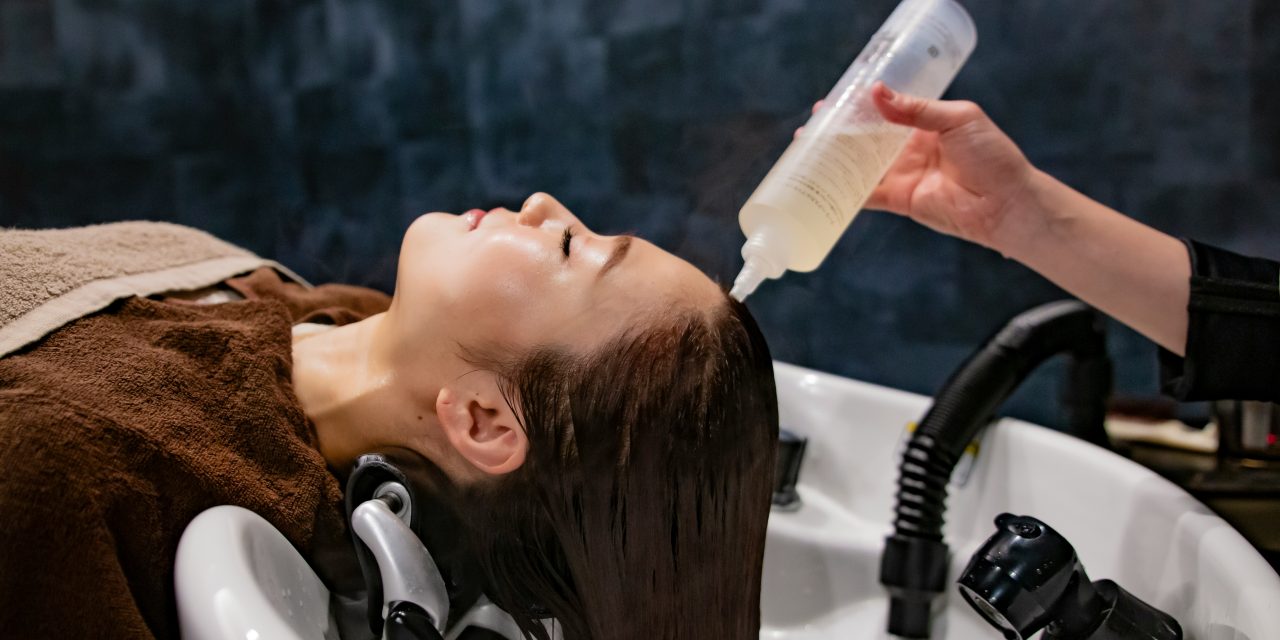
For individuals experiencing mild dandruff, a recommended frequency of use for dandruff shampoo is typically once or twice a week. This regimen allows for effective management of symptoms without over-drying the scalp or disrupting its natural balance. During these washings, it is advisable to thoroughly massage the shampoo into the scalp and allow it to sit for several minutes before rinsing. This ensures that the active ingredients have adequate time to penetrate the scalp and exert their effects.
In addition to using dandruff shampoo, maintaining a consistent hair care routine can further support scalp health. This includes using a gentle conditioner after shampooing to keep hair moisturized and prevent dryness. It is also beneficial to avoid excessive heat styling or harsh chemical treatments that could exacerbate scalp irritation.
When considering how often to use dandruff shampoo, it’s important to understand the underlying causes of dandruff and how different treatments can affect your scalp health. For a deeper insight into managing various household issues, you might find it helpful to read an article on effective strategies for pest control, which can also relate to maintaining a clean and healthy environment. You can check it out here. This knowledge can complement your hair care routine by ensuring that your living space is free from irritants that could exacerbate scalp conditions.
How to Adjust Usage for Severe Dandruff
When dealing with severe dandruff or seborrheic dermatitis, it may be necessary to adjust the frequency of dandruff shampoo usage to achieve optimal results. In such cases, using the shampoo three times a week or even daily may be warranted until symptoms improve significantly. It is crucial to monitor the scalp’s response during this period; if irritation or excessive dryness occurs, it may be necessary to reduce usage or switch to a milder formulation.
In addition to increasing frequency, individuals with severe dandruff should consider incorporating other therapeutic measures into their routine. This may include using topical corticosteroids or antifungal creams as prescribed by a healthcare professional. These adjunct treatments can help alleviate inflammation and further reduce fungal overgrowth on the scalp.
Signs You’re Using Dandruff Shampoo Too Often
While dandruff shampoo can be beneficial in managing symptoms, overuse can lead to adverse effects. Signs that you may be using dandruff shampoo too frequently include increased scalp dryness, irritation, or redness. Additionally, if you notice an exacerbation of flaking or itching after frequent use, it may indicate that your scalp’s natural barrier has been compromised.
Another potential consequence of overusing dandruff shampoo is the development of contact dermatitis, which can occur when the scalp becomes sensitized to certain ingredients in the formulation. If you experience any of these symptoms, it is advisable to reduce the frequency of use and consult with a dermatologist for further evaluation and recommendations.
Signs You Need to Use Dandruff Shampoo More Frequently
Conversely, there are specific indicators that suggest an increased frequency of dandruff shampoo usage may be necessary. If you find that your dandruff persists despite regular washing or if you experience recurrent itching and irritation, it may be time to adjust your regimen. Additionally, if you notice an increase in flaking or if your scalp appears inflamed or red, these are signs that your current treatment plan may not be sufficient.
In such cases, it is essential to reassess your choice of dandruff shampoo as well. Some formulations may be more effective than others based on individual responses. Consulting with a healthcare professional can provide valuable insights into selecting an appropriate product and determining an effective washing schedule tailored to your specific needs.
Combining Dandruff Shampoo with Regular Shampoo
Many individuals wonder whether it is possible to combine dandruff shampoo with their regular shampoo without compromising effectiveness. The answer is yes; however, it requires careful consideration of timing and product selection. One common approach is to alternate between dandruff shampoo and regular shampoo during wash days.
For example, one might use dandruff shampoo on days when symptoms are more pronounced while opting for a gentle regular shampoo on alternate days. This strategy allows for effective management of dandruff while minimizing potential irritation from frequent use of medicated products. It is essential to ensure that any regular shampoo used is free from harsh sulfates or irritating ingredients that could exacerbate scalp issues.
Tips for Maximizing the Effectiveness of Dandruff Shampoo
To enhance the efficacy of dandruff shampoo, several strategies can be employed. First and foremost, it is crucial to follow the instructions provided on the product label carefully. This includes adhering to recommended application times and ensuring thorough coverage of the scalp during washing.
Additionally, incorporating a gentle massage technique while applying the shampoo can help stimulate blood circulation in the scalp and promote better absorption of active ingredients. Allowing the shampoo to sit on the scalp for several minutes before rinsing can further enhance its effectiveness.
Moreover, maintaining a balanced diet rich in vitamins and minerals can support overall scalp health. Nutrients such as omega-3 fatty acids, zinc, and B vitamins play vital roles in skin health and may contribute to reducing dandruff severity.
When to Consult a Dermatologist About Your Dandruff
While many cases of dandruff can be managed effectively with over-the-counter treatments, there are instances when consulting a dermatologist becomes necessary. If you experience persistent symptoms despite consistent use of dandruff shampoo or if your condition worsens over time, seeking professional guidance is advisable.
Additionally, if you notice any unusual changes in your scalp or hair—such as excessive hair loss or lesions—it is crucial to consult a healthcare professional promptly. A dermatologist can conduct a thorough evaluation and recommend appropriate treatments tailored to your specific condition.
Long-Term Hair Care Strategies Beyond Dandruff Shampoo
Beyond using dandruff shampoo, adopting long-term hair care strategies can significantly contribute to maintaining a healthy scalp and preventing future flare-ups. Regularly moisturizing the scalp with natural oils such as coconut oil or tea tree oil can help maintain hydration levels and combat dryness.
Furthermore, minimizing stress through relaxation techniques such as yoga or meditation can positively impact overall skin health. Stress has been linked to exacerbating various skin conditions, including seborrheic dermatitis.
Lastly, avoiding harsh hair care products containing sulfates or alcohol can prevent irritation and maintain scalp integrity. Opting for gentle formulations designed for sensitive skin can further support long-term hair health.
In summary, understanding dandruff involves recognizing its causes and implementing effective treatment strategies through specialized shampoos tailored for this condition. The frequency of use should be adjusted based on severity while monitoring signs of overuse or underuse. Combining treatments with regular shampoos and adopting holistic hair care practices can enhance outcomes significantly. Consulting with dermatologists when necessary ensures personalized care tailored to individual needs for optimal scalp health management.
FAQs
How often should I use dandruff shampoo?
The frequency of using dandruff shampoo can vary based on the severity of your dandruff. Generally, it is recommended to use it at least twice a week for mild cases, while more severe cases may require daily use until symptoms improve. After that, you can reduce the frequency to once a week or as needed.
Can I use dandruff shampoo every day?
Yes, you can use dandruff shampoo every day if your dandruff is severe. However, it is important to monitor your scalp’s response, as overuse may lead to dryness or irritation. If you notice any adverse effects, consider reducing the frequency or consulting a dermatologist.
What should I do if my dandruff doesn’t improve?
If your dandruff does not improve after using dandruff shampoo consistently for a few weeks, it may be time to consult a dermatologist. They can help determine if there is an underlying condition, such as seborrheic dermatitis or psoriasis, that requires a different treatment approach.
Are there different types of dandruff shampoos?
Yes, there are several types of dandruff shampoos, each containing different active ingredients. Common ingredients include zinc pyrithione, ketoconazole, selenium sulfide, and coal tar. Each type targets dandruff in different ways, so you may need to try a few to find the one that works best for you.
Can I use regular shampoo along with dandruff shampoo?
Yes, you can use regular shampoo along with dandruff shampoo. Some people choose to alternate between the two, using dandruff shampoo a few times a week and regular shampoo on other days. This can help maintain scalp health while managing dandruff effectively.