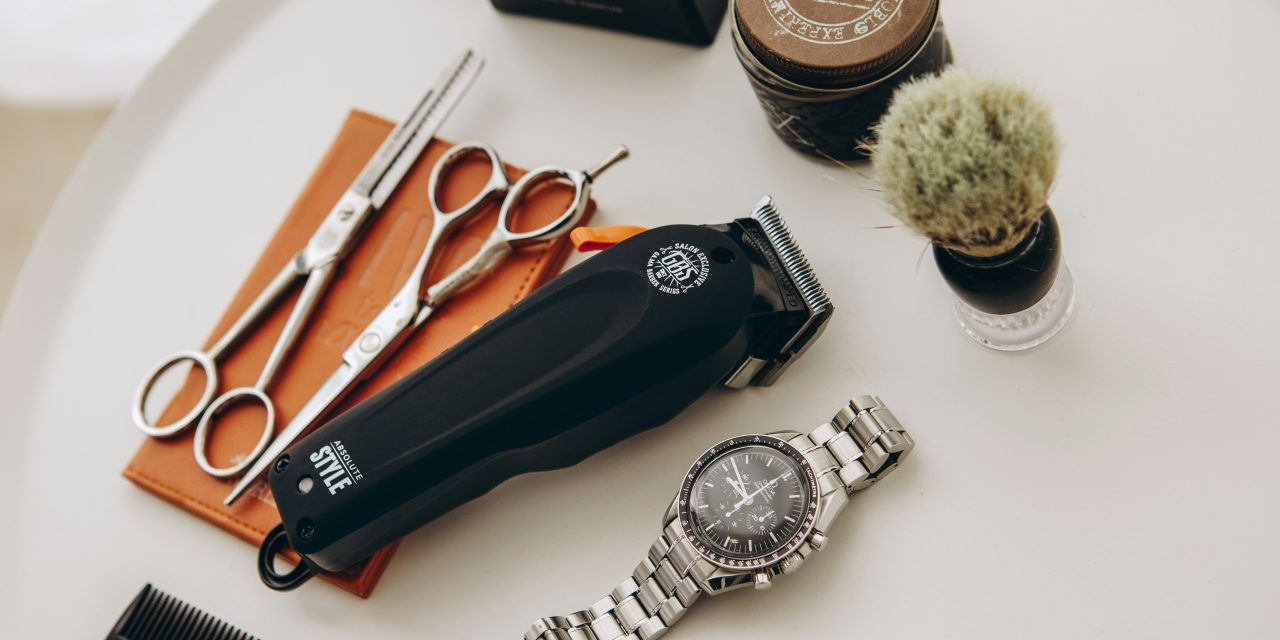
Maintaining personal grooming tools, particularly beard trimmers, is essential for both hygiene and performance. Regular disinfection of these devices is crucial to prevent the accumulation of bacteria, fungi, and other pathogens that can lead to skin irritations or infections. The beard area is particularly sensitive, and using a contaminated trimmer can introduce harmful microorganisms into the skin, potentially causing folliculitis or other dermatological issues. Furthermore, a clean trimmer ensures optimal cutting performance, prolonging the lifespan of the device and enhancing the overall grooming experience.
Disinfecting your beard trimmer also contributes to a more pleasant grooming routine. A well-maintained tool not only performs better but also provides a sense of confidence and satisfaction. The act of grooming becomes more enjoyable when you know that your equipment is clean and safe to use. Additionally, neglecting proper cleaning can lead to dull blades, which may tug at hair rather than cutting it smoothly, resulting in discomfort and an uneven trim. Therefore, understanding the importance of disinfecting your beard trimmer is paramount for both health and grooming efficacy.
When it comes to maintaining personal grooming tools, ensuring they are properly disinfected is crucial for hygiene and longevity. For those interested in learning how to disinfect a beard trimmer safely, you might find it helpful to explore related topics on pet care and hygiene. For instance, you can check out this article on the top 10 dog boarding facilities for your pets’ perfect staycation, which emphasizes the importance of cleanliness in grooming environments. You can read more about it here: Top 10 Dog Boarding Facilities for Your Pets’ Perfect Staycation.
Gather the Necessary Cleaning Supplies
Before embarking on the cleaning process, it is essential to gather all necessary supplies to ensure a thorough and effective disinfection. The primary items required include rubbing alcohol (preferably 70% isopropyl alcohol), a soft brush or cloth, a small bowl for soaking parts, and blade oil for maintenance after cleaning. These items are readily available at most pharmacies or online retailers, making them accessible for anyone looking to maintain their grooming tools.
In addition to these primary supplies, consider having a pair of tweezers or a small vacuum cleaner attachment handy for removing stubborn hair clippings from hard-to-reach areas. A toothbrush can also be beneficial for scrubbing away debris from intricate parts of the trimmer. Having all these tools at your disposal will streamline the cleaning process and ensure that no step is overlooked, ultimately leading to a more effective disinfection routine.
Unplug and Disassemble Your Trimmer Safely

Safety should always be the top priority when handling electrical grooming devices. Before beginning the cleaning process, ensure that your beard trimmer is unplugged from any power source. This precaution prevents accidental activation during disassembly and cleaning, which could lead to injury or damage to the device. Once unplugged, carefully follow the manufacturer’s instructions to disassemble the trimmer. This typically involves removing the blade guard and detaching the blades from the main body.
Taking care during disassembly is crucial; mishandling components can lead to breakage or misalignment when reassembling. Keep track of all screws and small parts by placing them in a designated container. This organization will save time and frustration later on when it comes time to put everything back together. By ensuring that you safely unplug and disassemble your trimmer, you set the stage for an effective cleaning process.
Remove Hair and Debris from the Blades

Once the trimmer is disassembled, focus on removing hair and debris from the blades. Hair clippings can accumulate quickly, leading to reduced performance and hygiene concerns. Use tweezers or a soft brush to gently remove any visible hair strands from the blades and surrounding areas. Be cautious not to apply excessive force, as this could damage delicate components.
For a more thorough cleaning, consider using a small vacuum cleaner attachment designed for electronics. This tool can effectively suck up hair clippings from hard-to-reach areas without risking damage to the blades. Ensuring that all debris is removed will enhance the effectiveness of subsequent disinfection steps and contribute to the overall longevity of your beard trimmer.
When it comes to maintaining personal grooming tools, ensuring they are properly sanitized is essential for hygiene. If you’re looking for effective methods to disinfect a beard trimmer safely, you might find it helpful to explore related topics on pet care and training, as cleanliness is equally important for our furry friends. For instance, you can read about the benefits of day care and dog training in this informative article that highlights how a clean environment contributes to a happy and well-behaved pet. Check it out here: benefits of day care dog training.
Use Rubbing Alcohol for Effective Disinfection
Rubbing alcohol is an excellent disinfectant due to its ability to kill bacteria and viruses on contact. After removing hair and debris, soak a clean cloth or cotton pad in 70% isopropyl alcohol and wipe down all surfaces of the blades and trimmer body. Pay special attention to crevices where bacteria may hide. The alcohol will evaporate quickly, leaving behind a sanitized surface.
For added effectiveness, consider soaking the blades in a small bowl filled with rubbing alcohol for several minutes. This method allows for deeper penetration into any remaining debris or pathogens that may be clinging to the blades. After soaking, remove the blades and wipe them down with a clean cloth to ensure they are free from any residual alcohol or debris.
When it comes to maintaining personal grooming tools, ensuring that your beard trimmer is properly disinfected is essential for both hygiene and performance. For those looking to learn more about safe cleaning practices, you might find it interesting to explore how different animals, like cats, express affection through their behaviors. This can be related to the care we put into our grooming routines. If you’re curious about why your cat might headbutt you, check out this insightful article on the topic here.
Clean the Blades with a Soft Brush or Cloth
After disinfecting with rubbing alcohol, it is essential to give the blades a final clean using a soft brush or cloth. This step helps remove any remaining particles that may have been loosened during disinfection but not fully eliminated. A soft-bristled brush is particularly effective at reaching into small crevices where hair clippings may still be lodged.
Gently brush along the edges of the blades and around any intricate parts of the trimmer head. If using a cloth, ensure it is lint-free to avoid leaving fibers behind that could interfere with performance. This meticulous cleaning process not only enhances hygiene but also ensures that your trimmer operates at peak efficiency.
Avoid Using Water on Electrical Components
While it may be tempting to use water for cleaning due to its universal availability, it is crucial to avoid exposing electrical components of your beard trimmer to moisture. Water can cause corrosion or short-circuiting within the device, leading to malfunction or permanent damage. Instead, rely on alcohol-based disinfectants and dry cleaning methods to maintain hygiene without risking electrical integrity.
If you accidentally expose electrical components to water, immediately disconnect the device from power sources and allow it to dry completely before attempting to use it again. In some cases, professional servicing may be required if water damage occurs.
Apply Blade Oil to Maintain Performance
After thoroughly cleaning and disinfecting your beard trimmer, applying blade oil is essential for maintaining optimal performance. Blade oil reduces friction between moving parts, ensuring smooth operation during use. It also helps prevent rust formation on metal components, extending the lifespan of your trimmer.
To apply blade oil effectively, place a few drops directly onto the blades while they are running (if applicable) or while they are stationary after reassembly. Allow the oil to penetrate for a few moments before wiping away any excess with a clean cloth. Regular application of blade oil not only enhances cutting efficiency but also contributes to a more comfortable grooming experience.
Let the Trimmer Dry Completely Before Reassembly
Before reassembling your beard trimmer, it is vital to allow all components to dry completely. Moisture left on any part of the device can lead to mold growth or electrical issues when powered on again. Place all cleaned parts in a well-ventilated area or use a fan to expedite drying time.
Ensure that both the blades and body are free from any moisture before proceeding with reassembly. This attention to detail will help maintain hygiene standards while ensuring that your trimmer functions correctly upon reactivation.
Establish a Regular Cleaning Schedule
To maintain optimal hygiene and performance of your beard trimmer, establishing a regular cleaning schedule is essential. Depending on usage frequency, aim to clean your trimmer after every few uses or at least once a week if used daily. Regular maintenance prevents buildup of hair and bacteria, ensuring that your grooming routine remains safe and effective.
Consider setting reminders on your phone or calendar to prompt you for cleaning sessions. Consistency in this practice will not only enhance hygiene but also prolong the lifespan of your grooming tool, ultimately saving you money in replacement costs over time.
Store Your Beard Trimmer in a Clean, Dry Place
Proper storage of your beard trimmer plays a significant role in maintaining its cleanliness and functionality. After cleaning and drying your device, store it in a designated area that is clean and dry—preferably in its original case or pouch if available. Avoid leaving it exposed in damp environments such as bathrooms where moisture can accumulate.
Additionally, consider using silica gel packets or moisture-absorbing products in your storage area to further reduce humidity levels around your trimmer. By ensuring that your beard trimmer is stored correctly, you protect it from potential damage while promoting longevity.
In summary, disinfecting your beard trimmer is an essential practice that enhances hygiene and performance while preventing skin irritations caused by bacteria buildup. By gathering necessary supplies, safely disassembling your device, thoroughly cleaning components with rubbing alcohol, applying blade oil for maintenance, establishing regular cleaning schedules, and storing properly, you can ensure that your grooming tool remains effective for years to come. Prioritizing these practices not only contributes to personal health but also elevates your overall grooming experience.
### FAQ Section
1. **How often should I clean my beard trimmer?**
– It is recommended to clean your beard trimmer after every few uses or at least once a week if used daily.
2. **Can I use soap and water instead of rubbing alcohol?**
– No, it is best to avoid using soap and water on electrical components as moisture can cause damage; instead, use rubbing alcohol for effective disinfection.
3. **What type of blade oil should I use?**
– Use specifically formulated blade oil designed for grooming tools; avoid using cooking oils as they can cause buildup.
4. **Is it safe to use my trimmer while it’s plugged in?**
– No, always unplug your trimmer before cleaning or disassembling it to prevent accidental activation.
5. **What should I do if my trimmer stops working after cleaning?**
– If your trimmer does not work after cleaning, ensure all components are dry; if issues persist, consult a professional technician for servicing.
6. **Can I use my beard trimmer on wet hair?**
– It depends on whether your trimmer is designed for wet use; check manufacturer guidelines before using on wet hair.
7. **How do I know if my blades need sharpening?**
– If you notice pulling or tugging during use or uneven cuts, it may be time to sharpen or replace your blades.
8. **What should I do if I accidentally get water inside my trimmer?**
– Disconnect it immediately from power sources and allow it to dry completely before attempting to use it again; professional servicing may be necessary if issues arise.
9. **Can I use disinfectant wipes instead of rubbing alcohol?**
– Yes, disinfectant wipes can be used as long as they are safe for electronics; ensure they do not leave moisture behind.
10. **What are some signs that my beard trimmer needs maintenance?**
– Signs include decreased cutting efficiency, unusual noises during operation, or visible rust on blades; regular maintenance can prevent these issues.
By adhering to these guidelines and addressing common concerns through FAQs, you can ensure that your beard trimming experience remains safe, hygienic, and effective over time.
FAQs
Why is it important to disinfect a beard trimmer?
Disinfecting a beard trimmer is crucial to prevent the spread of bacteria, fungi, and viruses that can accumulate on the blades and combs. Regular disinfection helps maintain hygiene, reduces the risk of skin infections, and ensures a clean grooming experience.
What materials do I need to disinfect my beard trimmer?
To disinfect your beard trimmer, you will need isopropyl alcohol (at least 70% concentration), a soft cloth or paper towel, a small brush (like a toothbrush), and possibly a disinfectant spray. These materials will help effectively clean and sanitize the trimmer.
How often should I disinfect my beard trimmer?
It is recommended to disinfect your beard trimmer after every use, especially if you are trimming facial hair for multiple people. If you use it less frequently, aim to disinfect it at least once a month to maintain hygiene and performance.
Can I use soap and water to clean my beard trimmer?
While soap and water can help remove hair and debris from the trimmer, they do not effectively disinfect it. It is best to follow up with isopropyl alcohol or a disinfectant spray to ensure that any remaining bacteria or viruses are eliminated.
What steps should I follow to disinfect my beard trimmer?
To disinfect your beard trimmer, first, unplug it and remove any attachments. Use a small brush to remove hair and debris from the blades. Then, apply isopropyl alcohol to a cloth or spray it directly onto the blades, ensuring they are thoroughly coated. Wipe down the trimmer and let it air dry completely before reassembling and storing it.