Itching following the shaving of pubic hair is a common complaint that can stem from various factors. The primary cause is often attributed to skin irritation, which occurs when the razor blade disrupts the skin’s protective barrier. This disruption can lead to inflammation, resulting in a sensation of itchiness. Additionally, the hair follicles may become inflamed or infected, leading to folliculitis, which is characterized by red bumps and discomfort. The coarseness of regrowing hair can also contribute to irritation, as sharp hair edges can prick the skin, causing further discomfort.
Another significant factor is the sensitivity of the skin in the pubic area. This region is particularly delicate and prone to reactions from external irritants. Shaving products, such as creams and gels, may contain fragrances or harsh chemicals that exacerbate irritation. Furthermore, improper shaving techniques can lead to micro-abrasions on the skin, increasing susceptibility to itching and discomfort. Understanding these underlying causes is crucial for developing effective prevention and treatment strategies.
If you’re looking for effective ways to stop itching after shaving pubic hair, you might find it helpful to read a related article that discusses various soothing techniques and products. For more information on this topic, check out this informative piece on how to care for your skin post-shave by clicking here. It offers practical tips to alleviate discomfort and promote skin health.
Choosing the Right Shaving Tools for Sensitive Skin
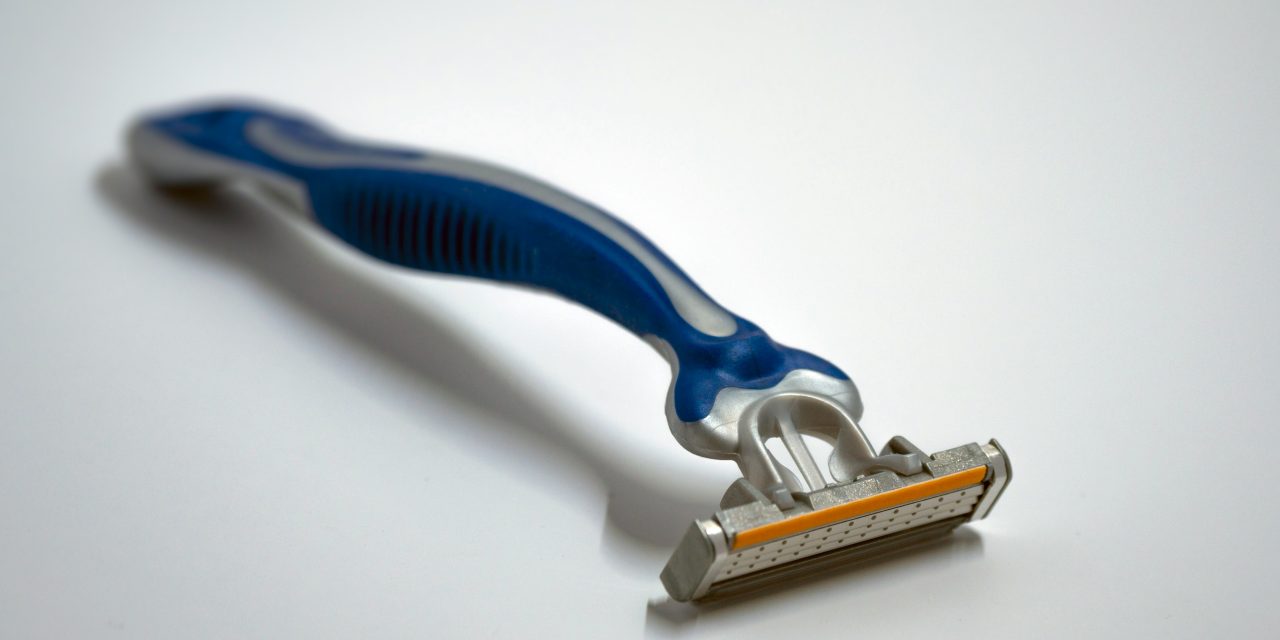
Selecting appropriate shaving tools is paramount for individuals with sensitive skin. A high-quality razor with multiple blades can provide a closer shave while minimizing the risk of nicks and cuts. Razors designed specifically for sensitive skin often feature lubricating strips that help reduce friction during shaving. It is advisable to opt for a razor with a pivoting head, as this design allows for better maneuverability around the contours of the pubic area, further decreasing the likelihood of irritation.
In addition to the razor, using a clean and sharp blade is essential. Dull blades can tug at hair rather than cutting it cleanly, leading to increased irritation and discomfort. Disposable razors should be replaced frequently, ideally after every few uses, to ensure optimal performance. Electric shavers can also be a viable alternative for those prone to irritation, as they typically do not make direct contact with the skin, reducing the risk of cuts and abrasions.
Preparing the Skin Properly Before Shaving

Proper skin preparation is a critical step in minimizing post-shaving irritation. Before shaving, it is advisable to cleanse the area thoroughly with warm water and a gentle soap to remove any dirt or oils that may contribute to irritation. The warmth of the water helps to soften the hair follicles, making them easier to cut and reducing the risk of tugging during shaving.
Exfoliation is another essential preparatory step that should not be overlooked. Using a mild exfoliating scrub or a soft washcloth can help remove dead skin cells and prevent ingrown hairs, which can lead to itching and inflammation. Exfoliating should be done gently to avoid causing additional irritation. Following exfoliation, applying a warm compress for a few minutes can further soften the hair and prepare the skin for a smoother shaving experience.
Using Gentle Shaving Creams and Gels

The choice of shaving cream or gel plays a significant role in preventing irritation during and after shaving. It is crucial to select products specifically formulated for sensitive skin, as these typically contain fewer irritants and are free from harsh fragrances or alcohol. Look for creams that contain soothing ingredients such as aloe vera, chamomile, or calendula, which can help calm inflammation and provide hydration.
When applying shaving cream or gel, it is essential to use a generous amount to create a protective barrier between the razor and the skin. This barrier helps reduce friction and allows for a smoother glide of the razor blade. Avoid using products that contain menthol or other cooling agents, as these can sometimes exacerbate irritation rather than alleviate it. Always perform a patch test on a small area of skin before using a new product to ensure there are no adverse reactions.
If you’re struggling with itching after shaving pubic hair, you might find it helpful to explore some effective remedies and tips. One useful resource that discusses various techniques for soothing irritation and preventing discomfort can be found in this article on how to stop itching after shaving. Additionally, you may want to check out related topics, such as how to eliminate urine stains and odors from a mattress, which can also provide insights into maintaining hygiene and comfort in sensitive areas. For more information, you can read the article here.
Shaving with the Grain to Minimize Irritation
Shaving technique significantly impacts post-shaving comfort. To minimize irritation, it is advisable to shave in the direction of hair growth, commonly referred to as “shaving with the grain.” This technique reduces the risk of ingrown hairs and minimizes trauma to the skin’s surface. Shaving against the grain may provide a closer shave but often leads to increased irritation and discomfort.
Using light pressure while shaving is also essential; pressing too hard can cause micro-abrasions and increase sensitivity. It is advisable to take your time during this process, allowing each stroke to be deliberate and controlled. Rinsing the razor frequently during shaving helps prevent hair buildup on the blades, ensuring a cleaner cut and reducing friction against the skin.
If you’re struggling with discomfort after shaving pubic hair, you might find it helpful to explore some effective remedies to soothe the skin. Many people experience itching due to irritation, and understanding how to care for your skin post-shave can make a significant difference. For additional tips on maintaining cleanliness and freshness, you can check out this informative article on how to wash yellowed pillows and remove sweat stains, which also emphasizes the importance of proper hygiene in preventing skin irritations.
Rinsing Thoroughly and Patting Dry After Shaving
After completing the shaving process, thorough rinsing is crucial to remove any residual shaving cream or gel from the skin’s surface. This step helps prevent potential irritation caused by leftover products that may contain irritating ingredients. Using cool water for rinsing can also help soothe any inflammation that may have occurred during shaving.
Once rinsed, gently patting the area dry with a soft towel is recommended rather than rubbing it vigorously. Rubbing can exacerbate irritation and lead to further discomfort. Allowing the area to air dry for a few moments before applying any post-shave products can also be beneficial in reducing moisture retention that could contribute to irritation.
Applying Soothing Aftershave Lotions or Aloe Vera
Post-shaving care is vital for maintaining skin health and preventing irritation. Applying a soothing aftershave lotion specifically designed for sensitive skin can help calm inflammation and provide hydration. Look for products containing ingredients such as witch hazel or aloe vera, both known for their anti-inflammatory properties.
Aloe vera gel is particularly effective due to its natural soothing qualities. It provides immediate relief from itching and redness while promoting healing of any micro-abrasions that may have occurred during shaving. Applying these soothing agents immediately after drying the area can help lock in moisture and create a protective barrier against environmental irritants.
Avoiding Tight Clothing to Reduce Friction
Post-shaving clothing choices can significantly impact comfort levels in the days following hair removal. Wearing tight-fitting clothing can lead to increased friction against freshly shaved skin, exacerbating irritation and discomfort. Opting for loose-fitting underwear made from breathable fabrics such as cotton allows for better airflow and reduces moisture retention.
Additionally, avoiding synthetic materials that trap heat and moisture can further minimize irritation risks. If possible, consider wearing skirts or loose shorts immediately after shaving to allow the area to breathe freely while healing from any potential micro-abrasions.
Keeping the Area Moisturized to Prevent Dryness
Maintaining adequate moisture levels in the pubic area is essential for preventing dryness and subsequent itching after shaving. Regularly applying a gentle moisturizer can help keep the skin hydrated and supple, reducing the likelihood of irritation caused by dryness. Look for fragrance-free moisturizers formulated for sensitive skin to avoid potential allergic reactions.
Incorporating natural oils such as coconut oil or jojoba oil into your skincare routine can also provide additional hydration while offering anti-inflammatory benefits. These oils create a protective barrier on the skin’s surface, locking in moisture and promoting overall skin health.
Using Cold Compresses to Soothe Immediate Itching
For individuals experiencing immediate itching after shaving, applying a cold compress can provide rapid relief from discomfort. The cold temperature constricts blood vessels and reduces inflammation, alleviating itching sensations effectively. To create a cold compress, wrap ice cubes in a clean cloth or use a chilled gel pack applied directly to the affected area for short intervals.
It is essential not to apply ice directly onto the skin without protection, as this could lead to frostbite or further irritation. Cold compresses should be used judiciously; prolonged exposure may lead to adverse effects rather than relief.
When to See a Doctor for Persistent Irritation
While many cases of post-shaving itching resolve with proper care and attention, persistent irritation may warrant medical evaluation. If symptoms such as redness, swelling, or pain do not improve within a few days or worsen over time, it is advisable to consult a healthcare professional. They may evaluate for underlying conditions such as folliculitis or dermatitis that require targeted treatment.
In some cases, prescription medications such as topical corticosteroids may be necessary to reduce inflammation effectively. Additionally, if signs of infection develop—such as pus-filled bumps or fever—immediate medical attention is crucial to prevent complications.
In summary, understanding the causes of itching after shaving pubic hair involves recognizing factors such as skin sensitivity and improper techniques. Choosing appropriate tools and preparing the skin adequately are vital steps in minimizing irritation. Utilizing gentle products and adopting proper shaving techniques further enhances comfort levels post-shave. Aftercare practices like moisturizing and avoiding tight clothing contribute significantly to maintaining skin health in this sensitive area. If persistent issues arise despite these measures, seeking medical advice ensures appropriate intervention and care.
FAQs
What causes itching after shaving pubic hair?
Itching after shaving pubic hair can be caused by several factors, including irritation from the razor, ingrown hairs, dry skin, or allergic reactions to shaving products. The sensitive skin in the pubic area is particularly prone to these issues, leading to discomfort post-shaving.
How can I prevent itching after shaving?
To prevent itching after shaving, consider using a sharp, clean razor and shaving cream designed for sensitive skin. Exfoliating the area before shaving can help reduce the risk of ingrown hairs. Additionally, moisturizing the skin after shaving can soothe irritation and keep the skin hydrated.
What should I apply to soothe itching after shaving?
To soothe itching after shaving, you can apply aloe vera gel, witch hazel, or a fragrance-free moisturizer. These products can help calm irritation and hydrate the skin. Avoid using products with alcohol or strong fragrances, as they can exacerbate itching.
Is it normal to experience bumps after shaving pubic hair?
Yes, it is normal to experience small bumps after shaving pubic hair, often referred to as razor bumps. These occur due to irritation or ingrown hairs. If the bumps are persistent or accompanied by severe redness or pain, it may be advisable to consult a healthcare professional.
How long does itching typically last after shaving?
Itching after shaving typically lasts from a few hours to a couple of days, depending on individual skin sensitivity and the shaving technique used. If itching persists beyond this timeframe or worsens, it may indicate an allergic reaction or infection, and seeking medical advice is recommended.