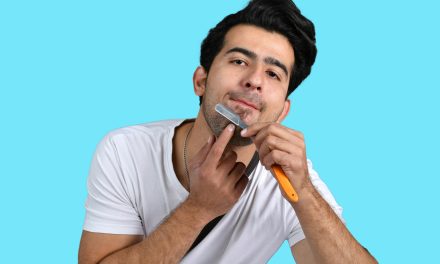
Ingrown hairs in the underarm region are a common dermatological concern that can lead to discomfort, inflammation, and unsightly bumps. These occur when hair follicles become obstructed, causing hair to grow back into the skin rather than outward. This phenomenon is often exacerbated by various factors, including hair removal techniques, skin type, and even clothing choices. The condition can manifest as red, painful bumps that may become infected if not addressed properly.
The pathophysiology behind ingrown hairs involves the hair follicle’s inability to push the hair shaft through the skin’s surface. Instead, the hair curls back into the dermis, triggering an inflammatory response. Individuals with curly or coarse hair types are particularly susceptible to this issue due to the natural curvature of their hair strands. Additionally, skin conditions such as folliculitis can further complicate the situation, leading to secondary infections and increased discomfort.
If you’re looking for ways to prevent underarm ingrown hairs, it’s essential to adopt a proper grooming routine and consider the products you use. For additional tips on maintaining your home, you might find it interesting to read an article on fixing common household issues, like leaky faucets. You can check it out here: How to Fix a Leaky Faucet: Common Causes and Easy Repairs. While it may seem unrelated, understanding how to take care of your home can inspire you to take better care of your personal grooming habits as well.
Choose the Right Hair Removal Method
Selecting an appropriate hair removal method is crucial in preventing ingrown hairs. Various techniques exist, each with its own set of advantages and disadvantages. Shaving is one of the most common methods; however, it can lead to irritation and ingrown hairs if not performed correctly. Alternatives such as waxing or depilatory creams may provide longer-lasting results but can also irritate sensitive skin.
Laser hair removal has emerged as a popular option for those seeking a more permanent solution. This method utilizes concentrated light beams to target hair follicles, effectively reducing hair growth over time. While laser treatments can be costly and require multiple sessions, they significantly decrease the likelihood of ingrown hairs compared to traditional methods. It is essential to consult with a qualified dermatologist to determine the most suitable option based on individual skin type and hair characteristics.
Exfoliate Regularly to Remove Dead Skin
Regular exfoliation plays a pivotal role in preventing ingrown hairs by removing dead skin cells that can clog hair follicles. The process of exfoliation helps to promote cellular turnover, allowing for smoother skin and reducing the risk of hair becoming trapped beneath the surface. Chemical exfoliants containing alpha-hydroxy acids (AHAs) or beta-hydroxy acids (BHAs) can be particularly effective in this regard.
Physical exfoliation methods, such as scrubs or exfoliating gloves, can also be beneficial but should be used with caution to avoid irritation. It is advisable to exfoliate the underarm area two to three times a week, depending on individual skin sensitivity. Incorporating this practice into a regular skincare routine can significantly enhance skin texture and minimize the occurrence of ingrown hairs.
Moisturize Your Underarm Skin Daily
Hydration is essential for maintaining healthy skin and preventing ingrown hairs. Daily moisturizing helps to keep the skin barrier intact, reducing dryness and irritation that can contribute to follicular obstruction. Opt for lightweight, non-comedogenic moisturizers that won’t clog pores or exacerbate existing issues.
Ingredients such as aloe vera, hyaluronic acid, and glycerin are excellent choices for underarm moisturizers due to their soothing and hydrating properties. Applying moisturizer after exfoliation can enhance its effectiveness, ensuring that the skin remains supple and less prone to irritation. Consistent hydration not only improves overall skin health but also creates an environment less conducive to ingrown hairs.
If you’re looking for effective ways to prevent underarm ingrown hairs, it’s essential to adopt a proper grooming routine and consider the products you use. Regular exfoliation can help remove dead skin cells that may clog hair follicles, while moisturizing can keep the skin supple. For more detailed tips on maintaining smooth skin and avoiding irritation, you might find this article on how to cook quinoa without a bitter taste particularly helpful, as it emphasizes the importance of preparation and care in achieving the best results.
Shave with Proper Technique and Tools
When shaving is the chosen method for hair removal, employing proper techniques and tools is paramount in minimizing the risk of ingrown hairs. Begin by using a sharp, clean razor designed for sensitive skin; dull blades can tug at hair and increase irritation. Always shave in the direction of hair growth rather than against it to reduce trauma to the skin.
Before shaving, it is advisable to soften the hair and skin by taking a warm shower or applying a warm compress. Utilizing a high-quality shaving cream or gel can provide lubrication and protection against nicks and cuts. After shaving, rinse with cool water to close pores and apply an alcohol-free aftershave product to soothe the area. Following these steps can significantly reduce the likelihood of developing ingrown hairs.
Avoid Tight Clothing That Irritates Skin
Tight clothing can exacerbate skin irritation and contribute to the development of ingrown hairs in the underarm area. Fabrics that cling too closely can create friction against the skin, leading to inflammation and follicular obstruction. It is advisable to opt for loose-fitting clothing made from breathable materials such as cotton or moisture-wicking fabrics.
Additionally, consider avoiding synthetic materials that trap heat and moisture against the skin, as this can create an ideal environment for bacteria to thrive. By allowing the skin to breathe and reducing friction, individuals can significantly decrease their risk of developing ingrown hairs while promoting overall skin health.
Use Soothing Aftercare Products
Aftercare is an essential component of any hair removal routine, particularly when it comes to preventing ingrown hairs. Utilizing soothing products post-hair removal can help calm inflammation and reduce redness in the underarm area. Look for formulations containing ingredients such as chamomile, calendula, or witch hazel, which possess anti-inflammatory properties.
Incorporating a gentle exfoliating lotion containing salicylic acid can also aid in preventing ingrown hairs by promoting cellular turnover without causing excessive irritation. Applying these products consistently after shaving or waxing can create a protective barrier on the skin while minimizing discomfort.
Consider Alternative Hair Removal Options
For individuals who frequently experience ingrown hairs despite following preventive measures, exploring alternative hair removal options may be beneficial. Electrolysis is one such method that involves using electrical currents to destroy hair follicles permanently. While this technique requires multiple sessions and may be more time-consuming than other methods, it offers a long-term solution for those seeking relief from recurrent ingrown hairs.
Another option is sugaring, a natural hair removal technique that uses a paste made from sugar, lemon juice, and water. Sugaring adheres only to the hair rather than the skin, reducing irritation and minimizing the risk of ingrown hairs compared to traditional waxing methods.
Maintain Good Hygiene Practices
Maintaining proper hygiene practices is fundamental in preventing ingrown hairs and promoting overall skin health. Regularly cleansing the underarm area helps remove sweat, bacteria, and dead skin cells that can contribute to follicular obstruction. Use a gentle cleanser formulated for sensitive skin to avoid stripping away natural oils.
Additionally, consider incorporating antibacterial products into your routine if you are prone to infections or inflammation in the area. Keeping the underarms clean and dry will create an inhospitable environment for bacteria while promoting healthy hair growth.
Recognize When to Seek Medical Advice
While many cases of ingrown hairs can be managed at home through preventive measures and proper care, there are instances when medical intervention may be necessary. If you experience persistent pain, swelling, or signs of infection such as pus or fever, it is crucial to consult a healthcare professional promptly.
A dermatologist can provide tailored advice based on individual circumstances and may recommend treatments such as topical antibiotics or corticosteroids to alleviate inflammation and prevent complications. In severe cases where scarring or recurrent infections occur, more invasive procedures may be warranted.
Consistency Is Key to Prevention
Ultimately, consistency in implementing preventive measures is vital for managing and preventing underarm ingrown hairs effectively. Establishing a comprehensive skincare routine that includes regular exfoliation, moisturizing, proper shaving techniques, and suitable clothing choices will yield significant benefits over time.
By remaining vigilant about hygiene practices and recognizing when professional help is needed, individuals can take proactive steps toward maintaining healthy underarm skin while minimizing discomfort associated with ingrown hairs.
In summary, understanding underarm ingrown hairs involves recognizing their causes and implementing effective prevention strategies such as choosing appropriate hair removal methods, regular exfoliation, daily moisturization, proper shaving techniques, avoiding tight clothing, using soothing aftercare products, considering alternative options like electrolysis or sugaring, maintaining good hygiene practices, seeking medical advice when necessary, and being consistent in these efforts. By adopting these practices diligently, individuals can significantly reduce their risk of developing ingrown hairs while promoting overall skin health in this sensitive area.
FAQs
What causes underarm ingrown hairs?
Underarm ingrown hairs occur when hair grows back into the skin instead of out of the follicle. This can be caused by shaving, waxing, or plucking hair, especially if the hair is cut too short or if the skin is irritated. Curly or coarse hair is more prone to becoming ingrown as it can easily curl back into the skin.
How can I prevent underarm ingrown hairs?
To prevent underarm ingrown hairs, consider using proper shaving techniques, such as shaving in the direction of hair growth, using a sharp razor, and applying a moisturizing shaving cream. Exfoliating the skin regularly can also help remove dead skin cells that may trap hairs.
Are there specific products that can help prevent ingrown hairs?
Yes, there are several products designed to help prevent ingrown hairs. Look for exfoliating scrubs, chemical exfoliants containing salicylic acid or glycolic acid, and aftershave lotions that contain soothing ingredients like aloe vera. These products can help keep the skin smooth and reduce the likelihood of hairs becoming trapped.
What should I do if I already have an ingrown hair?
If you have an ingrown hair, avoid picking at it to prevent infection. You can apply a warm compress to the area to help soothe irritation and encourage the hair to break through the skin. If the ingrown hair becomes painful or infected, consider consulting a dermatologist for treatment options.
When should I see a doctor about ingrown hairs?
You should see a doctor if you experience persistent ingrown hairs that do not improve with home treatment, if you notice signs of infection such as increased redness, swelling, or pus, or if you develop painful cysts or bumps in the area. A healthcare professional can provide appropriate treatment and advice.