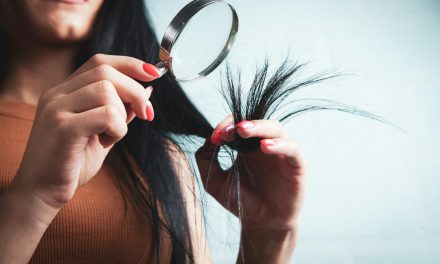
Patchy hair loss, clinically referred to as alopecia, manifests as localized areas of hair thinning or complete baldness on the scalp or other body regions. This condition can be distressing for individuals, leading to psychological impacts such as anxiety and depression. The prevalence of patchy hair loss varies, affecting approximately 2% of the global population at some point in their lives. Understanding the underlying causes is crucial for effective management and treatment.
The condition can arise from various etiologies, including autoimmune disorders, fungal infections, stress, nutritional deficiencies, hormonal imbalances, and physical trauma. Each cause necessitates a tailored approach to treatment and prevention. Recognizing the signs early can facilitate timely intervention, potentially reversing the hair loss process and restoring hair growth.
If you’re experiencing hair loss in patches, it can be a distressing issue that may stem from various underlying causes, such as stress, hormonal changes, or medical conditions like alopecia areata. For more insights on managing personal challenges, you might find it helpful to read a related article on decluttering your space, which can also contribute to reducing stress levels. Check out this article on 10 easy ways to declutter clothes you never wear for a tidy closet.
Alopecia Areata: The Autoimmune Culprit
Alopecia areata is a prominent form of patchy hair loss characterized by sudden, round patches of baldness. This autoimmune disorder occurs when the immune system mistakenly attacks hair follicles, leading to hair loss. It can affect individuals of any age but is most commonly observed in children and young adults. The exact etiology remains elusive, but genetic predisposition and environmental triggers are believed to play significant roles.
The severity of alopecia areata can vary widely; some individuals may experience only a few patches, while others may progress to total scalp hair loss (alopecia totalis) or even complete body hair loss (alopecia universalis). Treatment options include corticosteroids to reduce inflammation and immune response, topical minoxidil to stimulate hair regrowth, and immunotherapy for more severe cases. Understanding this condition is vital for developing effective management strategies.
Fungal Infections and Their Impact on Scalp Health

Fungal infections, particularly tinea capitis (scalp ringworm), can significantly impact scalp health and lead to patchy hair loss. This dermatophyte infection is caused by various fungi that invade the hair shafts and follicles, resulting in inflammation, scaling, and hair breakage. Tinea capitis is highly contagious and often spreads through direct contact or contaminated objects such as combs and hats.
Symptoms typically include itchy, scaly patches on the scalp, which may become inflamed or develop pustules. Diagnosis is usually confirmed through a physical examination and laboratory tests such as fungal cultures or KOH preparations. Treatment involves antifungal medications, either topical or systemic, depending on the severity of the infection. Prompt intervention is essential to prevent further hair loss and promote healthy regrowth.
The Role of Stress in Patchy Hair Loss

Psychological stress is a significant contributor to patchy hair loss, often manifesting as telogen effluvium. This condition occurs when stressors push hair follicles into a resting phase, leading to increased shedding approximately three months after the triggering event. Common stressors include emotional trauma, significant life changes, or chronic anxiety.
The relationship between stress and hair loss underscores the importance of addressing mental health alongside physical symptoms. Techniques such as cognitive-behavioral therapy (CBT), mindfulness practices, and relaxation exercises can help mitigate stress levels. Additionally, maintaining a balanced lifestyle with regular exercise and adequate sleep can promote overall well-being and potentially reduce the risk of stress-induced hair loss.
If you’re experiencing hair loss in patches, it can be distressing and confusing. Various factors, including stress, nutritional deficiencies, or underlying health conditions, can contribute to this issue. For more insights on maintaining healthy hair throughout the year, you might find it helpful to read about seasonal grooming tips. These tips can provide guidance on how to care for your hair in different climates and conditions. You can check out the article here for more information on how to keep your hair looking its best regardless of the season.
Nutritional Deficiencies Affecting Hair Growth
Nutritional deficiencies can profoundly impact hair health and contribute to patchy hair loss. Key nutrients essential for optimal hair growth include proteins, vitamins (particularly biotin, vitamin D, and vitamin E), and minerals such as iron and zinc. A deficiency in these nutrients can lead to weakened hair follicles and impaired growth cycles.
For instance, iron deficiency anemia is a well-documented cause of hair loss due to its role in oxygen transport to hair follicles. Similarly, inadequate protein intake can hinder keratin production, the primary structural component of hair. To combat these deficiencies, individuals should focus on a balanced diet rich in lean proteins, leafy greens, nuts, seeds, and whole grains. In some cases, supplementation may be necessary under medical supervision.
Hormonal Imbalances as a Trigger for Hair Loss
Hormonal imbalances are another critical factor contributing to patchy hair loss. Conditions such as polycystic ovary syndrome (PCOS) can lead to elevated androgen levels, resulting in thinning hair on the scalp while promoting excessive body hair growth. Thyroid disorders—both hyperthyroidism and hypothyroidism—can also disrupt normal hair growth cycles.
Diagnosis typically involves blood tests to assess hormone levels and identify underlying conditions. Treatment options may include hormonal therapies such as oral contraceptives for women with PCOS or thyroid hormone replacement therapy for those with thyroid dysfunction. Addressing hormonal imbalances is essential for restoring normal hair growth patterns.
Traction Alopecia: Damage from Hairstyles
Traction alopecia is a form of patchy hair loss caused by prolonged tension on the hair follicles due to certain hairstyles. Styles such as tight ponytails, braids, or extensions can lead to gradual follicular damage and eventual hair loss in affected areas. This condition is particularly prevalent among individuals who frequently wear their hair in tight styles.
Preventing traction alopecia involves adopting looser hairstyles that minimize tension on the scalp. Regularly changing hairstyles and allowing the scalp to rest can also help mitigate risks. In cases where traction alopecia has already occurred, treatment may involve topical minoxidil to stimulate regrowth or corticosteroid injections to reduce inflammation.
Scalp Psoriasis and Its Effect on Hair Follicles
Scalp psoriasis is a chronic autoimmune condition characterized by red, scaly patches on the scalp that can lead to patchy hair loss. The inflammation associated with psoriasis can disrupt normal follicular function and impede hair growth. Individuals with scalp psoriasis may experience itching and discomfort alongside visible lesions.
Management of scalp psoriasis typically involves topical treatments such as corticosteroids or vitamin D analogs to reduce inflammation and scaling. In more severe cases, systemic therapies or phototherapy may be necessary. Addressing scalp psoriasis effectively can promote healthier follicles and improve overall hair growth outcomes.
Diagnosing Patchy Hair Loss: When to See a Doctor
Recognizing when to seek medical advice for patchy hair loss is crucial for effective diagnosis and treatment. Individuals should consult a healthcare professional if they experience sudden or extensive hair loss, persistent itching or discomfort on the scalp, or if there are accompanying symptoms such as redness or scaling.
A thorough evaluation typically includes a detailed medical history, physical examination of the scalp, and possibly laboratory tests such as blood work or scalp biopsies to determine underlying causes. Early intervention can significantly improve treatment outcomes and prevent further progression of hair loss.
Treatment Options for Patchy Hair Loss
Treatment options for patchy hair loss vary depending on the underlying cause identified during diagnosis. For alopecia areata, corticosteroid injections directly into affected areas can reduce inflammation and promote regrowth. Topical minoxidil may also be recommended for stimulating hair follicles.
In cases of fungal infections like tinea capitis, antifungal medications are essential for clearing the infection before regrowth can occur. Nutritional supplementation may be necessary for individuals with deficiencies impacting hair health. Hormonal therapies can address imbalances contributing to hair loss.
For traction alopecia, modifying hairstyles is crucial for preventing further damage while topical treatments may aid in regrowth. Scalp psoriasis management often involves anti-inflammatory medications to control symptoms effectively.
Preventative Measures to Protect Your Hair Health
Preventative measures play a vital role in maintaining healthy hair and minimizing the risk of patchy hair loss. Individuals should adopt a balanced diet rich in essential nutrients that support follicular health while staying hydrated to promote optimal scalp conditions.
Regular scalp care practices such as gentle cleansing and avoiding harsh chemicals can help maintain follicle integrity. Additionally, managing stress through relaxation techniques or counseling can mitigate its impact on hair health.
Avoiding tight hairstyles that place undue stress on follicles is crucial for preventing traction alopecia. Regular check-ups with healthcare professionals can facilitate early detection of potential issues before they escalate into significant problems.
In summary, patchy hair loss encompasses various conditions with diverse underlying causes ranging from autoimmune disorders to nutritional deficiencies. Understanding these factors allows for targeted treatment approaches that address specific issues effectively while promoting overall scalp health through preventative measures.
FAQs
What are the common causes of patchy hair loss?
Patchy hair loss, also known as alopecia areata, can be caused by various factors including autoimmune disorders, stress, hormonal changes, nutritional deficiencies, and certain medical conditions. It can also be triggered by physical trauma or infections.
Is patchy hair loss hereditary?
Yes, genetic factors can play a role in patchy hair loss. If you have a family history of alopecia areata or other types of hair loss, you may be more susceptible to experiencing similar issues.
Can stress lead to patchy hair loss?
Absolutely. High levels of stress can trigger hair loss conditions such as telogen effluvium, where hair follicles enter a resting phase and lead to shedding. Chronic stress can also exacerbate autoimmune responses that contribute to patchy hair loss.
Are there effective treatments for patchy hair loss?
Treatments for patchy hair loss vary depending on the underlying cause. Options may include corticosteroid injections, topical treatments, immunotherapy, and lifestyle changes. Consulting a dermatologist is recommended for personalized treatment plans.
When should I see a doctor about my hair loss?
If you notice sudden or patchy hair loss, it is advisable to consult a healthcare professional. Early diagnosis can help determine the cause and appropriate treatment, especially if accompanied by other symptoms like itching or redness on the scalp.