Post-shaving itchiness is a common yet often overlooked issue that affects individuals across various demographics. This discomfort can manifest as a mild annoyance or escalate into a significant source of distress, impacting daily activities and overall quality of life. The phenomenon occurs due to a multitude of factors, ranging from skin irritation to underlying dermatological conditions. Understanding the underlying causes of post-shaving itchiness is crucial for effective management and prevention.
The skin is the body’s largest organ, and its health is paramount. When subjected to the mechanical action of shaving, it can react in various ways, leading to irritation and discomfort. This article delves into the primary reasons behind post-shaving itchiness, offering insights into effective treatments and preventative measures. By identifying the root causes, individuals can take proactive steps to mitigate discomfort and maintain healthy skin.
If you’ve ever wondered why your skin itches after shaving, you might find it helpful to explore related topics that discuss skin care and comfort during extreme conditions. For instance, preparing your home for extreme heat can also impact your skin’s health. You can read more about this in the article on how to prepare your home for extreme heat and power outages by following this link: how to prepare your home for extreme heat and power outages. Understanding the environment around you can help mitigate skin irritation and enhance your overall well-being.
Reason 1: Razor Burn and Skin Irritation
Razor burn is one of the most prevalent causes of post-shaving itchiness. This condition arises when the skin becomes inflamed due to the friction of the razor blade against the skin’s surface. Symptoms typically include redness, swelling, and a burning sensation, which can be exacerbated by improper shaving techniques or inadequate lubrication. The inflammation occurs as a result of micro-tears in the epidermis, leading to irritation and discomfort.
To alleviate razor burn, it is essential to adopt proper shaving techniques. Utilizing a high-quality shaving cream or gel can provide a protective barrier between the razor and the skin, reducing friction. Additionally, employing a sharp blade and shaving in the direction of hair growth can minimize irritation. If razor burn does occur, topical treatments containing hydrocortisone or aloe vera can help soothe inflamed skin and promote healing.
Reason 2: Dry Skin After Shaving

Dry skin is another significant contributor to post-shaving itchiness. Shaving can strip the skin of its natural oils, leading to dehydration and increased sensitivity. When the skin lacks moisture, it becomes more susceptible to irritation and discomfort, resulting in an itchy sensation. Individuals with pre-existing dry skin conditions may find that shaving exacerbates their symptoms, leading to further complications.
To combat dryness after shaving, it is crucial to incorporate a robust moisturizing routine. Applying a hydrating lotion or cream immediately after shaving can help replenish lost moisture and create a protective barrier against environmental irritants. Ingredients such as hyaluronic acid, glycerin, and ceramides are particularly effective in restoring hydration levels. Additionally, using a gentle exfoliating scrub before shaving can help remove dead skin cells and promote better absorption of moisturizers.
Reason 3: Ingrown Hairs Causing Discomfort

Ingrown hairs occur when hair follicles become clogged or grow back into the skin instead of outward. This condition can lead to painful bumps, inflammation, and significant itchiness following shaving. Ingrown hairs are particularly common in individuals with curly or coarse hair types, as the hair is more likely to curl back into the skin after cutting.
Preventing ingrown hairs requires a multifaceted approach. Regular exfoliation can help remove dead skin cells that may clog hair follicles, while using a sharp razor can ensure clean cuts that reduce the likelihood of hair curling back into the skin. Additionally, applying an aftershave product containing salicylic acid can help keep pores clear and reduce inflammation associated with ingrown hairs.
If you’ve ever wondered why your skin itches after shaving, you’re not alone, as many people experience this discomfort due to various factors such as razor burn, dry skin, or allergic reactions to shaving products. To gain a deeper understanding of skin irritations and their causes, you might find it helpful to explore a related article that discusses similar issues. For more insights, check out this informative piece on skin irritations and effective solutions.
Reason 4: Allergic Reactions to Shaving Products
Allergic reactions to shaving products can manifest as redness, swelling, and intense itching following shaving sessions. Ingredients commonly found in shaving creams, gels, or aftershaves—such as fragrances, preservatives, or alcohol—can trigger hypersensitivity reactions in some individuals. Those with sensitive skin or pre-existing allergies are particularly vulnerable to these reactions.
To mitigate allergic reactions, it is advisable to opt for hypoallergenic or fragrance-free shaving products. Conducting a patch test prior to using new products can help identify potential allergens before they cause widespread irritation. If an allergic reaction occurs, discontinuing use of the offending product and applying soothing agents like chamomile or calendula can provide relief.
If you’ve ever wondered why your skin itches after shaving, you might find it helpful to explore related grooming tips that can enhance your overall skincare routine. For instance, understanding how to properly groom pets can provide insights into maintaining healthy skin, as both human and animal skin can react similarly to grooming practices. You can read more about this in the article on grooming a Persian cat and preventing coat matting, which highlights the importance of using the right techniques and products to avoid irritation.
Reason 5: Using a Dull or Dirty Razor
The condition of the razor blade plays a critical role in determining the quality of the shave and subsequent skin reactions. A dull or dirty razor can lead to uneven cuts, increased friction, and heightened risk of infection—all contributing factors to post-shaving itchiness. Bacteria can thrive on unclean blades, leading to folliculitis or other infections that exacerbate discomfort.
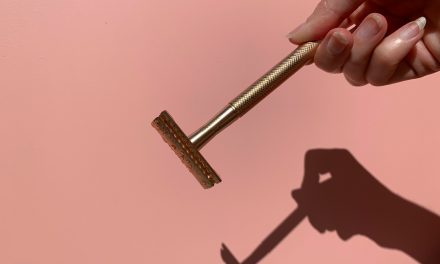
To ensure optimal shaving results, it is essential to replace razor blades regularly—ideally after five to seven shaves depending on hair thickness and density. Cleaning razors after each use with warm water and allowing them to dry completely can help prevent bacterial growth. Additionally, using single-blade razors may reduce irritation for those prone to post-shaving discomfort.
Reason 6: Shaving Against the Grain
Shaving against the grain refers to the practice of cutting hair in the opposite direction of its natural growth pattern. While this technique may yield a closer shave, it often leads to increased irritation and post-shaving itchiness due to hair follicles being pulled at an unnatural angle. This practice can also contribute to razor burn and ingrown hairs.
To minimize irritation associated with shaving against the grain, individuals should consider adopting a more conservative approach by first shaving with the grain before attempting any touch-ups against it. Utilizing a high-quality lubricant during shaving can also help reduce friction and protect sensitive skin from irritation.
Reason 7: Sensitive Skin and Underlying Conditions
Individuals with sensitive skin may experience heightened reactions to shaving due to their skin’s inherent fragility. Conditions such as eczema or psoriasis can exacerbate post-shaving itchiness by compromising the skin barrier and increasing susceptibility to irritation. Furthermore, underlying medical conditions may predispose individuals to heightened sensitivity during grooming routines.
For those with sensitive skin or underlying dermatological conditions, it is crucial to consult with a dermatologist for tailored advice on shaving techniques and product recommendations. Gentle cleansing routines and specialized skincare products designed for sensitive skin can help mitigate irritation while maintaining healthy skin.
How to Soothe Itchy Skin Immediately After Shaving
Immediate relief from post-shaving itchiness can be achieved through various soothing techniques. Applying cold compresses or ice packs wrapped in cloth can help reduce inflammation and numb irritated areas temporarily. Additionally, over-the-counter hydrocortisone creams may provide anti-inflammatory benefits for localized irritation.
Natural remedies such as aloe vera gel or witch hazel can also be effective in calming irritated skin post-shave. These ingredients possess anti-inflammatory properties that promote healing while providing hydration. For those experiencing severe discomfort, oral antihistamines may alleviate itching associated with allergic reactions.
Preventative Tips to Avoid Post-Shaving Itchiness
Preventing post-shaving itchiness requires a proactive approach that encompasses proper techniques and product choices. Here are several key strategies:
1. **Choose Quality Products**: Invest in high-quality razors and shaving creams designed for your skin type.
2. **Exfoliate Regularly**: Incorporate gentle exfoliation into your skincare routine to prevent clogged pores.
3. **Hydrate**: Maintain adequate hydration levels by using moisturizers before and after shaving.
4. **Shave with Care**: Always shave in the direction of hair growth initially before considering touch-ups.
5. **Avoid Sharing Razors**: Sharing razors increases the risk of bacterial infections; always use your own.
6. **Patch Test New Products**: Conduct patch tests on new products to identify potential allergens before full application.
By implementing these preventative measures, individuals can significantly reduce their risk of experiencing post-shaving itchiness.
When to See a Dermatologist for Persistent Irritation
Persistent post-shaving itchiness warrants professional evaluation by a dermatologist if home remedies fail to provide relief or if symptoms worsen over time. Signs that indicate a need for medical consultation include:
– Severe redness or swelling that does not subside
– Development of painful bumps or cysts
– Signs of infection such as pus or fever
– Persistent itching that disrupts daily activities
A dermatologist can conduct a thorough assessment of your skin condition and recommend appropriate treatments tailored to your specific needs.
In summary, post-shaving itchiness is a multifaceted issue influenced by various factors including razor burn, dry skin, ingrown hairs, allergic reactions, dull razors, improper techniques, and sensitive skin conditions. Understanding these causes allows individuals to adopt effective prevention strategies and treatment options for relief. By prioritizing proper skincare routines and seeking professional guidance when necessary, one can maintain healthy skin while enjoying a comfortable shaving experience.
FAQs
Why does my skin itch after shaving?
Itching after shaving can occur due to several reasons, including irritation from the razor, dry skin, or allergic reactions to shaving products. The act of shaving can remove not only hair but also the top layer of skin, leading to sensitivity and discomfort.
What can I do to prevent itching after shaving?
To prevent itching, consider using a sharp razor, shaving in the direction of hair growth, and applying a soothing shaving cream or gel. Additionally, moisturizing your skin before and after shaving can help reduce irritation and dryness.
Are there specific skin types that are more prone to itching after shaving?
Yes, individuals with sensitive skin, dry skin, or conditions like eczema are more likely to experience itching after shaving. These skin types may react more strongly to the friction of shaving or the ingredients in shaving products.
Can shaving products cause allergic reactions that lead to itching?
Absolutely. Some shaving creams, gels, or aftershaves contain fragrances, alcohol, or other irritants that can trigger allergic reactions or skin sensitivities, resulting in itching and discomfort after shaving.
When should I see a doctor about itching after shaving?
If itching persists, is accompanied by severe redness, swelling, or rash, or if you experience signs of infection, it is advisable to consult a healthcare professional. They can help determine the underlying cause and recommend appropriate treatment.