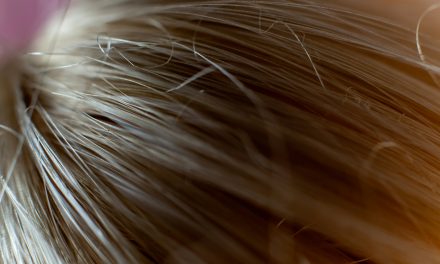
Low porosity hair is characterized by its tightly packed cuticles, which create a barrier that makes it difficult for moisture and products to penetrate. This hair type often appears shiny and feels smooth to the touch, but it can also be prone to dryness and product buildup. Individuals with low porosity hair may notice that their strands take longer to absorb water and that products tend to sit on the surface rather than being absorbed. This unique structure is primarily due to genetics, but environmental factors and hair care practices can also influence porosity levels.
The cuticle layer of low porosity hair is typically flat and tightly aligned, which contributes to its resistance to moisture absorption. As a result, this hair type often requires specific care techniques to maintain hydration and overall health. Low porosity hair may also be more susceptible to protein overload, as the cuticles can become overwhelmed by protein-rich products that cannot be effectively absorbed. Understanding these characteristics is crucial for developing an effective hair care regimen tailored to the needs of low porosity hair.
If you’re looking to enhance your hair care routine, especially for low porosity hair, you might find it helpful to explore related topics that focus on specific hair types and their unique needs. For instance, understanding the benefits of proper hair care can be as crucial as knowing how to manage low porosity hair effectively. You can read more about the importance of tailored care in this article: Top 10 Benefits of Dog Daycare for Your Furry Friend. This resource may provide insights that can be applied to various aspects of care, including the nurturing of your hair.
Why Low Porosity Hair Requires Special Care
Caring for low porosity hair necessitates a specialized approach due to its unique structure and behavior. The primary challenge lies in the hair’s inability to absorb moisture efficiently, which can lead to dryness and brittleness if not addressed properly. Consequently, individuals with low porosity hair must prioritize hydration and moisture retention in their hair care routines. This often involves using lighter products that can penetrate the hair shaft more easily, as heavier formulations may exacerbate buildup and weigh the hair down.
Moreover, low porosity hair is particularly sensitive to temperature changes and environmental factors. Cold weather can further inhibit moisture absorption, while excessive heat can lead to damage. Therefore, it is essential to implement protective measures, such as using heat during conditioning treatments or incorporating steam into the cleansing process. By understanding the specific needs of low porosity hair, individuals can develop a tailored regimen that promotes optimal health and vitality.
Choosing the Right Moisturizing Products

Selecting appropriate moisturizing products is vital for maintaining the health of low porosity hair. Lightweight formulations that contain humectants, such as glycerin or aloe vera, are ideal as they attract moisture without weighing the hair down. Additionally, products with natural oils like argan or jojoba oil can provide essential nourishment without causing buildup. It is crucial to avoid heavy creams or butters that may sit on the surface of the hair rather than penetrate effectively.
When evaluating products, individuals should also consider their ingredient lists carefully. Look for formulations free from sulfates, silicones, and parabens, as these can contribute to buildup and hinder moisture absorption. Instead, opt for products enriched with botanical extracts and proteins that cater specifically to low porosity hair needs. Conducting patch tests before fully incorporating new products into your routine can help identify any adverse reactions or sensitivities.
The Importance of Pre-Poo Treatments

Pre-poo treatments serve as an essential step in the care of low porosity hair, providing an opportunity to enhance moisture retention before cleansing. These treatments typically involve applying oils or conditioners to dry hair prior to shampooing, allowing for added hydration and protection against potential stripping effects of cleansing agents. Common pre-poo ingredients include coconut oil, olive oil, or a light conditioner specifically formulated for low porosity hair.
The benefits of pre-poo treatments extend beyond hydration; they also help minimize damage during the cleansing process. By creating a barrier on the hair shaft, pre-poo treatments can reduce friction and breakage caused by shampooing. Additionally, they can aid in loosening product buildup, making it easier for subsequent cleansing steps to remove impurities without compromising the integrity of the hair.
If you’re looking to enhance your hair care routine, understanding how to care for low porosity hair is essential for achieving healthy locks. A great resource to explore is an article that delves into the specifics of hair porosity and offers tailored tips for maintaining your hair’s moisture balance. You can find more information in this informative piece about hair care techniques that cater to different hair types, ensuring you find the right approach for your unique needs.
How to Properly Cleanse Low Porosity Hair
Cleansing low porosity hair requires a gentle approach that prioritizes moisture retention while effectively removing buildup. It is advisable to use sulfate-free shampoos or co-washing methods that cleanse without stripping natural oils. When washing, focus on massaging the scalp gently with fingertips rather than aggressively scrubbing the lengths of the hair. This technique helps stimulate blood circulation while minimizing tangling and breakage.
Incorporating warm water during the cleansing process can also enhance product efficacy by slightly lifting the cuticles and allowing for better absorption of moisture. After cleansing, it is essential to follow up with a hydrating conditioner that complements the shampoo used. Leave-in conditioners or deep conditioners formulated for low porosity hair can provide additional moisture and nourishment, ensuring that strands remain hydrated and healthy.
Techniques for Effective Deep Conditioning
Deep conditioning is a critical component of maintaining low porosity hair health, as it provides an opportunity for intense hydration and nourishment. To maximize the benefits of deep conditioning treatments, individuals should select products specifically designed for low porosity hair that contain lightweight ingredients capable of penetrating the cuticle layer effectively. Look for formulations enriched with natural oils, proteins, and humectants that promote moisture retention.
When applying deep conditioner, sectioning the hair into manageable parts can facilitate even distribution and ensure that every strand receives adequate treatment. For optimal results, consider using a plastic cap or heat cap during the conditioning process to create a warm environment that encourages product absorption. Allowing the treatment to sit for an extended period—typically 20-30 minutes—can significantly enhance its effectiveness in revitalizing low porosity strands.
Using Heat to Enhance Product Absorption
Utilizing heat during conditioning treatments can significantly improve product absorption in low porosity hair. The application of gentle heat helps lift the cuticles slightly, allowing moisture-rich products to penetrate more effectively into the hair shaft. This technique can be achieved through various methods, including using a hooded dryer, a heated cap, or even a warm towel wrapped around the head.
It is essential to monitor heat levels carefully to avoid overheating or damaging the hair. A moderate temperature is sufficient to achieve desired results without compromising structural integrity. Incorporating heat into your deep conditioning routine once every few weeks can yield noticeable improvements in hydration levels and overall hair health.
Best Practices for Detangling Without Damage
Detangling low porosity hair requires patience and care to prevent breakage and damage. It is advisable to detangle when the hair is damp or saturated with conditioner, as this provides slip and reduces friction between strands. Using a wide-tooth comb or fingers is recommended over traditional brushes, as these tools minimize tension on the hair while effectively removing knots.
Start detangling from the ends of the hair and gradually work your way up towards the roots. This method helps prevent unnecessary pulling and breakage by addressing tangles in a gentle manner. Additionally, incorporating a leave-in conditioner or detangling spray can provide extra slip and hydration during this process, making it easier to manage knots without causing harm.
Daily Moisturizing Tips for Low Porosity Hair
Maintaining daily moisture levels in low porosity hair is crucial for preventing dryness and brittleness. One effective strategy involves using a light leave-in conditioner or moisturizing spray formulated specifically for low porosity strands. These products should contain humectants that attract moisture while remaining lightweight enough not to cause buildup.
Incorporating regular scalp massages into your routine can also promote blood circulation and stimulate oil production, contributing to overall hydration levels. Additionally, consider using a silk or satin scarf or pillowcase at night to minimize friction and retain moisture while sleeping. These practices collectively contribute to healthier strands and improved manageability over time.
Protective Styling to Minimize Breakage
Protective styling serves as an effective strategy for minimizing breakage in low porosity hair by reducing manipulation and exposure to environmental stressors. Styles such as braids, twists, buns, or updos can help shield strands from damage while promoting length retention. It is essential to ensure that protective styles are not overly tight or heavy, as this can lead to tension-related breakage.
When engaging in protective styling, consider incorporating nourishing oils or serums into your routine to maintain moisture levels throughout wear. Regularly refreshing your protective style every few weeks allows for scalp health maintenance while preventing excessive tension on any one area of the scalp.
Avoiding Common Mistakes in Low Porosity Hair Care
Individuals with low porosity hair often encounter common pitfalls that can hinder their progress toward achieving healthy strands. One prevalent mistake is overusing heavy products that lead to buildup rather than effective hydration. It is crucial to prioritize lightweight formulations designed specifically for low porosity needs.
Another common error involves neglecting regular cleansing routines; infrequent washing can result in excessive buildup that inhibits moisture absorption over time. Additionally, failing to incorporate heat during conditioning treatments may limit product efficacy in penetrating the cuticle layer effectively.
In conclusion, understanding low porosity hair’s unique characteristics is essential for developing an effective care regimen tailored specifically for its needs. By prioritizing hydration through appropriate product selection, cleansing techniques, deep conditioning practices, and protective styling methods, individuals can achieve healthier strands while minimizing damage over time. Implementing these strategies will not only enhance overall manageability but also promote long-term vitality in low porosity hair.
### FAQ Section
1. **What are some signs of low porosity hair?**
– Signs include difficulty absorbing moisture, product buildup on the surface of strands, shiny appearance without much movement, and resistance to chemical treatments.
2. **Can I use protein treatments on low porosity hair?**
– Yes, but moderation is key; too much protein can lead to stiffness and breakage due to protein overload.
3. **How often should I wash my low porosity hair?**
– Washing every 1-2 weeks is generally recommended; however, this may vary based on individual lifestyle factors such as sweat levels or product usage.
4. **Are there specific ingredients I should avoid?**
– Avoid heavy oils like castor oil or butters that may cause buildup; also steer clear of sulfates and silicones that hinder moisture absorption.
5. **Can I use heat styling tools on low porosity hair?**
– Yes, but use them sparingly; always apply a heat protectant beforehand and consider lower temperatures to minimize damage.
6. **What are some good protective styles for low porosity hair?**
– Braids, twists, buns, or updos are excellent options; ensure they are not too tight to prevent tension-related breakage.
7. **How do I know if my products are working?**
– Monitor your hair’s hydration levels; if it feels soft and manageable without excessive buildup after use, your products are likely effective.
8. **Is it necessary to use a leave-in conditioner?**
– While not mandatory, leave-in conditioners can significantly enhance moisture retention and improve manageability for low porosity strands.
9. **How do I prevent product buildup?**
– Regular cleansing with sulfate-free shampoos or co-washing methods helps prevent buildup; incorporating clarifying treatments occasionally may also be beneficial.
10. **Can I switch between different product lines?**
– Yes; however, introduce new products gradually and observe how your hair responds before fully committing to a new regimen.
In summary, understanding low porosity hair’s unique characteristics allows individuals to tailor their care routines effectively. By prioritizing hydration through appropriate product selection and techniques such as pre-poo treatments and deep conditioning with heat application, one can achieve healthier strands while minimizing damage over time.
FAQs
What is low porosity hair?
Low porosity hair has a tightly closed cuticle layer, which makes it resistant to moisture absorption. This type of hair often feels dry and can be difficult to hydrate, as products tend to sit on the surface rather than penetrate the hair shaft.
How can I tell if I have low porosity hair?
You can perform a simple water test: take a strand of clean hair and place it in a glass of water. If it floats for a long time, you likely have low porosity hair. Additionally, if your hair takes a long time to dry after washing or feels coated with products, these may also be signs of low porosity.
What types of products are best for low porosity hair?
Lightweight, water-based products are ideal for low porosity hair. Look for leave-in conditioners, oils, and styling creams that contain humectants like glycerin or aloe vera, which help attract moisture without weighing the hair down.
How often should I wash low porosity hair?
It is generally recommended to wash low porosity hair every 1 to 2 weeks, depending on your scalp’s oiliness and product buildup. Over-washing can strip natural oils, while infrequent washing can lead to buildup, so finding a balance is key.
What techniques can help moisturize low porosity hair?
To effectively moisturize low porosity hair, consider using heat during conditioning treatments, such as a warm towel or a hooded dryer, to help open the cuticles. Additionally, incorporating steam treatments or using products with heat-activated ingredients can enhance moisture absorption.