Protective hairstyles play a crucial role in maintaining the health and integrity of hair, particularly for individuals with textured or curly hair types. These styles are designed to minimize manipulation and shield the hair from environmental stressors, such as harsh weather conditions, pollution, and excessive heat styling. By reducing exposure to these damaging factors, protective hairstyles help to retain moisture, prevent breakage, and promote overall hair growth.
Moreover, protective hairstyles can serve as a form of self-expression, allowing individuals to explore various aesthetics while simultaneously caring for their hair. The versatility of these styles means that they can be adapted to suit different occasions, from casual outings to formal events. Understanding the significance of protective hairstyles is essential for anyone looking to maintain healthy hair and embrace their natural texture.
When it comes to maintaining healthy hair while sporting protective hairstyles, understanding the importance of proper care is essential. A related article that offers valuable insights on this topic is titled “How to Prevent Breakage in Protective Hairstyles.” It provides practical tips and techniques to ensure your hair remains strong and healthy, even when styled in protective ways. For more information, you can read the article here: How to Prevent Breakage in Protective Hairstyles.
How Protective Hairstyles Prevent Hair Breakage
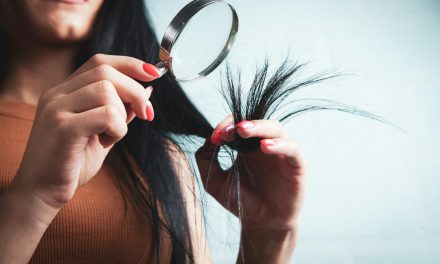
Hair breakage is a common concern for many individuals, particularly those with curly or coily hair textures. Protective hairstyles are specifically designed to combat this issue by minimizing the daily stress placed on the hair shaft. When hair is frequently manipulated—through brushing, styling, or exposure to environmental elements—it becomes more susceptible to damage. Protective styles reduce this manipulation by keeping the hair secured and tucked away.
Additionally, protective hairstyles help to retain moisture within the hair strands. Dry hair is more prone to breakage, so maintaining hydration is vital for overall hair health. Many protective styles allow for the use of moisturizing products that can penetrate the hair shaft while the style is in place. This dual approach—reducing manipulation and enhancing moisture retention—creates an optimal environment for hair growth and strength.
Box Braids: A Classic Protective Style

Box braids are one of the most recognized protective hairstyles, characterized by their square-shaped sections that create a uniform appearance. This style is not only aesthetically pleasing but also offers significant benefits for hair health. Box braids can be worn for several weeks, allowing individuals to enjoy a low-maintenance option while protecting their natural hair underneath.
The installation process involves sectioning the hair into small squares and braiding synthetic or natural hair extensions into the natural strands. This technique provides added length and volume while safeguarding the natural hair from environmental damage. Furthermore, box braids can be styled in various ways—pulled into a ponytail, worn down, or accessorized with beads—making them a versatile choice for many occasions.
Twists: Easy and Versatile Protection

Twists are another popular protective hairstyle that offers flexibility and ease of maintenance. This style involves twisting two strands of hair together, creating a rope-like appearance that can be worn in various sizes and lengths. Twists can be done using only natural hair or combined with extensions for added volume and length.
One of the primary advantages of twists is their adaptability; they can be styled in numerous ways, from updos to loose styles. Additionally, twists are relatively quick to install compared to other protective styles, making them an excellent option for those seeking a temporary yet effective solution for hair protection. The twisting technique also encourages curl definition, enhancing the natural texture of the hair while minimizing breakage.
When it comes to maintaining healthy hair, understanding how to prevent breakage in protective hairstyles is essential. Many people often overlook the importance of proper care and techniques that can significantly reduce damage. For more insights on this topic, you can check out this informative article on hair care tips that delve into various methods to keep your hair strong and resilient while in protective styles. By incorporating these practices, you can enjoy the benefits of your hairstyle without compromising the health of your hair.
Cornrows: Sleek and Secure Options
Cornrows are a traditional protective hairstyle that has been embraced across cultures for centuries. This style involves braiding the hair close to the scalp in straight lines or intricate patterns, providing a sleek and polished look. Cornrows are particularly beneficial for individuals with textured hair, as they help to keep the strands secure and protected from external damage.
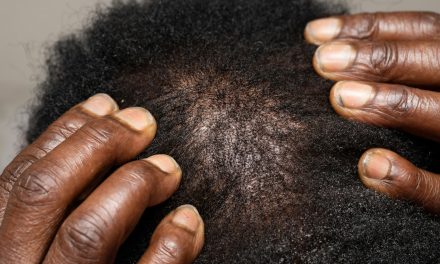
The tightness of cornrows can vary based on personal preference; however, it is essential to ensure that they are not too tight to avoid traction alopecia—a condition caused by excessive pulling on the hair follicles. Cornrows can be worn for several weeks and styled in various ways, including updos or adorned with accessories like beads or thread. Their low-maintenance nature makes them an ideal choice for individuals seeking a long-lasting protective style.
When it comes to maintaining healthy hair while wearing protective hairstyles, understanding the importance of proper care is essential. One effective way to prevent breakage is by ensuring that your hair remains moisturized and well-nourished. For more tips on maintaining cleanliness and care in your hair routine, you might find this article on cleaning techniques particularly useful, as it emphasizes the significance of a clean environment in promoting overall hair health. By incorporating these practices, you can enjoy your protective styles without compromising the integrity of your hair.
Bantu Knots: Stylish and Protective
Bantu knots are a unique protective hairstyle that combines cultural significance with modern flair. This style involves sectioning the hair into small portions and twisting them into coiled knots against the scalp. Bantu knots not only protect the hair but also create beautiful curls when unraveled, offering versatility in styling options.
The installation process allows for creativity; individuals can choose to create larger or smaller knots based on their desired look. Bantu knots are particularly effective at retaining moisture due to their coiled nature, which helps prevent dryness and breakage. Additionally, this style can be worn for several days or weeks, making it an excellent option for those looking to protect their natural texture while showcasing their individuality.
Wigs and Weaves: Shielding Natural Hair
Wigs and weaves provide an alternative approach to protective styling by completely covering the natural hair. These options allow individuals to experiment with different lengths, colors, and textures without subjecting their natural strands to heat or chemical treatments. Wigs can be worn as full units or as partial pieces that blend seamlessly with natural hair.
The primary advantage of wigs and weaves is their ability to shield the natural hair from environmental stressors while providing a fashionable appearance. When properly installed and maintained, these styles can last for weeks or even months. It is crucial to ensure that the scalp remains healthy during wear by regularly cleansing and moisturizing underneath the wig or weave.
Updos and Buns: Low-Manipulation Styles
Updos and buns are classic low-manipulation hairstyles that offer protection while maintaining a polished appearance. These styles involve gathering the hair into a secured position at the crown or nape of the neck, minimizing exposure to environmental factors that can cause damage. Updos can range from sleek chignons to messy buns, allowing for versatility based on personal preference.
One of the key benefits of updos is their ability to keep the ends of the hair tucked away, reducing friction and preventing split ends. Additionally, these styles can be adorned with accessories such as pins or flowers for added flair. Regularly wearing updos can contribute significantly to overall hair health by minimizing manipulation and protecting vulnerable strands.
Crochet Braids: Lightweight and Protective
Crochet braids have gained popularity as a lightweight protective hairstyle that offers versatility without compromising comfort. This technique involves using a crochet hook to attach pre-braided or twisted extensions onto cornrowed natural hair. The result is a full head of beautifully styled braids or curls that can last for several weeks.
One of the primary advantages of crochet braids is their lightweight nature; they do not place excessive tension on the scalp or natural strands, reducing the risk of breakage. Additionally, crochet braids allow for easy access to the scalp for cleansing and moisturizing, promoting overall scalp health during wear. This style can be customized in various lengths and colors, making it an appealing option for those seeking both protection and aesthetic appeal.
Senegalese Twists: Long-Lasting Protection
Senegalese twists are a popular variation of traditional twists that involve using two strands of synthetic or natural hair twisted together in a spiral formation. This style offers a sleek appearance while providing long-lasting protection for natural hair underneath. Senegalese twists can be worn for several weeks without requiring frequent maintenance.
The installation process allows for creativity in terms of size and length; individuals can choose between chunky twists or smaller ones based on their preference. Senegalese twists are particularly effective at retaining moisture due to their tightly twisted structure, which helps prevent dryness and breakage over time. This style not only protects but also enhances the natural texture of the hair when unraveled.
Faux Locs: Trendy and Damage-Free
Faux locs have emerged as a trendy protective hairstyle that mimics traditional locs without committing to permanent changes in texture or length. This style involves wrapping synthetic or natural hair around sections of natural hair to create the appearance of locs without causing damage to the underlying strands.
Faux locs offer versatility in styling options; they can be worn long or short, straight or curly, depending on personal preference. The installation process allows individuals to experiment with different colors and textures while protecting their natural hair from environmental stressors. Faux locs can last several weeks when properly maintained, making them an excellent choice for those seeking both style and protection.
Tips for Maintaining Protective Hairstyles to Minimize Breakage
Maintaining protective hairstyles is essential for maximizing their benefits while minimizing potential breakage. Here are several tips to ensure optimal care:
1. **Moisturize Regularly**: Keeping the scalp hydrated is crucial; use lightweight oils or leave-in conditioners to maintain moisture levels.
2. **Avoid Tight Styles**: Ensure that hairstyles are not too tight to prevent traction alopecia; opt for looser styles when possible.
3. **Cleanse Gently**: Regularly cleanse the scalp using sulfate-free shampoos or cleansing conditioners to remove buildup without stripping moisture.
4. **Limit Manipulation**: Minimize touching or styling your protective hairstyle frequently; this reduces stress on the strands.
5. **Protect at Night**: Use satin or silk scarves or pillowcases while sleeping to reduce friction and retain moisture overnight.
6. **Schedule Breaks**: Allow your natural hair time to breathe between protective styles; this promotes healthy growth and recovery.
In summary, protective hairstyles serve as an essential tool in maintaining healthy hair by minimizing manipulation and shielding strands from environmental damage. From box braids to faux locs, each style offers unique benefits while allowing individuals to express their creativity and personal style. By following proper maintenance tips, individuals can maximize the advantages of these hairstyles while promoting overall hair health and growth.
FAQs
What are protective hairstyles?
Protective hairstyles are styles that tuck away the ends of the hair to minimize exposure to environmental stressors and reduce manipulation. Common examples include braids, twists, buns, and wigs. These styles help to retain moisture and promote hair growth by protecting the hair from damage.
How can I ensure my hair is healthy before styling it in a protective style?
Before styling, it’s essential to start with clean, well-moisturized hair. Use a gentle shampoo to cleanse your scalp and hair, followed by a deep conditioner to hydrate and strengthen your strands. Additionally, consider applying a leave-in conditioner or hair oil to lock in moisture before braiding or twisting your hair.
How often should I change my protective hairstyle to prevent breakage?
It is generally recommended to change your protective hairstyle every 4 to 8 weeks. Keeping a style for too long can lead to tension on the hair and scalp, which may cause breakage. Regularly changing styles allows your hair to rest and recover, reducing the risk of damage.
What are some signs that my protective hairstyle is causing breakage?
Signs of breakage can include excessive shedding, split ends, and thinning hair. If you notice that your hair feels brittle or looks frayed at the ends, it may be time to remove your protective style. Additionally, if your scalp feels sore or irritated, it could indicate that the style is too tight or damaging.
What products should I use to maintain my protective hairstyle?
To maintain a protective hairstyle, use lightweight oils or moisturizers that won’t weigh your hair down. Look for products containing natural ingredients like jojoba oil, argan oil, or shea butter. Additionally, a satin or silk scarf or pillowcase can help reduce friction and retain moisture while you sleep, further protecting your hairstyle.