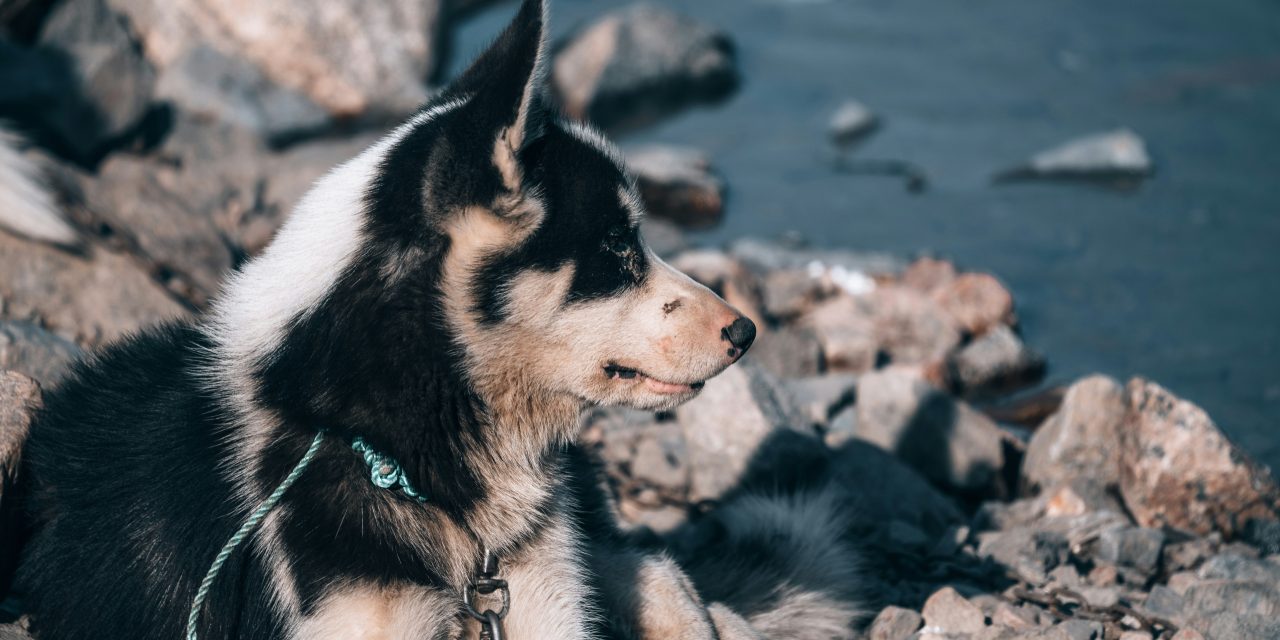
Husky puppies are renowned for their exuberant energy and playful demeanor. Originating from the Arctic regions, these dogs were bred for endurance and strength, traits that manifest in their lively behavior. Their high energy levels can be attributed to their historical role as sled dogs, where they were required to pull heavy loads over long distances. This innate vigor means that Husky puppies often require more physical and mental stimulation than many other breeds, making it essential for prospective owners to understand their energetic nature.
As a breed, Siberian Huskies are characterized by their intelligence and curiosity. They are not only physically active but also mentally sharp, which can lead to boredom if their needs are not adequately met. This understanding is crucial for new owners, as it sets the foundation for a fulfilling relationship with their puppy. Recognizing the energetic nature of Huskies allows owners to tailor their training and care routines to ensure that these spirited pups thrive in a home environment.
Creating a Safe and Stimulating Environment
Creating a safe and stimulating environment for a Husky puppy is paramount to their development and well-being. A secure space allows them to explore their surroundings without the risk of injury or escape. This can be achieved by puppy-proofing the home, which includes removing hazardous items, securing electrical cords, and ensuring that windows and doors are properly closed. Additionally, providing a designated area for play can help contain their energy while allowing them to engage in safe activities.
Incorporating stimulating elements into their environment is equally important. Husky puppies thrive on exploration and discovery, so providing toys that challenge their intellect is beneficial. Puzzle toys, interactive feeders, and chew items can keep them engaged for extended periods. Furthermore, creating an outdoor space where they can run freely—while being supervised—can significantly enhance their quality of life. A well-structured environment fosters a sense of security and encourages healthy behaviors.
Establishing a Consistent Training Routine

Establishing a consistent training routine is vital for Husky puppies, as it helps them understand expectations and boundaries. Consistency in commands, cues, and rewards reinforces learning and builds trust between the puppy and owner. Training sessions should be short but frequent, ideally lasting around 5 to 10 minutes several times a day. This approach caters to the puppy’s attention span while ensuring they receive ample practice.
Incorporating basic obedience commands such as “sit,” “stay,” “come,” and “leave it” into daily routines can significantly enhance communication between the owner and the puppy. Utilizing positive reinforcement techniques—such as treats or praise—during training sessions encourages desired behaviors. Moreover, establishing a routine helps the puppy feel secure and understand what is expected of them, ultimately leading to a well-behaved companion.
Socializing Your Husky Puppy Early and Often

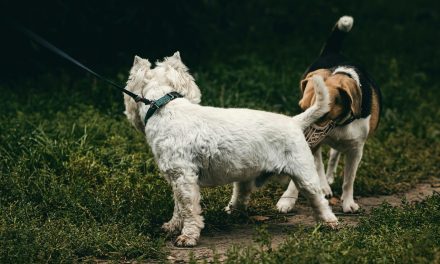
Socialization is a critical aspect of raising a well-adjusted Husky puppy. Early exposure to various environments, people, and other animals helps them develop confidence and reduces the likelihood of behavioral issues later in life. The critical socialization window occurs between 3 to 14 weeks of age; thus, it is essential to introduce your puppy to diverse experiences during this period.
Engaging in puppy classes or playgroups can provide structured socialization opportunities. These settings allow puppies to interact with their peers in a controlled environment while learning essential social skills. Additionally, exposing them to different sounds, sights, and experiences—such as car rides, visits to parks, or encounters with various breeds—can further enhance their adaptability. A well-socialized Husky is more likely to exhibit balanced behavior and less prone to anxiety or aggression.
Providing Adequate Physical Exercise Daily
Husky puppies require substantial physical exercise to channel their energy positively. Daily exercise not only promotes physical health but also contributes to mental well-being. A general guideline suggests that puppies need at least 30 minutes to an hour of vigorous activity each day, which can include walks, runs, or playtime in a secure area.
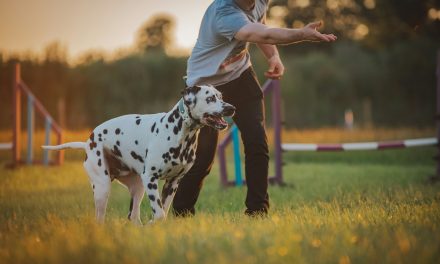
Engaging in activities such as fetch or agility training can provide both physical exertion and mental stimulation. Additionally, incorporating varied terrains during walks—such as hills or trails—can enhance their physical conditioning while keeping them engaged. It is crucial to monitor their energy levels and adjust exercise routines accordingly, as overexertion can lead to fatigue or injury.
Mental Stimulation: Keeping Your Puppy Engaged
Mental stimulation is just as important as physical exercise for Husky puppies. These intelligent dogs thrive on challenges that engage their minds and prevent boredom-related behaviors such as chewing or digging. Incorporating interactive toys that require problem-solving skills can keep them entertained for hours.
Training sessions that focus on advanced commands or tricks can also serve as excellent mental exercises. Activities like scent work or hide-and-seek can stimulate their natural instincts while providing an enjoyable bonding experience with their owner. Regularly changing toys and introducing new challenges will keep your Husky puppy mentally sharp and engaged.
Positive Reinforcement Techniques for Training
Positive reinforcement is an effective training method that encourages desired behaviors through rewards rather than punishment. This approach fosters a trusting relationship between the owner and the puppy while promoting a positive learning environment. Utilizing treats, praise, or playtime as rewards can motivate your Husky puppy to learn new commands and behaviors.
When implementing positive reinforcement techniques, timing is crucial. Rewards should be given immediately after the desired behavior occurs to reinforce the connection between the action and the reward. Consistency in using specific cues or commands will help your puppy understand what is expected of them over time. This method not only enhances training outcomes but also strengthens the bond between owner and pet.
Managing Common Behavioral Challenges
Husky puppies may exhibit certain behavioral challenges that require proactive management strategies. Common issues include excessive barking, chewing, digging, or stubbornness during training sessions. Understanding the root causes of these behaviors is essential for effective management.
For instance, excessive barking may stem from boredom or anxiety; thus, providing adequate exercise and mental stimulation can alleviate this issue. Chewing can be redirected by offering appropriate chew toys while discouraging access to household items. Stubbornness during training may require patience and persistence; varying training methods or incorporating play into sessions can help maintain engagement. Addressing these challenges early on will lead to a more harmonious living environment.
Nutrition and Health Care for Optimal Energy
Proper nutrition plays a pivotal role in maintaining the energy levels of Husky puppies. A balanced diet rich in high-quality proteins, healthy fats, vitamins, and minerals is essential for their growth and development. Selecting a premium puppy food formulated specifically for large breeds ensures that they receive adequate nutrients tailored to their needs.
Regular veterinary check-ups are crucial for monitoring health status and addressing any potential issues early on. Vaccinations, parasite prevention, and dental care should be prioritized to ensure optimal health throughout their developmental stages. Additionally, consulting with a veterinarian regarding dietary adjustments based on activity levels will help maintain energy balance.
Grooming Tips for Your Active Husky Puppy
Grooming is an essential aspect of caring for a Husky puppy due to their thick double coat that requires regular maintenance. Brushing your puppy’s coat at least once a week helps reduce shedding while keeping their fur healthy and free from mats or tangles. During shedding seasons—typically spring and fall—more frequent brushing may be necessary to manage loose fur effectively.
Bathing should be done sparingly; Huskies have natural oils in their coat that protect their skin from moisture loss. When bathing is necessary, using a gentle dog shampoo will help maintain coat health without stripping these oils away. Regular nail trimming and ear cleaning are also important components of grooming that contribute to overall hygiene.
Building a Strong Bond Through Play and Patience
Building a strong bond with your Husky puppy requires time, patience, and engaging activities that foster trust and companionship. Playtime serves as an excellent opportunity for bonding; interactive games such as tug-of-war or fetch not only provide physical exercise but also strengthen the emotional connection between owner and pet.
Patience is key when navigating the challenges of raising a Husky puppy. Understanding that learning takes time will help owners remain calm during training sessions or behavioral issues. Celebrating small victories along the way reinforces positive interactions and encourages continued progress in developing a strong relationship with your furry companion.
In summary, raising a Husky puppy involves understanding their energetic nature, creating a stimulating environment, establishing consistent training routines, socializing early, providing adequate exercise, engaging in mental stimulation activities, utilizing positive reinforcement techniques, managing behavioral challenges effectively, ensuring proper nutrition and health care, maintaining grooming routines, and building strong bonds through play and patience. By addressing these aspects comprehensively, owners can cultivate happy, healthy Huskies that thrive in their homes while enjoying fulfilling lives alongside their families.
FAQs
What are the basic grooming needs for Huskies?
Huskies have a thick double coat that requires regular grooming to prevent matting and reduce shedding. It is recommended to brush their fur at least once a week, and more frequently during shedding seasons, which typically occur in spring and fall. Regular grooming helps keep their coat healthy and can also minimize allergens in the home.
How much exercise do Huskies need daily?
Huskies are high-energy dogs that require a significant amount of exercise. They typically need at least 1 to 2 hours of vigorous activity each day. This can include walks, runs, playtime, and mental stimulation activities. Without adequate exercise, Huskies may become bored and engage in destructive behaviors.
What is the best training method for Huskies?
Positive reinforcement is the most effective training method for Huskies. This involves rewarding desired behaviors with treats, praise, or playtime. Huskies can be independent and stubborn, so consistency, patience, and short training sessions are key to successful training. Socialization from a young age is also important to help them develop good behavior around other dogs and people.
Are Huskies good with children and other pets?
Huskies are generally good with children and can be friendly and playful. However, due to their strong prey drive, they may not be suitable for homes with small pets like rabbits or hamsters. Early socialization and training can help Huskies learn to coexist peacefully with other animals, but supervision is always recommended.
What are common health issues in Huskies?
Huskies are generally healthy dogs, but they can be prone to certain health issues such as hip dysplasia, eye disorders like cataracts and progressive retinal atrophy, and skin conditions. Regular veterinary check-ups, a balanced diet, and proper exercise can help mitigate these risks and ensure a long, healthy life for your Husky.