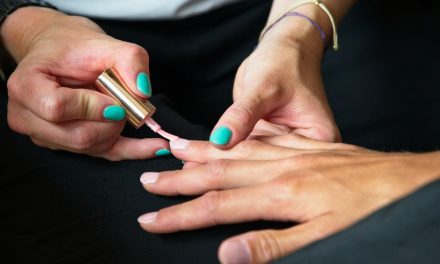
Nail polish has become an essential component of personal grooming and self-expression, with a myriad of options available to consumers. Among these, gel and regular nail polishes stand out as two of the most popular choices. Regular nail polish, often referred to as traditional polish, is known for its ease of application and removal, while gel polish has gained traction for its long-lasting wear and glossy finish. Understanding the differences between these two types of nail products is crucial for making informed decisions about nail care and aesthetics.
The choice between gel and regular nail polish often hinges on individual preferences, lifestyle, and nail health considerations. Regular polish typically dries quickly and can be easily removed with standard nail polish remover, making it a convenient option for those who prefer frequent color changes. In contrast, gel polish requires a curing process under UV or LED light, resulting in a more durable finish that can withstand daily wear and tear. This article delves into the intricacies of both types of nail polishes, exploring their compositions, application processes, drying times, durability, impact on nail health, removal methods, cost considerations, aesthetic finishes, and suitability for various lifestyles.
The composition of nail polishes plays a significant role in their performance and safety. Regular nail polish typically consists of a blend of solvents, resins, plasticizers, and color pigments. Common solvents include ethyl acetate and butyl acetate, which help dissolve the other ingredients for easy application. Resins provide adhesion to the nail surface, while plasticizers enhance flexibility and prevent chipping. Color pigments give the polish its hue, ranging from vibrant reds to subtle pastels.
Gel polish, on the other hand, contains a different formulation designed to cure under UV or LED light. The primary components include oligomers, which are short-chain polymers that create a strong bond when cured. Additionally, gel polishes often contain photoinitiators that activate the curing process when exposed to UV light. This unique composition allows gel polishes to achieve a thicker consistency and a high-gloss finish that lasts longer than traditional options. However, it is essential to note that some gel polishes may contain harmful chemicals such as formaldehyde or toluene, which can pose risks to nail health if used excessively.
When considering the debate between gel polish and regular polish, it’s essential to weigh the pros and cons of each option to determine which is better suited for your needs. For a deeper understanding of how different choices can impact your lifestyle, you might find this article on senior dogs and their nighttime pacing interesting, as it highlights the importance of making informed decisions for the well-being of your pets. You can read more about it here.
Application Process: Step-by-Step Comparison
The application process for regular and gel nail polishes differs significantly, impacting the overall experience for users. For regular nail polish, the steps are relatively straightforward:
1. **Preparation**: Begin by cleaning the nails thoroughly to remove any oils or residues.
2. **Base Coat**: Apply a thin layer of base coat to protect the nails from staining and enhance adhesion.
3. **Color Application**: Apply two coats of your chosen color polish, allowing each coat to dry for a few minutes.
4. **Top Coat**: Finish with a top coat to add shine and prolong wear.
In contrast, the application of gel polish involves additional steps due to the curing process:
1. **Preparation**: Similar to regular polish, start by cleaning the nails and pushing back cuticles.
2. **Base Coat**: Apply a base coat specifically designed for gel polish.
3. **Curing**: Cure the base coat under a UV or LED lamp for the recommended time (usually 30-60 seconds).
4. **Color Application**: Apply one or two layers of gel color polish, curing each layer under the lamp.
5. **Top Coat**: Finish with a gel top coat and cure again.
6. **Wipe Off**: Use a lint-free wipe with alcohol to remove the sticky residue left after curing.
The additional steps involved in gel application can be time-consuming but result in a more durable finish.
Drying time is a critical factor when choosing between gel and regular nail polish. Regular nail polish typically dries within 10-15 minutes after application; however, this can vary based on environmental factors such as humidity and temperature. While it may feel dry to the touch relatively quickly, it is advisable to avoid heavy use of hands for at least an hour to prevent smudging.
In contrast, gel polish requires curing under UV or LED light, which can take anywhere from 30 seconds to 2 minutes per layer depending on the specific product used. This curing process not only hardens the polish but also enhances its durability. While gel polish may take longer initially due to the curing time, it eliminates concerns about smudging immediately after application.
Durability and Longevity: How Long Do They Last?

When it comes to durability and longevity, gel polish has a clear advantage over regular nail polish. Regular nail polish typically lasts between 3 to 7 days before chipping or fading occurs, depending on factors such as daily activities and exposure to water or chemicals. Frequent touch-ups may be necessary for those who prefer maintaining a polished look.
Conversely, gel polish can last anywhere from 2 to 4 weeks without chipping or peeling when applied correctly. The robust bond formed during the curing process contributes to its resilience against everyday wear and tear. Many users appreciate the extended wear time of gel polish, making it an ideal choice for individuals with busy lifestyles or those who prefer low-maintenance nails.
Impact on Nail Health: Benefits and Risks

The impact of nail polish on overall nail health is an important consideration for consumers. Regular nail polish is generally safe for occasional use; however, prolonged exposure can lead to issues such as yellowing of the nails or weakening due to harsh solvents in some formulations. It is advisable to allow nails to breathe between applications by taking breaks from polish.
Gel polish presents both benefits and risks as well. On one hand, its durability means less frequent applications and fewer chances for damage during removal processes. On the other hand, improper removal techniques can lead to nail damage or thinning due to excessive buffing or scraping. Additionally, some individuals may experience allergic reactions to certain ingredients found in gel formulations.
When considering the debate between gel polish and regular polish, many people wonder which option truly offers the best results for long-lasting manicures. A related article that delves into this topic can provide valuable insights into the pros and cons of each type of polish. For those interested in exploring this further, you can read more about it in this informative piece. Understanding the differences can help you make an informed decision that suits your lifestyle and preferences. To learn more about the comparison, check out this article on gel polish vs regular polish.
Removal Methods: Ease and Potential Damage
Removing regular nail polish is typically straightforward; it can be done using acetone-based or non-acetone removers with minimal effort. Soaking a cotton ball in remover and pressing it against the nail for a few seconds usually allows for easy wiping away of the polish without causing significant damage.
In contrast, removing gel polish requires more care and attention due to its strong bond with the nail surface. The most common method involves soaking nails in acetone for approximately 10-15 minutes while wrapped in foil or using specialized gel removal wraps. After soaking, gentle scraping with an orange stick or cuticle pusher may be necessary to remove any remaining product. If not done correctly, this process can lead to weakened nails or damage to the nail bed.
Cost Considerations: Price Differences and Value
Cost is another factor that influences consumer choices between gel and regular nail polishes. Regular nail polishes are generally more affordable, with prices ranging from $5 to $15 per bottle depending on brand reputation and quality. This lower price point makes it accessible for individuals who enjoy experimenting with different colors frequently.
Gel polishes tend to be more expensive due to their specialized formulations and curing requirements; prices typically range from $15 to $30 per bottle. However, considering their longevity and durability, many users find that investing in gel products offers better value over time since they require less frequent reapplication.
Aesthetic Finish: Shine, Texture, and Color Options
The aesthetic finish of both types of polishes varies significantly. Regular nail polishes offer a wide range of finishes including matte, glossy, shimmer, and satin textures; they also come in an extensive palette of colors catering to diverse tastes and preferences.
Gel polishes are renowned for their high-gloss finish that remains intact throughout their wear time without dulling or fading. The texture tends to be thicker than regular polishes, providing a more substantial feel on the nails. While color options have expanded in recent years, they may not match the sheer variety available in traditional formulations.
Suitability for Different Nail Types and Lifestyles
When considering which type of polish is best suited for individual needs, factors such as nail type and lifestyle play crucial roles. Individuals with naturally strong nails may find that either option works well; however, those with weak or brittle nails might benefit from regular polish due to its easier removal process.
For active individuals who engage in sports or manual labor where nails are subjected to stressors like impact or moisture exposure, gel polish may be preferable due to its durability. Conversely, those who enjoy changing their nail color frequently might lean towards regular polish for its ease of application and removal.
Which Polish Is Best for Your Nails?
In conclusion, both gel and regular nail polishes offer unique advantages and disadvantages that cater to different preferences and lifestyles. Regular nail polish is ideal for those seeking convenience and variety without long-term commitment; it allows for easy application and removal while providing an extensive range of colors and finishes.
On the other hand, gel polish appeals to individuals looking for longevity and resilience against daily wear; its high-gloss finish remains intact longer than traditional options but requires careful application and removal techniques to avoid potential damage.
Ultimately, the choice between gel and regular nail polish depends on personal preferences regarding aesthetics, lifestyle demands, budget considerations, and individual nail health needs. By understanding these factors thoroughly, consumers can make informed decisions that align with their beauty goals while maintaining optimal nail health.
FAQs
What is gel polish?
Gel polish is a type of nail polish that is cured under a UV or LED lamp, resulting in a long-lasting, durable finish. It typically lasts two to three weeks without chipping and provides a glossy appearance.
What is regular polish?
Regular polish, also known as traditional nail polish, is a liquid formula that air-dries and does not require any special curing light. It usually lasts about five to seven days before chipping and can be easily removed with nail polish remover.
What are the main differences between gel polish and regular polish?
The main differences include durability, drying time, and removal process. Gel polish is more durable and lasts longer than regular polish, but it requires a UV or LED lamp to cure. Regular polish dries on its own but is more prone to chipping and requires more frequent touch-ups.
Which is better for nail health?
While gel polish offers a longer-lasting finish, it can be harsher on the nails due to the curing process and removal methods, which often involve soaking in acetone. Regular polish is generally considered less damaging, but frequent application and removal can also affect nail health.
Can you use gel polish at home?
Yes, you can use gel polish at home, but you will need a UV or LED lamp for curing. Many at-home gel polish kits are available that include everything needed for application and removal, making it accessible for personal use.