UFO plants, a term that has gained traction among horticulturists and indoor gardening enthusiasts, refer to a captivating collection of plant varieties characterized by their unique shapes, colors, and growth habits. The acronym “UFO” stands for “Unidentified Flora Object,” a playful nod to the otherworldly appearance of these plants that often resemble alien life forms. These varieties have become increasingly popular due to their striking aesthetics and the intriguing conversations they inspire. Their unusual forms and vibrant foliage make them a focal point in any indoor garden, appealing to both novice and seasoned gardeners alike.
What sets UFO plants apart from traditional houseplants is their distinctive morphology. Many of these species exhibit unique leaf shapes, variegation, or growth patterns that challenge conventional botanical norms. For instance, some UFO plants may have leaves that curl, twist, or grow in unexpected directions, while others may display vibrant colors that shift with the seasons. This diversity not only enhances the visual appeal of indoor spaces but also encourages plant enthusiasts to explore the fascinating world of botany and horticulture.
If you’re interested in exploring the fascinating world of UFOs and their potential connections to various phenomena, you might find this article on meal prep intriguing. While it may seem unrelated at first glance, the meticulous planning involved in preparing easy chicken burrito bowls can be likened to the careful analysis that researchers apply when investigating UFO sightings. To read more about efficient meal prep, check out this article: Easy Chicken Burrito Bowls for Meal Prep.
The Allure of UFO Plants in Indoor Gardening
The allure of UFO plants in indoor gardening lies in their ability to transform mundane spaces into vibrant ecosystems. Their unusual appearances can evoke curiosity and admiration, making them conversation starters among guests. The aesthetic appeal of these plants is complemented by their adaptability to various indoor environments, allowing them to thrive in diverse conditions. Whether placed on a windowsill, shelf, or as part of a larger arrangement, UFO plants can enhance the ambiance of any room.
Moreover, many UFO varieties are relatively low-maintenance, making them ideal for individuals with busy lifestyles or those new to gardening. Their resilience and ability to tolerate varying light conditions contribute to their popularity. For instance, some species can thrive in low-light environments, while others prefer bright, indirect sunlight. This versatility allows gardeners to curate their indoor spaces according to personal preferences and environmental factors.
Understanding the Care Needs of UFO Plants

Caring for UFO plants requires an understanding of their specific needs, which can vary significantly among different species. Generally, these plants thrive in well-draining soil that allows for adequate aeration and moisture retention. Overwatering is a common issue that can lead to root rot, so it is essential to monitor soil moisture levels regularly. A good rule of thumb is to allow the top inch of soil to dry out before watering again.
Light requirements also play a crucial role in the health of UFO plants. While some varieties flourish in bright, indirect light, others may prefer partial shade. It is vital to research each species’ specific light preferences to ensure optimal growth. Additionally, humidity levels can impact the overall health of these plants; many UFO varieties thrive in higher humidity environments. Using a humidifier or placing a tray of water near the plants can help maintain adequate moisture levels.
Variegated Monstera UFO: A Tropical Marvel

The Variegated Monstera UFO is a stunning example of how nature can create breathtaking beauty through unique leaf patterns. This tropical marvel features large, heart-shaped leaves adorned with striking white or cream variegation that contrasts beautifully against the deep green background. The Monstera’s distinctive fenestrations—natural holes in the leaves—add an extra layer of intrigue, making it a favorite among collectors.
Caring for the Variegated Monstera requires attention to its light and watering needs. This plant thrives in bright, indirect sunlight but can also tolerate lower light conditions. However, insufficient light may result in diminished variegation. Watering should be done when the top inch of soil feels dry, ensuring that excess water drains away to prevent root rot. With proper care, this plant can grow vigorously and become a stunning centerpiece in any indoor garden.
In recent discussions about the intriguing phenomenon of UFOs, many enthusiasts have also turned their attention to the fascinating concept of UFO plants, which are said to thrive in unusual conditions. If you’re curious about how to create a more harmonious environment that may even attract these mysterious entities, you might find it helpful to explore some tips on decluttering your space. For more insights on this topic, check out this article on decluttering before your home renovation.
Hoya Kerrii UFO: The Heart-Shaped Wonder
Hoya Kerrii, commonly known as the Sweetheart Plant, is another captivating UFO variety that has captured the hearts of many indoor gardeners. Its thick, waxy leaves are shaped like hearts, making it a popular choice for romantic settings or as a gift for loved ones. This succulent vine is not only visually appealing but also relatively easy to care for, making it an excellent choice for beginners.
To ensure optimal growth for Hoya Kerrii, it is essential to provide bright, indirect light while avoiding direct sunlight that can scorch its leaves. Watering should be done sparingly; allowing the soil to dry out between waterings is crucial for preventing overwatering issues. Additionally, Hoya Kerrii benefits from occasional fertilization during the growing season to promote healthy growth and flowering.
In recent discussions about unidentified flying objects, many enthusiasts have also turned their attention to the intriguing phenomenon of UFO plants, which are said to exhibit unusual growth patterns possibly influenced by extraterrestrial activity. For those interested in understanding the differences between various unusual occurrences in nature, a fascinating article on bed bug bites versus mosquito bites provides insight into how to identify and differentiate between various pests. You can read more about this topic in the article here.
String of Pearls UFO: A Cascading Delight
The String of Pearls (Senecio rowleyanus) is a delightful succulent known for its unique appearance resembling a string of green pearls cascading down from its pot. This trailing plant is perfect for hanging baskets or elevated shelves where its long tendrils can spill over and create an enchanting display. The round leaves are not only visually appealing but also serve as water storage organs, allowing the plant to thrive in arid conditions.
Caring for String of Pearls involves providing bright light and well-draining soil to prevent root rot. Watering should be done infrequently; allowing the soil to dry out completely between waterings is essential for this succulent’s health. Additionally, occasional pruning can help maintain its shape and encourage bushier growth.
Pilea Peperomioides UFO: The Chinese Money Plant
Pilea Peperomioides, commonly referred to as the Chinese Money Plant or Pancake Plant, is celebrated for its round, coin-shaped leaves that sit atop long stems. This charming UFO plant has gained popularity due to its unique appearance and ease of care. It is often associated with good fortune and prosperity, making it a favored choice among indoor gardeners.
To care for Pilea Peperomioides effectively, provide bright but indirect sunlight to promote healthy growth. Watering should be done when the top inch of soil feels dry; this plant prefers slightly moist conditions but can suffer from overwatering if left in soggy soil. Regularly rotating the pot can help ensure even growth as this plant tends to lean toward light sources.
Calathea Orbifolia UFO: Striking Leaf Patterns
Calathea Orbifolia is renowned for its striking leaf patterns that resemble intricate artwork crafted by nature itself. The large, oval leaves feature bold green stripes against a lighter green background, creating a visually stunning display that captivates plant enthusiasts. This tropical beauty thrives in humid environments and adds an exotic touch to any indoor garden.
Caring for Calathea Orbifolia requires attention to humidity levels; this plant thrives in high humidity environments and benefits from regular misting or placement near a humidifier. It prefers bright but indirect light and should be watered when the top inch of soil feels dry. Avoid exposing this plant to cold drafts or direct sunlight, as it can lead to leaf damage.
Senecio Rowleyanus UFO: The Beaded Trail
Senecio Rowleyanus, commonly known as String of Pearls or Beaded Trail, is another captivating UFO plant characterized by its trailing stems adorned with small, round leaves resembling beads. This succulent is perfect for hanging arrangements or elevated displays where its cascading growth can be fully appreciated. Its unique appearance makes it a favorite among collectors and indoor gardeners alike.
To care for Senecio Rowleyanus effectively, provide bright light while avoiding direct sunlight that can scorch its delicate leaves. Watering should be done sparingly; allowing the soil to dry out completely between waterings is crucial for preventing root rot. Fertilizing during the growing season can promote healthy growth and vibrant foliage.
Peperomia Polybotrya UFO: The Raindrop Plant
Peperomia Polybotrya, commonly known as the Raindrop Plant due to its distinctive teardrop-shaped leaves, is a charming addition to any indoor garden. Its glossy foliage adds a touch of elegance and sophistication while remaining relatively low-maintenance. This compact plant is perfect for small spaces or as part of a larger arrangement.
Caring for Peperomia Polybotrya involves providing bright but indirect light while allowing the soil to dry out between waterings. This plant prefers slightly moist conditions but can suffer from overwatering if left in soggy soil. Regularly dusting its leaves will help maintain their glossy appearance and promote overall health.
Lithops UFO: Living Stones for a Unique Display
Lithops are fascinating succulents often referred to as “living stones” due to their remarkable resemblance to pebbles or stones found in nature. These unique plants have evolved to blend seamlessly into their surroundings as a survival mechanism against herbivores in their native habitats. Lithops are perfect for those seeking an unconventional addition to their indoor garden.
Caring for Lithops requires specific attention; they thrive in bright light and well-draining soil designed for succulents or cacti. Watering should be done sparingly; these plants prefer dry conditions and should only be watered when they begin to shrivel slightly. Overwatering can lead to root rot and other complications.
Echeveria UFO: Rosette-Shaped Succulent Beauty
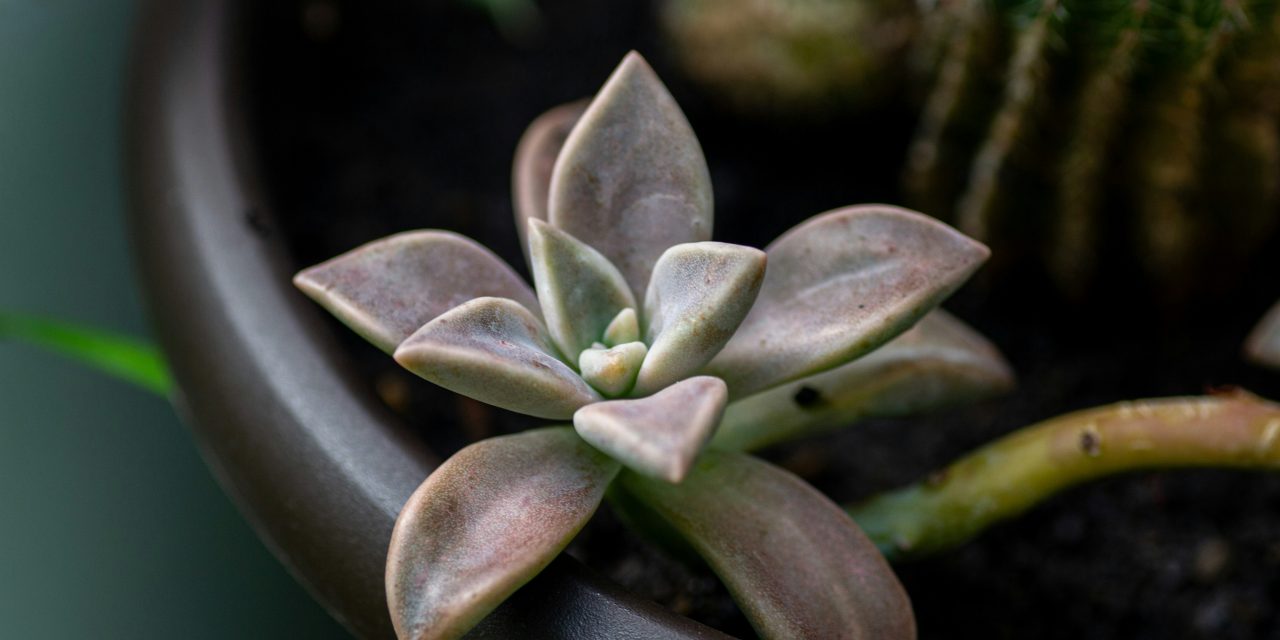
Echeveria is a popular genus of succulents known for their stunning rosette-shaped formations and vibrant colors ranging from deep greens to pastel hues. These charming plants are perfect for adding texture and visual interest to indoor gardens or succulent arrangements. Their compact size makes them suitable for various settings.
To care for Echeveria effectively, provide bright light while ensuring well-draining soil is used during planting. Watering should be done infrequently; allowing the soil to dry out completely between waterings is essential for preventing root rot. Fertilizing during the growing season can promote healthy growth and vibrant colors.
Tips for Integrating UFO Plants into Your Indoor Garden
Integrating UFO plants into your indoor garden requires thoughtful planning and consideration of each species’ unique needs and characteristics. Begin by selecting a suitable location that provides adequate light while considering humidity levels and temperature fluctuations within your home environment.
Grouping plants with similar care requirements can simplify maintenance routines while creating visually appealing arrangements that showcase their unique forms and colors. Consider using decorative pots or hanging planters that complement your interior design style while allowing each plant’s beauty to shine through.
Regularly monitoring your plants’ health will help identify any potential issues early on; look out for signs of pests or diseases that may affect their growth and vitality. Additionally, don’t hesitate to experiment with different arrangements or combinations of UFO plants—this creative approach can lead to stunning displays that reflect your personal style.
In summary, UFO plants offer an exciting opportunity for indoor gardeners seeking unique varieties that stand out from traditional houseplants. With their captivating appearances and diverse care needs, these plants can enhance any indoor space while providing an engaging gardening experience. By understanding each species’ requirements and integrating them thoughtfully into your garden design, you can create a thriving ecosystem filled with beauty and intrigue.
FAQs
What is a UFO plant?
A UFO plant, also known as a “UFO-shaped plant,” refers to a type of plant that has a unique growth pattern or structure resembling a flying saucer or UFO. These plants often have distinctive leaves or flowers that contribute to their unusual appearance, making them popular among collectors and gardening enthusiasts.
Where can UFO plants typically be found?
UFO plants can be found in various regions around the world, depending on the specific species. Many of these plants thrive in tropical or subtropical climates, while others may be adapted to arid environments. They are often cultivated in botanical gardens, nurseries, and private collections.
Are UFO plants easy to care for?
The care requirements for UFO plants vary by species, but many are relatively easy to maintain. Generally, they require well-draining soil, adequate sunlight, and regular watering. However, it’s essential to research the specific needs of each type of UFO plant to ensure optimal growth and health.
Can UFO plants be grown indoors?
Yes, many UFO plants can be successfully grown indoors, provided they receive sufficient light and proper care. Indoor growers should ensure that the plants are placed in bright, indirect sunlight and that the humidity levels are suitable for the specific species being cultivated.
Are UFO plants safe for pets?
Most UFO plants are non-toxic to pets, but it’s crucial to verify the specific species before introducing them into a home with animals. Some plants may cause mild gastrointestinal upset if ingested, so pet owners should always monitor their pets around new plants and consult with a veterinarian if any concerns arise.