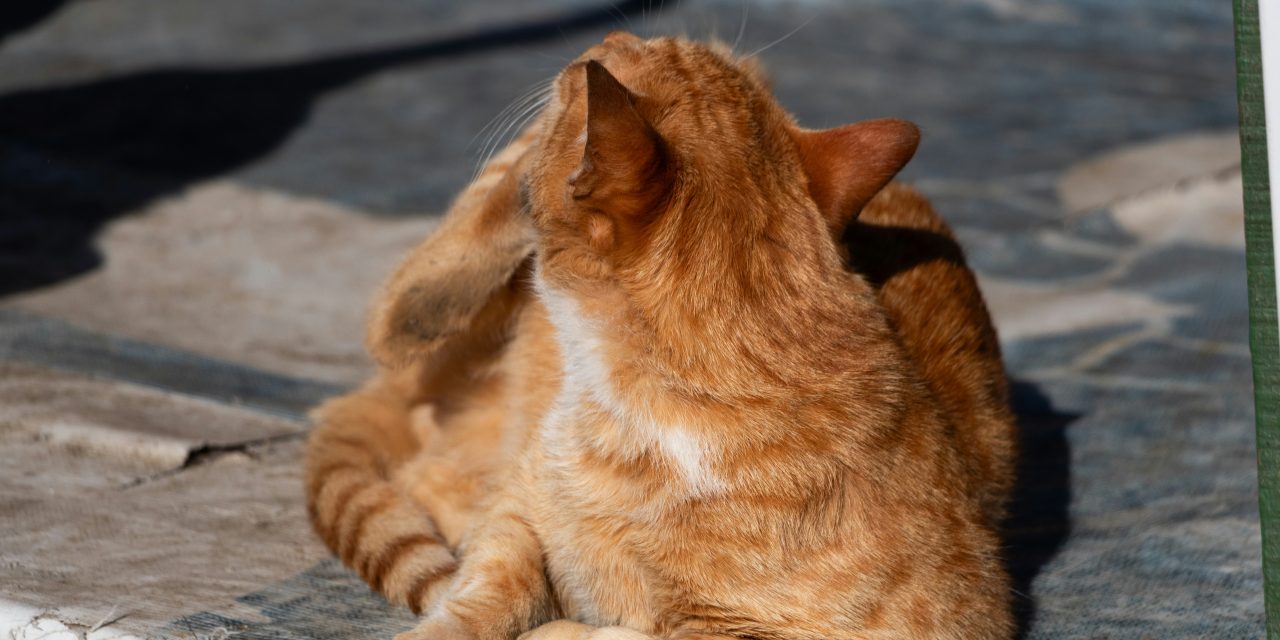
Cat dandruff, medically referred to as seborrhea, is a common dermatological condition characterized by the presence of dry, flaky skin. This condition can manifest in various forms, including seborrheic dermatitis, which may be either oily or dry. The underlying causes of cat dandruff can be multifactorial, ranging from environmental factors to underlying health issues. Common causes include allergies, parasitic infestations such as fleas or mites, nutritional deficiencies, and even stress.
Symptoms of cat dandruff are often visible and can include white flakes scattered throughout the fur, excessive grooming behavior, and localized itching or irritation. In some cases, the skin may appear red or inflamed, indicating a secondary infection or dermatitis. It is crucial for pet owners to recognize these symptoms early to prevent further complications, such as skin infections or hair loss.
Importance of Regular Grooming for Flaky Cats
Regular grooming plays a pivotal role in managing cat dandruff and promoting overall skin health. Grooming not only helps to remove loose fur and dander but also stimulates the skin’s natural oils, which can alleviate dryness. For cats with dandruff, brushing should be performed at least two to three times a week to ensure that dead skin cells are effectively removed and to distribute natural oils evenly across the coat.
Additionally, grooming sessions provide an opportunity for pet owners to inspect their cat’s skin closely for any signs of irritation or infection. This proactive approach allows for early intervention if any abnormalities are detected. Moreover, grooming can serve as a bonding experience between the cat and its owner, reducing stress levels and promoting a sense of security.
Choosing the Right Shampoo for Your Cat’s Skin

Selecting an appropriate shampoo is essential for treating cat dandruff effectively. It is advisable to choose a product specifically formulated for feline use, as human shampoos can disrupt the natural pH balance of a cat’s skin. Look for shampoos containing ingredients such as oatmeal, aloe vera, or tea tree oil, which are known for their soothing and moisturizing properties.
For cats with severe dandruff or underlying skin conditions, medicated shampoos containing ingredients like chlorhexidine or ketoconazole may be recommended by veterinarians. These shampoos target specific issues such as fungal infections or bacterial overgrowth. Always follow the manufacturer’s instructions regarding frequency of use and application techniques to avoid exacerbating the condition.
How to Properly Bathe a Cat with Dandruff

Bathing a cat can be a daunting task, especially for those with dandruff. However, when done correctly, it can significantly improve the condition of your cat’s skin. Begin by gathering all necessary supplies, including a non-slip mat, a gentle cat shampoo, towels, and a handheld sprayer or cup for rinsing.
Start by wetting your cat’s coat thoroughly with lukewarm water while avoiding the head area. Apply the chosen shampoo and gently massage it into the fur, focusing on areas where dandruff is most prominent. Rinse thoroughly to ensure no residue remains, as leftover shampoo can irritate the skin further. After bathing, wrap your cat in a towel to absorb excess water and keep them warm. It is essential to allow your cat to air dry in a calm environment to minimize stress.
Incorporating Omega-3 Fatty Acids into Your Cat’s Diet
Dietary modifications can play a significant role in managing cat dandruff. Omega-3 fatty acids are particularly beneficial due to their anti-inflammatory properties and ability to promote healthy skin and coat. These essential fatty acids can be found in fish oil supplements or specific commercial cat foods enriched with omega-3s.
When introducing omega-3 fatty acids into your cat’s diet, it is crucial to consult with a veterinarian to determine the appropriate dosage based on your cat’s weight and health status. Regular supplementation can lead to improved skin hydration and reduced flakiness over time. Additionally, incorporating high-quality protein sources into your cat’s diet can further support skin health.
Maintaining Optimal Humidity Levels in Your Home
Environmental factors significantly influence skin health in cats. Low humidity levels can exacerbate dryness and contribute to dandruff formation. Maintaining optimal humidity levels within your home is essential for preventing dry skin conditions. Ideally, indoor humidity should be kept between 30% and 50%.
Using a humidifier during dry seasons or in arid climates can help maintain moisture in the air. Additionally, placing water bowls around the house encourages hydration, which is vital for overall skin health. Regularly monitoring humidity levels with a hygrometer can assist in ensuring that your home remains comfortable for both you and your feline companion.
Using Natural Remedies Recommended by Reddit Users
The online community often shares valuable insights regarding natural remedies for various pet ailments, including cat dandruff. Some popular suggestions include using coconut oil as a topical treatment due to its moisturizing properties and ability to soothe irritated skin. Applying a small amount directly onto affected areas can help alleviate dryness.
Another commonly recommended remedy is apple cider vinegar diluted with water, which may help balance the skin’s pH levels and combat fungal infections. However, it is essential to conduct a patch test before applying any new substance to ensure that your cat does not have an adverse reaction. Always consult with a veterinarian before implementing any home remedies.
When to Consult a Veterinarian for Persistent Dandruff
While occasional dandruff may not be cause for concern, persistent or worsening symptoms warrant veterinary attention. A veterinarian can perform a thorough examination to identify underlying causes such as allergies, hormonal imbalances, or parasitic infestations that may require specific treatments.
Diagnostic tests such as skin scrapings or allergy testing may be necessary to determine the root cause of the dandruff. Based on the findings, veterinarians may prescribe topical treatments, medicated shampoos, or systemic medications such as corticosteroids or antihistamines to alleviate symptoms effectively.
Preventing Dandruff Through Stress Reduction Techniques
Stress can significantly impact a cat’s overall health and contribute to skin issues like dandruff. Implementing stress reduction techniques can help mitigate these effects and promote a healthier environment for your feline companion. Providing enrichment activities such as interactive toys, scratching posts, and climbing structures can keep your cat mentally stimulated and engaged.
Creating a safe space where your cat can retreat when feeling overwhelmed is also beneficial. Regular playtime and positive reinforcement during grooming sessions can foster trust and reduce anxiety associated with handling. Additionally, maintaining a consistent routine helps cats feel secure in their environment.
Monitoring Your Cat’s Overall Health and Skin Condition
Regular monitoring of your cat’s overall health is crucial for early detection of potential issues related to dandruff or other dermatological conditions. Observing changes in behavior, appetite, or grooming habits can provide valuable insights into your cat’s well-being.
Routine veterinary check-ups are essential for maintaining optimal health and addressing any emerging concerns promptly. During these visits, veterinarians can assess your cat’s skin condition and recommend appropriate interventions if necessary.
Sharing Success Stories: Reddit’s Top User Tips and Experiences
The Reddit community has become an invaluable resource for pet owners seeking advice on managing cat dandruff effectively. Many users share their success stories regarding dietary changes that led to significant improvements in their cats’ skin conditions. For instance, one user reported that switching to a grain-free diet resulted in reduced flakiness and improved coat shine.
Others have highlighted the benefits of regular grooming routines combined with specific shampoos tailored for sensitive skin. These shared experiences foster a sense of community among pet owners facing similar challenges and provide practical solutions that may not be readily available through traditional veterinary channels.
In summary, managing cat dandruff involves understanding its causes and symptoms while implementing effective grooming practices and dietary modifications. Regular veterinary consultations are essential for addressing persistent issues and ensuring optimal health for your feline companion. By incorporating stress reduction techniques and monitoring overall well-being, pet owners can create an environment conducive to healthy skin and coat maintenance.
FAQs
What causes cat dandruff?
Cat dandruff is primarily caused by dry skin, which can result from environmental factors such as low humidity, poor diet, or allergies. Other potential causes include skin infections, parasites like fleas, or underlying health issues such as hormonal imbalances or metabolic disorders.
How can I tell if my cat has dandruff?
You can identify cat dandruff by looking for white flakes on your cat’s fur or skin, particularly along the back and tail. Additionally, you may notice your cat scratching or grooming excessively, which can indicate skin irritation or discomfort.
Is cat dandruff a serious condition?
In most cases, cat dandruff is not a serious condition and can be managed with proper care. However, if it is accompanied by other symptoms such as redness, swelling, or hair loss, it may indicate a more serious underlying issue that requires veterinary attention.
What treatments are available for cat dandruff?
Treatments for cat dandruff may include improving your cat’s diet with high-quality food, increasing humidity in the environment, regular grooming to remove dead skin, and using specialized shampoos or topical treatments. In some cases, a veterinarian may recommend medications if an underlying condition is present.
Can I prevent cat dandruff?
Yes, you can help prevent cat dandruff by maintaining a balanced diet, ensuring your cat stays hydrated, providing regular grooming, and keeping the living environment clean and humid. Regular veterinary check-ups can also help identify and address any potential health issues early on.