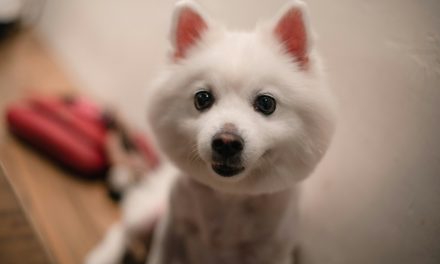
Pet grooming is an essential aspect of responsible pet ownership that goes beyond mere aesthetics. It encompasses a variety of practices aimed at maintaining the health and hygiene of pets, particularly dogs and cats. Grooming not only enhances the appearance of your furry companions but also plays a crucial role in their overall well-being. Regular grooming helps to prevent skin infections, matting, and other health issues that can arise from neglect. Furthermore, it provides an opportunity for pet owners to bond with their animals, fostering trust and comfort.
The grooming process involves several components, including brushing, bathing, nail trimming, ear cleaning, and dental care. Each of these elements contributes to the pet’s physical health and emotional stability. For instance, brushing removes loose fur and debris while stimulating the skin’s natural oils, promoting a healthy coat. Bathing, on the other hand, helps to eliminate dirt and odors, ensuring that pets remain clean and comfortable. Understanding these fundamentals is vital for any pet owner looking to provide the best care for their beloved companions.
Grooming your pets is essential not only for their appearance but also for their overall health. Regular grooming can help you spot potential health issues, including dental problems. For more information on recognizing signs of dental disease in dogs, you can check out this informative article: How to Recognize Signs of Dental Disease in Dogs. This resource will provide you with valuable insights into maintaining your dog’s dental hygiene, which is an important aspect of their grooming routine.
Choosing the Right Grooming Tools for Cats and Dogs
Selecting appropriate grooming tools is paramount for effective grooming sessions. The right tools not only make the process easier but also ensure that it is comfortable for your pet. For dogs, essential grooming tools include slicker brushes, combs, and de-shedding tools. Slicker brushes are particularly effective for removing tangles and mats from long-haired breeds, while de-shedding tools help manage excessive shedding in double-coated breeds.
Cats, on the other hand, require different grooming implements. A rubber grooming glove can be beneficial for short-haired cats, as it effectively removes loose fur while providing a gentle massage. For long-haired felines, a wide-toothed comb is ideal for detangling without causing discomfort. Additionally, nail clippers designed specifically for pets are crucial for maintaining nail health in both cats and dogs. Investing in high-quality grooming tools tailored to your pet’s specific needs will enhance the grooming experience and yield better results.
Establishing a Regular Grooming Schedule
Creating a consistent grooming schedule is vital for maintaining your pet’s hygiene and comfort. The frequency of grooming sessions largely depends on the breed, coat type, and individual needs of your pet. For instance, long-haired breeds may require grooming every few days to prevent matting, while short-haired breeds might only need attention once a week. Establishing a routine not only helps keep your pet looking their best but also allows you to monitor their health more closely.
In addition to regular brushing and bathing, it’s essential to incorporate nail trimming and ear cleaning into your grooming schedule. These tasks can be performed monthly or bi-monthly, depending on your pet’s activity level and growth rate. By adhering to a structured grooming regimen, you can ensure that your pet remains clean, healthy, and comfortable while minimizing stress during grooming sessions.
Bathing Tips: How Often and What Products to Use
Bathing is an integral part of pet grooming that helps maintain cleanliness and hygiene. However, determining how often to bathe your pet can be challenging. Generally, dogs should be bathed every 4 to 6 weeks, while cats may require less frequent baths due to their self-grooming habits. Factors such as breed, activity level, and skin condition should also be considered when establishing a bathing schedule.
When selecting bathing products, it is crucial to choose shampoos specifically formulated for pets. Human shampoos can disrupt the natural pH balance of a pet’s skin, leading to irritation or allergic reactions. Look for hypoallergenic or medicated shampoos if your pet has sensitive skin or specific dermatological issues. Additionally, consider using conditioners designed for pets to help detangle fur and add moisture to the coat. Always rinse thoroughly to remove any residue that could cause skin irritation.
When it comes to maintaining the health and appearance of your furry friends, grooming plays a crucial role for both cats and dogs. Regular grooming not only helps to keep their coats clean and free of tangles, but it also allows you to check for any skin issues or parasites. If you’re interested in keeping your dog happy and healthy, you might want to explore some great options for their playtime as well. For instance, you can check out this article on the top 10 dog scratching boards that can provide both entertainment and comfort for your pup. You can find it here: top 10 dog scratching boards.
Brushing Techniques for Different Coat Types
Brushing techniques vary significantly based on the coat type of your pet. For dogs with long or curly coats, such as Poodles or Shih Tzus, using a slicker brush followed by a wide-toothed comb is recommended. Start by gently detangling any mats before moving on to brushing the entire coat in sections. This method minimizes discomfort and ensures that all areas are adequately groomed.
Short-haired breeds like Beagles or Boxers benefit from a different approach. A bristle brush or rubber grooming mitt can effectively remove loose hair while distributing natural oils throughout the coat. For cats, brushing should be approached with care; use a soft-bristle brush or grooming glove for short-haired cats and a wide-toothed comb for long-haired varieties. Regardless of coat type, always brush in the direction of hair growth to avoid causing discomfort or stress.
If you’re looking to enhance your pet grooming skills, you might find this informative article on grooming techniques particularly useful. It covers various methods and tips that can help you keep your furry friends looking their best, ensuring they not only feel comfortable but also look great. Whether you have a cat or a dog, understanding the right grooming practices is essential for their health and well-being.
Nail Trimming: Keeping Your Pet Comfortable and Safe
Nail trimming is an essential aspect of pet grooming that often causes anxiety for both pets and owners. Regular nail maintenance prevents overgrowth, which can lead to painful splaying or cracking of the nails. Ideally, dogs should have their nails trimmed every 3 to 4 weeks, while cats may require less frequent trimming depending on their activity levels.
To ensure a comfortable experience during nail trimming, use high-quality clippers designed specifically for pets. There are various types available, including guillotine-style clippers and electric grinders. Familiarize your pet with the clippers by allowing them to sniff them before starting the process. When trimming nails, avoid cutting into the quick—the sensitive area containing blood vessels—by only trimming small amounts at a time. If you accidentally cut into the quick, apply styptic powder to stop any bleeding.
Ear Cleaning Essentials to Prevent Infections
Ear cleaning is often overlooked in pet grooming but is crucial for preventing infections and maintaining overall ear health. Pets with floppy ears or those prone to ear infections require regular cleaning—ideally every 2 to 4 weeks—to remove wax buildup and debris. Signs of ear problems include excessive scratching at the ears or foul odors emanating from them.
To clean your pet’s ears safely, use a veterinarian-recommended ear cleaner specifically formulated for pets. Avoid using cotton swabs inside the ear canal as they can push debris further in or cause injury. Instead, apply the cleaner according to package instructions and gently massage the base of the ear to distribute it evenly. Afterward, allow your pet to shake their head to remove excess fluid before wiping away any debris with a soft cloth.
Dental Care: Brushing and Beyond
Dental care is an often-neglected aspect of pet grooming that can significantly impact overall health. Periodontal disease is prevalent among pets and can lead to serious health issues if left untreated. To maintain optimal oral hygiene, it is recommended to brush your pet’s teeth at least two to three times per week using toothpaste formulated specifically for pets.
In addition to brushing, consider incorporating dental chews or toys into your pet’s routine to help reduce plaque buildup naturally. Regular veterinary dental cleanings are also essential; these professional cleanings can remove tartar buildup that brushing alone cannot address. Monitoring your pet’s oral health during grooming sessions allows you to identify any potential issues early on.
Handling Mats and Tangles Without Stress
Mats and tangles can be distressing for both pets and owners alike; however, addressing them promptly can prevent further complications such as skin irritation or infection. For long-haired breeds prone to matting, regular brushing is essential in preventing tangles from forming in the first place.
When encountering mats during grooming sessions, use a dematting tool or slicker brush designed specifically for this purpose. Start by gently working through the outer edges of the mat before gradually moving inward; this technique minimizes discomfort for your pet. If mats are particularly stubborn or extensive, consider seeking professional assistance rather than risking injury during home grooming attempts.
Monitoring Skin and Coat Health During Grooming
Grooming sessions provide an excellent opportunity for pet owners to monitor their pets’ skin and coat health closely. During brushing or bathing, look for signs of irritation such as redness, flakiness, or unusual odors that may indicate underlying skin conditions or allergies.
Additionally, pay attention to changes in coat texture or excessive shedding that could signal nutritional deficiencies or health issues requiring veterinary attention. Regularly inspecting your pet’s skin during grooming allows you to catch potential problems early on—ensuring timely intervention when necessary.
When to Seek Professional Grooming Assistance
While many aspects of grooming can be performed at home, there are instances when seeking professional assistance is advisable. If you encounter persistent mats that cannot be safely removed or if your pet exhibits extreme anxiety during grooming sessions despite your best efforts, consider consulting a professional groomer.
Professional groomers possess specialized training and experience in handling various breeds and temperaments; they can provide services such as breed-specific cuts or advanced techniques that may be challenging for novice groomers. Additionally, if you notice any concerning changes in your pet’s skin or coat health during grooming sessions—such as lumps or lesions—consulting a veterinarian is crucial for proper diagnosis and treatment.
In summary, effective pet grooming encompasses various practices aimed at maintaining hygiene and overall health while fostering a strong bond between owner and pet. By understanding the basics of grooming, selecting appropriate tools, establishing a regular schedule, and monitoring health during sessions—pet owners can ensure their furry companions remain happy and healthy throughout their lives.
FAQs
What are the basic grooming needs for cats and dogs?
Both cats and dogs require regular grooming to maintain their health and hygiene. Basic grooming needs include brushing their fur to remove loose hair and prevent matting, bathing to keep their skin clean, trimming nails to prevent overgrowth, and cleaning their ears and teeth to avoid infections and dental issues.
How often should I groom my cat or dog?
The frequency of grooming depends on the breed and coat type. Generally, dogs with long or thick fur may need grooming every few weeks, while short-haired breeds may require less frequent grooming. Cats typically groom themselves, but long-haired breeds should be brushed at least once a week to prevent matting.
Can I groom my pet at home, or should I take them to a professional?
You can groom your pet at home, especially for basic tasks like brushing and bathing. However, for more complex grooming needs, such as haircuts or nail clipping, it may be beneficial to take them to a professional groomer who has the experience and tools to handle these tasks safely.
What tools do I need for grooming my cat or dog?
Essential grooming tools include a brush or comb suitable for your pet’s coat type, nail clippers or a grinder, pet-safe shampoo, and a towel for drying. Additional tools may include ear cleaning solution, dental care products, and a grooming table for larger dogs.
Are there any specific grooming tips for different breeds?
Yes, different breeds have unique grooming requirements. For example, breeds with curly coats, like Poodles, require regular trimming to prevent matting, while short-haired breeds, like Beagles, may only need occasional brushing. Researching your specific breed’s grooming needs can help you maintain their coat and overall health effectively.