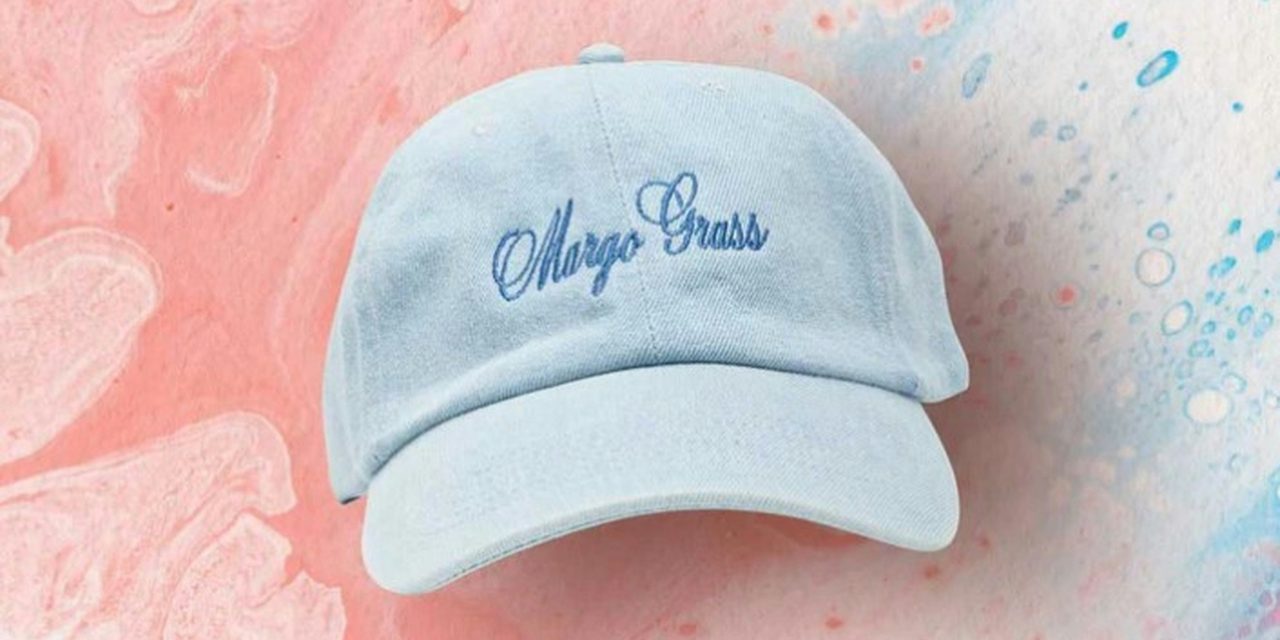
Sweat stains on hats are a common issue faced by many individuals, particularly those who wear headgear during physical activities or in warm climates. These stains are primarily caused by the secretion of perspiration, which contains water, salts, and various organic compounds. When sweat evaporates, it leaves behind residues that can lead to discoloration and unpleasant odors. The fabric composition of the hat plays a significant role in how these stains manifest; for instance, cotton and polyester blends may absorb sweat differently than wool or straw materials.
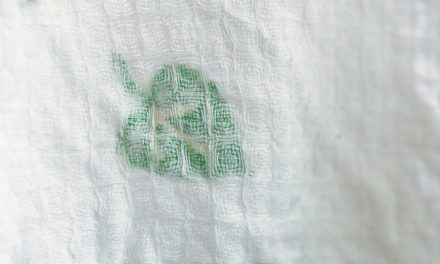
The appearance of sweat stains can vary from light yellowish marks to dark brown patches, depending on factors such as the individual’s body chemistry, the hat’s color, and the duration of wear. Understanding the nature of these stains is crucial for effective treatment. The longer the sweat remains on the fabric, the more challenging it becomes to remove. Additionally, certain environmental factors, such as humidity and temperature, can exacerbate the staining process. Recognizing these elements can help in developing a proactive approach to maintaining the integrity of your headwear.
If you’re looking for effective ways to keep your hats looking fresh and clean, you might find it helpful to explore methods for removing sweat stains. For additional insights on maintaining household items, you can check out this article on how long water heaters last and the signs that indicate it’s time to replace yours. It’s a great resource for understanding the longevity of essential appliances, which can help you keep your home in top shape. For more information, visit this article.
Choosing the Right Cleaning Materials
Selecting appropriate cleaning materials is essential for effectively addressing sweat stains on hats without causing damage. The first step is to identify the fabric type of the hat. Natural fibers like cotton and wool may require different cleaning agents compared to synthetic materials such as polyester or nylon. For instance, using harsh chemicals on delicate fabrics can lead to fading or deterioration.
When it comes to cleaning agents, opt for mild detergents that are free from bleach and harsh additives. Look for products specifically designed for delicate fabrics or those labeled as “color-safe.” Additionally, consider using soft-bristled brushes or microfiber cloths to avoid scratching or damaging the surface of the hat. For stubborn stains, enzymatic cleaners can be particularly effective as they break down organic matter without harming the fabric. Always conduct a patch test on an inconspicuous area before applying any cleaning solution to ensure compatibility with the material.
Pre-Treating Sweat Stains Effectively

Pre-treatment is a critical step in the stain removal process, especially for sweat stains that have set into the fabric. Begin by gently blotting the stained area with a clean cloth to absorb any excess moisture. Avoid rubbing, as this can spread the stain further or embed it deeper into the fibers. Once blotted, apply a small amount of your chosen cleaning solution directly onto the stain.
Allow the pre-treatment solution to sit for at least 10-15 minutes to penetrate the fabric and break down the stain’s components. For particularly stubborn stains, consider using a soft-bristled toothbrush to gently agitate the area, helping to lift the stain without damaging the hat’s structure. After pre-treating, rinse the area with cold water to remove any residual cleaning agent before proceeding with further cleaning methods.
Using Mild Detergents for Gentle Cleaning

Mild detergents are an excellent choice for cleaning hats, as they effectively remove dirt and stains without compromising the integrity of the fabric. When selecting a detergent, look for options that are biodegradable and free from harsh chemicals. These products are not only gentler on fabrics but also environmentally friendly.
To use mild detergent effectively, dilute it in cold water according to the manufacturer’s instructions. Submerge a clean cloth or sponge into the solution and gently dab at the stained area. Avoid soaking the hat entirely, as excessive moisture can lead to warping or loss of shape. After treating the stain, rinse thoroughly with cold water to ensure all detergent residues are removed. This step is crucial, as leftover detergent can attract dirt and lead to further staining.
If you’re looking for effective ways to remove sweat stains from hats, you might find it helpful to explore related topics that address common maintenance issues. For instance, understanding how to keep your vehicle’s mass airflow sensor clean can also lead to better overall performance, much like how maintaining your hats can prolong their life. You can read more about this in the article on signs of a dirty mass airflow sensor.
Applying Homemade Solutions for Stain Removal
Homemade solutions can be an effective and economical way to tackle sweat stains on hats. One popular method involves mixing equal parts white vinegar and water in a spray bottle. Vinegar is known for its natural deodorizing properties and ability to break down organic stains. Spray the solution onto the stained area and let it sit for approximately 30 minutes before rinsing with cold water.
Another effective homemade remedy is a paste made from baking soda and water. Combine three parts baking soda with one part water to create a thick paste. Apply this mixture directly onto the stain and allow it to dry completely before brushing off any residue. Baking soda not only helps lift stains but also neutralizes odors, making it an excellent choice for maintaining freshness in your hats.
When it comes to cleaning hats, one must decide between hand-washing and machine-washing methods. Hand-washing is generally recommended for delicate hats or those with intricate designs, as it allows for greater control over the cleaning process. To hand-wash a hat, fill a basin with cold water and add a small amount of mild detergent. Gently agitate the water before submerging the hat, ensuring that it is fully saturated without excessive scrubbing.
On the other hand, machine-washing can be suitable for sturdier hats made from durable materials. If opting for this method, place the hat in a protective mesh laundry bag to prevent deformation during the wash cycle. Use a gentle cycle with cold water and mild detergent to minimize wear and tear on the fabric. Regardless of the method chosen, always check care labels for specific washing instructions to avoid damaging your headwear.
Drying Techniques to Preserve Hat Shape
Proper drying techniques are essential for preserving the shape and structure of hats after washing. Avoid wringing out excess water, as this can distort the fabric and alter its fit. Instead, gently press out moisture using a clean towel by placing it inside the hat and pressing down lightly.
To dry hats effectively, place them on a clean, dry towel in a well-ventilated area away from direct sunlight or heat sources. This method allows air circulation while preventing fading or warping caused by high temperatures. For structured hats like baseball caps or fedoras, consider using a hat form or stuffing them with tissue paper to maintain their shape during drying.
Deodorizing Hats to Eliminate Odors
In addition to visible stains, hats can develop unpleasant odors due to sweat accumulation over time. To combat this issue, regular deodorizing is essential. One effective method involves sprinkling baking soda inside the hat and allowing it to sit overnight before shaking out any excess powder. Baking soda acts as a natural deodorizer by absorbing odors without leaving behind any residue.
Another option is to use essential oils mixed with water in a spray bottle. A few drops of tea tree oil or lavender oil combined with water can provide a pleasant scent while also possessing antimicrobial properties that help eliminate odor-causing bacteria. Lightly misting this solution inside the hat can refresh its scent without causing damage.
Preventative Measures to Avoid Future Stains
Preventing sweat stains from forming in the first place is key to maintaining your hats’ appearance and longevity. One effective strategy is to wear moisture-wicking headbands underneath your hats during physical activities or hot weather conditions. These bands absorb sweat before it reaches your hat, significantly reducing staining potential.
Additionally, consider rotating your hats regularly to allow each one time to air out between wears. This practice not only helps prevent odor buildup but also extends the lifespan of each piece by minimizing wear from frequent use. Regularly cleaning your hats even when they appear clean can also help prevent sweat buildup over time.
Storing Hats to Maintain Freshness
Proper storage is crucial for maintaining freshness and preventing damage to hats when not in use. Store hats in a cool, dry place away from direct sunlight to avoid fading and warping caused by heat exposure. Consider using hat boxes or dedicated storage containers designed specifically for headwear; these options provide protection against dust and environmental factors.
For structured hats like fedoras or caps, avoid stacking them on top of one another as this can lead to deformation over time. Instead, store them upright or use hat racks that allow for individual placement without compromising their shape.
When to Seek Professional Cleaning Services
While many sweat stains can be treated at home using various methods outlined above, there are instances when professional cleaning services may be necessary. If your hat is made from delicate materials such as silk or has intricate embellishments that could be damaged during home cleaning attempts, seeking professional assistance is advisable.
Additionally, if you encounter persistent stains that do not respond to home remedies or if your hat has developed an unpleasant odor despite your best efforts at deodorizing, professional cleaners have specialized equipment and expertise that can effectively address these issues without risking damage.
In summary, maintaining hats free from sweat stains requires understanding their causes and employing appropriate cleaning techniques tailored to specific materials. By choosing suitable cleaning agents, pre-treating stains effectively, utilizing homemade solutions, and adopting preventative measures, you can prolong your hats’ lifespan while keeping them looking fresh and clean. Regular maintenance combined with proper storage practices will ensure your headwear remains in excellent condition for years to come.
FAQs
What materials do I need to remove sweat stains from hats?
To effectively remove sweat stains from hats, you will need mild detergent, water, a soft-bristled brush or cloth, and optionally, white vinegar or baking soda for tougher stains. Make sure to check the care label on your hat for any specific cleaning instructions.
Can I machine wash my hat to remove sweat stains?
It depends on the type of hat. Many hats, especially those made of cotton or polyester, can be machine washed on a gentle cycle. However, structured hats or those with cardboard brims should be hand washed to avoid damage. Always check the manufacturer’s guidelines before washing.
How do I hand wash a hat to remove sweat stains?
To hand wash a hat, fill a basin with cool water and add a small amount of mild detergent. Submerge the hat and gently scrub the stained areas with a soft brush or cloth. Rinse thoroughly with cool water and reshape the hat before air drying it away from direct sunlight.
Are there any home remedies for tough sweat stains on hats?
Yes, home remedies like a mixture of equal parts white vinegar and water or a paste made from baking soda and water can be effective. Apply the mixture to the stained area, let it sit for about 30 minutes, then rinse with cool water and air dry.
How can I prevent sweat stains from forming on my hats in the future?
To prevent sweat stains, consider wearing a sweatband under your hat, choosing hats made from moisture-wicking materials, and regularly cleaning your hats to remove any buildup. Additionally, avoid wearing hats in extreme heat or during intense physical activity when possible.