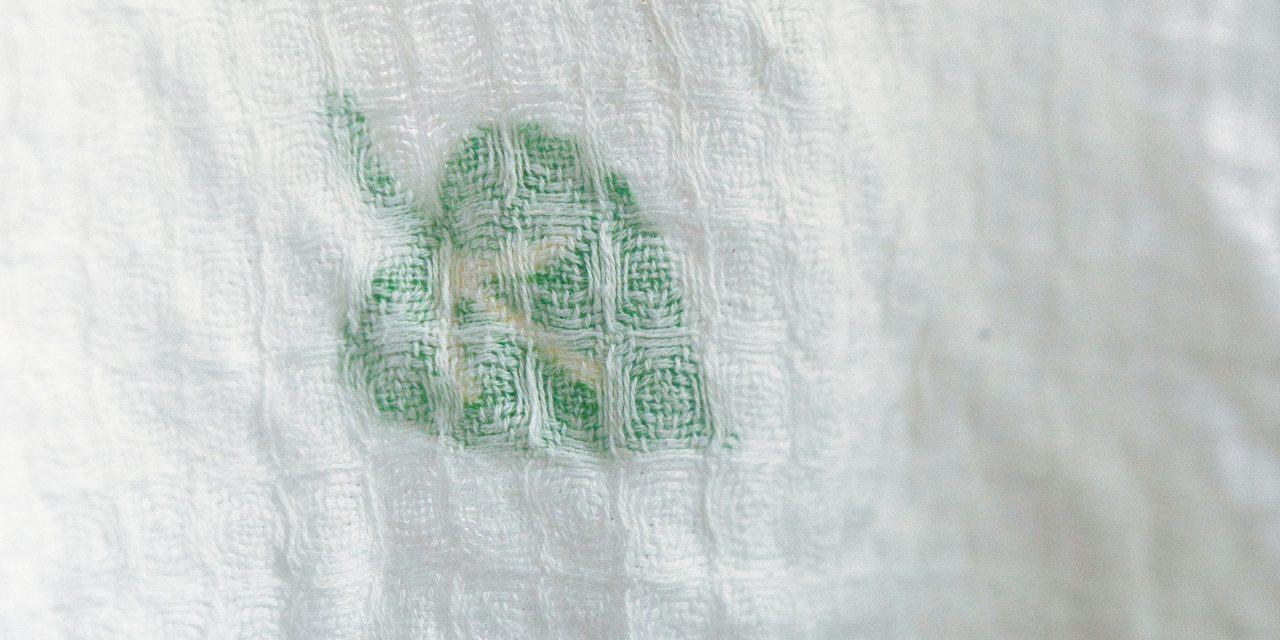
Blood stains can be particularly challenging to remove due to the complex composition of hemoglobin and other proteins present in blood. When blood comes into contact with fabric, it begins to coagulate and bind to the fibers, making immediate action crucial for successful removal. The longer a blood stain remains untreated, the more difficult it becomes to eliminate, as the proteins denature and adhere more firmly to the material. This is why understanding the nature of blood stains and acting swiftly is essential for effective cleaning.
Moreover, the type of fabric plays a significant role in how blood stains react. Natural fibers such as cotton and linen tend to absorb stains more readily than synthetic materials like polyester or nylon. Therefore, recognizing the fabric type can guide the choice of cleaning agents and methods. Quick action not only preserves the integrity of the fabric but also prevents permanent discoloration, ensuring that your garments remain in pristine condition.
If you’re looking for effective methods to remove blood stains from fabric, you might find it helpful to explore the comparison between vinegar and baking soda for cleaning purposes. This article delves into the strengths and weaknesses of each cleaning agent, providing insights that could enhance your stain removal techniques. For more information, check out the article here: Vinegar vs. Baking Soda for Cleaning: What Actually Works.
Preparing Your Fabric for Stain Removal
Before embarking on the stain removal process, it is vital to prepare the fabric adequately. Begin by assessing the type of material you are dealing with, as different fabrics require tailored approaches. For instance, delicate fabrics such as silk or wool may necessitate gentler treatment methods compared to sturdier materials like denim or canvas. Always check the care label for specific instructions regarding washing and stain treatment.
Once you have identified the fabric type, gently blot the stain with a clean cloth or paper towel to absorb any excess blood without rubbing it further into the fibers. Avoid using hot water or heat sources at this stage, as they can set the stain permanently. Instead, rinse the stained area under cold running water to help lift some of the blood before applying any cleaning solutions. This initial preparation is crucial for maximizing the effectiveness of subsequent stain removal techniques.
Using Cold Water to Prevent Stain Setting

Cold water is an essential ally in the battle against blood stains. The primary reason for using cold water is that heat can cause proteins in blood to coagulate and bond more tightly with fabric fibers, making them increasingly difficult to remove. By rinsing the stained area with cold water immediately after the incident, you can effectively dilute and wash away a significant portion of the blood before it has a chance to set.
To utilize cold water effectively, hold the stained fabric under a stream of cold water, allowing it to flow through from the back of the stain. This technique helps push the blood out of the fibers rather than forcing it deeper into the material. If possible, continue rinsing until no more blood is visible. This step is critical in preventing permanent staining and sets the stage for further treatment options.
Applying Hydrogen Peroxide for Fresh Blood Stains

Hydrogen peroxide is a powerful oxidizing agent that can be particularly effective for treating fresh blood stains. When applied to a fresh stain, hydrogen peroxide breaks down hemoglobin and other proteins, facilitating their removal from fabric fibers. To use this method, pour a small amount of 3% hydrogen peroxide directly onto the stain and allow it to bubble for a few minutes.
After letting it sit, gently blot the area with a clean cloth or sponge to absorb the dissolved blood. It is essential to test hydrogen peroxide on an inconspicuous area of the fabric first, as it can cause discoloration on certain materials. If no adverse effects are observed, proceed with treating the entire stain. Rinse thoroughly with cold water afterward to remove any residual hydrogen peroxide and prevent further chemical reactions.
If you’ve ever faced the challenge of removing blood stains from fabric, you might find it helpful to explore some effective techniques that can make the process easier. For a comprehensive guide on this topic, check out this informative article that provides step-by-step instructions and tips. Additionally, if you’re interested in enhancing your garden with resilient plants, you can discover some great options in this article about drought-tolerant perennials that thrive in full sun.
Utilizing Baking Soda Paste to Lift Dried Blood
For dried blood stains that have set into fabric, a baking soda paste can be an effective solution. Baking soda acts as a mild abrasive and a natural deodorizer, making it suitable for lifting stubborn stains without damaging delicate fabrics. To create a paste, mix three parts baking soda with one part water until a thick consistency is achieved.
Apply this paste directly onto the dried blood stain and allow it to sit for at least 30 minutes. The baking soda will work to break down the proteins in the blood while absorbing moisture and odors. Afterward, gently scrub the area with a soft-bristled brush or cloth before rinsing thoroughly with cold water. This method not only helps lift the stain but also leaves your fabric smelling fresh.
Leveraging Salt as a Natural Stain Remover
Salt is another natural remedy that can be utilized effectively for blood stain removal. Its abrasive properties help dislodge particles from fabric fibers while also acting as a dehydrating agent that can draw moisture away from stains. To use salt for blood stains, create a paste by mixing salt with cold water until it reaches a thick consistency.
Apply this paste directly onto the stain and let it sit for about 30 minutes. Afterward, gently scrub with a soft cloth or sponge to lift the stain from the fabric. Rinse thoroughly with cold water to remove any residual salt and blood particles. This method is particularly useful for fabrics that are sensitive to harsher chemicals and provides an eco-friendly alternative for stain removal.
Employing Liquid Detergent for Effective Cleaning
Liquid laundry detergent is specifically formulated to break down various types of stains, including those caused by blood. The surfactants present in liquid detergents work by loosening dirt and grime from fabric fibers, making them easier to wash away during laundering. To treat a blood stain with liquid detergent, apply a small amount directly onto the affected area and gently rub it in with your fingers or a soft cloth.
Allow the detergent to penetrate the stain for at least 5-10 minutes before rinsing with cold water. For optimal results, follow up by laundering the fabric according to its care instructions. If necessary, repeat this process until the stain is completely removed. Liquid detergent is versatile and effective for both fresh and dried blood stains when used promptly.
Trying Ammonia Solutions for Stubborn Stains
Ammonia can be an effective solution for particularly stubborn blood stains that resist other cleaning methods. Its alkaline properties help break down proteins and facilitate their removal from fabric fibers. However, caution must be exercised when using ammonia, as it can produce harmful fumes when mixed with other cleaning agents such as bleach.
To use ammonia safely, dilute one tablespoon of ammonia in half a cup of cold water and apply it directly onto the stain using a clean cloth or sponge. Allow it to sit for about 10 minutes before blotting with another clean cloth to absorb any loosened particles. Rinse thoroughly with cold water afterward to eliminate any residual ammonia from the fabric. Always ensure proper ventilation when using ammonia solutions and avoid contact with skin or eyes.
Using Enzyme-Based Stain Removers for Protein Breakdown
Enzyme-based stain removers are specifically designed to target protein-based stains like blood effectively. These products contain enzymes that break down proteins into smaller components, making them easier to wash away during laundering. When selecting an enzyme-based stain remover, look for products labeled as effective against protein stains.
To use an enzyme-based remover, apply it directly onto the blood-stained area according to package instructions and allow it to sit for the recommended time—usually around 15-30 minutes—before rinsing with cold water. Follow up by laundering as usual. This method is particularly beneficial for older stains that have had time to set into fabric fibers.
Tips for Washing and Drying After Treatment
After successfully treating a blood stain, proper washing and drying techniques are essential for ensuring complete removal and preventing future staining. Always wash treated fabrics in cold water rather than hot water, as heat can set any remaining traces of blood into the fibers permanently. Use a gentle cycle if dealing with delicate fabrics and avoid overcrowding your washing machine to allow adequate movement during cleaning.
When drying treated fabrics, air drying is preferable over using a dryer until you are certain that the stain has been completely removed. Heat from dryers can cause any residual stains to set permanently, making them nearly impossible to eliminate later on. If necessary, repeat treatment methods before drying if any traces of staining remain visible after washing.
Preventive Measures to Avoid Future Blood Stains
Preventing blood stains from occurring in the first place can save time and effort in cleaning later on. One effective strategy is to wear protective clothing when engaging in activities that may result in cuts or scrapes, such as cooking or participating in sports. Additionally, keeping first aid supplies readily available can help manage minor injuries promptly before they lead to staining.
Educating yourself about proper handling techniques when dealing with sharp objects or tools can also minimize injury risk and subsequent staining incidents. Lastly, consider treating frequently worn garments with stain-resistant sprays or treatments designed specifically for fabrics; these products create a barrier that helps repel liquids and prevent staining.
In summary, understanding how to effectively treat blood stains involves quick action and knowledge of various cleaning methods tailored to different fabric types and stain conditions. From utilizing cold water immediately after staining to employing specific cleaning agents like hydrogen peroxide or enzyme-based removers, each step plays a crucial role in successful stain removal. By following proper washing techniques and implementing preventive measures, you can maintain your fabrics’ integrity while minimizing future staining incidents.
FAQs
What is the best method to remove fresh blood stains from fabric?
The best method to remove fresh blood stains is to rinse the fabric under cold running water as soon as possible. This helps to flush out the blood. After rinsing, apply a mixture of cold water and mild detergent directly to the stain, gently rubbing it with your fingers or a soft cloth. Rinse again with cold water and repeat if necessary.
Can I use hot water to remove blood stains?
No, you should avoid using hot water on blood stains, as it can cause the proteins in the blood to coagulate and set the stain into the fabric. Always use cold water for rinsing and treating blood stains.
What household items can help in removing dried blood stains?
For dried blood stains, you can use hydrogen peroxide, baking soda, or salt. Apply hydrogen peroxide directly to the stain and let it sit for a few minutes before blotting it with a clean cloth. Alternatively, make a paste of baking soda and water or mix salt with cold water, apply it to the stain, and scrub gently.
Is it safe to use bleach on blood stains?
Using bleach on blood stains is generally not recommended, especially on colored fabrics, as it can cause discoloration. If the fabric is white and bleach-safe, you can use a diluted bleach solution, but always test a small area first to ensure it does not damage the fabric.
How can I prevent blood stains from setting in the fabric?
To prevent blood stains from setting, act quickly by rinsing the stain with cold water immediately. Avoid letting the stain dry, and treat it with a stain remover or detergent as soon as possible. If the fabric is washable, launder it according to the care instructions after treating the stain.