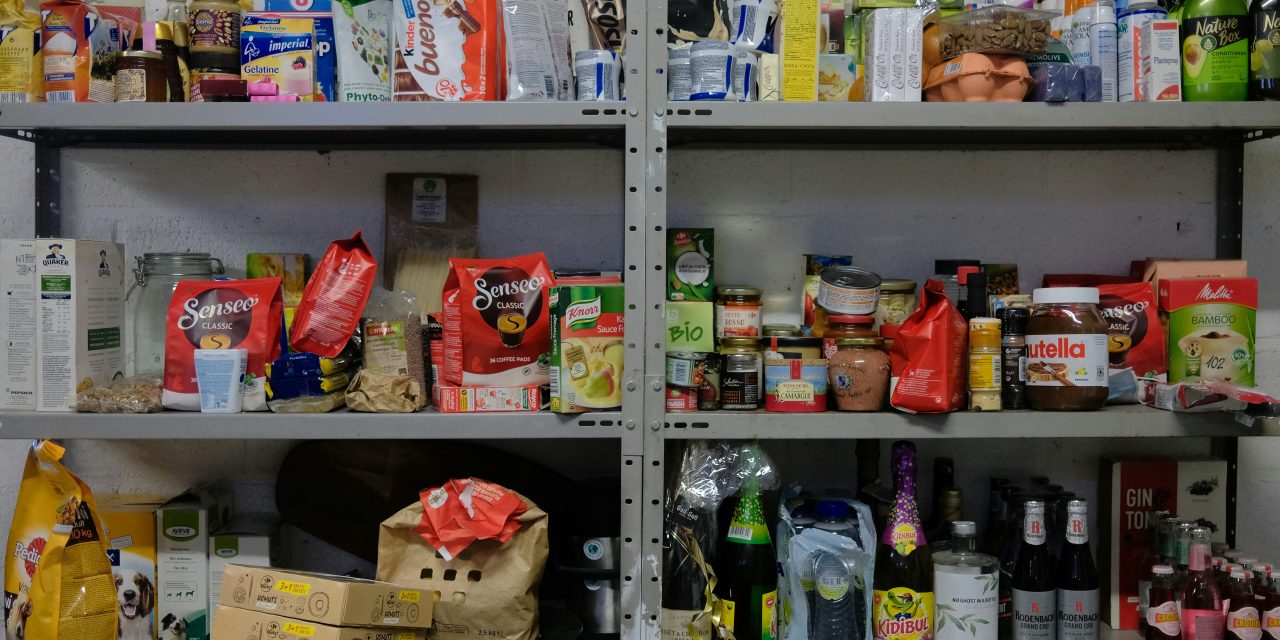
In an era marked by uncertainty and rapid changes in global supply chains, long-term food storage has emerged as a vital practice for individuals and families alike. This method not only ensures a steady supply of essential nutrients but also provides peace of mind during emergencies, natural disasters, or economic downturns. The concept revolves around preserving food items in a manner that extends their shelf life significantly, allowing for consumption over months or even years without compromising quality or safety.
The importance of long-term food storage cannot be overstated. It serves as a buffer against food scarcity, enabling households to maintain nutritional adequacy even when fresh produce is unavailable. Moreover, understanding the intricacies of food preservation techniques can empower individuals to make informed choices about their dietary needs and preferences. This article delves into various food items that are ideal for long-term storage, exploring their unique properties, preservation methods, and practical applications.
If you’re interested in long-lasting food options, you might find it fascinating to explore meal prep ideas that can help you maintain a healthy diet over time. For instance, check out this article on 10 Easy Meal Prep Ideas for a Week of Healthy Eating, which offers practical tips for preparing nutritious meals that can be stored and enjoyed throughout the week. This approach not only saves time but also ensures that you have healthy options readily available, complementing your interest in food that lasts.
Understanding Shelf Life and Preservation Methods
Shelf life refers to the duration for which a food product remains safe to consume while retaining its desired sensory, nutritional, and functional qualities. Various factors influence shelf life, including moisture content, temperature, light exposure, and packaging. Understanding these elements is crucial for effective long-term food storage.
Preservation methods can be broadly categorized into several techniques: dehydration, freezing, canning, vacuum sealing, and fermentation. Each method has its advantages and limitations. For instance, dehydration removes moisture from food, inhibiting microbial growth and enzymatic reactions that lead to spoilage. Canning involves sealing food in airtight containers and heating them to destroy pathogens and enzymes. Vacuum sealing eliminates air exposure, further extending shelf life by reducing oxidation. By employing these methods strategically, individuals can maximize the longevity of their food supplies.
Honey: Nature’s Eternal Sweetener

Honey stands out as one of the most remarkable natural substances known for its longevity. Archaeological findings have revealed pots of honey in ancient Egyptian tombs that are over 3,000 years old and still perfectly edible. This extraordinary shelf life can be attributed to honey’s low moisture content and acidic pH, which create an inhospitable environment for bacteria and mold.
In addition to its impressive preservation qualities, honey is rich in antioxidants and possesses antimicrobial properties. It can be utilized as a natural sweetener in various culinary applications or consumed directly for its health benefits. When storing honey for long-term use, it is essential to keep it in a sealed container away from direct sunlight and moisture to maintain its quality.
White Rice: A Staple That Stands the Test of Time

White rice is a staple food in many cultures worldwide, renowned for its versatility and long shelf life. When stored correctly in airtight containers in a cool, dry environment, white rice can last indefinitely. The removal of the bran and germ during processing significantly reduces its oil content, which is a primary factor in rancidity.
Nutritionally, white rice serves as an excellent source of carbohydrates, providing energy for daily activities. It can be paired with various proteins and vegetables to create balanced meals. To enhance its longevity further, consider adding oxygen absorbers to the storage container to minimize oxidation and moisture absorption.
If you’re interested in discovering how to stock up on food that can last up to 25 years, you might find this article particularly useful. It explores various long-lasting food options and storage techniques that can help you prepare for emergencies or simply reduce the frequency of grocery shopping. For more insights on organizing your living space while managing your food supplies, check out this helpful guide on smart ways to organize a small home on a budget.
Dried Beans: Protein-Packed and Long-Lasting
Dried beans are another exceptional choice for long-term food storage due to their high protein content and extended shelf life. When stored in airtight containers away from light and moisture, dried beans can last for several years without significant loss of quality. They are rich in essential nutrients such as fiber, iron, and folate, making them an excellent addition to any diet.
To prepare dried beans for consumption, they typically require soaking and cooking before eating. This process not only enhances digestibility but also improves flavor and texture. For optimal storage conditions, consider using Mylar bags with oxygen absorbers or vacuum-sealed containers to protect against pests and moisture.
Powdered Milk: Essential Dairy Without Spoilage
Powdered milk is a convenient alternative to fresh dairy products, offering a long shelf life without refrigeration. When stored properly in a cool, dry place in airtight containers, powdered milk can last up to 25 years or more. This makes it an invaluable resource for families looking to maintain a balanced diet without the risk of spoilage associated with liquid milk.
Nutritionally, powdered milk retains most of the vitamins and minerals found in fresh milk, including calcium and vitamin D. It can be reconstituted with water for drinking or used in cooking and baking applications. To ensure maximum freshness, it is advisable to store powdered milk in a dark environment to prevent light degradation.
Salt: The Ultimate Preservative and Flavor Enhancer
Salt has been utilized as a preservative for centuries due to its ability to inhibit microbial growth through osmosis. By drawing moisture out of food items, salt effectively extends their shelf life while enhancing flavor profiles. When stored in a cool, dry place away from contaminants, salt can last indefinitely.
In addition to its preservative qualities, salt is essential for human health as it plays a crucial role in maintaining fluid balance and nerve function. It can be used in various preservation methods such as curing meats or pickling vegetables. For optimal storage conditions, consider using airtight containers to prevent clumping due to humidity.
Sugar: Indefinite Shelf Life When Stored Properly
Sugar is another pantry staple known for its remarkable shelf life when stored correctly. Granulated sugar can last indefinitely if kept in an airtight container away from moisture and contaminants. Its high osmotic pressure creates an inhospitable environment for bacteria and mold growth.
Beyond its longevity, sugar serves multiple purposes in cooking and baking while also acting as a natural preservative in jams and jellies. It is important to note that while sugar does not spoil, it may undergo changes in texture or clump if exposed to humidity. To maintain its quality over time, store sugar in a cool environment with minimal exposure to air.
Freeze-Dried Fruits and Vegetables: Nutrients Preserved
Freeze-drying is an advanced preservation technique that removes moisture from fruits and vegetables while retaining their nutritional value and flavor profile. This method involves freezing the produce at extremely low temperatures before subjecting it to a vacuum that removes ice crystals without compromising cellular structure.
When stored properly in vacuum-sealed bags or airtight containers away from light and moisture, freeze-dried fruits and vegetables can last up to 25 years or more. They are an excellent source of vitamins and minerals while providing convenience for snacking or meal preparation. Rehydrating freeze-dried produce is simple; just add water or incorporate them directly into recipes.
Hard Grains: Wheat Berries and Corn for Longevity
Hard grains such as wheat berries and corn are excellent choices for long-term food storage due to their low moisture content and high nutritional value. When stored in airtight containers in cool conditions, these grains can last for decades without significant degradation.
Wheat berries are rich in fiber, protein, vitamins B1 (thiamine), B3 (niacin), and E (tocopherol). They can be ground into flour or cooked whole for various culinary applications. Corn is versatile as well; it can be used as cornmeal or popped for snacks. To maximize shelf life further, consider using oxygen absorbers during storage to minimize oxidation.
Dehydrated Pasta: Convenient and Long-Lasting
Dehydrated pasta offers convenience without sacrificing shelf life or nutritional value. When stored properly in airtight containers away from moisture and light exposure, dehydrated pasta can last up to 25 years or more while retaining its flavor and texture.
This type of pasta is lightweight and easy to prepare; simply add boiling water or incorporate it into soups or casseroles for quick meals. Dehydrated pasta provides carbohydrates essential for energy while being versatile enough to pair with various sauces or proteins.
Canned Meats and Fish: Protein with Extended Shelf Life
Canned meats and fish are invaluable sources of protein that boast extended shelf lives due to the canning process that seals food in airtight containers while heating it to destroy pathogens. When stored in a cool environment away from direct sunlight, canned meats can last anywhere from 2 to 5 years or longer depending on the type.
These products provide essential amino acids necessary for muscle repair and overall health while offering convenience during meal preparation. Canned tuna, chicken, or salmon can be easily incorporated into salads or casseroles for nutritious meals without the need for refrigeration until opened.
Tips for Proper Storage to Maximize Food Longevity
To ensure the longevity of your food supplies, implementing effective storage practices is paramount. Here are several tips:
1. **Temperature Control**: Store food items in a cool environment (ideally between 50°F – 70°F) to minimize spoilage.
2. **Moisture Management**: Keep foods dry by using desiccants or oxygen absorbers within storage containers.
3. **Light Protection**: Store items in opaque containers or dark environments to prevent light degradation.
4. **Airtight Containers**: Utilize vacuum-sealed bags or Mylar bags with oxygen absorbers to limit air exposure.
5. **Regular Inventory**: Periodically check your supplies for signs of spoilage or pest infestation.
6. **Labeling**: Clearly label containers with contents and expiration dates for easy identification.
7. **Rotation**: Practice FIFO (First In First Out) by consuming older items first to prevent waste.
In conclusion, long-term food storage is an essential practice that empowers individuals to maintain nutritional adequacy during uncertain times while ensuring minimal waste through effective preservation methods. By understanding the unique properties of various food items such as honey, white rice, dried beans, powdered milk, salt, sugar, freeze-dried produce, hard grains, dehydrated pasta, and canned meats/fish—individuals can create a well-rounded pantry that meets their dietary needs over extended periods.
By implementing proper storage techniques alongside knowledge of shelf life considerations, families can cultivate resilience against potential food shortages while enjoying the benefits of diverse culinary options throughout the year.
FAQs
What types of food can last up to 25 years?
Foods that can last up to 25 years typically include dehydrated or freeze-dried items such as fruits, vegetables, and meats, as well as canned goods, grains like rice and wheat, and certain types of legumes. These foods are often packaged in airtight containers to prevent moisture and air from degrading their quality.
How should food be stored to ensure a long shelf life?
To ensure food lasts up to 25 years, it should be stored in a cool, dark, and dry environment. Using airtight containers, vacuum sealing, and keeping the food away from direct sunlight and humidity are essential practices. Additionally, maintaining a stable temperature can help prolong the shelf life of these foods.
Are there any nutritional concerns with long-lasting food?
While many long-lasting foods retain their nutritional value, some may lose certain vitamins over time, particularly those sensitive to light and heat, such as vitamin C. It’s important to include a variety of foods in your diet to ensure you receive all necessary nutrients, even if some items have a longer shelf life.
Can I eat food that has been stored for 25 years?
Yes, food that has been properly stored for 25 years can still be safe to eat, provided it shows no signs of spoilage, such as off smells, discoloration, or compromised packaging. However, the taste and texture may change over time, so it’s advisable to check the food before consumption.
What are some examples of brands that offer food with a 25-year shelf life?
Several brands specialize in long-lasting food products, including Mountain House, Wise Company, and Augason Farms. These companies provide a variety of freeze-dried and dehydrated meals designed for long-term storage, often marketed for emergency preparedness and outdoor activities.