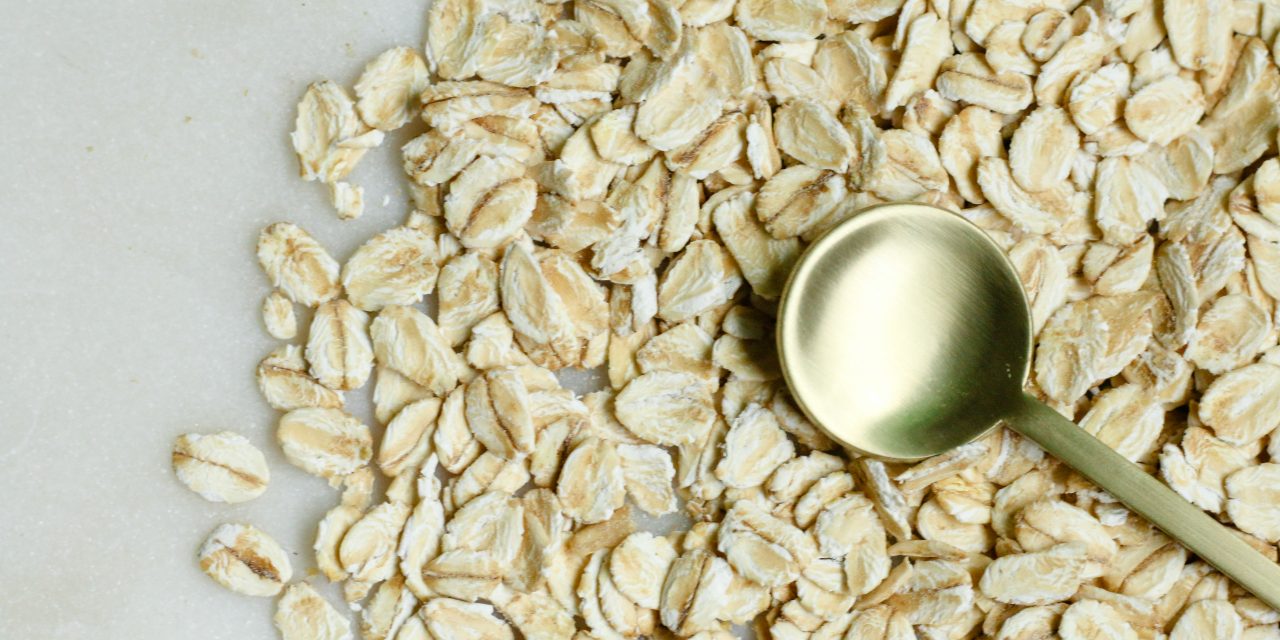
Rolled oats, a staple in many households, are celebrated for their nutritional benefits and versatility in cooking. Understanding their shelf life is crucial for maintaining quality and safety. Typically, rolled oats have a shelf life of about 1 to 2 years when stored properly. This duration can vary based on factors such as packaging, storage conditions, and whether the oats are opened or unopened. Unopened packages of rolled oats can last longer due to the absence of exposure to air and moisture, which are primary contributors to spoilage.
The nutritional profile of rolled oats includes essential vitamins, minerals, and dietary fiber, making them an excellent choice for breakfast or as an ingredient in various recipes. However, over time, even well-stored oats can lose their flavor and nutritional value. Rancidity is a common issue due to the natural oils present in oats, which can degrade and lead to an unpleasant taste. Therefore, understanding the shelf life is not just about safety; it also pertains to maintaining the quality of this nutritious grain.
When considering the shelf life of rolled oats, it’s essential to understand how proper storage can significantly extend their usability. For more insights on maintaining the freshness of various food items, you might find this article on gardening and plant care interesting, as it discusses how to create a vibrant garden that can complement your healthy eating habits. Check it out here: 10 Stunning Bleeding Heart Flower Plants to Brighten Your Garden.
Choosing the Right Storage Containers
Selecting appropriate storage containers is vital for preserving the freshness of rolled oats. Glass jars, plastic containers, and vacuum-sealed bags are popular choices among consumers. Glass jars are particularly advantageous as they are non-reactive and do not impart any flavors to the oats. Additionally, they provide a clear view of the contents, allowing for easy monitoring of stock levels.
Plastic containers should be BPA-free to avoid chemical leaching. When choosing plastic options, ensure they have tight-fitting lids to minimize air exposure. Vacuum-sealed bags are excellent for long-term storage as they remove air from the packaging, significantly extending shelf life. Regardless of the container type, it is essential to label each with the purchase date to keep track of freshness.
Keeping Rolled Oats in a Cool, Dry Place

The environment in which rolled oats are stored plays a significant role in their longevity. A cool, dry place is ideal for maintaining their quality. The pantry or a kitchen cabinet away from heat sources such as stoves or ovens is often suitable. Temperature fluctuations can lead to condensation within the container, promoting mold growth and spoilage.
Humidity is another critical factor; excessive moisture can lead to clumping and spoilage. Therefore, it is advisable to avoid storing rolled oats in areas prone to humidity, such as near dishwashers or sinks. Maintaining a consistent temperature and low humidity level will help preserve the integrity of rolled oats over time.
Avoiding Exposure to Moisture and Humidity

Moisture is one of the primary enemies of rolled oats. Exposure to humidity can lead to mold growth and spoilage, rendering the oats unsafe for consumption. To mitigate this risk, it is essential to keep rolled oats in airtight containers that prevent moisture ingress. Additionally, using desiccants—substances that absorb moisture—can further protect against humidity.
When measuring out oats for cooking or baking, it is crucial to avoid introducing moisture from utensils or hands. Using dry measuring cups and ensuring that hands are dry before handling the oats can help maintain their quality. If any signs of moisture are detected within the container, it is advisable to discard the oats immediately.
When considering the shelf life of rolled oats, it’s important to understand how proper storage can significantly extend their freshness. For instance, keeping them in an airtight container in a cool, dark place can help maintain their quality for longer periods. If you’re interested in learning more about effective cleaning methods that can help keep your kitchen organized and your food storage areas clean, you might find this article on cleaning with microfiber cloths quite useful. Proper maintenance of your kitchen not only enhances the longevity of your food items but also contributes to a healthier cooking environment.
Using Airtight Seals to Prevent Air Exposure
Air exposure can lead to oxidation, which diminishes the flavor and nutritional value of rolled oats over time. Utilizing airtight seals on storage containers is an effective strategy for preventing air exposure. Containers with silicone gaskets or vacuum-sealed bags are excellent options for maintaining freshness.
When sealing containers, ensure that they are filled adequately to minimize air space within. This practice reduces the amount of oxygen that can interact with the oats, thereby prolonging their shelf life. Regularly checking seals for integrity is also essential; any signs of wear or damage should prompt immediate replacement of the container.
When considering the shelf life of rolled oats, it’s important to understand how proper storage can significantly extend their usability. For more insights on maintaining the quality of food products, you might find it helpful to read about effective strategies in related articles. For instance, this article on switching cat litter discusses the importance of proper storage and handling, which can be applied to various food items as well. By following similar principles, you can ensure that your rolled oats remain fresh and nutritious for a longer period.
Storing Rolled Oats Away from Strong Odors
Rolled oats can absorb odors from their surroundings, which may alter their flavor profile. Therefore, it is advisable to store them away from strong-smelling foods such as spices, garlic, or onions. Using opaque containers can also help shield oats from external odors while providing an additional layer of protection against light exposure.
In addition to physical separation from strong odors, ensuring that storage areas are clean and free from spills or residues will further safeguard the quality of rolled oats. Regularly cleaning storage spaces will help maintain an odor-free environment conducive to preserving food items.
Portioning Oats to Limit Frequent Opening
Frequent opening of storage containers exposes rolled oats to air and moisture each time they are accessed. To mitigate this risk, consider portioning oats into smaller containers or bags that can be used individually without exposing the entire supply. This practice not only helps maintain freshness but also allows for convenient meal preparation.
Using pre-measured portions can streamline cooking processes and reduce waste. For instance, if you typically use rolled oats for breakfast smoothies or baking recipes, portioning them into single servings can simplify meal prep while ensuring that the remaining supply remains protected from environmental factors.
Utilizing Vacuum Sealing for Long-Term Storage
Vacuum sealing is an excellent method for extending the shelf life of rolled oats significantly beyond standard storage practices. By removing air from the packaging, vacuum sealing minimizes oxidation and prevents spoilage caused by exposure to air and moisture. This method is particularly beneficial for bulk purchases or long-term storage needs.
To vacuum seal rolled oats effectively, use a vacuum sealer machine designed for food preservation. Ensure that the oats are dry before sealing them in bags specifically designed for vacuum sealing. Properly sealed bags can last up to 5 years when stored in optimal conditions, making this method ideal for those who buy in bulk or wish to stock up on this nutritious grain.
Freezing Rolled Oats to Prolong Freshness
Freezing rolled oats is another effective strategy for prolonging their freshness and extending shelf life significantly. When stored in airtight containers or vacuum-sealed bags, rolled oats can be frozen without compromising their texture or flavor. This method is particularly useful for those who may not consume oats regularly but want to keep them on hand for occasional use.
Before freezing, ensure that the oats are completely dry and free from any moisture. Label each container with the date of freezing to track freshness easily. When ready to use frozen oats, simply remove them from the freezer and allow them to thaw at room temperature or incorporate them directly into recipes without thawing.
Regularly Checking for Signs of Spoilage
Regular inspections of stored rolled oats are essential for ensuring their quality and safety. Signs of spoilage include off odors, discoloration, or the presence of mold or insects. If any of these indicators are observed, it is crucial to discard the affected oats immediately.
Additionally, checking for clumping or unusual textures can signal moisture exposure or spoilage. Maintaining a routine inspection schedule will help identify potential issues early on and prevent consuming spoiled products inadvertently.
Best Practices for Buying and Rotating Stock
When purchasing rolled oats, consider buying in bulk if you frequently use them in your diet; however, ensure that you have adequate storage solutions in place to maintain freshness over time. Always check expiration dates on packages before purchasing and opt for brands known for quality packaging.
Implementing a first-in-first-out (FIFO) system when storing rolled oats will help ensure that older stock is used before newer purchases. This practice minimizes waste and ensures that you always consume fresh products while maintaining a well-organized pantry.
In summary, understanding how to store rolled oats effectively can significantly extend their shelf life while preserving their nutritional value and flavor profile. By choosing appropriate storage containers, keeping them in cool and dry places, avoiding moisture exposure, utilizing airtight seals, and regularly checking for spoilage signs, you can enjoy this nutritious grain for an extended period without compromising quality. Implementing best practices when buying and rotating stock will further enhance your experience with rolled oats as a staple food item in your diet.
FAQs
What is the shelf life of rolled oats?
The shelf life of rolled oats is typically around 1 to 2 years when stored properly in a cool, dry place. However, if kept in an airtight container, they can last even longer, up to 3 years.
How can I tell if my rolled oats have gone bad?
You can tell if rolled oats have gone bad by checking for signs of spoilage such as an off smell, discoloration, or the presence of mold or insects. If they have a rancid odor or taste, it is best to discard them.
Do rolled oats need to be refrigerated?
Rolled oats do not need to be refrigerated, but storing them in the refrigerator can extend their shelf life, especially in humid climates. Just ensure they are in an airtight container to prevent moisture absorption.
Can I freeze rolled oats to extend their shelf life?
Yes, you can freeze rolled oats to extend their shelf life. When stored in a freezer-safe container or bag, they can last for several years without losing quality.
What is the best way to store rolled oats?
The best way to store rolled oats is in an airtight container in a cool, dry place away from direct sunlight. This helps to maintain their freshness and prevent moisture and pests from affecting them.