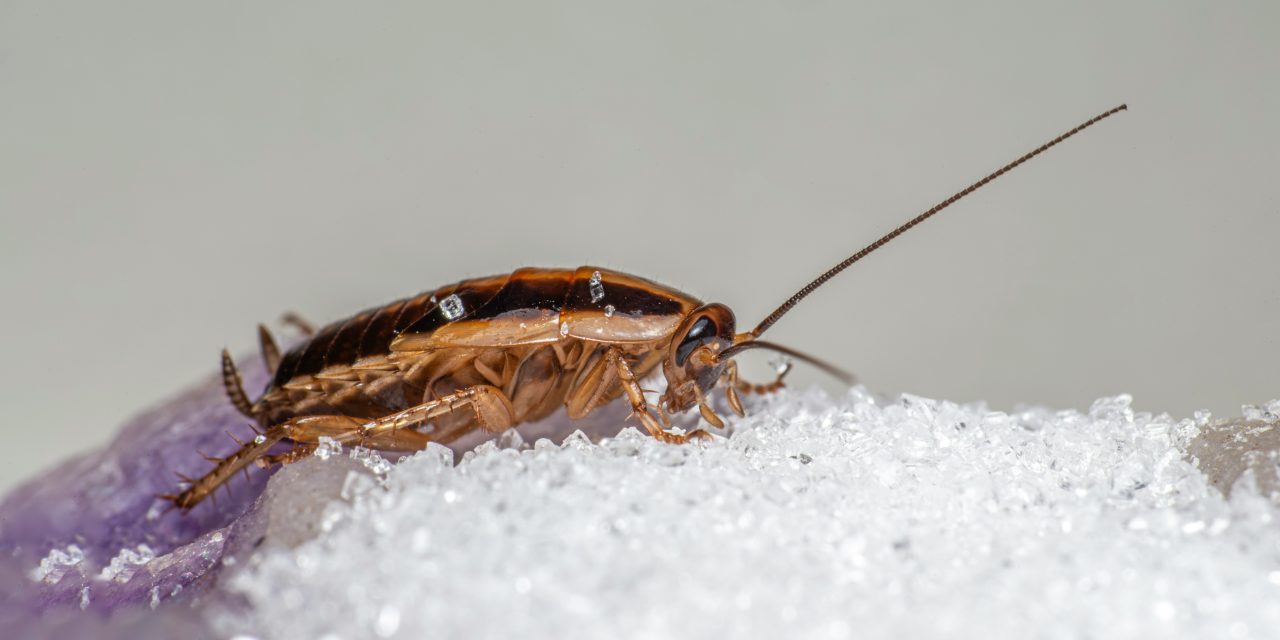
Cockroaches are among the most resilient pests known to humanity, thriving in diverse environments and exhibiting remarkable adaptability. These nocturnal insects belong to the order Blattodea and are notorious for their rapid reproduction rates, with a single female capable of producing up to 400 offspring in her lifetime. Their presence is not merely an aesthetic nuisance; they pose significant health risks as carriers of pathogens that can lead to various diseases, including gastroenteritis, asthma, and allergies. Understanding the biology and behavior of cockroaches is crucial for effective management and eradication.
The most common species found in urban settings include the German cockroach (Blattella germanica), American cockroach (Periplaneta americana), and Oriental cockroach (Blatta orientalis). Each species has unique characteristics and preferred habitats, making targeted control strategies essential. For instance, German cockroaches prefer warm, humid environments such as kitchens and bathrooms, while American cockroaches are often found in basements and sewers. Recognizing these patterns can aid in identifying potential infestations early and implementing appropriate interventions.
If you’re looking for effective strategies to prevent cockroaches from invading your home, you might find it helpful to explore related topics on pest control. One such article discusses how to remove water rings from upholstered furniture, which can be a part of maintaining a clean and inviting living space that discourages pests. You can read more about it here: how to remove water rings from upholstered furniture. Keeping your environment tidy is an essential step in pest prevention.
Keep Your Home Spotlessly Clean
Maintaining a pristine living environment is paramount in preventing cockroach infestations. Regular cleaning routines should encompass all areas of the home, particularly high-risk zones such as kitchens and dining areas. This includes sweeping and mopping floors, wiping down countertops, and ensuring that crumbs and spills are promptly addressed. A thorough cleaning regimen not only removes food particles that attract these pests but also eliminates potential nesting sites.
In addition to surface cleaning, it is essential to focus on deep cleaning tasks. This involves moving appliances like refrigerators and stoves to clean behind and beneath them, where debris often accumulates unnoticed. Regularly washing dishcloths, sponges, and other kitchen textiles can also help reduce the likelihood of attracting cockroaches. By fostering a consistently clean environment, homeowners can significantly diminish the chances of an infestation taking hold.
Seal All Entry Points

Cockroaches are adept at infiltrating homes through minuscule openings. Therefore, sealing potential entry points is a critical step in pest prevention. Inspecting the exterior of the home for cracks, gaps, and holes is essential; these vulnerabilities can serve as gateways for cockroaches seeking shelter. Common entry points include gaps around windows, doors, utility lines, and plumbing fixtures.
Utilizing caulk or weather stripping to seal these openings can effectively deter cockroaches from entering your living space. Additionally, installing door sweeps on exterior doors can further minimize access points. By proactively addressing these vulnerabilities, homeowners can create a formidable barrier against potential infestations.
Eliminate Food and Water Sources

Cockroaches are opportunistic feeders that require minimal sustenance to thrive. Eliminating food and water sources is crucial in disrupting their survival. This entails not only proper food storage but also diligent practices regarding waste management. All food items should be stored in airtight containers to prevent access to these pests.
Moreover, it is vital to address any leaks or standing water within the home. Cockroaches are attracted to moisture, making bathrooms and kitchens prime targets for infestation. Regularly checking for plumbing leaks and ensuring that sinks and bathtubs are dry can significantly reduce the likelihood of attracting these pests. By depriving cockroaches of their essential resources, homeowners can effectively starve them out.
If you’re looking for effective ways to prevent cockroaches from invading your home, it’s essential to consider various pest control strategies. One helpful resource is an article that discusses how to prevent termites around your home’s foundation, which can also provide insights into maintaining a pest-free environment. You can read more about it in this informative piece on preventing termites, as many of the principles apply to keeping cockroaches at bay as well.
Use Natural Repellents
In addition to conventional pest control methods, natural repellents can serve as an effective deterrent against cockroaches. Essential oils such as peppermint oil, tea tree oil, and eucalyptus oil have been shown to repel these insects due to their strong scents. Mixing a few drops of these oils with water in a spray bottle can create a natural repellent that can be applied around entry points and suspected nesting areas.
Another natural solution involves using diatomaceous earth (DE), a fine powder made from fossilized algae. When sprinkled in areas where cockroaches frequent, DE can damage their exoskeletons upon contact, leading to dehydration and eventual death. This non-toxic approach not only helps control cockroach populations but also minimizes exposure to harmful chemicals often found in commercial pesticides.
Regularly Dispose of Garbage
Proper waste management is integral to preventing cockroach infestations. Garbage should be disposed of regularly and stored in sealed containers to minimize odors that attract pests. It is advisable to use bins with tight-fitting lids and to ensure that they are emptied frequently, particularly in warmer months when cockroach activity tends to increase.
In addition to regular disposal, it is essential to maintain cleanliness within garbage storage areas. Cleaning bins with disinfectants can help eliminate odors and residues that may attract cockroaches. By implementing a robust waste management strategy, homeowners can significantly reduce the likelihood of attracting these resilient pests.
Maintain Proper Ventilation and Dryness
Cockroaches thrive in warm, humid environments; therefore, maintaining proper ventilation and dryness within the home is crucial for pest prevention. Ensuring adequate airflow in areas prone to moisture accumulation—such as bathrooms and kitchens—can help deter cockroach infestations. Utilizing exhaust fans during cooking or showering can significantly reduce humidity levels.
Additionally, employing dehumidifiers in damp areas can further mitigate moisture levels that attract cockroaches. Regularly checking for leaks in plumbing fixtures and repairing them promptly will also contribute to a drier environment. By creating an inhospitable atmosphere for these pests, homeowners can effectively reduce their chances of infestation.
Store Food in Airtight Containers
Proper food storage is a fundamental aspect of pest prevention. Cockroaches are drawn to easily accessible food sources; therefore, all food items should be stored in airtight containers made of glass or heavy-duty plastic. This practice not only protects food from contamination but also prevents cockroaches from accessing potential meals.
In addition to pantry items, pet food should also be stored securely when not in use. Leaving pet food out overnight can attract cockroaches and other pests into your home. By adopting stringent food storage practices, homeowners can significantly diminish the likelihood of attracting these unwanted intruders.
Declutter to Reduce Hiding Spots
Cockroaches are adept at finding shelter in cluttered environments where they can hide from view during daylight hours. Reducing clutter within the home is an effective strategy for minimizing potential hiding spots for these pests. This includes organizing storage areas such as basements, attics, and garages where items may accumulate over time.
Regularly assessing belongings and discarding items that are no longer needed can help create a more organized living space. Additionally, keeping surfaces clear of unnecessary items allows for easier cleaning and monitoring for signs of infestation. By decluttering your home, you not only enhance its aesthetic appeal but also create an environment less conducive to cockroach habitation.
Employ Bait and Traps Strategically
When faced with an existing infestation, employing bait and traps can be an effective method for controlling cockroach populations. Baits typically contain insecticides mixed with attractive food substances that lure cockroaches into consuming them. Once ingested, these baits disrupt the pest’s biological functions, leading to mortality.
Traps can also be utilized as a monitoring tool to assess the severity of an infestation. Sticky traps placed in strategic locations—such as near suspected nesting sites or along common pathways—can help capture roaches while providing insight into their activity levels. It is essential to follow manufacturer instructions carefully when using these products to ensure safety and efficacy.
Schedule Routine Professional Inspections
For persistent or severe infestations, enlisting the expertise of pest control professionals may be necessary. Scheduling routine inspections allows trained technicians to assess your home for signs of cockroach activity and implement targeted treatment strategies tailored to your specific situation. These professionals possess access to advanced tools and techniques that may not be available to the average homeowner.
Regular inspections can also help identify potential vulnerabilities within your home that may contribute to infestations. By establishing a proactive relationship with pest control experts, homeowners can stay ahead of potential issues before they escalate into significant problems.
In summary, addressing cockroach infestations requires a multifaceted approach that encompasses cleanliness, sealing entry points, eliminating food sources, utilizing natural repellents, managing waste effectively, maintaining dryness, proper food storage, decluttering spaces, employing traps strategically, and seeking professional assistance when necessary. By implementing these strategies diligently, homeowners can create an inhospitable environment for cockroaches while safeguarding their health and well-being.
### FAQ Section
1. **What attracts cockroaches to my home?**
Cockroaches are primarily attracted by food sources, moisture, warmth, and shelter. They thrive in environments where they can find easy access to sustenance.
2. **How do I know if I have a cockroach infestation?**
Signs include seeing live or dead roaches, finding droppings resembling coffee grounds or black pepper, noticing egg cases (oothecae), or detecting a musty odor.
3. **Are there any health risks associated with cockroaches?**
Yes, cockroaches can carry pathogens that may lead to illnesses such as gastroenteritis or trigger allergic reactions and asthma attacks in sensitive individuals.
4. **Can I use homemade solutions for pest control?**
Yes! Natural repellents like essential oils or diatomaceous earth can be effective alternatives to chemical pesticides when used correctly.
5. **How often should I clean my home to prevent infestations?**
Regular cleaning should be part of your routine—ideally daily for high-risk areas like kitchens—and deep cleaning should occur at least monthly.
6. **What should I do if I find a cockroach?**
If you spot a cockroach, take immediate action by cleaning the area thoroughly and setting traps or baits nearby while monitoring for further activity.
7. **How long does it take to eliminate a cockroach infestation?**
The duration varies based on the severity of the infestation; however, with consistent efforts using various strategies outlined above, significant reductions can often be seen within weeks.
8. **Is it safe to use pesticides around pets?**
While some pesticides are pet-safe when used according to instructions, it’s crucial to read labels carefully and consider consulting with professionals for safe application methods.
9. **What should I do if I have pets but need pest control?**
Inform your pest control provider about your pets so they can recommend safe products or methods that minimize risk while effectively addressing the infestation.
10. **Can I prevent future infestations after eliminating current ones?**
Yes! Implementing preventive measures such as cleanliness, sealing entry points, proper food storage, and regular inspections will significantly reduce the likelihood of future infestations.
In conclusion, addressing the issue of cockroach infestations requires diligence across multiple fronts—from maintaining cleanliness to employing strategic pest control measures—ensuring a healthier living environment free from these resilient pests.
FAQs
What are some effective ways to seal entry points to prevent cockroaches?
To prevent cockroaches from entering your home, seal any cracks and crevices in walls, around windows, and doors using caulk or weather stripping. Pay special attention to areas where pipes and wires enter your home, as these can be common entry points. Additionally, ensure that screens on windows and vents are intact and free of holes.
How can I reduce food sources that attract cockroaches?
To minimize food sources for cockroaches, store food in airtight containers and promptly clean up spills and crumbs. Regularly take out the trash and use bins with tight-fitting lids. Avoid leaving pet food out overnight and ensure that dishes are washed promptly after use.
What role does moisture control play in preventing cockroaches?
Moisture control is crucial in preventing cockroaches, as they are attracted to damp environments. Fix any leaks in plumbing, use dehumidifiers in humid areas, and ensure proper ventilation in bathrooms and kitchens. Regularly check for standing water and eliminate any sources of excess moisture.
Are there natural repellents that can help deter cockroaches?
Yes, several natural repellents can help deter cockroaches. Essential oils such as peppermint, tea tree, and lavender can be mixed with water and sprayed in areas where cockroaches are likely to enter. Additionally, diatomaceous earth can be sprinkled in cracks and crevices to create a barrier that is harmful to cockroaches.
When should I consider professional pest control for cockroach prevention?
If you have a persistent cockroach problem that you cannot manage with DIY methods, it may be time to consider professional pest control. Signs that you should seek help include seeing multiple cockroaches during the day, finding egg cases, or noticing a strong, musty odor. Professionals can provide targeted treatments and advice for long-term prevention.