Fleas are small, wingless insects belonging to the order Siphonaptera, and they are notorious for their ability to infest homes and pets. Understanding their life cycle is crucial for effective control and prevention. The flea life cycle consists of four distinct stages: egg, larva, pupa, and adult. Adult fleas lay approximately 20 to 50 eggs daily, which fall off the host animal into the environment. These eggs hatch into larvae within a week, feeding on organic debris, including flea feces, which is rich in nutrients.
The larval stage lasts about 5 to 11 days, depending on environmental conditions such as temperature and humidity. After this period, larvae spin cocoons and enter the pupal stage, where they can remain dormant for several months. The adult flea emerges from the pupa when it detects vibrations or carbon dioxide from potential hosts. This life cycle can be completed in as little as two weeks under optimal conditions, making rapid infestation a significant concern for pet owners and homeowners alike.
When considering effective flea prevention for your yard, it’s essential to understand the broader context of pet care, including grooming practices that can help minimize flea infestations. For instance, maintaining your dog’s coat can significantly reduce the likelihood of fleas taking residence. You can learn more about grooming techniques suitable for thick and curly coats in this informative article on line brushing for dogs. For more details, check out the article here: Line Brushing for Dogs: How to Groom Thick and Curly Coats.
Regularly Mow and Maintain Your Lawn
Maintaining a well-groomed lawn is an essential strategy in flea prevention. Regular mowing reduces the height of grass, which can create a less hospitable environment for fleas. Shorter grass allows sunlight to penetrate more effectively, drying out the soil and reducing humidity levels that favor flea survival. Additionally, mowing prevents the accumulation of organic debris, which can serve as a breeding ground for fleas and other pests.
Incorporating a consistent lawn maintenance schedule can significantly diminish flea populations. Aim to mow your lawn at least once a week during the growing season. Furthermore, consider aerating your lawn to improve drainage and promote healthy grass growth. Healthy grass can outcompete weeds and other plants that may harbor fleas, creating a less inviting habitat for these pests.
Remove Yard Debris and Clutter

Fleas thrive in cluttered environments where they can find shelter and breeding grounds. Yard debris such as fallen leaves, branches, and overgrown shrubs can provide ideal hiding spots for fleas and their larvae. Regularly clearing away debris not only enhances the aesthetic appeal of your yard but also disrupts the flea life cycle by eliminating potential habitats.
To effectively manage yard clutter, establish a routine for cleaning up your outdoor space. This includes raking leaves, trimming overgrown bushes, and removing any discarded items that may accumulate over time. Additionally, consider composting organic materials in a designated area away from your home to minimize flea attraction. By maintaining a tidy yard, you significantly reduce the likelihood of flea infestations.
Keep Your Pets Flea-Free with Preventative Treatments

Preventative treatments are vital for keeping pets free from fleas and minimizing the risk of infestations in your home. Various options are available, including topical treatments, oral medications, and flea collars. Topical treatments are applied directly to your pet’s skin and provide long-lasting protection by killing fleas on contact. Oral medications work systemically to eliminate fleas when they bite your pet.
Consult with your veterinarian to determine the most suitable preventative treatment for your pet based on their age, weight, and health status. Regularly administering these treatments as directed can significantly reduce the risk of flea infestations. Additionally, ensure that all pets in your household are treated simultaneously to prevent reinfestation.
When considering effective flea prevention for your yard, it’s essential to create a healthy environment that discourages these pests. One way to enhance your yard’s ecosystem is by implementing composting practices that enrich the soil and promote beneficial insects. For more insights on how to improve your garden’s health, you can check out this article on composting tips. By fostering a thriving garden, you not only deter fleas but also support overall biodiversity in your outdoor space.
Use Beneficial Nematodes in Your Soil
Beneficial nematodes are microscopic roundworms that can be an effective biological control method against fleas in your yard. These nematodes seek out flea larvae in the soil and invade them, ultimately leading to their death. By introducing beneficial nematodes into your garden or lawn, you can create a natural barrier against flea populations without resorting to chemical pesticides.
To utilize beneficial nematodes effectively, purchase them from a reputable supplier and apply them according to the manufacturer’s instructions. Typically, they are mixed with water and sprayed onto the soil during cooler parts of the day to prevent desiccation. This eco-friendly approach not only targets fleas but also helps improve soil health by promoting biodiversity.
When it comes to effective flea prevention in your yard, understanding the environment and potential pest problems is crucial. For instance, maintaining a clean outdoor space can significantly reduce the likelihood of flea infestations. If you’re interested in learning more about how to identify and manage other pests that may affect your yard, you might find this article on mouse droppings helpful. It provides insights on how to recognize and safely clean up after these unwanted visitors, which can also contribute to a healthier outdoor area. You can read it here: mouse droppings.
Create a Dry Environment to Discourage Fleas
Fleas thrive in humid environments; therefore, creating a dry atmosphere is essential for discouraging their presence. Reducing moisture levels in your yard can be achieved through proper drainage management and landscaping techniques. Ensure that gutters are clean and functioning correctly to prevent water accumulation around your home.
Additionally, consider using mulch sparingly in garden beds, as it can retain moisture that attracts fleas. Instead, opt for gravel or sand in areas where you want to minimize humidity levels. Regularly check for standing water sources such as bird baths or clogged drains and address any issues promptly to maintain a dry environment conducive to flea prevention.
Apply Yard-Safe Flea Control Products
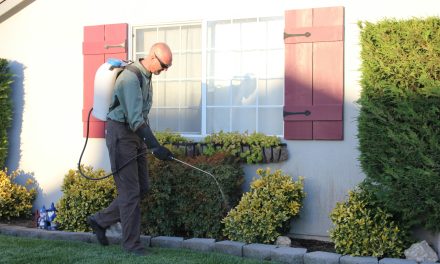
When dealing with flea infestations in your yard, it is crucial to choose yard-safe flea control products that are effective yet environmentally friendly. Look for insect growth regulators (IGRs) that disrupt the flea life cycle by preventing larvae from maturing into adults. These products target specific life stages without harming beneficial insects or pets.
Before applying any flea control product, carefully read the label instructions to ensure safe usage around children and pets. Additionally, consider timing applications during cooler parts of the day when beneficial insects are less active. Regularly reapply these products as recommended to maintain their efficacy throughout the flea season.
Limit Wildlife Access to Your Yard
Wildlife can serve as carriers for fleas, introducing them into your yard and home environment. To minimize this risk, take proactive measures to limit wildlife access to your property. Installing fences or barriers can deter larger animals such as raccoons or deer from entering your yard.
Additionally, avoid leaving pet food outside overnight, as this can attract wildlife that may carry fleas. Secure trash bins with tight-fitting lids to prevent scavenging animals from rummaging through waste. By reducing wildlife access to your yard, you decrease the likelihood of flea infestations originating from external sources.
Clean Outdoor Pet Areas Frequently
Outdoor pet areas require regular cleaning to prevent flea infestations from taking hold. Fleas can easily thrive in areas where pets spend time outdoors, such as doghouses or patios. Establish a routine for cleaning these spaces by removing any organic debris and washing bedding or blankets regularly.
Consider using a vacuum cleaner equipped with a HEPA filter to remove fleas and their eggs from outdoor surfaces effectively. After vacuuming, dispose of the vacuum bag or empty the canister immediately to prevent reinfestation. By maintaining cleanliness in outdoor pet areas, you create an inhospitable environment for fleas.
Inspect and Treat Outdoor Furniture and Play Areas
Outdoor furniture and play areas can harbor fleas if not regularly inspected and treated. Fleas can easily jump onto these surfaces from infested pets or wildlife. To mitigate this risk, routinely inspect outdoor furniture for signs of fleas or flea dirt (small black specks resembling pepper).
If you suspect an infestation, treat outdoor furniture with yard-safe insecticides specifically designed for outdoor use. Additionally, consider covering furniture when not in use to protect it from potential infestations. For play areas frequented by children or pets, ensure regular cleaning and treatment to maintain a safe environment free from fleas.
Monitor and Adjust Your Flea Prevention Strategy Seasonally
Flea populations fluctuate with seasonal changes; therefore, it is essential to monitor and adjust your prevention strategy accordingly. During warmer months when fleas are most active, increase vigilance by implementing multiple preventive measures simultaneously.
Keep track of local weather patterns and adjust your lawn maintenance schedule accordingly. For instance, during periods of high humidity or rainfall, consider increasing the frequency of yard clean-ups or applying additional flea control products as needed. By remaining proactive and adaptable in your flea prevention strategy throughout the seasons, you can effectively minimize the risk of infestations.
In summary, understanding the flea life cycle is fundamental for effective control measures against these pests. Regular lawn maintenance, debris removal, preventative treatments for pets, beneficial nematodes introduction, creating dry environments, applying yard-safe products, limiting wildlife access, cleaning outdoor areas frequently, inspecting furniture/play areas, and adjusting strategies seasonally are all critical components of an effective flea management plan. By implementing these strategies diligently, homeowners can significantly reduce the risk of flea infestations while ensuring a safe environment for their families and pets alike.
### FAQ Section
1. **What are the signs of a flea infestation?**
– Common signs include excessive scratching by pets, flea dirt on fur or bedding (small black specks), visible fleas on pets or surfaces, and skin irritations or allergies in pets.
2. **How often should I treat my pets for fleas?**
– Consult with your veterinarian for specific recommendations based on your pet’s needs; however, most preventative treatments should be administered monthly during peak flea seasons.
3. **Can fleas survive indoors during winter?**
– Yes! Fleas can survive indoors year-round if conditions are favorable; they thrive in warm environments with humidity levels above 50%.
4. **Are there natural remedies for flea control?**
– Some natural remedies include diatomaceous earth (food grade), essential oils like lavender or cedarwood (used cautiously), and regular vacuuming combined with washing pet bedding.
5. **How long does it take for fleas to die after treatment?**
– The timeline varies based on treatment type; topical treatments may kill adult fleas within hours while oral medications may take up to 24 hours.
6. **Can I use human insect repellent on my pets?**
– No! Human insect repellents contain chemicals that can be toxic to pets; always use products specifically formulated for animals.
7. **What should I do if my pet has a severe flea infestation?**
– Consult your veterinarian immediately for appropriate treatment options; they may recommend prescription medications or topical treatments tailored to severe cases.
8. **How do I know if my yard is infested with fleas?**
– Signs include finding fleas on pets after they have been outside or noticing increased scratching behavior; conducting a thorough inspection of outdoor areas can also reveal signs of infestation.
9. **Is it necessary to treat my entire yard if I only see fleas on my pet?**
– Yes! Treating both pets and outdoor areas is crucial since fleas can easily jump back onto pets from infested environments.
10. **What is the best time of year to implement flea prevention strategies?**
– Begin implementing prevention strategies in early spring before peak flea season starts; continue throughout summer into early fall when temperatures remain warm.
By understanding these aspects of flea management comprehensively and implementing effective strategies consistently, homeowners can protect their living spaces from these persistent pests while ensuring their pets remain healthy and comfortable.
FAQs
What are the most effective methods for flea prevention in my yard?
Effective methods for flea prevention in your yard include regular mowing and trimming of grass and shrubs, using nematodes (microscopic worms that feed on flea larvae), applying diatomaceous earth, and using flea control sprays or granules specifically designed for outdoor use. Additionally, maintaining a clean environment by removing debris and keeping pet areas tidy can help reduce flea populations.
How often should I treat my yard for fleas?
The frequency of yard treatments for fleas depends on the severity of the infestation and the local climate. Generally, it is recommended to treat your yard every 4 to 6 weeks during peak flea season, which typically occurs in warmer months. Regular monitoring and treatment can help keep flea populations under control.
Are there any natural remedies for flea prevention in the yard?
Yes, there are several natural remedies for flea prevention in the yard. These include using essential oils like lavender, cedarwood, or peppermint, which can repel fleas. Additionally, planting flea-repelling plants such as rosemary, mint, or marigolds can help deter fleas. Regularly applying a mixture of vinegar and water can also be effective in keeping fleas at bay.
Can fleas survive in my yard during winter?
Fleas can survive in your yard during winter, but their populations typically decrease significantly due to cold temperatures. However, adult fleas can remain dormant in protected areas, such as under leaf litter or in sheltered spots. It’s important to continue preventive measures even in winter to minimize the chances of a resurgence in spring.
How can I tell if my yard has a flea infestation?
Signs of a flea infestation in your yard include finding fleas on your pets, noticing flea dirt (small black specks) in areas where pets frequent, and observing increased scratching or biting behavior in your animals. Additionally, you may see fleas jumping on surfaces or find them in shaded areas of your yard. Conducting a thorough inspection can help confirm the presence of fleas.