Emergency house repairs are critical for maintaining the safety, functionality, and value of a home. When unexpected issues arise, such as plumbing failures or electrical malfunctions, prompt action is essential to prevent further damage and ensure the well-being of occupants. Ignoring these emergencies can lead to more severe problems, including structural damage, health hazards, and increased repair costs.
The urgency of addressing these repairs cannot be overstated. For instance, a small leak can quickly escalate into a significant water intrusion problem, leading to mold growth and structural deterioration. Homeowners must recognize that timely intervention not only preserves the integrity of their property but also safeguards their family’s health and comfort. Understanding the importance of emergency repairs empowers homeowners to act decisively when crises occur.
When dealing with emergency house repairs, it’s essential to also consider the overall health of your living environment, including the plants that can enhance your home’s atmosphere. For those looking to add some greenery without the stress of maintenance, you might find this article on beginner-friendly plants particularly useful. It highlights options that are almost impossible to kill, making them perfect companions for any home in need of a little life. You can read more about these resilient plants in the article here: Beginner-Friendly Plants Almost Impossible to Kill.
Fixing a Burst Pipe Quickly and Efficiently
A burst pipe can unleash a torrent of water, causing extensive damage in mere moments. The first step in addressing this emergency is to locate the main water shut-off valve and turn it off immediately to prevent further flooding. Once the water supply is halted, assess the situation to determine the extent of the damage. If the burst pipe is accessible, use a pipe wrench to tighten any loose fittings or joints temporarily.
For a more permanent solution, it may be necessary to replace the damaged section of the pipe. Homeowners can use PVC or copper piping, depending on their plumbing system. If opting for PVC, ensure that appropriate solvent cement is used for a secure bond. In cases where the damage is extensive or beyond the homeowner’s skill level, contacting a licensed plumber is advisable to ensure compliance with local building codes and standards.
How to Stop a Leaking Roof During a Storm

A leaking roof during inclement weather can lead to significant interior damage if not addressed promptly. Homeowners should first identify the source of the leak by inspecting the roof from both inside and outside. If safe to do so, climb onto the roof to examine shingles, flashing, and other potential entry points for water.
To temporarily stop the leak, use roofing tape or tar to seal small holes or cracks. For larger breaches, placing a tarp over the affected area can provide immediate protection until professional repairs can be made. Inside the home, use buckets or containers to catch dripping water and minimize damage to flooring and furnishings. It is crucial to address roof leaks swiftly to prevent mold growth and structural issues that could arise from prolonged exposure to moisture.
Emergency Electrical Repairs: What You Can Safely Handle

Electrical emergencies can pose serious risks, including fire hazards and electrocution. Homeowners should prioritize safety by turning off power at the circuit breaker before attempting any repairs. Common issues include tripped breakers, flickering lights, or outlets that are not functioning. For tripped breakers, simply resetting them may resolve the issue; however, if it recurs frequently, it may indicate an underlying problem that requires professional assessment.
For minor repairs such as replacing a blown fuse or changing light bulbs, homeowners can safely proceed with caution. However, more complex issues involving wiring or circuit boards should be left to licensed electricians who possess the expertise and tools necessary for safe resolution. Understanding one’s limitations in electrical repairs is vital for preventing accidents and ensuring compliance with electrical codes.
When dealing with unexpected emergencies in your home, knowing how to handle repairs quickly can save you time and money. For instance, if you’re facing issues with plumbing or electrical systems, it’s crucial to have a reliable guide at hand. You might find it helpful to read this article on top tips for emergency house repair, which offers practical advice on assessing damage and prioritizing repairs to ensure your home remains safe and functional.
Dealing with a Clogged or Backed-Up Drain
Clogged drains are a common household nuisance that can escalate into an emergency if not addressed promptly. Homeowners should first attempt to clear minor clogs using a plunger or a drain snake. For more stubborn blockages, a mixture of baking soda and vinegar can be effective in breaking down debris without resorting to harsh chemicals.
If these methods fail, it may be necessary to disassemble the drain trap under the sink to remove any accumulated debris manually. In cases where clogs persist despite these efforts, contacting a professional plumber is advisable to avoid damaging pipes or causing further complications. Regular maintenance, such as using strainers in sinks and avoiding flushing inappropriate items down toilets, can help prevent future clogs.
Temporary Solutions for Broken Windows and Doors
Broken windows and doors compromise home security and energy efficiency. In emergencies where glass is shattered or frames are damaged, homeowners should take immediate action to secure their property. For windows, use plywood or heavy plastic sheeting to cover openings temporarily until professional repairs can be made. This not only prevents unauthorized entry but also protects against weather elements.
For doors that are damaged but still functional, consider using a sturdy piece of wood or metal to reinforce the frame until a permanent solution can be implemented. If the door is completely unusable, boarding it up may be necessary until replacement options are explored. Ensuring that all temporary measures are securely fastened will help maintain safety and security until professional assistance is available.
Addressing Heating System Failures in Cold Weather
Heating system failures during frigid temperatures can pose serious risks to health and safety. Homeowners should first check their thermostat settings and ensure that power is supplied to the unit. If the system fails to operate despite these checks, inspect filters for clogs that may impede airflow; replacing dirty filters can often restore functionality.
In cases where the heating system remains unresponsive, it may be necessary to reset the unit according to manufacturer instructions or consult with an HVAC technician for further diagnosis. Homeowners should also consider alternative heating sources such as space heaters while waiting for repairs but must adhere strictly to safety guidelines to prevent fire hazards.
Handling Gas Leaks and Knowing When to Evacuate
Gas leaks are among the most dangerous emergencies a homeowner can face due to their potential for explosions and health risks from inhalation. Recognizing the signs of a gas leak—such as a distinct sulfur odor or hissing sounds—should prompt immediate action. Homeowners must evacuate all occupants from the premises without delay and contact emergency services or their gas provider from a safe distance.
While waiting for professionals to arrive, avoid using electrical devices or open flames that could ignite gas vapors. It is crucial for homeowners to familiarize themselves with gas shut-off valves and know how to turn them off in emergencies safely. Regular maintenance checks on gas appliances can help prevent leaks from occurring in the first place.
Repairing Foundation Cracks to Prevent Further Damage
Foundation cracks can indicate serious structural issues that require immediate attention. Homeowners should inspect their foundation regularly for signs of cracking or shifting soil around the perimeter of their home. Small cracks may be filled with epoxy or polyurethane sealants as a temporary measure; however, larger cracks necessitate professional evaluation.
Ignoring foundation problems can lead to significant structural damage over time, including compromised walls and floors. Homeowners should consider consulting with structural engineers or foundation repair specialists who can assess the situation accurately and recommend appropriate solutions such as underpinning or drainage improvements.
Managing Mold and Water Damage Emergencies
Mold growth often follows water damage incidents if not addressed promptly. Homeowners should act quickly by removing standing water using pumps or wet vacuums and drying affected areas with fans and dehumidifiers. It is essential to wear protective gear such as gloves and masks when handling moldy materials.
For minor mold infestations, cleaning surfaces with a mixture of water and detergent may suffice; however, extensive mold growth requires professional remediation services equipped with specialized tools and techniques for safe removal. Preventing future mold growth involves addressing moisture sources through proper ventilation and regular inspections of plumbing systems.
Essential Tools and Supplies Every Homeowner Should Keep Ready
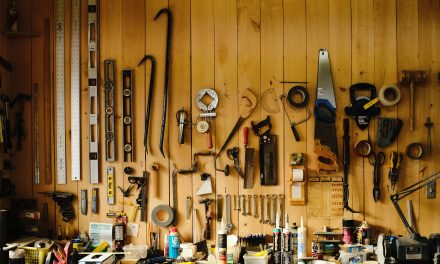
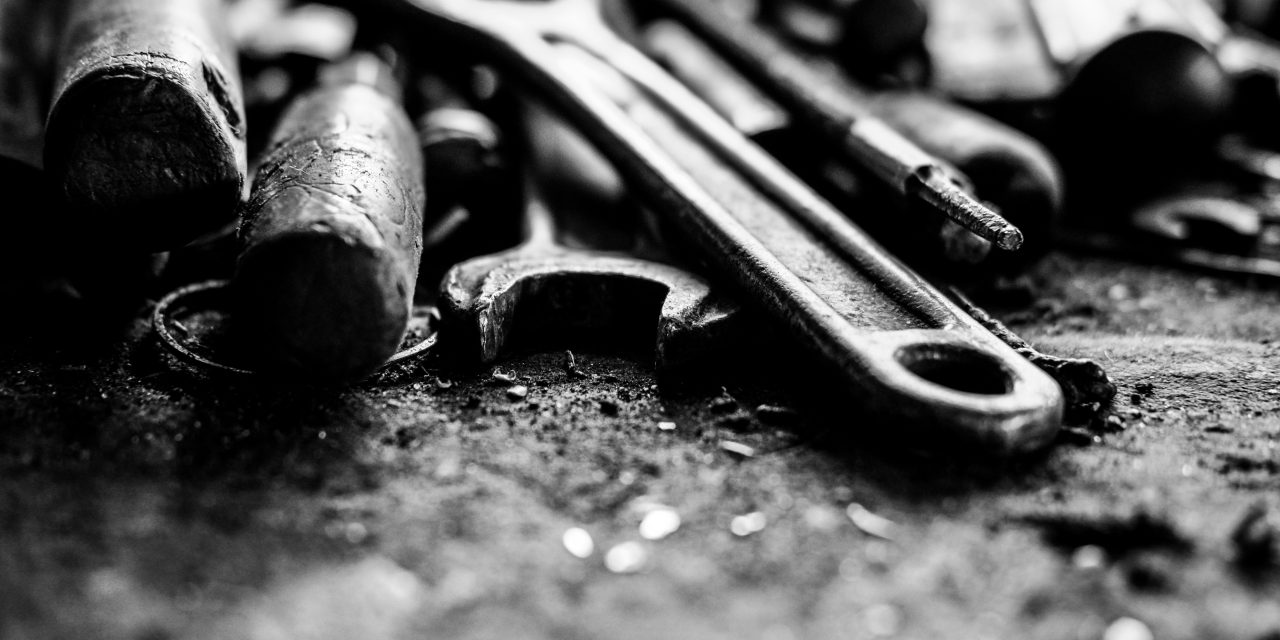
Being prepared for emergencies requires having essential tools and supplies readily available at home. A well-stocked toolbox should include items such as screwdrivers, pliers, wrenches, hammers, utility knives, duct tape, and a reliable flashlight with extra batteries. Additionally, homeowners should keep plumbing supplies like plungers, drain snakes, and pipe sealants on hand for quick fixes.
In terms of safety equipment, having fire extinguishers strategically placed throughout the home is crucial for addressing small fires before they escalate. First aid kits should also be readily accessible in case of injuries during repairs or emergencies. By maintaining an organized inventory of tools and supplies, homeowners can respond effectively when unexpected situations arise.
In summary, understanding emergency house repairs is vital for maintaining safety and preventing further damage in various situations such as plumbing failures, electrical issues, leaks, and structural concerns. Prompt action combined with appropriate temporary solutions can mitigate risks while awaiting professional assistance when necessary. By being proactive in maintenance and preparedness through essential tools and supplies, homeowners can navigate emergencies more effectively while ensuring their property remains secure and functional.
FAQs
What are common types of emergency house repairs?
Common types of emergency house repairs include plumbing leaks, roof leaks, electrical issues, heating or cooling system failures, and structural damage. These issues often require immediate attention to prevent further damage to the home.
How can I identify an emergency repair situation?
An emergency repair situation can be identified by signs such as water leaks, exposed wiring, gas odors, or significant structural damage. If the issue poses a risk to health or safety, or if it could lead to extensive damage if not addressed quickly, it is considered an emergency.
What should I do first in an emergency repair situation?
In an emergency repair situation, the first step is to ensure safety. Turn off utilities if necessary, such as water, gas, or electricity, to prevent further damage or hazards. Then, assess the situation and contact a professional if the repair is beyond your capability.
How can I find a reliable emergency repair service?
To find a reliable emergency repair service, ask for recommendations from friends or family, check online reviews, and verify credentials. Look for licensed and insured professionals who offer 24/7 services and have experience with the specific type of repair needed.
What are the costs associated with emergency house repairs?
The costs of emergency house repairs can vary widely depending on the type of repair, the extent of the damage, and the service provider. On average, emergency repairs can range from a few hundred to several thousand dollars. It’s advisable to get multiple quotes and understand the pricing structure before proceeding.